
eBay stands as a colossal digital marketplace, a vibrant ecosystem where millions engage in commerce daily. From casual buyers seeking unique finds to seasoned entrepreneurs building substantial online businesses, the platform facilitates a staggering volume of transactions. With money constantly exchanging hands – whether through purchases, sales, or investments in inventory – the financial stakes for users are inherently high. It’s precisely because of these financial dimensions that understanding how to effectively contact eBay customer service becomes not just a convenience, but a critical skill for financial security and peace of mind.
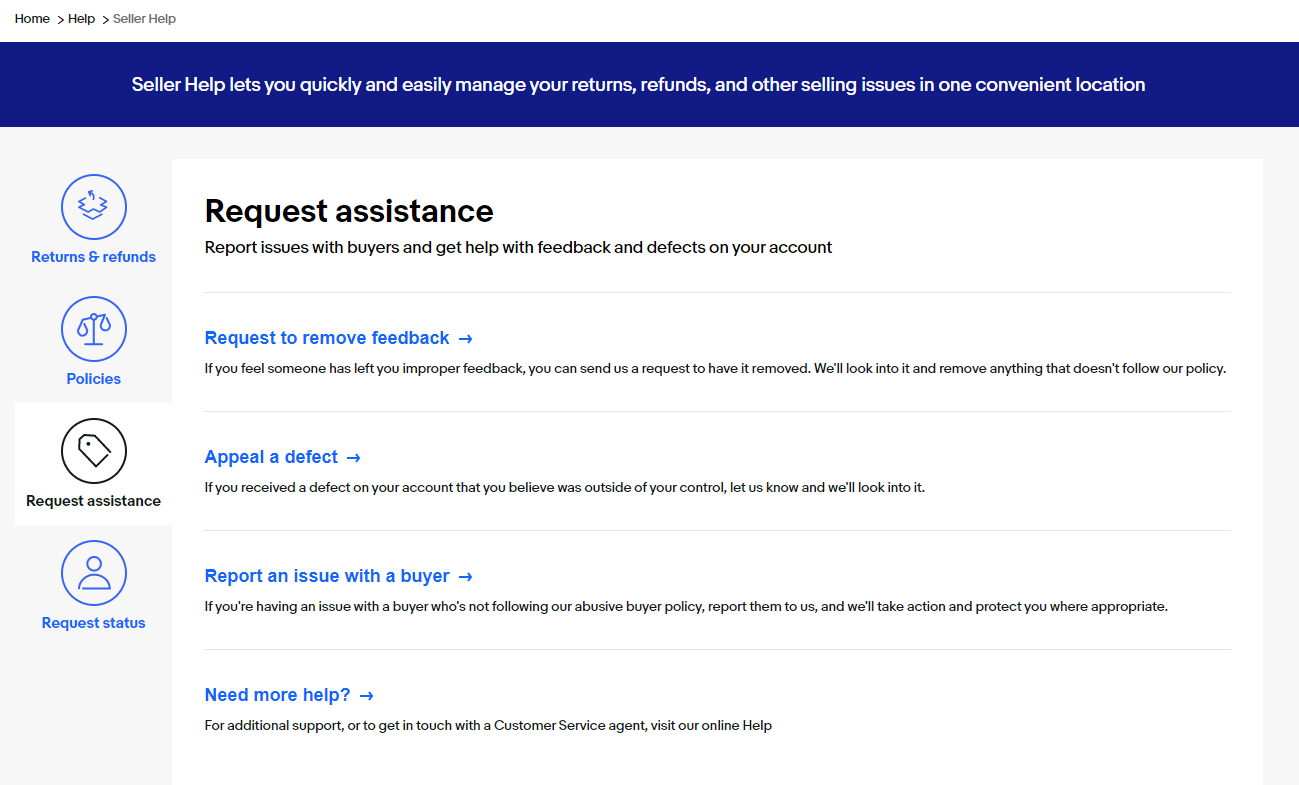
In the fast-paced world of online commerce, issues inevitably arise. Payments might fail, items might not arrive as expected, a seller might dispute a return, or an account might face an unexpected hold. Each of these scenarios has a direct financial impact on the individuals involved. This article will guide you through the various channels and best practices for contacting eBay customer service, focusing on how these interactions are crucial for resolving financial discrepancies, safeguarding your online income, and protecting your investments on the platform.
Understanding Why You Might Need eBay’s Help (Financial Scenarios)
The primary drivers for contacting eBay customer service often revolve around money. Whether you’re a buyer whose investment in an item is at risk or a seller whose online income is impacted, these situations demand swift and effective resolution. Recognizing the financial nature of common problems can help you articulate your issue more clearly and seek the appropriate support.
Buyer-Related Financial Issues
For buyers, issues typically concern the safe receipt and quality of their purchased items, directly impacting their spent funds.
- Non-receipt of Items (After Payment): You’ve paid for an item, but it never arrived. This is a direct loss of your financial outlay, and you need to initiate a process for a refund or a replacement.
- Item Not As Described (Discrepancy Impacting Value/Refunds): The item received significantly differs from the seller’s description, meaning you did not receive the value you paid for. This often leads to disputes over partial or full refunds.
- Unauthorized Purchases/Fraudulent Activity on Your Account: If your account is compromised and unauthorized purchases are made, your payment methods (credit cards, bank accounts) are at financial risk. Immediate action is needed to stop further losses and recover funds.
- Payment Processing Errors (Double Charges, Pending Payments): Technical glitches can lead to duplicate charges or payments stuck in a pending status, tying up your funds unnecessarily.
- Refund Disputes: After returning an item, a refund might be delayed, incorrect, or entirely denied, leading to a direct financial grievance.
Seller-Related Financial Issues
Sellers, on the other hand, often contact customer service to protect their income, manage transaction risks, and ensure fair business practices.
- Non-Payment from Buyers: A buyer commits to a purchase but fails to pay, costing the seller lost time, potential sales, and listing fees. Resolving this is crucial for maintaining profitability.
- Disputes Over Item Condition/Returns Impacting Seller Income: Buyers claiming “item not as described” (even if inaccurate) can lead to forced returns and financial losses for sellers, especially for high-value items or instances of buyer abuse.
- Fee Disputes or Billing Inquiries: Questions or disagreements over insertion fees, final value fees, or other charges can impact a seller’s net income.
- Payout Issues (Delays, Incorrect Amounts): Problems with receiving funds from completed sales, such as delays in payouts or incorrect amounts transferred, directly affect a seller’s cash flow and ability to manage their online business finances.
- Account Holds or Suspensions Affecting Ability to Sell/Earn: If an account is unexpectedly placed on hold or suspended, it immediately halts a seller’s ability to generate income on eBay, requiring urgent intervention.
General Account Security and Financial Safeguards
Beyond specific transaction issues, concerns related to account security often have underlying financial implications.
- Reporting Suspicious Activity that Could Impact Financial Data: Any unusual login attempts or messages that seem like phishing scams could expose your financial information to fraudsters.
- Password Resets Impacting Access to Funds/Accounts: Loss of access to your account due to forgotten passwords or security concerns can prevent you from managing your financial activities (buying, selling, withdrawing funds).
- Understanding eBay’s Money Back Guarantee and Seller Protection: Knowing the specifics of these policies is vital for both buyers and sellers to understand their financial recourse and responsibilities. Customer service can clarify these complex terms when a situation arises.
Navigating eBay’s Help & Contact Channels for Financial Resolution
eBay offers several pathways to connect with their customer service team. Choosing the most appropriate method based on the urgency and complexity of your financial issue can significantly streamline the resolution process.
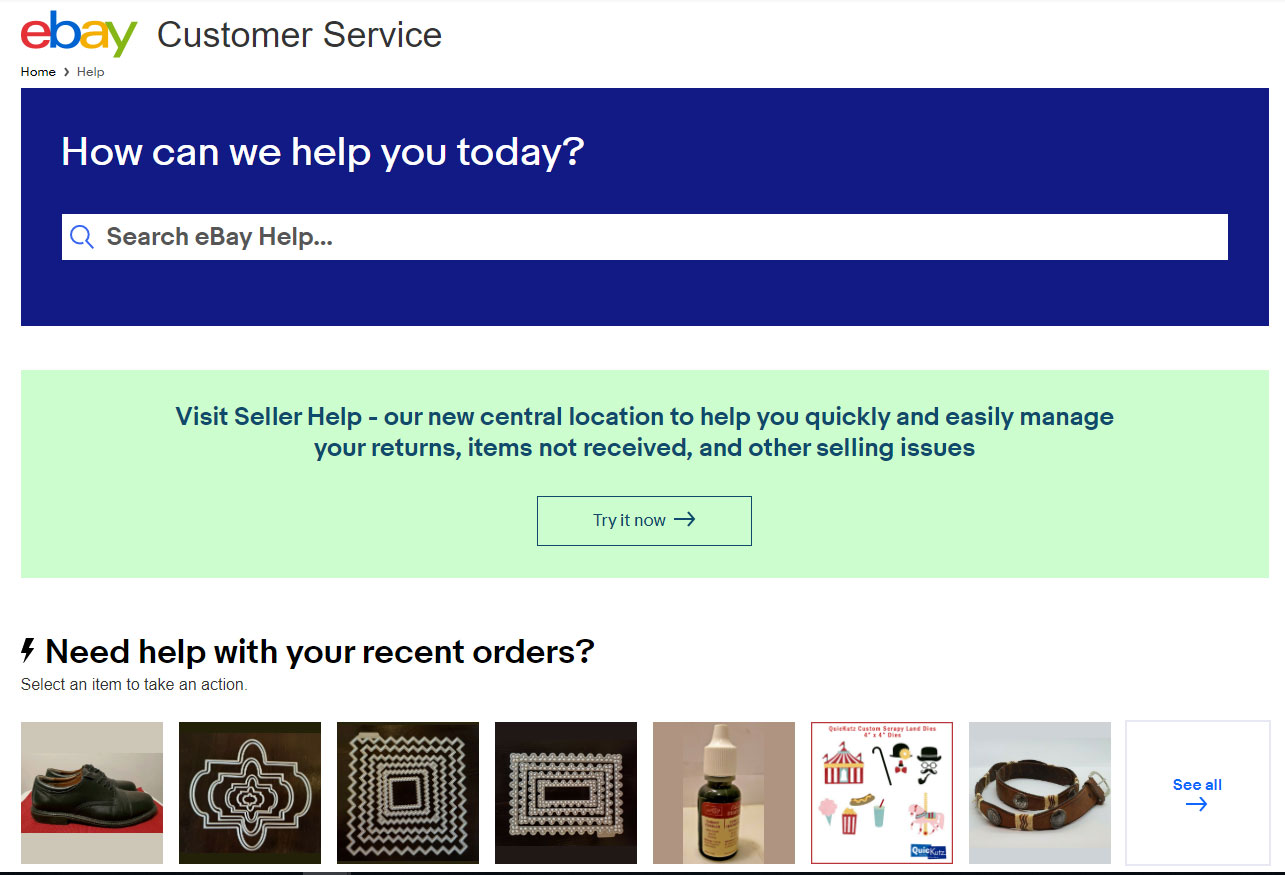
The eBay Help & Contact Page: Your First Financial Hub
Before attempting direct contact, eBay’s “Help & Contact” page (accessible via the website or app) is an invaluable first stop, especially for financial inquiries.
- Emphasize Searching for Articles Related to Specific Financial Issues: The robust knowledge base often contains answers to common financial questions, such as “refund policy,” “payment disputes,” “seller fees,” or “payout schedules.” These articles can provide immediate clarity and often guide you on the self-service steps you can take.
- Using the Guided Solutions Tool for Common Problems: For many standard issues (e.g., “item not received” or “buyer hasn’t paid”), eBay provides guided flows within the Help section that direct you to the appropriate resolution center tool or even generate a contact option if self-service isn’t sufficient. This is often the quickest path to initiate a financial claim.
Direct Contact Methods for Complex Financial Cases
When self-service isn’t enough, or your financial issue is complex, direct interaction with a customer service representative becomes necessary.
- Live Chat: Often the quickest for real-time resolution of simple-to-moderate financial queries. This is ideal for checking the status of a refund, clarifying a specific fee on your invoice, or getting immediate guidance on starting a dispute. The text-based format also allows for easy reference to transaction IDs or account details.
- Phone Support: This is typically the best option for intricate financial disputes, account security breaches, or situations requiring a detailed explanation that’s difficult to convey in writing. To find the phone number, you usually need to navigate through the “Help & Contact” page, select your specific issue, and if a call is recommended, the number and a one-time passcode will be provided. Optimal calling times are often during off-peak hours (early morning or late evening) to minimize wait times.
- Email/Message Center: For non-urgent financial inquiries where documentation (screenshots, detailed transaction logs) might be needed, or when you prefer a written record of communication. Response times can vary, so this isn’t suitable for time-sensitive financial emergencies. You can usually access the message center after going through the guided help flow and selecting a “message us” option.
- Social Media (Less Direct, but can be effective): While not ideal for sensitive financial data, reaching out to eBay’s official social media channels (e.g., Twitter, Facebook) can sometimes yield a quick response for general inquiries or to publicly escalate an issue that hasn’t been resolved through other channels. Be cautious not to share personal financial details publicly.
Best Practices for Efficient Financial Problem Solving with eBay
When contacting customer service about a financial matter, your preparation and approach can significantly impact the speed and success of the resolution. Think of it as presenting a financial case.
Prepare Your Financial Documentation
This is perhaps the most crucial step. Having all relevant information at your fingertips saves time and strengthens your position.
- Order Numbers, Transaction IDs, Payment Screenshots: These are the unique identifiers that allow customer service to locate your specific transaction quickly.
- Communication Logs with Buyers/Sellers: If the financial issue arose from a dispute, having a documented history of messages exchanged can provide context and evidence.
- Photos of Items (If Dispute Involves Condition): For “item not as described” claims, visual proof is invaluable for substantiating your financial loss due to a misrepresented item.
- Account Details, Payment Method Used: Have your user ID, the last four digits of the payment card used, or bank account details readily available for verification and investigation.
Clearly State Your Financial Issue
Be precise and objective in your communication.
- Be Concise, Objective, and Focus on the Financial Impact: Avoid emotional language. Stick to the facts: what happened, when it happened, and what the financial consequence is.
- What is the Specific Financial Outcome You Are Seeking? Do you want a full refund, a partial refund, a fee credited, a payment released, or a fraudulent charge reversed? Clearly state your desired resolution. For example, “I need a full refund of $150 for item X, transaction ID Y, because it was never delivered,” or “My payout for listing Z is incorrect by $25; I believe a fee was applied in error.”
Understand eBay’s Policies and Protections
Knowledge is power, especially when your money is on the line.
- Knowledge of eBay Money Back Guarantee, Seller Protection, Payment Policies: Before contacting support, familiarize yourself with the relevant eBay policies. This helps you understand your rights and responsibilities, and you can frame your argument in line with eBay’s own rules.
- Don’t Approach Customer Service Blindly; Having Policy Knowledge Strengthens Your Position: If you can cite a specific policy (e.g., “According to eBay’s Money Back Guarantee, I am entitled to a refund because the item was not received”), your argument will be more compelling.
Persistence and Escalation
Not all financial issues are resolved in a single interaction.
- If Initial Contact Doesn’t Resolve the Financial Issue, Don’t Hesitate to Follow Up: If you haven’t heard back or the resolution is unsatisfactory, follow up politely but firmly.
- Requesting a Supervisor for Complex or High-Value Financial Disputes: If a representative is unable to help, or the financial stakes are significant, ask to speak with a supervisor who may have more authority or expertise to resolve the matter.
- Documenting All Interactions: Keep records of who you spoke with, the date and time, a summary of the conversation, and any case numbers provided. This documentation is invaluable if further escalation or external dispute resolution becomes necessary.
Beyond Customer Service: Proactive Financial Management on eBay
While knowing how to contact customer service is crucial for reactive problem-solving, proactive measures can significantly reduce the likelihood of financial complications in the first place.
Regular Account Monitoring
Vigilance is key to protecting your financial interests.
- Checking Transaction History, Payment Statements, and Seller Reports: Regularly review your buying and selling activity to spot any discrepancies or unauthorized transactions early.
- Setting Up Alerts for Suspicious Activity: Utilize any available security features, such as two-factor authentication and login alerts, to be notified of unusual access attempts.
Utilizing eBay’s Resolution Center
For many buyer-seller disputes, the Resolution Center is the designated first step, often resolving financial issues without direct customer service intervention.
- For Buyer-Seller Disputes Before Involving Customer Service: If you haven’t received an item or a buyer hasn’t paid, or there’s a dispute about an item’s condition, the Resolution Center guides both parties through a structured process to reach a resolution, which is critical for financial recovery.
- This is Crucial for Financial Recovery: Initiating a case here within the stipulated timeframes is often a prerequisite for escalating to eBay customer service, and it protects your eligibility for the Money Back Guarantee or Seller Protection.
Secure Payment Practices
Protecting your payment information is paramount for preventing financial fraud.
- Only Using eBay-Approved Payment Methods: Stick to the payment methods integrated within the eBay platform, as these generally offer greater buyer and seller protection.
- Being Wary of Off-Platform Transactions: Never complete transactions or share financial details outside of eBay, as this voids any protection offered by the platform and leaves you vulnerable to scams.

Understanding Fees and Payout Schedules
Knowledge of how eBay operates financially helps manage expectations and avoid disputes.
- Regularly Reviewing eBay’s Fee Structure: Fees can change, and understanding how they apply to your listings and sales prevents billing surprises that impact your profit margins.
- Understanding How Payouts Work to Avoid Surprises: Familiarize yourself with the managed payments system, including when funds are released and transferred to your bank account, to ensure predictable cash flow for your online business.
In the bustling world of eBay, effective communication with customer service is more than just a convenience; it’s a vital tool for safeguarding your financial transactions, protecting your online income, and ensuring a secure and profitable experience. By preparing thoroughly, choosing the right contact method, and understanding the financial implications of your issues, you empower yourself to navigate challenges and maintain financial peace of mind on the platform.
aViewFromTheCave is a participant in the Amazon Services LLC Associates Program, an affiliate advertising program designed to provide a means for sites to earn advertising fees by advertising and linking to Amazon.com. Amazon, the Amazon logo, AmazonSupply, and the AmazonSupply logo are trademarks of Amazon.com, Inc. or its affiliates. As an Amazon Associate we earn affiliate commissions from qualifying purchases.