
Canceling a credit card, especially one from an institution like Credit One Bank, is a significant financial decision that requires careful consideration and a systematic approach. While the process itself might seem straightforward, understanding the potential impacts on your financial health, particularly your credit score, and following the correct steps is paramount. This article serves as a comprehensive guide for those looking to close their Credit One Bank credit card account, offering insights into the financial implications and a step-by-step roadmap to ensure a smooth cancellation process.
Understanding the Implications Before You Cancel
Before you make the final decision to cancel your Credit One Bank credit card, it’s crucial to grasp the potential repercussions. A credit card isn’t just a piece of plastic; it’s a component of your financial history and credit profile. Closing an account, particularly an older one, can have a ripple effect that might not always be immediately apparent.

Impact on Your Credit Score
Your credit score is a numerical representation of your creditworthiness, a vital figure lenders use to assess your risk. Closing a credit card can influence this score in several ways:
- Credit Utilization Ratio: This ratio compares your total outstanding credit card balances to your total available credit. When you close an account, you reduce your total available credit. If your balances remain the same, your credit utilization ratio will increase. A higher utilization ratio (typically above 30%) is seen as a risk factor and can negatively impact your score. For example, if you have two cards with a $2,000 limit each and carry a $1,000 balance on one, your utilization is 25% ($1,000 / $4,000). If you close the unused card, your available credit drops to $2,000, and your utilization jumps to 50% ($1,000 / $2,000), likely hurting your score.
- Length of Credit History: The average age of your credit accounts is a factor in calculating your credit score. If the Credit One card is one of your oldest accounts, closing it could shorten your overall credit history, especially if you have many newer accounts. A longer credit history generally indicates more experience managing credit responsibly, which can benefit your score.
- Number of Accounts: While not as impactful as utilization or history, having a reasonable number of open, active accounts in good standing can demonstrate your ability to manage multiple credit lines. Closing an account reduces this number.
For these reasons, it’s often advisable to keep older accounts open, even if you use them sparingly, to preserve your credit history and available credit.
Outstanding Balances and Fees
One of the most critical preparatory steps is to ensure your card balance is zero before initiating the cancellation. Any outstanding balance on a closed account will still accrue interest and is subject to the card’s terms and conditions. Furthermore, Credit One Bank cards often come with annual fees, which can be prorated or charged in full depending on your cardholder agreement and the timing of your cancellation. Verify if any annual fees are pending or if a partial refund is possible upon cancellation. Other potential fees could include late payment fees if you’ve missed recent payments, or even deferred interest if you’ve been utilizing a promotional offer that requires full payment by a certain date. Always settle all financial obligations with the bank to avoid complications and negative marks on your credit report.
Rewards and Benefits Forfeiture
If your Credit One Bank credit card offers any form of rewards (e.g., cashback, points), you will almost certainly forfeit any unredeemed rewards upon account closure. Most card issuers require you to redeem all accumulated rewards before closing your account. Take the time to check your rewards balance and redeem them for their full value before contacting Credit One. Additionally, many credit cards offer supplementary benefits such as purchase protection, extended warranties, travel insurance, or rental car insurance. These benefits will cease immediately upon account cancellation. Assess if you utilize any of these perks and how their loss might impact your future spending or lifestyle.
Alternative Solutions to Cancellation
Before committing to cancellation, explore if there are viable alternatives that might better serve your financial goals while preserving your credit health.
- Downgrading: Some banks allow you to downgrade your credit card to a version with no annual fee or fewer benefits. While Credit One Bank has a more limited range of products, it’s worth inquiring if such an option exists, especially if the annual fee is your primary concern. This can help you maintain your credit line and history without the burden of fees.
- Negotiation: If you’re considering cancellation due to high interest rates or fees, try calling Credit One Bank’s customer service to negotiate. Sometimes, they may offer a reduced annual fee, a lower interest rate, or other incentives to keep you as a customer, especially if you have a good payment history.
- Strategic Use: If your main concern is reducing credit utilization, consider making small, infrequent purchases on the card and paying them off immediately. This keeps the account active, contributes to your payment history, and preserves your available credit without incurring debt.
Step-by-Step Guide to Canceling Your Credit One Bank Card
Once you’ve weighed the pros and cons and decided that cancellation is the right move for you, following a structured process will ensure the closure is handled efficiently and correctly.
Preparing for Cancellation: Pay Down Your Balance
This is the most critical preparatory step. Ensure your Credit One Bank credit card has a zero balance. This means paying off every single penny, including any pending interest or fees that haven’t yet posted to your account. Allow ample time for your final payment to clear and post to your account, typically a few business days. A common strategy is to pay off the balance, then make one very small purchase (e.g., a $1 coffee) that you immediately pay off. This ensures that the balance is precisely zero after all charges, even minor recurring ones, have posted and cleared. Do not initiate the cancellation process with a remaining balance, as this complicates matters and could lead to continued interest charges and negative credit reporting.
Gathering Necessary Information
Before you call Credit One Bank, have all your account information readily available. This typically includes:
- Your full credit card number.
- Your Credit One Bank account number.
- Your Social Security Number (SSN) or other personal identification details.
- Your current billing address and phone number.
- Any recent statements or correspondence from the bank.
Having these details on hand will streamline the verification process and allow you to quickly answer any security questions the representative may ask.
Contacting Credit One Bank
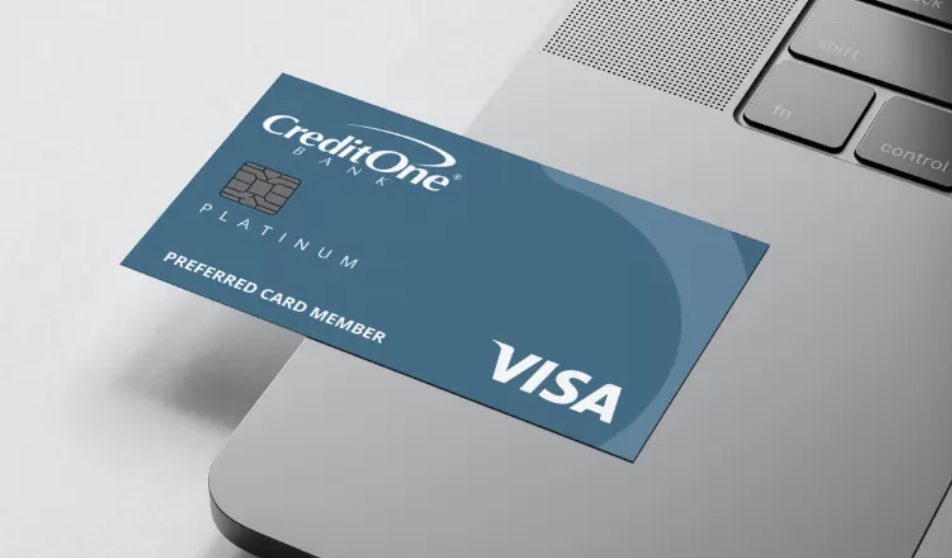
The most effective and usually the only way to cancel a Credit One Bank credit card is by phone. There is generally no option to cancel online or via mail for security and verification reasons.
- Find the Customer Service Number: Look for the customer service number on the back of your credit card, on your monthly statement, or on the official Credit One Bank website.
- Be Prepared for a Call: Be ready to speak directly with a customer service representative. The conversation may involve a transfer to a retention specialist.
- State Your Intention Clearly: When you connect with a representative, clearly state your intention to close your credit card account. For example, “I would like to close my Credit One Bank credit card account number [your account number].”
What to Expect During the Call
Credit card companies, including Credit One Bank, often employ retention specialists trained to dissuade customers from closing their accounts. Be prepared for:
- Retention Offers: The representative might inquire about your reasons for cancellation and offer incentives to keep your account open, such as a lower annual fee, a temporary interest rate reduction, or special promotions. Be polite but firm if you are resolute in your decision to cancel.
- Confirmation of Balance: The representative will likely confirm your current balance. If it’s not zero, they will instruct you on how to pay it off before proceeding with cancellation.
- Verification: You’ll be asked to verify your identity using the information you gathered earlier.
- Request for Written Confirmation: During the call, explicitly request a written or email confirmation that your account has been closed and that the balance is zero. Note down the date and time of your call, as well as the name or ID number of the representative you spoke with. This documentation is crucial for your records.
Confirming Your Cancellation
After the call, don’t assume the process is complete. Follow up to confirm the closure:
- Wait for Written Confirmation: Allow a reasonable amount of time (e.g., 7-10 business days) for the bank to send the written confirmation you requested. If you don’t receive it, call them again.
- Check Your Online Account: If you have online access, check your account status. It should eventually show as “closed” or “inactive.”
- Monitor Your Credit Report: Within one to two billing cycles, your credit report should reflect the account as “closed by cardholder” with a zero balance. We’ll discuss this further in the next section.
Post-Cancellation Best Practices
The cancellation process doesn’t end with the phone call. Proactive measures are necessary to ensure the account is properly closed and to protect your financial health.
Monitoring Your Credit Report
This is a critical step. Obtain a copy of your credit report from all three major credit bureaus (Equifax, Experian, TransUnion) approximately 30-60 days after you’ve closed the account. You can do this for free annually at AnnualCreditReport.com. Verify the following:
- Account Status: Ensure the Credit One Bank credit card account is reported as “closed by cardholder” and not “closed by issuer,” which could negatively affect your credit score.
- Zero Balance: Confirm that the balance is reported as $0.
- No Unexpected Activity: Check for any unauthorized activity or charges that may have occurred after your cancellation request.
If you find any discrepancies, immediately contact Credit One Bank and the respective credit bureau to dispute the inaccurate information.
Documenting Your Cancellation
Keep all records pertaining to the cancellation: the date and time of your call, the representative’s name, any reference numbers provided, and especially the written or email confirmation from Credit One Bank. Store these documents in a safe place. This documentation serves as proof in case of any future disputes, billing errors, or issues with your credit report. It’s your safeguard against potential financial headaches.
Safely Disposing of Your Card
Once the account is definitively closed and you have received confirmation, safely dispose of the physical credit card. Do not simply throw it away. Cut the card into multiple pieces, ensuring that the account number, your name, the security code (CVV), and especially the EMV chip and magnetic stripe are thoroughly destroyed. A cross-cut shredder is ideal for this. This prevents anyone from potentially using the card information for fraudulent purposes, even if the account is closed.
When is the Right Time to Cancel a Credit Card?
While the impact on your credit score is a significant factor, there are valid personal finance reasons why canceling a credit card, even an older one, might be the right decision for you.
Consolidating Debt or Simplifying Finances
If you have multiple credit cards and find it challenging to manage them all, leading to missed payments or confusion, closing some accounts can simplify your financial life. This is especially true if you are actively working to consolidate debt into a single, lower-interest loan. Reducing the number of open credit lines can help you focus your efforts and streamline your payment process, ultimately reducing stress and the likelihood of financial errors.
High Annual Fees with No Value
Credit One Bank cards are known for often carrying annual fees, sometimes even for cards designed for building credit. If the annual fee outweighs any benefits or rewards you receive from the card, or if you simply no longer use the card frequently enough to justify the cost, canceling it makes sound financial sense. Why pay for something you don’t use or that doesn’t provide sufficient value? This is a purely cost-benefit financial analysis.
Avoiding Overspending
For some individuals, having an open credit card account, particularly one with a high limit, can be a constant temptation to overspend. If you struggle with impulse purchases or find yourself frequently carrying a balance on a particular card due to lack of self-control, closing that account can be a powerful step towards responsible spending and getting your finances in order. This aligns with a broader personal finance goal of living within your means.

Experiencing Financial Hardship
If you are facing significant financial hardship and can no longer afford the payments, annual fees, or simply need to reduce your financial obligations, canceling a credit card can be a necessary step. In such situations, it’s often more beneficial to stop the bleeding and prevent further accumulation of debt, even if it means a temporary dip in your credit score. In severe cases, seeking advice from a non-profit credit counseling agency might also be prudent before making such decisions.
Canceling your Credit One Bank credit card is a manageable task when approached methodically. By understanding the financial implications, meticulously following the cancellation steps, and engaging in post-cancellation monitoring, you can ensure a smooth transition while safeguarding your credit health and achieving your personal finance goals. Remember, every financial decision has consequences, and informed choices are always the best choices.
aViewFromTheCave is a participant in the Amazon Services LLC Associates Program, an affiliate advertising program designed to provide a means for sites to earn advertising fees by advertising and linking to Amazon.com. Amazon, the Amazon logo, AmazonSupply, and the AmazonSupply logo are trademarks of Amazon.com, Inc. or its affiliates. As an Amazon Associate we earn affiliate commissions from qualifying purchases.