
Navigating the complex world of airfare pricing can feel like a daunting task, often leaving travelers wondering if they’ve truly secured the best deal. For the savvy personal finance enthusiast, however, purchasing airline tickets isn’t just about getting from point A to point B; it’s a critical component of budget management and optimizing travel investment. In an era where travel is a significant discretionary expense for many, understanding the financial dynamics behind airline tickets and employing strategic buying tactics can lead to substantial savings, freeing up capital for other investments or experiences. This guide delves into the financial intricacies of airline pricing and offers actionable strategies to consistently find the most cost-effective airfare, transforming you from a passive consumer into an empowered financial decision-maker in the travel market.
Deconstructing Airline Pricing: A Financial Landscape
To effectively buy the cheapest airline tickets, one must first understand the sophisticated financial models and market forces that dictate their prices. Airlines operate with highly dynamic pricing strategies, constantly adjusting fares based on a multitude of variables that impact their profitability. Recognizing these underlying mechanisms is the first step toward strategically leveraging them for personal financial gain.
The Dynamic Nature of Airfare Algorithms
At the heart of airline pricing lies a complex web of algorithms driven by yield management principles. These sophisticated systems analyze vast amounts of data in real-time, including historical booking patterns, competitor pricing, seat availability, booking curves, and even weather forecasts. Airlines aim to maximize revenue by selling the right seat to the right customer at the right time for the right price. This means that two passengers on the same flight could have paid vastly different amounts for their tickets, a direct result of these algorithms dynamically adjusting prices to optimize profit margins. For consumers, this implies that prices are rarely static, necessitating active monitoring and strategic timing rather than hoping for a fixed, low price. Understanding this variability empowers you to seek out windows of opportunity rather than falling prey to peak pricing.
Supply, Demand, and Seasonality’s Impact on Cost
Like any other commodity, airline tickets are heavily influenced by the fundamental economic principles of supply and demand. High demand periods, such as major holidays (e.g., Christmas, New Year’s, Easter), summer vacations, or large-scale events, inevitably lead to higher prices as airlines capitalize on travelers’ willingness to pay a premium. Conversely, during off-peak or “shoulder” seasons, when demand naturally dips, airlines often lower fares to stimulate bookings and fill seats, reflecting a financial incentive to maintain capacity utilization. Furthermore, the supply of available seats on a particular route directly impacts pricing; fewer seats on a popular route will drive prices up. Recognizing these seasonal and demand-driven fluctuations allows travelers to forecast potential price movements and plan their journeys during periods that offer a more favorable financial exchange.
The Hidden Costs: Ancillary Fees and Your Budget
While a ticket might appear cheap, airlines have mastered the art of ancillary revenue – charges for services beyond the basic transport from point A to point B. These include fees for checked baggage, carry-on bags that exceed certain dimensions, seat selection, in-flight meals, priority boarding, and even printing boarding passes at the airport. From a financial planning perspective, it’s crucial to calculate the true cost of your flight by factoring in all potential ancillary fees. A seemingly low base fare from a budget airline could quickly become more expensive than a full-service carrier’s ticket once these add-ons are included. Savvy travelers meticulously review airline fee structures, pack strategically to avoid baggage charges, or opt for airlines that include more services in their base fare, thereby preventing unexpected drains on their travel budget.
Strategic Booking: Optimizing Your Investment Timing
Timing is paramount when it comes to purchasing airline tickets. Much like investing in the stock market, understanding market cycles and knowing when to act can significantly impact your financial outcome. Strategic booking involves more than just picking a date; it’s about leveraging market patterns and technological tools to secure the best possible price.
The Goldilocks Window for Optimal Booking
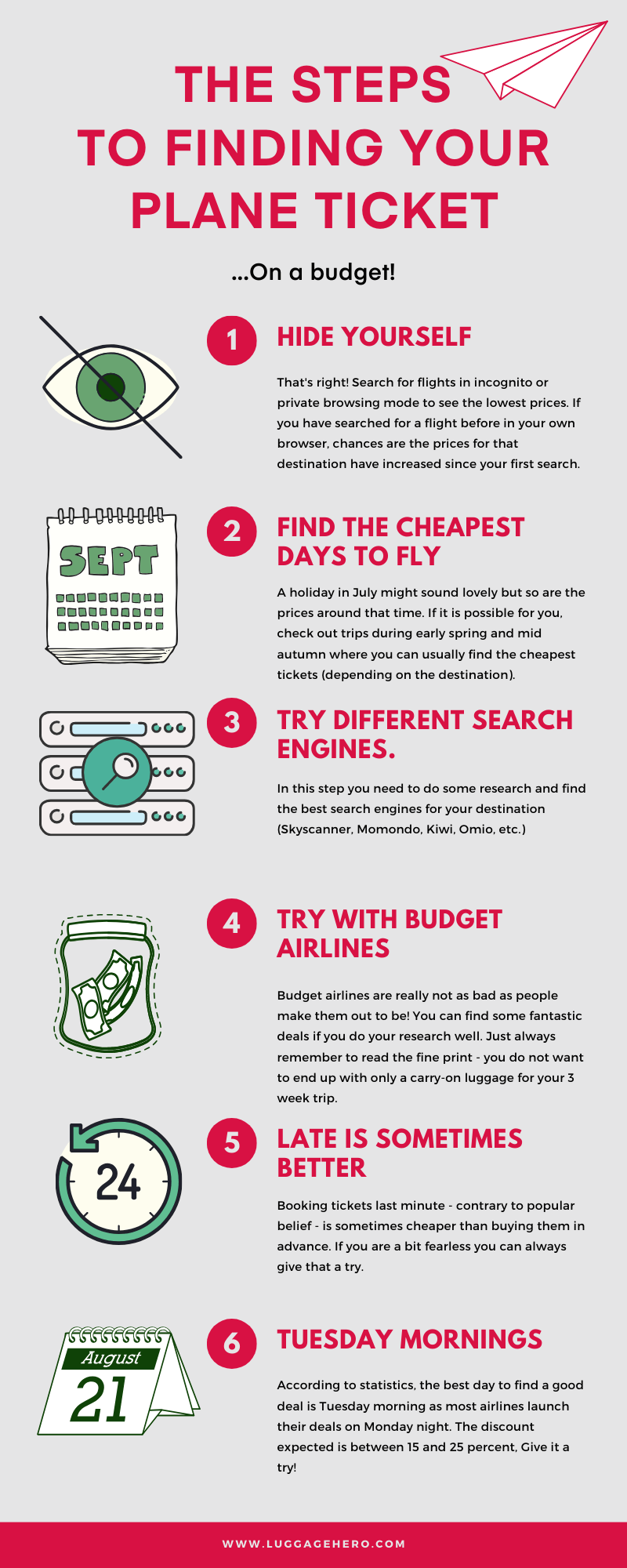
There exists a “Goldilocks window” – a sweet spot where ticket prices are typically at their lowest before they start to climb as the departure date approaches. For domestic flights, this window is generally 1 to 3 months out. For international travel, it often extends to 2 to 6 months in advance. Booking too early can be financially detrimental as airlines may not yet have finalized their lowest fare buckets, or they might offer early-bird sales closer to the departure date. Conversely, booking too late almost guarantees higher prices, as airlines anticipate a higher willingness to pay from last-minute business travelers or those with inflexible plans. By understanding and aiming for this optimal booking period, travelers can strategically time their purchases, effectively making a more financially sound investment in their travel plans.
The Financial Advantage of Flexible Travel Dates and Times
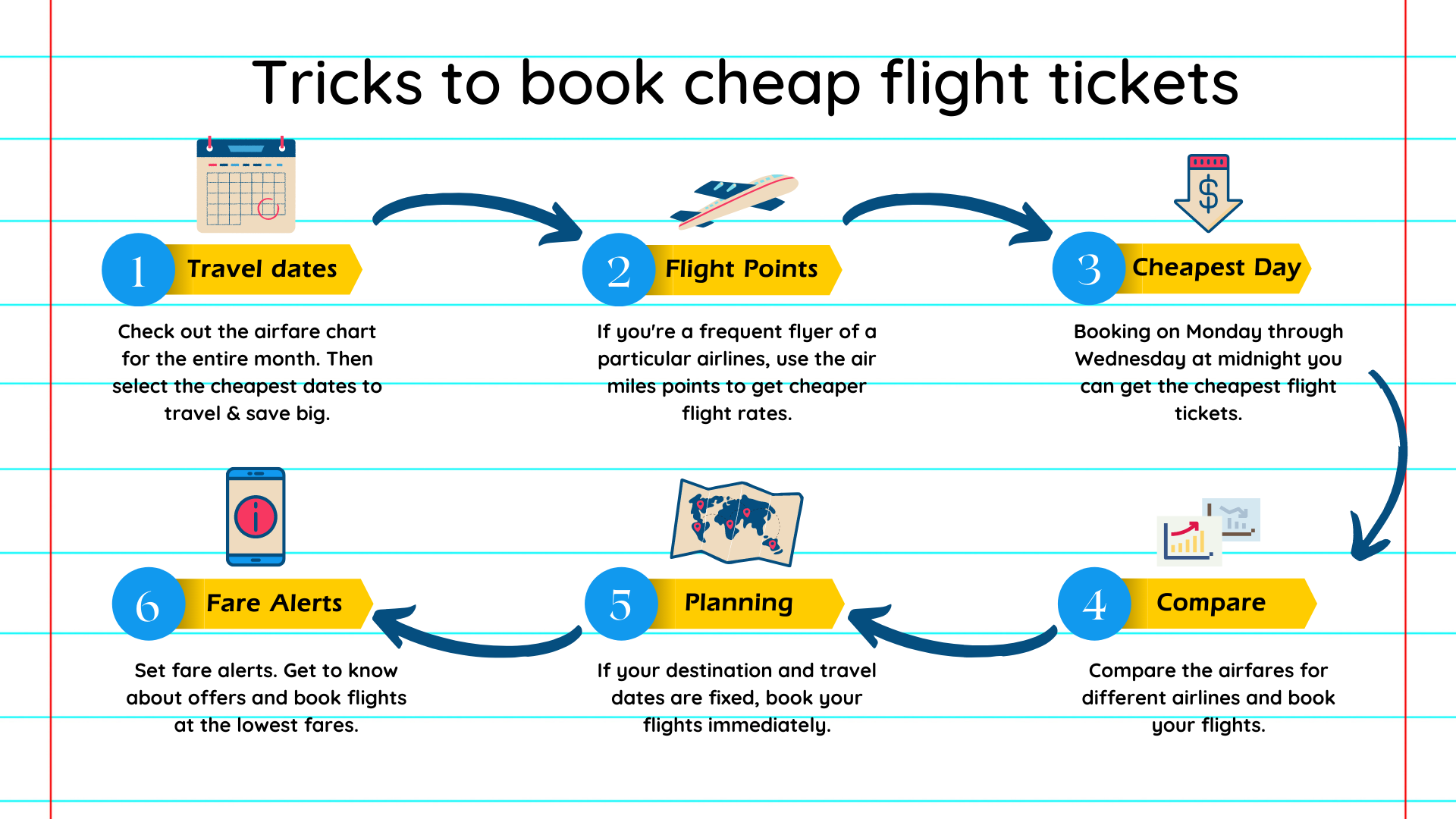
One of the most powerful tools in a cost-conscious traveler’s arsenal is flexibility. Being adaptable with your travel dates and times can unlock significant savings. Flights during the middle of the week (Tuesdays, Wednesdays, and Thursdays) are consistently cheaper than those on peak travel days like Fridays, Sundays, and Mondays, due to lower demand. Similarly, early morning “red-eye” flights or late-night departures often come with a lower price tag. Furthermore, choosing to travel during the “shoulder seasons” – the periods just before or after peak season – can offer the best of both worlds: good weather and significantly reduced airfares and accommodation costs. This financial flexibility allows travelers to align their schedules with periods of lower market demand, translating directly into tangible monetary savings.
Leveraging Price Drop Alerts and Tracking Tools
In today’s digital age, you don’t have to manually monitor price fluctuations. Numerous online tools and services offer price drop alerts, acting as a passive financial monitoring system for your desired routes. Websites like Google Flights, Skyscanner, Kayak, and Hopper allow users to set up alerts that notify them via email or push notification when the price for a specific flight or route drops. This effectively automates the process of finding a deal, ensuring that you are instantly aware of optimal buying opportunities without constant personal vigilance. By letting technology do the heavy lifting of market surveillance, you can act decisively when prices hit your desired financial threshold, preventing overspending and securing an advantageous position.
Smart Search Techniques and Comparison Tools for Maximum Savings
The internet provides an unparalleled advantage for finding cheap flights, but knowing how to use these resources effectively is key. Smart search techniques go beyond a simple search query, leveraging comparison tools and understanding different airline models to unearth the best value.
Mastering Flight Comparison Websites and Aggregators
Flight comparison websites and aggregators are indispensable tools for any budget-conscious traveler. Platforms like Google Flights, Skyscanner, Kayak, and Momondo scour hundreds of airlines and online travel agencies (OTAs) to present you with a comprehensive overview of available fares. They allow for flexible date searches, “anywhere” destinations, and multi-city itineraries, enabling users to identify the cheapest options across various parameters. A crucial tip often shared by seasoned travelers is to search for flights in “incognito” or “private browsing” mode. While airlines and booking sites deny using cookies for dynamic pricing based on your search history, anecdotal evidence suggests that repeated searches for the same route can sometimes lead to price increases. Using incognito mode helps to mitigate this potential effect, ensuring you’re always viewing the freshest, uninfluenced prices.
Exploring Alternative Airports and Indirect Routes
Thinking outside the box regarding your departure and arrival points can unlock significant savings. Major international airports often come with higher landing fees and increased demand, which translate into higher ticket prices. Searching for flights to or from smaller, regional airports near your primary destination can often yield substantially cheaper fares. Similarly, opting for flights with layovers rather than direct routes can drastically reduce costs, especially for international travel. While an indirect route might add to your travel time, the financial trade-off can be considerable, making it a viable option for those prioritizing savings over speed. These alternative strategies require a bit more research but can result in a more efficient allocation of your travel budget.
Understanding and Utilizing Budget Airlines Effectively
Budget airlines, such as Ryanair, EasyJet, Southwest, and Spirit, have revolutionized air travel by offering significantly lower base fares. Their business model hinges on charging for every conceivable add-on, from checked bags to seat selection and even printing a boarding pass. For the financially savvy traveler, these airlines can represent excellent value, provided you understand their system. The key is to travel light, often with just a personal item or a small carry-on that fits their strict dimensions, and to pre-book any necessary extras online well in advance, as airport charges are typically much higher. Before booking, meticulously calculate the total cost including any mandatory fees to ensure that the budget airline’s final price remains cheaper than a full-service carrier. This informed approach allows you to leverage their low base fares without succumbing to unexpected surcharges.
Advanced Strategies: Earning, Redeeming, and Creative Itineraries
For those committed to maximizing their travel budget, advanced strategies move beyond basic booking tactics into the realm of financial optimization through loyalty programs, strategic credit card use, and innovative itinerary planning. These methods require a slightly deeper dive but offer substantial rewards.
Harnessing Travel Rewards: Credit Cards and Loyalty Programs
Loyalty programs and travel-focused credit cards are powerful financial instruments for reducing airfare costs. By accumulating points or miles through everyday spending or lucrative sign-up bonuses, travelers can effectively defer or eliminate the direct cash outlay for flights. Many co-branded airline credit cards offer perks like free checked bags, priority boarding, and access to exclusive sales, which further enhance savings. The key is to use these cards responsibly, paying off balances in full each month to avoid interest charges that would negate any travel rewards. Understanding the redemption values of various programs and strategically timing credit card applications to align with travel goals can turn regular expenses into valuable travel currency, acting as a direct discount on future airfare.
Unlocking Savings with Open-Jaw and Multi-City Flights
Traditional round-trip tickets are not always the most economical option. “Open-jaw” and “multi-city” flights can sometimes offer surprising savings, especially for international travel. An open-jaw ticket allows you to fly into one city and depart from another, which can be particularly useful if you plan to travel overland between two destinations. Multi-city options enable you to book several flight segments within a single itinerary, which can be cheaper than booking a series of one-way tickets. These creative routing strategies require a bit more thought and often involve using the “multi-city” search function on comparison websites. By intelligently designing your itinerary to break traditional round-trip molds, you can uncover arbitrage opportunities within the airline pricing system, leading to a more financially efficient journey.
Capitalizing on Error Fares and Flash Sales
While rare, “error fares” and spontaneous “flash sales” represent significant financial windfalls for the alert traveler. Error fares occur when an airline or online travel agency mistakenly publishes an incorrect, usually very low, price. These are often fleeting and quickly corrected, requiring rapid action. Flash sales, on the other hand, are intentional but limited-time promotions for specific routes, often announced with little notice. Subscribing to deal alert newsletters (like Scott’s Cheap Flights or The Flight Deal) and following travel bloggers on social media can keep you informed about these opportunities. While you can’t rely on them for every trip, being prepared to act swiftly when such an opportunity arises can lead to extraordinary savings, akin to finding a deeply undervalued asset in the financial markets.

The Value Proposition of Flight & Accommodation Bundles
For some travelers, bundling flights and accommodation through package deals can offer a superior value proposition compared to booking each component separately. Online travel agencies (OTAs) often negotiate wholesale rates with airlines and hotels, allowing them to offer discounted packages. While not always the cheapest option for flights alone, the combined savings on the overall trip can be substantial. This strategy is particularly effective for those seeking an all-inclusive or fixed-price vacation experience. It simplifies budgeting and can provide peace of mind that all major expenses are covered, making it a financially prudent choice for certain travel styles. Thorough comparison, however, is still crucial to ensure the bundled price truly offers a better deal than individual bookings.
Purchasing the cheapest airline tickets is an art form that blends market understanding, strategic timing, and the intelligent use of available tools. By approaching airfare acquisition from a financial perspective – analyzing pricing dynamics, optimizing booking windows, leveraging digital resources, and employing advanced strategies – travelers can significantly reduce their travel expenses. This proactive and informed approach not only frees up valuable financial resources but also empowers individuals to make smarter, more economical decisions, transforming travel from a potential budget drain into an accessible and financially rewarding experience. The ultimate goal is not just to travel, but to travel smarter and save money, bolstering your personal finance goals with every journey.
aViewFromTheCave is a participant in the Amazon Services LLC Associates Program, an affiliate advertising program designed to provide a means for sites to earn advertising fees by advertising and linking to Amazon.com. Amazon, the Amazon logo, AmazonSupply, and the AmazonSupply logo are trademarks of Amazon.com, Inc. or its affiliates. As an Amazon Associate we earn affiliate commissions from qualifying purchases.