
The financial landscape has undergone a seismic shift since the inception of Bitcoin in 2009. Once dismissed as a fringe experiment for technologists, Bitcoin has matured into a globally recognized asset class, often referred to as “digital gold.” For the modern investor, the question is no longer “What is Bitcoin?” but rather, “How can I buy Bitcoin safely and strategically?” This guide provides a detailed roadmap for navigating the world of digital finance, ensuring that your entry into the cryptocurrency market is secure, compliant, and aligned with your broader financial goals.
1. Selecting the Right Platform: Where Your Investment Begins
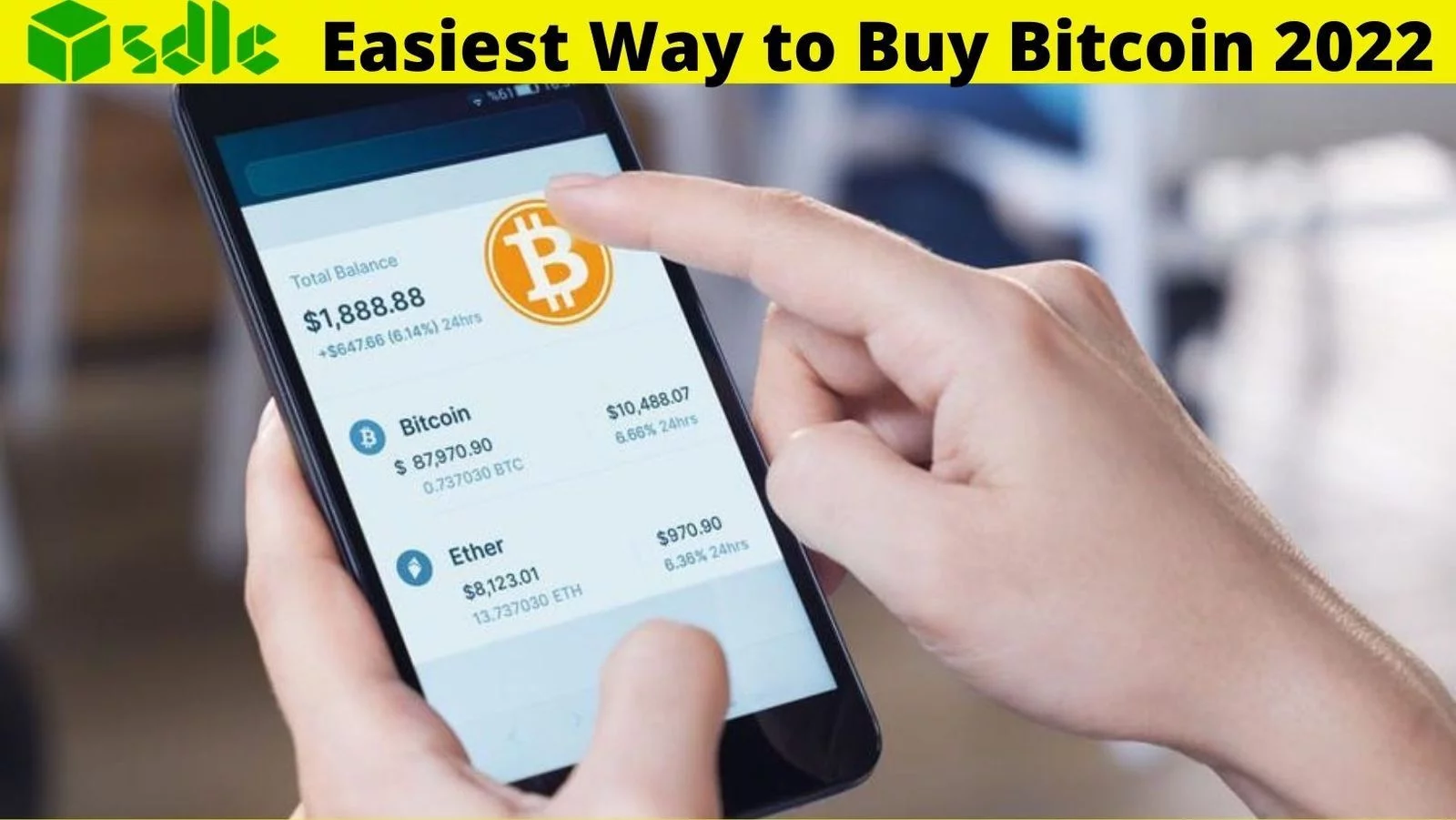
The first step in purchasing Bitcoin is choosing an intermediary. Unlike traditional stocks, which are purchased through a brokerage, Bitcoin can be acquired through several different types of platforms, each with its own fee structures and security protocols.
Centralized Cryptocurrency Exchanges (CEXs)
Centralized exchanges like Coinbase, Kraken, and Binance are the most common entry points for new investors. These platforms function similarly to a stock exchange, providing a user-friendly interface to buy, sell, and trade various digital assets. They offer high liquidity, meaning you can execute large trades quickly without significantly affecting the price. For a beginner, a CEX is often the best choice because they handle much of the technical backend, though they do require significant personal information to meet regulatory standards.
Fintech and Payment Applications
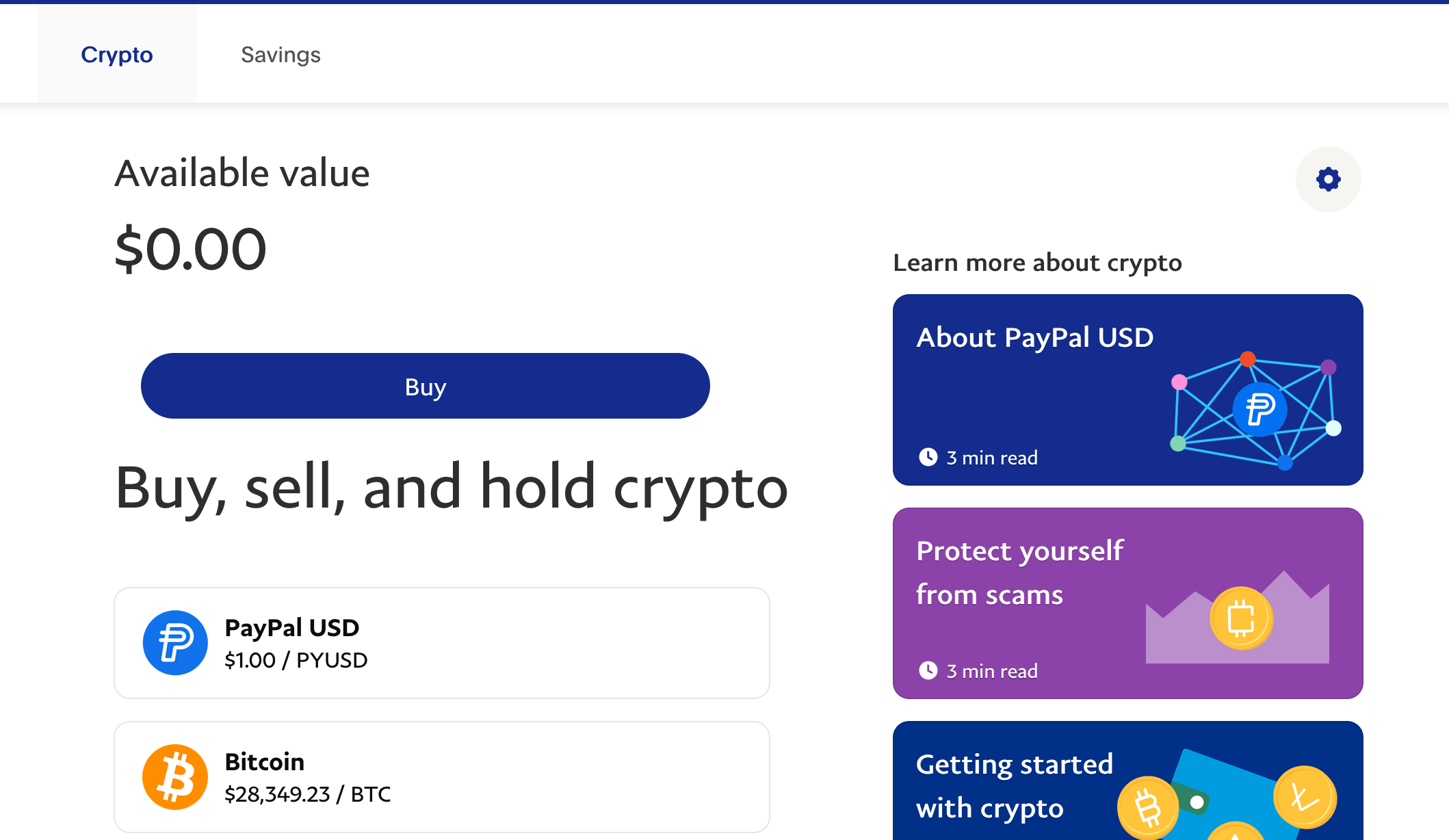
In recent years, traditional financial technology apps like PayPal, Cash App, and Venmo have integrated Bitcoin purchasing directly into their platforms. This is perhaps the easiest method for those who already use these services. However, it is important to note that some of these apps have limitations regarding “self-custody”—the ability to move your Bitcoin off their platform and into a private wallet. If your goal is long-term ownership and control, ensure the app allows for external transfers.
Traditional Brokerages
For investors who prefer to keep all their assets in one place, traditional brokerages like Robinhood or Fidelity now offer crypto trading services. This allows you to view your Bitcoin holdings alongside your 401(k) or IRA. While convenient for tax reporting and portfolio tracking, these platforms may have different fee structures compared to dedicated crypto exchanges.
2. Navigating the Onboarding Process: Compliance and Funding
Once you have selected a platform, you must go through the “onboarding” process. Because Bitcoin is a financial asset, regulated platforms must adhere to strict legal requirements to prevent fraud and money laundering.
The KYC (Know Your Customer) Protocol
Almost every reputable platform will require you to complete a KYC process. This involves providing a government-issued ID, proof of address, and sometimes a facial recognition scan. While this may feel intrusive to those drawn to Bitcoin’s privacy features, it is a critical step for institutional-grade security and ensures that your account is protected under the legal frameworks of your jurisdiction.
Funding Your Account
After your identity is verified, you need to deposit “fiat” currency (USD, EUR, etc.) into your account. Most platforms offer several methods:
- ACH Transfers: Usually free or low-cost, though it may take a few days for funds to clear.
- Wire Transfers: Best for large amounts; these are usually processed within 24 hours but come with a bank fee.
- Debit/Credit Cards: This provides the fastest way to buy, but it often carries the highest fees—sometimes upwards of 3% to 5%.
- Peer-to-Peer (P2P): Some platforms allow you to buy directly from other individuals using local payment methods, though this requires a higher level of caution to avoid scams.
Executing the Trade
Once your account is funded, you can place an order. You don’t have to buy an entire Bitcoin; you can buy “Satoshis” (the smallest unit of a Bitcoin, equal to 0.00000001 BTC). You can choose a Market Order, which buys Bitcoin instantly at the current price, or a Limit Order, which allows you to set a specific price at which you are willing to buy.
3. Security and Storage: Protecting Your Capital
In the world of personal finance, the security of your assets is paramount. Bitcoin is a bearer asset, meaning whoever holds the “private keys” (the digital password to the funds) owns the coins. This brings a level of responsibility not found in traditional banking.

Custodial vs. Non-Custodial Wallets
When you buy Bitcoin on an exchange, it is typically held in a “custodial wallet.” This means the exchange manages the security for you. While convenient, it carries “platform risk”—if the exchange is hacked or goes bankrupt, your funds could be at risk.
A “non-custodial wallet” gives you total control. You hold the private keys, and no third party can access your funds. This is often summarized by the popular industry phrase: “Not your keys, not your coins.”
Hot Wallets vs. Cold Storage
- Hot Wallets: These are software applications on your phone or computer. They are convenient for frequent trading but are connected to the internet, making them theoretically vulnerable to malware.
- Cold Storage (Hardware Wallets): For significant investments, cold storage is the gold standard. Devices like Ledger or Trezor store your private keys offline on a physical device. Because they are never connected to the internet except during a transaction, they are virtually immune to remote hacking attempts.
Managing Seed Phrases
When you set up a private wallet, you are given a 12-to-24-word “seed phrase.” This phrase is the master key to your funds. If you lose it, your Bitcoin is gone forever. Professional investors often store these phrases on titanium plates or in secure safe-deposit boxes, emphasizing that digital wealth requires physical security measures.
4. Investment Strategies and Risk Management
Buying Bitcoin is only half the journey; managing the investment is where long-term wealth is built. Given Bitcoin’s historical volatility, a disciplined financial strategy is essential.
Dollar-Cost Averaging (DCA)
One of the most effective ways to mitigate the risk of price swings is Dollar-Cost Averaging. Instead of investing a lump sum all at once, you invest a fixed amount of money at regular intervals (e.g., $100 every month). This strategy lowers the emotional stress of market timing and often results in a lower average purchase price over the long term, as you buy more when prices are low and less when prices are high.
Portfolio Allocation and Diversification
While Bitcoin has shown massive historical returns, it remains a high-risk asset compared to bonds or blue-chip stocks. Most financial advisors recommend a small allocation—typically 1% to 5% of a total portfolio—to Bitcoin. This provides exposure to the “upside” of digital assets without jeopardizing your overall financial stability should the market experience a significant drawdown.
Understanding Market Cycles
Bitcoin tends to move in four-year cycles, largely influenced by an event called “The Halving,” which reduces the rate at which new Bitcoins are created. Understanding these cycles can help investors maintain a long-term perspective, preventing “panic selling” during the inevitable 20% to 50% corrections that have historically occurred even during bull markets.
5. Tax Obligations and Regulatory Compliance
As Bitcoin has integrated into the global financial system, tax authorities have become increasingly sophisticated in tracking digital asset transactions. In the eyes of the IRS and many other global tax bodies, Bitcoin is treated as property, not currency.
Capital Gains Tax
Every time you sell Bitcoin for a profit, or even use it to purchase a good or service, it is considered a “taxable event.” If you held the Bitcoin for more than a year before selling, you are typically taxed at the lower long-term capital gains rate. If held for less than a year, it is taxed as ordinary income. Keeping meticulous records of your “cost basis” (the price at which you bought) is vital for accurate reporting.
Reporting Requirements
Most major exchanges now issue tax forms (such as the 1099-B or 1099-MISC in the US) to both the investor and the tax authorities. However, if you move funds between different wallets or use decentralized platforms, the burden of record-keeping falls entirely on you. Using specialized crypto-tax software can help automate this process by syncing with your wallets and exchanges to calculate your liabilities.
The Evolving Regulatory Landscape
The “Money” aspect of Bitcoin is heavily influenced by government regulation. From the approval of Spot Bitcoin ETFs to potential changes in how digital assets are classified, staying informed about the legal environment is part of being a responsible investor. Regulation often brings stability and institutional capital to the market, which can be a net positive for long-term holders.
Conclusion
Buying Bitcoin is no longer a technical hurdle; it is a financial decision that requires the same due diligence as any other investment. By choosing a reputable platform, securing your assets through proper wallet management, and employing a disciplined investment strategy like DCA, you can navigate the volatility of the crypto market with confidence. As Bitcoin continues to cement its role in the global economy, the individuals who approach it with a professional, long-term mindset are the ones most likely to benefit from this digital revolution.
aViewFromTheCave is a participant in the Amazon Services LLC Associates Program, an affiliate advertising program designed to provide a means for sites to earn advertising fees by advertising and linking to Amazon.com. Amazon, the Amazon logo, AmazonSupply, and the AmazonSupply logo are trademarks of Amazon.com, Inc. or its affiliates. As an Amazon Associate we earn affiliate commissions from qualifying purchases.