
Purchasing a used car is a significant financial decision that requires careful planning, astute research, and strategic execution. Unlike buying a new vehicle, which often comes with predictable pricing and warranties, the used car market presents a spectrum of opportunities and potential pitfalls. Navigating this landscape successfully means approaching it with a clear financial strategy, prioritizing long-term value over immediate savings, and understanding the true cost of ownership. This comprehensive guide delves into the financial aspects of acquiring a pre-owned vehicle, empowering you to make a smart, economically sound choice.
Establish Your Financial Blueprint: Budgeting for a Used Car
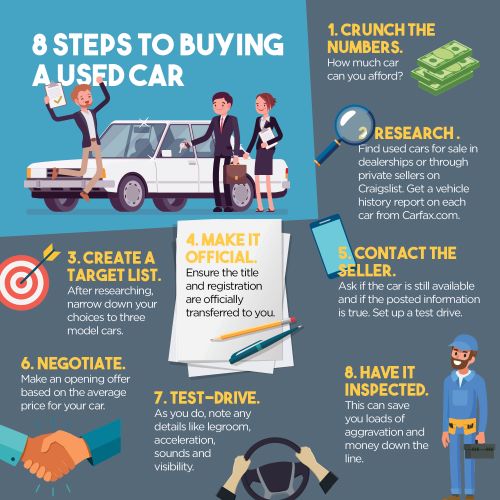
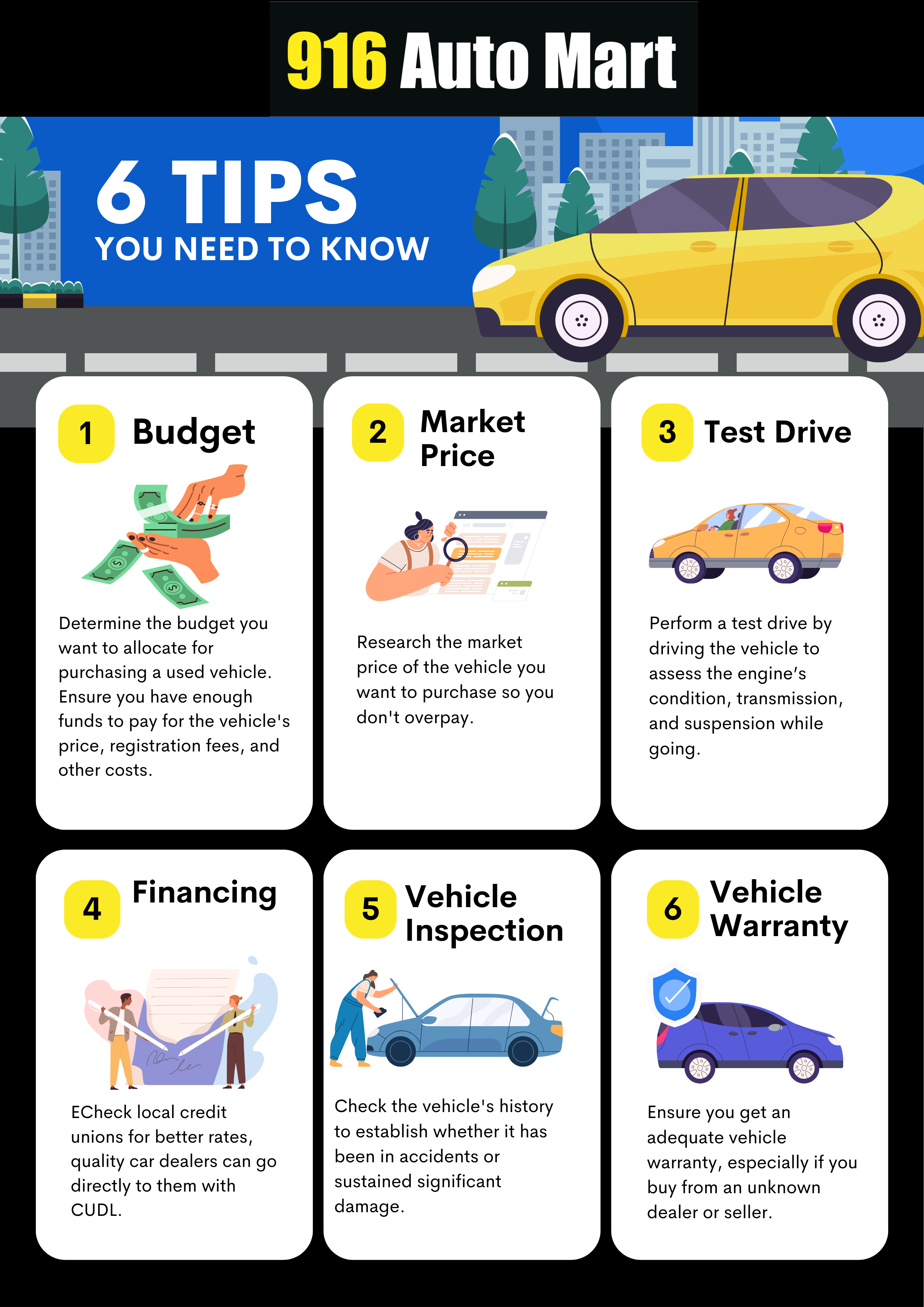
Before you even begin browsing listings, the most crucial step is to meticulously establish your budget. This isn’t just about the sticker price; it encompasses the entire financial commitment associated with owning a vehicle. A robust budget ensures you purchase a car you can comfortably afford, preventing future financial strain.
Calculating Your Affordability Threshold
Start by evaluating your current income and expenses to determine how much you can realistically allocate towards a car payment each month, if financing, and additional recurring costs. Financial experts often recommend that your total car expenses (payment, insurance, fuel, maintenance) should not exceed 10-20% of your net monthly income. If you’re paying cash, this threshold dictates the maximum lump sum you should comfortably spend without jeopardizing other financial goals like savings or debt repayment. Consider your savings reserves and emergency funds; draining them entirely for a car purchase can leave you vulnerable. Understand that a car is a depreciating asset, meaning its value decreases over time, making it crucial not to overspend on it relative to your overall financial picture.
Beyond the Sticker Price: Total Cost of Ownership
The purchase price is merely the entry fee to car ownership. The true financial impact lies in the “Total Cost of Ownership” (TCO). Factor in the following often-overlooked expenses:
- Insurance: Obtain quotes for various vehicles you’re considering. Older, less expensive cars might have lower premiums, but some models, even older ones, can be costly to insure due to high theft rates or expensive parts.
- Registration and Taxes: These are typically one-time or annual fees that vary by state and the vehicle’s value. Don’t forget sales tax, which can add hundreds or even thousands to the upfront cost.
- Fuel: Research the average miles per gallon (MPG) for potential vehicles. A car with a lower purchase price but poor fuel economy could cost you more over time.
- Maintenance and Repairs: Used cars, by their nature, will require more maintenance than new ones. Budget for regular oil changes, tire rotations, and unexpected repairs. Research common issues for specific makes and models you’re interested in; some brands are known for higher parts and labor costs. Older or higher-mileage vehicles will naturally demand a larger maintenance budget.
- Depreciation: While you’re buying a car that has already depreciated, it will continue to lose value. This isn’t an out-of-pocket expense, but it represents a loss of asset value that impacts your overall net worth.
By calculating the TCO for each potential vehicle, you gain a clearer picture of its long-term financial viability, allowing you to select a car that fits your budget not just today, but for years to come.
Navigating Financing Options: Cash, Loan, and Credit
How you pay for your used car significantly impacts your financial outlay. Understanding the pros and cons of different financing methods and how your credit health plays a role is essential for securing the most advantageous terms.
The Power of Cash: Pros and Cons
Paying cash for a used car eliminates interest payments, thereby reducing the overall cost of the vehicle. It also means no monthly car payments, freeing up your cash flow for other financial goals. Additionally, cash buyers often have stronger negotiating power with sellers. However, paying cash requires having a substantial sum readily available. Consider if deploying a large portion of your savings into a depreciating asset is the best use of your capital. If it depletes your emergency fund, it might not be the wisest financial move, leaving you vulnerable to unexpected expenses. Weigh the benefit of saving on interest against the opportunity cost of that cash.
Securing a Smart Loan: Pre-approval and Interest Rates
If financing, the goal is to secure the lowest possible interest rate and a manageable loan term. The most effective strategy is to get pre-approved for a loan before you even set foot in a dealership. Approach banks, credit unions, and online lenders to compare rates. A pre-approval provides a concrete understanding of how much you can borrow and at what rate, giving you leverage during negotiations with a seller or dealership, as you already have financing secured.
Interest rates are profoundly influenced by your credit score and the loan term. Shorter loan terms (e.g., 36 or 48 months) typically result in higher monthly payments but lower total interest paid over the life of the loan. Longer terms (e.g., 60 or 72 months) reduce monthly payments but significantly increase the total interest, often leading to paying much more than the car’s initial value. Aim for the shortest term you can comfortably afford. Be wary of extended warranties or add-ons that are rolled into the loan, as this inflates the principal and accrues more interest.
Understanding Your Credit Score’s Role
Your credit score is a crucial determinant of the interest rate you’ll be offered. A higher credit score signals lower risk to lenders, qualifying you for more favorable rates and better loan terms. Before applying for financing, obtain a copy of your credit report from all three major bureaus (Equifax, Experian, TransUnion) and review them for inaccuracies. Dispute any errors, as even minor discrepancies can negatively impact your score. Taking steps to improve your credit score, such as paying down existing debts or addressing late payments, even a few months before seeking a car loan, can result in substantial savings on interest over the loan’s duration.
Strategic Research and Valuation: Maximizing Your Investment
Smart financial decision-making in the used car market relies heavily on thorough research. Knowing a vehicle’s true market value and potential issues can save you from overpaying or inheriting costly problems.
Leveraging Online Valuation Tools
Don’t rely solely on the asking price. Utilize reputable online valuation tools such as Kelley Blue Book (KBB.com), Edmunds.com, and NADAguides.com. These platforms provide estimated values based on factors like make, model, year, mileage, condition, and optional features. They often offer different values for private party sales versus dealer retail, and trade-in value. Use these estimates as a baseline for your negotiations and to ensure the asking price is fair and competitive. Comparing multiple sources gives you a more robust understanding of the vehicle’s market position.
Decoding Vehicle History Reports (VHRs)
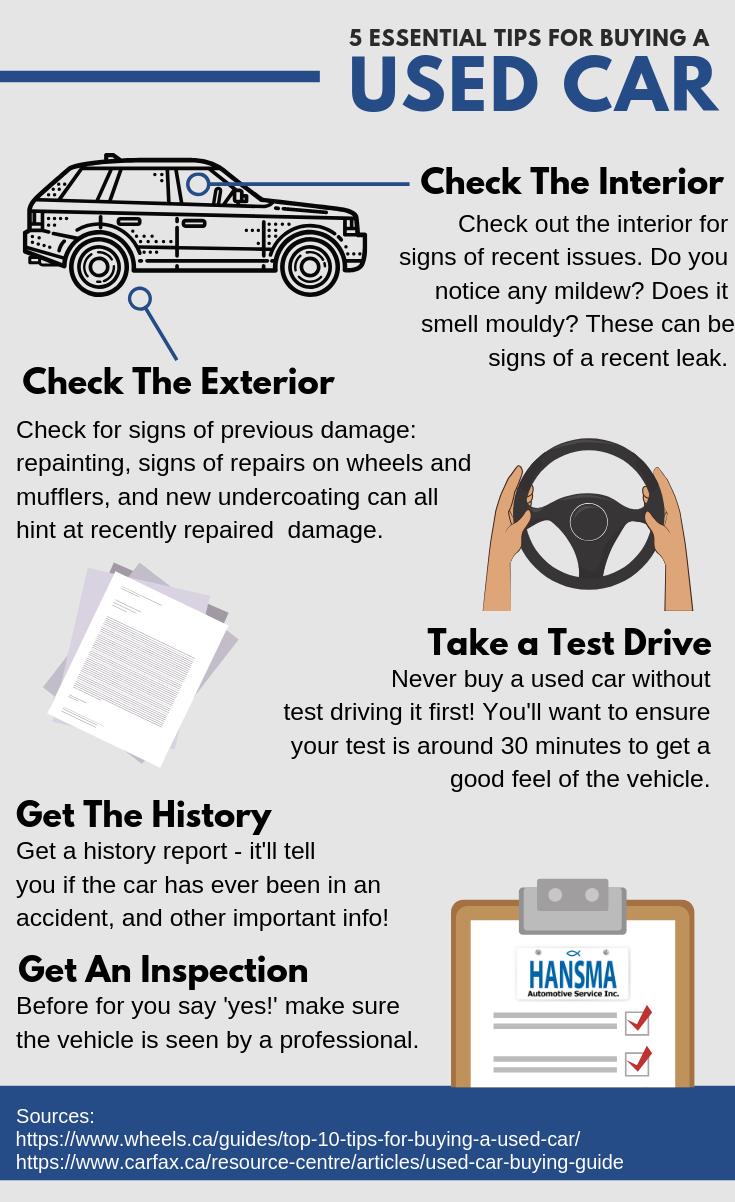
A Vehicle History Report (VHR) from services like CarFax or AutoCheck is an indispensable tool for protecting your financial investment. While not free, the cost is minimal compared to the potential expense of buying a problematic car. A VHR can reveal critical information such as:
- Accident History: Was the car involved in major collisions? This can impact structural integrity, safety, and future resale value.
- Salvage or Flood Title: These titles indicate significant damage, often making the car difficult or impossible to insure, repair safely, or resell at a reasonable price. Avoid them unless you are an expert mechanic and aware of the substantial risks.
- Odometer Rollback: Ensures the displayed mileage is accurate, preventing you from paying for a car with more wear and tear than advertised.
- Service Records: Regular maintenance indicates a responsible previous owner, often translating to fewer future repair costs.
- Ownership History: Multiple owners in a short period might be a red flag.
- Lien Information: Confirms the car has a clear title and isn’t subject to outstanding loans.
Always request a VHR and review it thoroughly. If a seller is reluctant to provide one, consider it a significant warning sign.
Identifying Red Flags for Costly Repairs
While a VHR covers past issues, an in-person inspection and test drive are crucial for assessing the current condition and foreseeing potential future expenses. Look for signs of neglect or impending repairs:
- Exterior: Uneven paint, misaligned body panels, large gaps indicate previous accident repairs. Rust, especially structural rust, can be a deal-breaker.
- Interior: Excessive wear and tear inconsistent with mileage, strong odors (smoke, mold), or dashboard warning lights (check engine, ABS, airbag) point to problems.
- Engine & Mechanics: Listen for unusual noises (knocking, grinding, squealing). Check for fluid leaks under the car. An active “check engine” light, when it’s not illuminated because of a minor sensor issue, often means a substantial and expensive repair.
- Test Drive: Does the car pull to one side? Do the brakes feel spongy or vibrate? Is the transmission shifting smoothly? Are there any strange vibrations or noises at speed?
Always, without exception, arrange for an independent pre-purchase inspection (PPI) by a trusted mechanic. This small investment (typically $100-$200) can save you thousands by identifying hidden mechanical problems, structural damage, or impending failures that would necessitate costly repairs soon after purchase. The mechanic can provide an unbiased assessment of the vehicle’s condition and potential future maintenance needs, giving you invaluable financial clarity.
The Art of Negotiation: Securing the Best Deal
Negotiation is where preparation meets opportunity. Armed with your budget, market research, and inspection findings, you’re ready to engage with sellers to achieve the most financially favorable outcome.
Private Seller vs. Dealership Dynamics
The negotiation strategy differs depending on whether you’re buying from a private party or a dealership.
- Private Seller: Often more flexible on price, as they typically don’t have overhead costs or sales commissions. They might be more emotionally attached to the car, so approach with respect but firmness. Focus on objective data like KBB value and any issues uncovered by the PPI to justify a lower offer. Cash can be a very strong motivator for private sellers.
- Dealership: Dealerships have more room to maneuver on price due to higher profit margins, but also more overhead. They often make money on financing, trade-ins, and add-ons. Be prepared for a more structured negotiation process. Don’t be afraid to walk away if the deal isn’t right. Leverage your pre-approved financing to avoid their potentially higher interest rates.
Your Negotiation Toolkit: Patience and Persistence
- Know Your Limit: Stick to your maximum budget. If the seller won’t meet your price, be prepared to walk away. There are always other cars.
- Leverage Information: Use the PPI report to highlight necessary repairs and justify a lower offer. If the car needs new tires, mention the cost. If a major service is due, factor that into your offer.
- Be Prepared to Walk Away: This is your strongest negotiating tactic. If you’re not getting the deal you want, thank them and leave. Many times, a seller will call you back with a better offer.
- Avoid Emotional Decisions: Don’t fall in love with a car before the deal is done. Emotional attachment can lead to overpaying.
- Discuss the “Out-the-Door” Price: When negotiating with a dealership, always ask for the “out-the-door” price, which includes all taxes, fees, and charges. This prevents sticker shock when you see the final paperwork.
Finalizing the Deal: Paperwork and Protection
Once you agree on a price, meticulously review all paperwork before signing. Verify that the agreed-upon price is reflected correctly and that there are no hidden fees. Ensure the vehicle’s title is clear (no liens) and matches the Vehicle Identification Number (VIN) on the car. Understand any “as-is” clauses, which mean you’re accepting the car with all its current and future problems, offering no recourse after purchase. If buying from a dealer, they may offer extended warranties; carefully weigh their cost against your budget and the car’s reliability history. Often, third-party extended warranties can offer better coverage for less.
Protecting Your Asset: Post-Purchase Financial Prudence
The financial journey of used car ownership doesn’t end with the purchase. Smart financial habits post-acquisition are key to preserving your investment and minimizing future out-of-pocket expenses.
Insurance: Essential Coverage Considerations
Immediately after purchasing your used car, ensure it is adequately insured. Driving without insurance, even for a short period, can result in hefty fines, license suspension, and severe financial consequences if you’re involved in an accident. Review your policy options:
- Collision and Comprehensive: While not always mandatory for older, less valuable cars, these cover damage to your vehicle from accidents (collision) or other events like theft, vandalism, or natural disasters (comprehensive). If your car is financed, your lender will typically require these coverages.
- Liability: This is legally required in most states and covers damages and injuries you cause to others.
- Uninsured/Underinsured Motorist: Protects you if you’re hit by a driver who doesn’t have enough or any insurance.
Work with your insurance provider to find a balance between coverage and premium costs that fits your budget and risk tolerance. Consider increasing your deductible to lower premiums, but ensure you have enough in savings to cover that deductible if you need to file a claim.
Proactive Maintenance for Long-Term Savings
Regular and proactive maintenance is the single most effective way to extend your used car’s lifespan and minimize expensive, unexpected repairs. Adhere strictly to the manufacturer’s recommended service schedule found in the owner’s manual. This includes:
- Oil Changes: Regular oil changes are vital for engine health.
- Tire Rotations and Pressure Checks: Extend tire life and improve fuel efficiency.
- Fluid Checks and Changes: Brake fluid, transmission fluid, coolant – all are critical.
- Brake Inspections: Ensure your braking system is always in top condition for safety and to prevent more costly repairs down the line.
- Filter Replacements: Air filters and cabin filters contribute to engine performance and passenger comfort.
Set aside a dedicated fund for routine maintenance and potential repairs. Even with a well-inspected car, used vehicles will inevitably require more attention than new ones. By allocating a specific amount each month to a “car maintenance” savings account, you can avoid being blindsided by a large repair bill, transforming a potential financial crisis into a manageable expense. This proactive financial habit ultimately translates into significant long-term savings and a more reliable vehicle.
aViewFromTheCave is a participant in the Amazon Services LLC Associates Program, an affiliate advertising program designed to provide a means for sites to earn advertising fees by advertising and linking to Amazon.com. Amazon, the Amazon logo, AmazonSupply, and the AmazonSupply logo are trademarks of Amazon.com, Inc. or its affiliates. As an Amazon Associate we earn affiliate commissions from qualifying purchases.