
The transition from a passive observer of the global economy to an active participant through equity ownership is one of the most significant steps an individual can take toward long-term financial independence. In previous decades, the process of buying a share of stock was shrouded in complexity, requiring high-net-worth status and a personal relationship with a floor broker. Today, the democratization of finance has leveled the playing field. With a smartphone and a few dollars, anyone can own a piece of the world’s most innovative companies. However, while the technical barrier to entry has vanished, the need for a strategic approach and a clear understanding of the mechanics of the market remains paramount.
Understanding the Stock Market Ecosystem
Before placing your first order, it is essential to understand exactly what occurs when you “buy a share.” A share of stock represents a fractional ownership interest in a corporation. When you purchase that share, you are entitled to a portion of the company’s assets and earnings. This relationship is mediated by a complex but highly regulated ecosystem designed to ensure liquidity, transparency, and fairness.
What is a Share?
At its core, a share is a legal claim. When a company decides to go public through an Initial Public Offering (IPO), it divides its ownership into millions of units. By purchasing one, you become a shareholder. This status often grants you voting rights on corporate policy and a claim on dividends if the company chooses to distribute profits. From a financial perspective, you are betting on the company’s future cash flows; if the company grows and becomes more profitable, the perceived value of your fractional ownership increases, allowing you to sell it later at a higher price—a process known as capital appreciation.
The Role of the Stock Exchange
Stocks are traded on exchanges, such as the New York Stock Exchange (NYSE) or the NASDAQ. These are not just physical or digital locations but regulatory frameworks that facilitate the meeting of buyers and sellers. You cannot simply call up a corporation like Apple or Tesla and ask to buy a share directly. Instead, you must go through a middleman: the broker-dealer. The exchange acts as the auction house where your broker’s request to buy meets someone else’s request to sell.
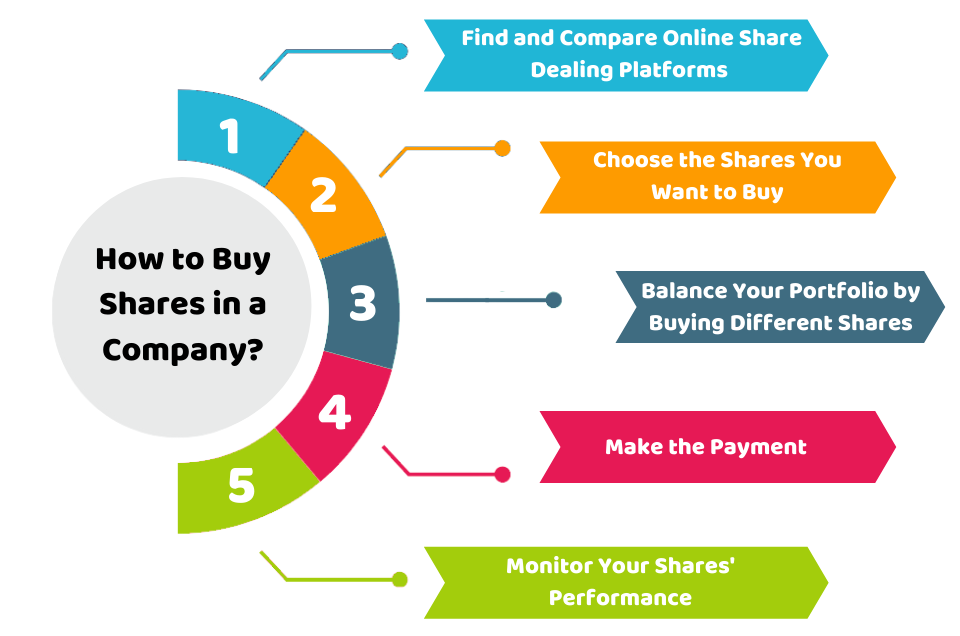
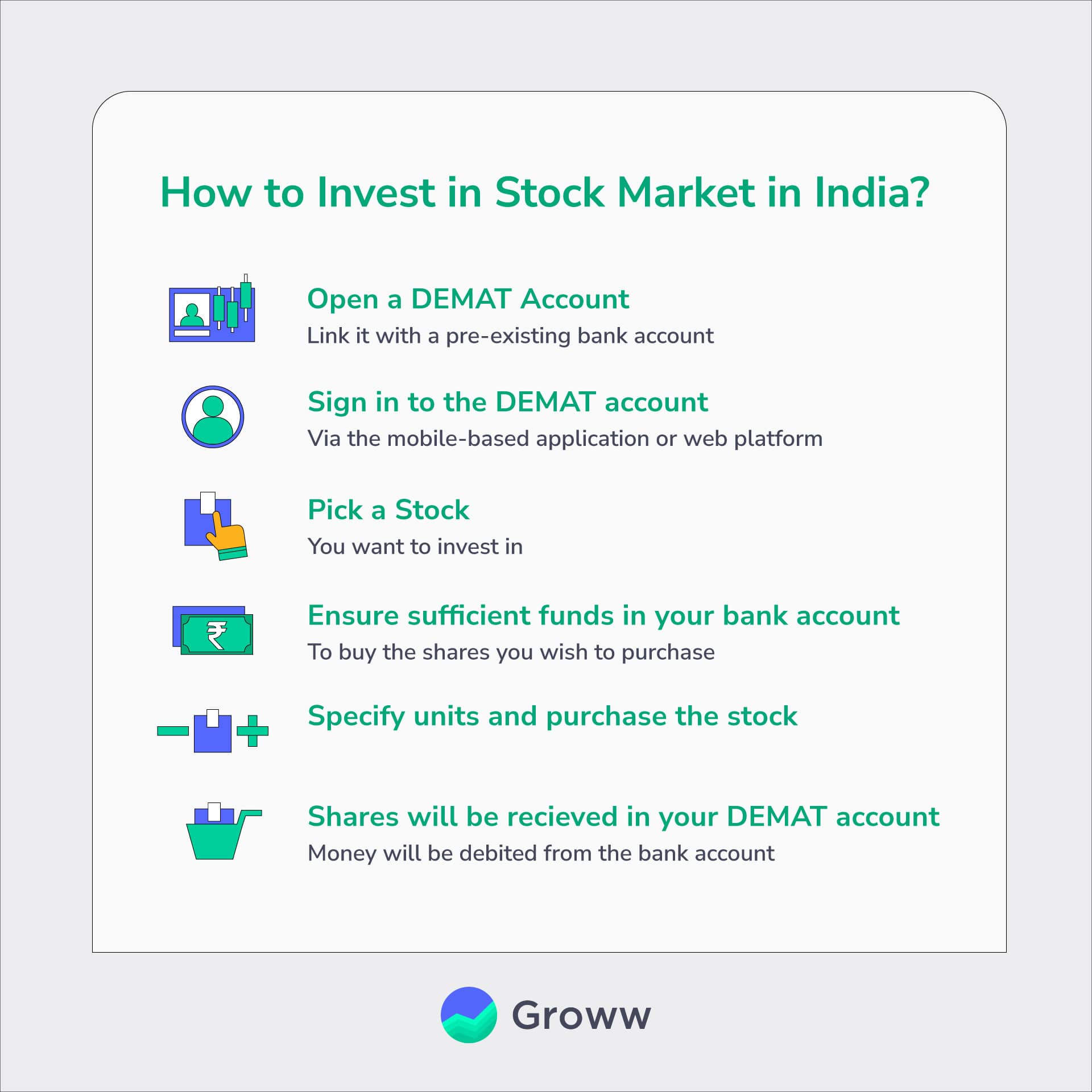
Step-by-Step Guide to Purchasing Your First Stock
The modern process of buying stock is streamlined into a series of digital steps. While the interface may look like a simple social media app, the underlying actions involve legal contracts and financial transfers that require diligence.
Choosing a Brokerage Platform
Your choice of brokerage is the most critical decision in your early investing journey. Generally, brokers fall into two categories: full-service and discount/online brokers.
-
Full-service brokers provide personalized investment advice, estate planning, and tax assistance, but they charge significant commissions.
-
Online/Discount brokers (including fintech apps like Robinhood, Webull, or established firms like Fidelity, Charles Schwab, and Vanguard) allow you to trade with zero commissions. For most individual investors, a reputable online broker that offers a robust mobile app and educational resources is the ideal starting point.
When choosing, consider whether the platform offers “fractional shares.” This feature allows you to buy a portion of a share (e.g., $10 worth of a $3,000 stock), which is vital for building a diversified portfolio with limited capital.
Opening and Funding Your Account
Opening a brokerage account is similar to opening a bank account. You will need to provide your Social Security number (for tax reporting), employment information, and link a funding source—typically a checking or savings account.
You must also choose an account type. An Individual Brokerage Account is a standard taxable account where you can withdraw money at any time. Alternatively, a Tax-Advantaged Account, such as a Roth IRA or a Traditional IRA, is designed for retirement. While these have restrictions on when you can withdraw funds, they offer significant tax breaks that can accelerate your wealth building over decades.
Researching Companies
Buying a stock because you like a product is a starting point, but it is not a strategy. Professional investors look at “fundamentals.” This involves reviewing a company’s balance sheet, income statement, and cash flow statement. Key metrics to watch include:
-
P/E Ratio (Price-to-Earnings): This tells you how much investors are willing to pay for every dollar of company earnings.
-
Revenue Growth: Is the company expanding its sales over time?
-
Debt-to-Equity: Does the company carry too much debt, making it vulnerable during an economic downturn?
Many brokerage platforms provide these “Research Tickers” for free, offering analyst ratings and historical performance data to help you make an informed decision.
Executing the Trade: Market Orders vs. Limit Orders
Once you have selected a stock, you must tell your broker how you want to buy it. This is done through “Order Types.” Understanding these is the difference between getting a fair price and overpaying due to market volatility.
The Market Order
A market order is an instruction to buy or sell a stock immediately at the best available current price. Its primary advantage is speed; you are guaranteed that the trade will go through almost instantly. However, in a volatile market, the “best available price” might be significantly higher than the last price you saw on your screen. Market orders are generally safe for high-volume stocks with high liquidity, but they carry risks during periods of extreme market movement.
The Limit Order
A limit order gives you more control. You set a maximum price you are willing to pay for the stock. For example, if a stock is trading at $105, you might set a limit order for $100. Your trade will only execute if the price drops to $100 or lower. This protects you from “slippage,” but it comes with a trade-off: if the stock price never hits your limit, your order will never be filled, and you might miss out on the investment entirely.
Fractional Shares and Dollar-Cost Averaging
For many beginners, the concept of “Dollar-Cost Averaging” (DCA) is the most effective way to enter the market. Instead of trying to “time the market” and buy at the absolute bottom, you invest a fixed amount of money at regular intervals (e.g., $100 every month), regardless of the price. When the price is high, your $100 buys fewer shares; when the price is low, it buys more. Over time, this lowers your average cost per share and removes the emotional stress of watching daily price fluctuations.
Strategies for Long-Term Wealth Building
Buying a share is only the beginning. The real challenge—and the real opportunity—lies in how you manage those shares over time. Successful investing is less about “beating the market” and more about discipline and risk management.
Diversification and Risk Management
The greatest risk to a new investor is “concentration risk”—putting all your money into one or two stocks. If that specific company faces a lawsuit or a product failure, your entire portfolio suffers. Diversification involves spreading your investments across different sectors (Tech, Healthcare, Energy, etc.) and asset classes. Many investors achieve this by buying Exchange-Traded Funds (ETFs) alongside individual stocks. An ETF is a basket of hundreds of different stocks, providing instant diversification with a single purchase.
Dividend Reinvestment Plans (DRIPs)
Many established companies pay out a portion of their profits to shareholders in the form of dividends. While you can take this as cash, most brokerages offer a “DRIP” option. This automatically uses your dividend payments to buy more shares of that same company. This creates a powerful feedback loop: more shares lead to higher dividends, which lead to even more shares, exponentially increasing your holdings over time without you having to contribute additional capital from your paycheck.
The Power of Compound Interest
The most potent tool in the investor’s arsenal is time. Compound interest is the process where the value of an investment increases because the earnings on an investment, both capital gains and interest, earn interest as time passes. By buying shares early and holding them for years or decades, you allow the “snowball effect” to take place. Small, consistent investments made in your 20s or 30s can grow into substantial wealth by the time you reach retirement age.
Monitoring and Managing Your Portfolio
Once you own shares, your role shifts to that of a portfolio manager. This doesn’t mean checking the price every hour—in fact, over-monitoring often leads to emotional “panic selling.” Instead, it means periodic check-ins to ensure your investment thesis still holds true.
Tax Implications and Capital Gains
It is important to remember that the government is a silent partner in your brokerage account. When you sell a stock for more than you paid, you trigger a “capital gain.” If you held the stock for less than a year, it is taxed at your ordinary income rate (Short-Term Capital Gains). If you held it for more than a year, it is taxed at a lower, preferential rate (Long-Term Capital Gains). Understanding these rules can save you thousands of dollars in unnecessary tax liabilities.

Knowing When to Sell
Knowing when to exit a position is often harder than knowing when to enter. There are generally three valid reasons to sell a share of stock:
-
The Investment Thesis has Changed: The company has lost its competitive advantage, or the industry is being disrupted in a way the company cannot survive.
-
Portfolio Rebalancing: One stock has grown so much that it now represents too large a percentage of your total wealth, creating excessive risk.
-
Financial Necessity: You have reached your financial goal (e.g., buying a home or retiring) and need to liquidate the assets.
Buying a share of stock is a declaration of confidence in the future and a commitment to your own financial growth. By selecting the right brokerage, understanding the types of orders, and adhering to a long-term strategy of diversification and compounding, you transform from a consumer into an owner. In the modern economy, equity is the primary engine of wealth creation; by taking the first step to buy your first share, you are positioning yourself to benefit from the growth of the global marketplace.
aViewFromTheCave is a participant in the Amazon Services LLC Associates Program, an affiliate advertising program designed to provide a means for sites to earn advertising fees by advertising and linking to Amazon.com. Amazon, the Amazon logo, AmazonSupply, and the AmazonSupply logo are trademarks of Amazon.com, Inc. or its affiliates. As an Amazon Associate we earn affiliate commissions from qualifying purchases.