
Purchasing a car is often one of the most significant financial decisions an individual will make, second only to buying a home. It represents not just a mode of transportation but a substantial investment with ongoing costs and implications for your personal finances. For many, the prospect can feel daunting, riddled with complex jargon, endless options, and the pressure of a major commitment. However, approaching this milestone with a strategic, informed, and financially savvy mindset can transform a stressful experience into an empowering one. This comprehensive guide will demystify the car buying process, focusing exclusively on the critical financial considerations necessary to make a smart, sustainable purchase that aligns with your broader financial goals. From initial budget planning to navigating loans and understanding long-term ownership costs, we’ll equip you with the knowledge to drive away with confidence.

Laying the Financial Foundation for Your Car Purchase
Before you even begin to browse models or dream of test drives, the most crucial step is to establish a robust financial foundation. This involves a clear-eyed assessment of your current financial situation, understanding what you can truly afford, and preparing your credit profile for the best possible financing terms. Skipping this foundational work can lead to overspending, financial strain, and regret down the road.
Assessing Your Budget and Affordability
The sticker price of a car is just the beginning. A truly affordable car is one whose Total Cost of Ownership (TCO) fits comfortably within your budget. TCO includes not only the purchase price and loan interest but also essential ongoing expenses like insurance premiums, fuel, routine maintenance, unexpected repairs, registration fees, and potential depreciation. A common guideline, often referred to as the 20/4/10 rule, suggests putting down at least 20% of the car’s value, financing the car for no more than four years, and ensuring your total monthly car expenses (payment, insurance, fuel) do not exceed 10% of your gross monthly income. While not universally applicable, it serves as an excellent starting point for conservative budgeting. Begin by calculating your disposable income after all essential bills are paid, and then realistically determine what percentage of that income you can comfortably allocate to car-related expenses without jeopardizing other financial obligations or savings goals.
Saving for a Down Payment
A substantial down payment is one of the most powerful tools in your car-buying arsenal. It reduces the amount you need to borrow, which, in turn, lowers your monthly payments and the total interest you’ll pay over the life of the loan. Furthermore, a larger down payment can help you avoid being “upside down” on your loan—owing more than the car is worth—especially in the early years of ownership when depreciation is most rapid. Aim for at least 10-20% of the car’s purchase price. To achieve this, consider setting up a dedicated savings account, automating regular transfers from your checking account, and identifying areas where you can temporarily cut back on discretionary spending. Every dollar saved for a down payment is a dollar you won’t be paying interest on.
Checking Your Credit Score
Your credit score is a numerical representation of your creditworthiness, and it significantly impacts the interest rate you’ll be offered on a car loan. Lenders view borrowers with higher credit scores (typically 700+) as lower risk, translating to lower Annual Percentage Rates (APRs) and substantial savings over the loan term. Before you even speak to a dealer or a bank, obtain free copies of your credit report from all three major bureaus (Equifax, Experian, TransUnion) and review them for any errors. Understand your credit score and take steps to improve it if necessary. This might involve paying down existing debts, resolving any outstanding collections, or simply ensuring timely payments on all your accounts. A few points increase in your score can translate into thousands of dollars in savings on interest over a five-year loan.
Navigating Financing Options
Once you’ve established your financial parameters and polished your credit, the next phase involves understanding the various financing avenues available. This is where many consumers make critical financial missteps, often accepting the first offer presented without exploring alternatives. Being informed about loan structures, the lease-versus-buy dilemma, and the financial implications of trade-ins is key to securing the best possible deal.
Understanding Car Loans and Interest Rates
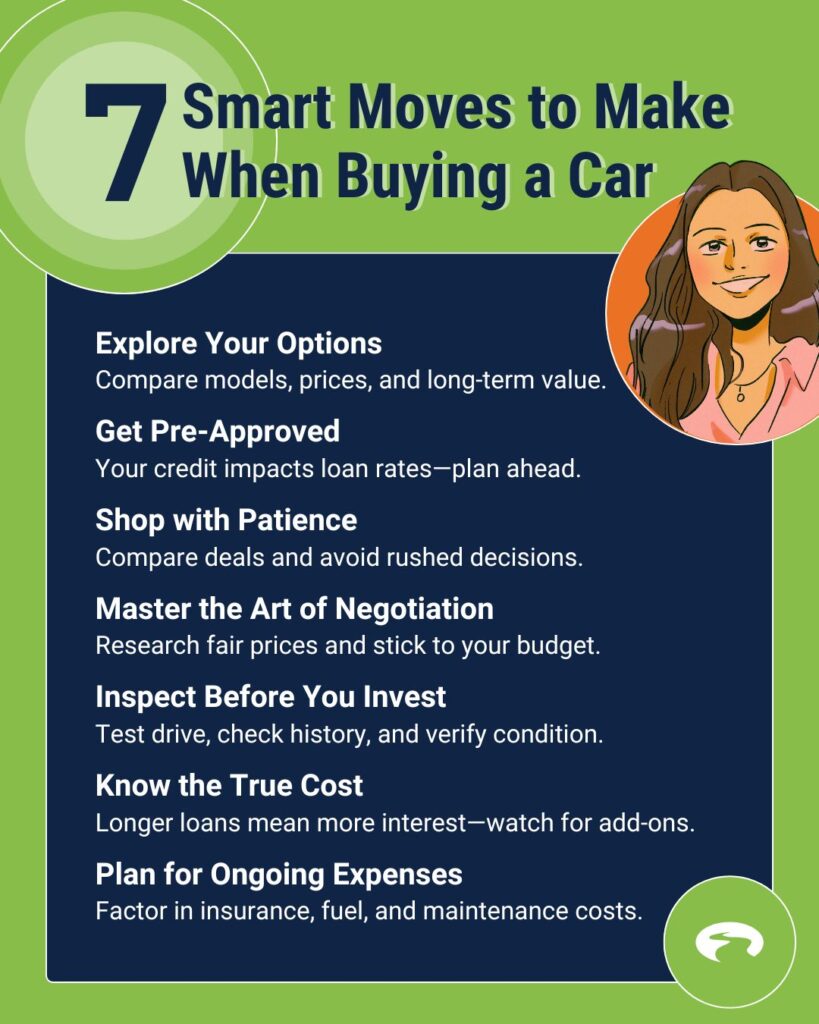
Car loans come in various forms, primarily from dealerships, banks, and credit unions. While dealer financing can be convenient, it’s crucial to shop around for the best APR (Annual Percentage Rate) before you step onto a lot. Get pre-approved for a loan from your bank or credit union; this not only gives you a benchmark but also transforms you into a cash buyer at the dealership, simplifying negotiations. Understand that APR is the true annual cost of borrowing money, including fees, and is more important than just the monthly payment. Shorter loan terms (e.g., 36 or 48 months) typically come with lower interest rates and result in less total interest paid, though they have higher monthly payments. Longer terms (e.g., 60 or 72 months) reduce monthly payments but significantly increase the total interest paid and the risk of being upside down on the loan. Always prioritize the shortest term you can comfortably afford.
Lease vs. Buy: A Financial Comparison
The age-old question of whether to lease or buy a car hinges entirely on your financial situation, driving habits, and long-term goals.
Buying means you own the car outright once the loan is repaid. You build equity, have no mileage restrictions, and can customize the vehicle. While monthly payments might be higher, you eventually have a car free of payments and can sell it to recoup some of your investment. This option is generally better if you plan to keep the car for many years, drive a lot, or prefer long-term ownership.
Leasing, on the other hand, is essentially renting the car for a set period, typically 2-4 years. It often results in lower monthly payments, allows you to drive a new car more frequently, and usually comes with warranty coverage for the lease term. However, you never own the car, face mileage limits (exceeding them incurs hefty fees), and must return the car in excellent condition. Leasing can be financially advantageous for individuals who prioritize driving new cars, have low mileage needs, and don’t want to deal with maintenance past the warranty period or the hassle of selling a used car. The critical financial distinction is that with buying, you build equity; with leasing, you do not.
The Role of Trade-Ins and Selling Your Old Car
If you have an existing vehicle, you have two primary options: trade it in at the dealership or sell it privately. Trading in offers convenience; the dealership handles the paperwork, and the trade-in value reduces the amount you finance for the new car, saving you on sales tax in some states. However, dealerships typically offer wholesale value, meaning you’ll get less than the car’s market value. Selling your old car privately will almost always yield a higher price. While it requires more effort—advertising, fielding inquiries, showing the car, and handling paperwork—the financial benefit can be substantial. Evaluate the difference between the private sale value and the trade-in offer. If the gap is significant and you have the time and patience, selling privately often makes more financial sense. Always get a firm trade-in quote from the dealer before discussing the new car’s price.
The Smart Buyer’s Checklist: Research and Negotiation
With your financial groundwork laid and financing options understood, it’s time to engage with the market. This phase is about intelligent research and strategic negotiation, ensuring you secure the right vehicle at the best possible price, avoiding common pitfalls that erode your financial advantage.
Researching Car Models and Market Value
Knowledge is power when buying a car. Begin by identifying car models that meet your needs, lifestyle, and previously established budget. Don’t just focus on aesthetics; consider reliability ratings, safety features, fuel efficiency, insurance costs, and depreciation rates. Websites like Kelley Blue Book (KBB.com), Edmunds.com, and ConsumerReports.org are invaluable resources for market value, professional reviews, owner feedback, and predicted resale value. Understanding what others are paying for a specific model (the “fair purchase price”) allows you to negotiate from a position of strength, rather than simply accepting the dealer’s asking price. Furthermore, consider the long-term financial impact of different models; some cars hold their value better than others, which impacts your future equity or trade-in potential.
Getting Pre-Approved for a Loan
As mentioned earlier, securing pre-approval for a car loan from a bank or credit union before visiting a dealership is a non-negotiable step for financially savvy buyers. This accomplishes several critical things: it sets a ceiling on what you’re willing and able to spend, it provides a competitive interest rate that dealers must try to beat (or at least match), and it separates the financial negotiation from the car price negotiation. When you have pre-approval in hand, you walk into the dealership as a cash buyer, empowering you to focus solely on negotiating the lowest possible vehicle price, free from the distraction of monthly payment calculations tied to potentially unfavorable dealer financing.
Mastering the Negotiation Process
Negotiation is an art, and when buying a car, it’s a financial battlefield. The golden rule: always negotiate the total purchase price of the vehicle, not the monthly payment. Dealers often manipulate loan terms (extending them or increasing the interest rate) to make a higher car price seem affordable in monthly installments. Stick to your researched target price. Be prepared to walk away if the deal isn’t right; there are always other dealerships and other cars. Be wary of common add-ons like extended warranties, paint protection, or VIN etching. While some might offer marginal value, many are high-profit items for the dealership. Carefully evaluate if these extras align with your financial plan and if their cost outweighs their benefit. Always read the fine print of any contract before signing, ensuring all agreed-upon terms are accurately reflected.
Finalizing the Purchase and Post-Purchase Considerations
The moment of signing is critical, but your financial journey doesn’t end there. Understanding the contractual obligations, securing appropriate insurance, and budgeting for ongoing ownership costs are the final pillars of a financially responsible car purchase.
Understanding Contracts and Fees
Before you put pen to paper, meticulously review the entire purchase agreement. Ensure the agreed-upon sales price, trade-in value (if applicable), interest rate, and loan term are all accurately reflected. Be vigilant about “hidden” fees that might appear at the last minute. Common fees include documentation fees (dealer’s cost to process paperwork), registration and title fees (paid to the state), and sales tax. While some of these are legitimate, question any charge you don’t understand or that seems excessive. Never feel pressured to sign anything until you’re completely clear on every line item and confident that the terms are favorable. Remember, a signed contract is legally binding, and rectifying errors afterward can be incredibly difficult and costly.
Securing Adequate Car Insurance
Car insurance is not just a legal requirement in most places; it’s a critical financial safeguard. Before you drive your new car off the lot, you must have adequate insurance coverage. Lenders will typically require comprehensive and collision coverage to protect their investment, in addition to the state-mandated liability coverage. Shop around for insurance quotes from multiple providers to find the most competitive rates for the required coverage. Factors influencing your premium include the car’s make and model, your driving record, age, location, and credit score. Choosing a car with lower repair costs and a good safety record can often lead to lower insurance premiums, a significant long-term financial saving.
Budgeting for Ongoing Car Ownership Costs
Beyond the monthly loan payment and insurance premium, a responsible car owner must budget for the continuous operational expenses. Fuel costs fluctuate, but they are a consistent outflow. Regular maintenance—oil changes, tire rotations, brake checks, and scheduled service—is vital for the car’s longevity and performance, and neglecting it can lead to far more expensive repairs down the line. Beyond routine care, always anticipate potential repair costs, especially as the car ages. Setting aside a dedicated emergency fund for unexpected car repairs (e.g., a new transmission, significant body damage) can prevent these incidents from derailing your finances. Factor in annual registration renewals, potential emissions inspections, and even parking fees into your comprehensive car ownership budget.
Strategic Timing and Future Planning
Savvy financial planning for a car purchase also involves understanding the market cycles and thinking ahead to your next vehicle, reinforcing a holistic approach to your automotive finances.
Best Times to Buy a Car
While an immediate need might dictate your timeline, if you have flexibility, strategic timing can lead to significant financial savings. Dealers often have quotas they need to meet by the end of the month, quarter, or year, making them more willing to negotiate prices to close sales. Similarly, when new model years are released (typically in late summer or fall), dealerships are keen to clear out older inventory, offering discounts on the outgoing models. Holiday weekends (like Memorial Day, Labor Day, or Black Friday) are also popular times for dealerships to offer special promotions. Aligning your purchase with these periods can give you an edge in securing a better deal financially.
Preparing for Your Next Car
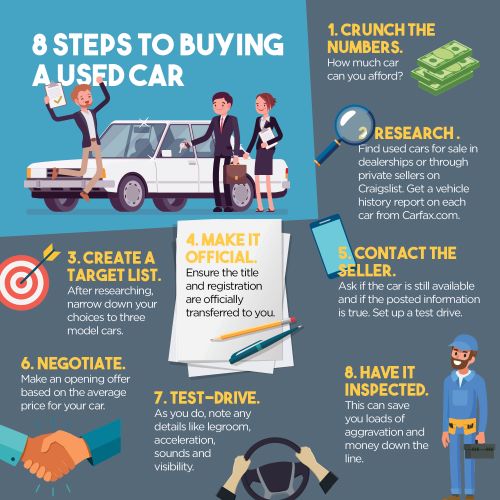
A financially responsible car purchase isn’t a one-off event; it’s part of a larger financial lifecycle. As soon as you acquire your car, start thinking about its eventual replacement. This involves regularly maintaining your vehicle to preserve its resale value, continuing to save for your next down payment, and monitoring its depreciation. Understanding how long you plan to keep the car and its likely value at that point helps inform decisions like whether to invest in extended warranties or significant repairs. By consistently saving and making financially sound decisions throughout your current car’s lifespan, you ensure that your next car purchase will be just as smooth and financially advantageous.
In conclusion, buying a car is a complex financial transaction that demands diligent preparation, informed decision-making, and disciplined budgeting. By focusing on your affordability, understanding financing options, mastering the negotiation process, and planning for all ownership costs, you can transform what might seem like a daunting challenge into a confident step towards securing reliable transportation without compromising your long-term financial health. Drive smart, not just far.
aViewFromTheCave is a participant in the Amazon Services LLC Associates Program, an affiliate advertising program designed to provide a means for sites to earn advertising fees by advertising and linking to Amazon.com. Amazon, the Amazon logo, AmazonSupply, and the AmazonSupply logo are trademarks of Amazon.com, Inc. or its affiliates. As an Amazon Associate we earn affiliate commissions from qualifying purchases.