
The world of taxation, for many, can seem like an impenetrable labyrinth of forms, deadlines, and ever-changing regulations. This complexity, however, creates a significant opportunity for skilled professionals: the certified tax preparer. As individuals and businesses alike seek expert guidance to navigate their financial obligations, the demand for qualified tax professionals continues to grow. Becoming a certified tax preparer is a rewarding career path that offers flexibility, intellectual challenge, and the satisfaction of helping clients optimize their financial health. This comprehensive guide will illuminate the various pathways to certification, outline the essential skills required, and provide a roadmap for building a successful career in this vital financial service sector.

Understanding the Role and Demand for Tax Professionals
Before embarking on the journey to certification, it’s crucial to grasp the fundamental responsibilities of a tax preparer and understand why these professionals are in such high demand. This foundational knowledge will contextualize the subsequent steps and highlight the significance of achieving proper credentials.
What Does a Tax Preparer Do?
At its core, a tax preparer assists individuals, families, and businesses in fulfilling their tax obligations to federal, state, and local governments. This involves far more than simply filling out forms. Key responsibilities typically include:
- Tax Return Preparation: Accurately completing and filing various tax returns (e.g., Form 1040 for individuals, Form 1120 for corporations, Form 1065 for partnerships).
- Tax Planning: Advising clients on strategies to minimize their tax liabilities legally, often through identifying eligible deductions, credits, and optimal financial decisions throughout the year.
- Compliance: Ensuring that clients adhere to all applicable tax laws and regulations, preventing penalties and audits.
- Representation (depending on certification): Acting on behalf of clients before tax authorities, such as the IRS, in cases of audits, appeals, or collection issues.
- Record Keeping: Guiding clients on maintaining proper financial records necessary for accurate tax reporting.
- Staying Current: Continuously monitoring and interpreting changes in tax law, which are frequent and often complex.
Why is There a High Demand for Certified Preparers?
The demand for competent tax preparers stems from several factors, making it a robust and stable career choice:
- Complexity of Tax Laws: Tax codes are notoriously intricate and subject to frequent amendments. Most individuals and small businesses lack the time, expertise, or desire to navigate these complexities independently.
- Maximizing Returns/Minimizing Liabilities: Professional preparers often identify deductions and credits that clients might miss, leading to greater refunds or reduced tax bills. This value proposition is a major draw.
- Time Savings: Outsourcing tax preparation frees up clients’ valuable time, allowing them to focus on their personal lives or core business operations.
- Audit Protection: Proper preparation by a certified professional reduces the likelihood of audits and provides a knowledgeable advocate if an audit does occur.
- Growth of Small Businesses and Gig Economy: The rise of entrepreneurship and freelance work means more individuals and entities face self-employment taxes and unique business tax challenges, driving demand for specialized help.
Ethical and Professional Responsibilities
Tax preparation is a profession built on trust. Certified preparers operate under strict ethical guidelines, particularly those outlined in IRS Circular 230, which governs practice before the IRS. Key responsibilities include:
- Confidentiality: Protecting client information with the utmost discretion.
- Accuracy and Due Diligence: Exercising reasonable care to ensure the accuracy of all information presented in tax returns.
- Honesty and Integrity: Upholding high ethical standards in all dealings with clients and tax authorities.
- Competence: Possessing the necessary knowledge and skills, and recognizing when a client’s needs fall outside one’s expertise.
- Independence: Avoiding conflicts of interest that could impair objectivity.
Navigating the Pathways to Certification
The term “certified tax preparer” can refer to several distinct levels of credentialing, each granting different privileges and requiring varying levels of education and examination. Understanding these pathways is the first concrete step towards building your career.
The Foundation: Preparer Tax Identification Number (PTIN)
Regardless of any other certifications, anyone who prepares federal tax returns for compensation must obtain a Preparer Tax Identification Number (PTIN) from the IRS. This is a basic registration requirement, not a certification in itself, but it’s the mandatory entry point for all paid preparers. Obtaining a PTIN involves an online application and an annual renewal. While it allows you to prepare returns, it grants very limited representation rights before the IRS.
Voluntary Enhancement: The Annual Filing Season Program (AFSP)
The Annual Filing Season Program (AFSP) is a voluntary program offered by the IRS for preparers who are not Enrolled Agents, CPAs, or attorneys. While voluntary, completing the AFSP demonstrates a commitment to professional development and provides limited representation rights. To earn an AFSP Record of Completion, preparers must:
- Complete 18 hours of continuing education (CE) annually from IRS-approved providers. This includes a 6-hour federal tax law refresher course with a test, 10 hours of federal tax law topics, and 2 hours of ethics.
- Possess a valid PTIN.
AFSP participants are listed in a public directory of tax preparers on the IRS website, distinguishing them from uncredentialed preparers and allowing them to represent clients whose returns they prepared before revenue agents, customer service representatives, and similar IRS employees.
The Federal Standard: Enrolled Agent (EA)
The Enrolled Agent (EA) credential is the highest credential the IRS awards. EAs are federally authorized tax practitioners who have demonstrated special competence in tax matters. Unlike CPAs or attorneys, whose licenses are state-specific, EAs are authorized to practice in all 50 states and have unlimited representation rights before the IRS. This means they can represent any taxpayer regarding any tax matter before any office of the IRS.
To become an Enrolled Agent, candidates must:
- Pass the Special Enrollment Examination (SEE): This comprehensive exam is administered in three parts:
- Part 1: Individuals
- Part 2: Businesses
- Part 3: Representation, Practices, and Procedures
The SEE is challenging, requiring a deep understanding of federal tax law across various entities.
- Pass a Suitability Check: The IRS conducts a background check to ensure candidates have a clean tax history and no criminal record.
- Apply for Enrollment: Once the exam is passed and the background check cleared, candidates apply for enrollment.
EAs must complete 72 hours of continuing education every three years to maintain their status, with a minimum of 16 hours per year, including 2 hours of ethics.
State-Licensed: Certified Public Accountant (CPA)
A Certified Public Accountant (CPA) is a highly esteemed designation for accounting professionals. While CPAs have a broader scope that includes auditing, financial reporting, and business advisory, tax preparation and planning are significant components of their practice. CPAs have unlimited representation rights before the IRS.
Becoming a CPA is a rigorous process:
- Education: Typically requires a bachelor’s degree (120 semester hours) in accounting, often with additional coursework to meet the 150-semester hour requirement for licensure.
- Examination: Passing the Uniform CPA Examination, a four-part exam covering Auditing and Attestation (AUD), Business Environment and Concepts (BEC), Financial Accounting and Reporting (FAR), and Regulation (REG, which heavily features tax law).
- Experience: Fulfilling a state-specific work experience requirement (usually 1-2 years) supervised by a licensed CPA.
- Licensure: Meeting specific state board requirements and applying for a license.
CPAs also have strict continuing professional education (CPE) requirements, which vary by state but typically involve 80-120 hours over a two-to-three-year period.
Other Professionals: Tax Attorneys
Attorneys who specialize in tax law also have unlimited representation rights before the IRS. To become a tax attorney, one must earn a Juris Doctor (JD) degree, pass a state bar exam, and often pursue further specialization through an LL.M. (Master of Laws) in Taxation. Their expertise is invaluable for complex tax litigation, corporate tax structuring, and intricate estate planning.
Essential Skills, Education, and Training
Regardless of the specific certification path you choose, a solid foundation of skills, education, and ongoing training is paramount for success as a tax preparer. This profession demands a blend of analytical prowess, meticulous attention to detail, and excellent interpersonal abilities.
Foundational Educational Background

While a PTIN or AFSP does not require a specific college degree, pursuing higher education significantly enhances your prospects and prepares you for more advanced certifications like EA or CPA:
- High School Diploma/GED: The absolute minimum for entry-level positions or independent study for PTIN/AFSP.
- Associate’s Degree: An associate’s degree in accounting, finance, or business administration can provide a strong foundation in bookkeeping, basic accounting principles, and an introduction to tax concepts.
- Bachelor’s Degree: A bachelor’s degree in accounting or finance is highly recommended and often a prerequisite for CPA licensure. Relevant coursework includes:
- Financial Accounting: Understanding how financial transactions are recorded and reported.
- Managerial Accounting: How accounting information aids internal decision-making.
- Tax Accounting: Specific courses focusing on individual, corporate, partnership, and estate taxation.
- Auditing: Principles of verifying financial statements.
- Business Law and Ethics: Essential for understanding legal frameworks and professional conduct.
Critical Skills for Success
Beyond formal education, a successful tax preparer possesses a specific set of soft and hard skills:
- Analytical and Problem-Solving Skills: The ability to dissect complex financial data, identify discrepancies, interpret tax codes, and devise optimal tax strategies for clients.
- Attention to Detail: Even minor errors on tax returns can lead to significant penalties or missed opportunities. Precision is non-negotiable.
- Strong Communication Skills: Explaining complex tax concepts to clients in clear, understandable language is vital. This includes active listening to grasp client situations fully.
- Organizational and Time Management Skills: Managing multiple client accounts, adhering to strict filing deadlines, and maintaining organized records are crucial, especially during tax season.
- Technology Proficiency: Expertise in various tax preparation software (e.g., UltraTax CS, Lacerte, ProSeries, TurboTax Business), accounting software (e.g., QuickBooks), and spreadsheet applications (e.g., Excel) is essential for efficiency and accuracy.
- Ethical Judgment: The ability to make sound ethical decisions and uphold professional standards, particularly when faced with ambiguous situations or client pressure.
- Research Skills: Tax laws change frequently, and preparers must be adept at researching current regulations and rulings.
Training Programs and Continuing Education
The learning journey for a tax preparer never truly ends.
- Specialized Tax Preparation Courses: Many institutions and private companies (like H&R Block Tax School, Jackson Hewitt, or independent online academies) offer intensive courses designed to train individuals specifically in tax preparation, often covering both federal and state laws. These can be excellent starting points.
- Review Courses for EA/CPA Exams: For those pursuing EA or CPA credentials, dedicated review courses (e.g., Gleim, Surgent, Becker) are invaluable, providing structured study materials, practice questions, and simulated exams.
- Continuing Education (CE/CPE): All certified preparers (AFSP, EA, CPA) are required to complete regular continuing education to maintain their credentials. These courses keep professionals updated on the latest tax law changes, new regulations, and emerging issues, ensuring ongoing competence. Reputable providers offer seminars, webinars, and self-study programs.
Building Your Tax Preparation Career and Practice
Once you’ve acquired the necessary certifications and skills, the next step is to translate that expertise into a thriving career. The path you choose will depend on your entrepreneurial spirit, desired work environment, and long-term professional goals.
Gaining Practical Experience
Hands-on experience is invaluable. Even with certification, applying theoretical knowledge in real-world scenarios is critical:
- Internships: Many accounting firms and tax offices offer internships, especially during tax season, providing exposure to client interactions and tax software.
- Entry-Level Positions: Starting as a tax assistant, bookkeeper, or administrative support in a tax office allows you to learn from experienced professionals.
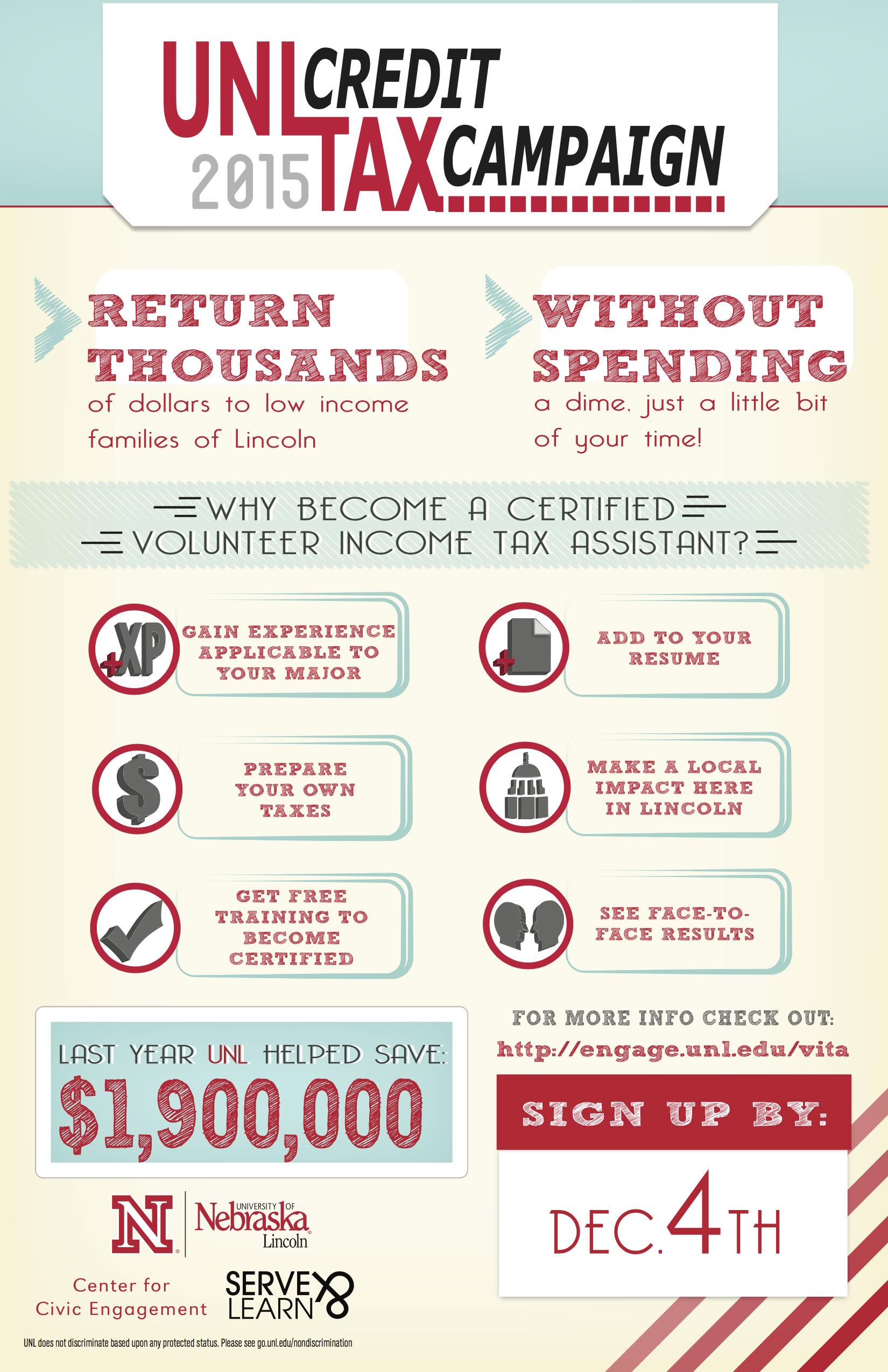
- Volunteer Income Tax Assistance (VITA) Program: The IRS sponsors the VITA program, which offers free tax help to low-to-moderate-income individuals. Volunteering is an excellent way to gain experience, particularly for those new to the field, and receive basic tax training.
Employment Opportunities
Certified tax preparers have diverse employment options:
- Large Accounting Firms (Big Four): Offer robust training programs and exposure to complex tax scenarios for corporate and high-net-worth individual clients.
- Regional and Local Accounting Firms: Provide a broader range of services to small and medium-sized businesses and individuals, often with more direct client interaction.
- Franchise Tax Preparation Services: Companies like H&R Block or Jackson Hewitt are excellent entry points, offering structured training and a high volume of individual tax returns.
- Corporate Tax Departments: Large corporations employ in-house tax professionals to manage their complex tax planning and compliance.
- Government Agencies: Opportunities exist within the IRS or state tax departments, often focusing on auditing or policy.
Starting Your Own Practice
For many, the ultimate goal is to establish an independent tax preparation business. This offers maximum flexibility and control but requires entrepreneurial acumen:
- Business Plan: Define your niche (e.g., small businesses, international tax, specific industries), pricing structure, and marketing strategy.
- Legal Structure and Licensing: Choose a legal entity (sole proprietorship, LLC, S-Corp) and ensure you have all necessary state and local business licenses and permits.
- Insurance: Obtain professional liability insurance (errors and omissions) to protect yourself from potential claims.
- Office Setup and Technology: Invest in reliable tax software, accounting software, secure data storage, and a professional workspace (physical or virtual).
- Client Acquisition: Develop strategies to attract and retain clients.
Marketing and Client Acquisition Strategies
Building a client base requires proactive marketing efforts:
- Online Presence: Create a professional website, optimize it for search engines (SEO), and leverage social media platforms to share tax tips and establish your expertise.
- Networking: Connect with other financial professionals (accountants, financial advisors, bookkeepers, attorneys) who can provide referrals.
- Referral Programs: Encourage satisfied clients to refer new business through incentives.
- Local Advertising: Consider local print ads, online directories, or community sponsorships.
- Content Marketing: Write blog posts, articles, or host webinars on relevant tax topics to attract potential clients.
Maintaining Certification and Future Growth
The journey doesn’t end with initial certification or establishing a practice. The tax landscape is dynamic, requiring continuous learning and adaptation to remain relevant and competitive.
Ongoing Continuing Education (CE/CPE)
As previously discussed, mandated continuing education is a cornerstone of maintaining all professional tax certifications. Beyond mere compliance, actively engaging in CE opportunities ensures you stay abreast of:
- New Tax Laws and Regulations: Congress frequently amends tax codes, and the IRS issues new guidance. Staying updated is critical for accurate advice.
- Emerging Tax Issues: Topics like cryptocurrency taxation, remote work state tax implications, and evolving international tax rules require ongoing study.
- Software Updates and Technology Trends: Tax software evolves, and new digital tools can enhance efficiency.
- Ethical Standards: Regular refreshers on professional conduct and ethics are crucial.
Specializations and Niche Markets
As your career progresses, consider specializing to differentiate yourself and command higher fees:
- International Taxation: For clients with foreign income, assets, or global business operations.
- Estate and Gift Tax: Assisting with complex planning for high-net-worth individuals.
- Small Business/Self-Employment Tax: Focusing on the unique needs of freelancers, contractors, and small business owners.
- Specific Industries: Developing expertise in sectors like real estate, healthcare, non-profits, or technology, which often have unique tax considerations.
- Audit Representation: Becoming an expert in defending clients during IRS audits.
Expanding Your Service Offerings
Beyond basic tax preparation, you can expand your practice to include higher-value services:
- Proactive Tax Planning: Shifting from reactive tax filing to proactive strategies that optimize a client’s financial position year-round.
- Audit Representation: Offering robust defense and negotiation services to clients facing IRS inquiries.
- Bookkeeping and Payroll Services: Integrating these services to provide a holistic financial solution for small businesses.
- Financial Consulting: Advising clients on broader financial goals, investment tax implications, and retirement planning.
- Business Advisory Services: Helping business clients with entity selection, cash flow management, and growth strategies.
The Future of Tax Preparation
The profession is evolving with technological advancements. While AI and automation may streamline data entry and basic calculations, the need for human expertise, judgment, and client-centric advisory services will only increase. Future tax preparers will likely spend less time on routine tasks and more time on complex problem-solving, strategic planning, and building strong client relationships, solidifying their role as trusted financial advisors.
Conclusion
Becoming a certified tax preparer is a challenging yet profoundly rewarding career choice within the dynamic world of finance. Whether you aspire to be an AFSP participant, an Enrolled Agent, or a Certified Public Accountant, each pathway offers unique opportunities to build expertise and contribute significantly to clients’ financial well-being. By committing to continuous learning, honing essential skills, and strategically building your practice, you can establish yourself as an indispensable financial professional. The journey demands dedication, but the ability to provide clarity and confidence in a world often shrouded in tax complexity makes it a truly impactful and sustainable career in the Money sector.
aViewFromTheCave is a participant in the Amazon Services LLC Associates Program, an affiliate advertising program designed to provide a means for sites to earn advertising fees by advertising and linking to Amazon.com. Amazon, the Amazon logo, AmazonSupply, and the AmazonSupply logo are trademarks of Amazon.com, Inc. or its affiliates. As an Amazon Associate we earn affiliate commissions from qualifying purchases.