
Applying for a mortgage can seem like a daunting process, fraught with complex terminology, endless paperwork, and critical financial decisions. For many, it represents the largest financial commitment they will ever make. However, by breaking down the journey into manageable steps and understanding the underlying principles, you can navigate the mortgage application process with confidence and secure the financing that best suits your needs. This comprehensive guide aims to demystify the path to homeownership, offering actionable insights and a clear roadmap from initial preparation to closing day.
Understanding the Mortgage Landscape Before You Apply
Before diving into the application itself, it’s crucial to have a foundational understanding of what a mortgage entails and the various forms it can take. This initial knowledge empowers you to make informed decisions and better communicate your needs to potential lenders.
What is a Mortgage?
At its core, a mortgage is a loan specifically used to purchase real estate. Unlike other loans, a mortgage uses the purchased property itself as collateral. This means that if you fail to repay the loan, the lender has the right to repossess the property through a process called foreclosure. Mortgages typically involve large sums of money, long repayment periods (often 15 or 30 years), and require regular payments that include principal, interest, property taxes, and homeowner’s insurance (often bundled as PITI). Understanding this fundamental structure is the first step towards appreciating the commitment you are undertaking.
Types of Mortgages
The mortgage market offers a variety of products, each designed to cater to different financial situations and risk tolerances. Selecting the right type is paramount.
- Fixed-Rate Mortgages (FRM): The interest rate remains constant for the entire life of the loan. This provides predictable monthly payments, making budgeting easier and offering stability against rising interest rates. It’s an excellent choice for those who plan to stay in their home for many years and prefer stability.
- Adjustable-Rate Mortgages (ARM): The interest rate is fixed for an initial period (e.g., 3, 5, 7, or 10 years) and then adjusts periodically based on a chosen index. ARMs typically start with lower interest rates than FRMs, making them attractive for buyers who anticipate moving or refinancing before the fixed period ends, or those comfortable with potential payment fluctuations.
- Government-Insured Loans:
- FHA Loans: Insured by the Federal Housing Administration, these loans are popular for first-time homebuyers due to lower down payment requirements (as low as 3.5%) and more lenient credit score criteria.
- VA Loans: Guaranteed by the Department of Veterans Affairs, these offer eligible veterans, service members, and surviving spouses the possibility of 0% down payment and no private mortgage insurance (PMI).
- USDA Loans: Backed by the U.S. Department of Agriculture, these loans are designed for low-to-moderate-income individuals purchasing homes in eligible rural areas, often requiring no down payment.
- Jumbo Loans: For loan amounts exceeding conforming loan limits set by government-sponsored enterprises (Fannie Mae and Freddie Mac). These typically require higher credit scores and larger down payments.
Each type has distinct advantages and disadvantages regarding eligibility, interest rates, and long-term costs. Researching these options thoroughly is a critical precursor to applying.
Key Factors Lenders Consider
Lenders assess several key factors to determine your eligibility and the terms of your mortgage. Understanding these helps you prepare and present yourself as a reliable borrower.
- Credit Score: A higher credit score (generally above 670 for conventional loans, though FHA allows lower) indicates responsible financial behavior and significantly impacts the interest rate you’re offered.
- Debt-to-Income (DTI) Ratio: This is the percentage of your gross monthly income that goes towards debt payments. Lenders typically prefer a DTI ratio below 43%, though some may go higher depending on other factors.
- Income Stability: Lenders want to see a consistent employment history and sufficient income to comfortably afford the monthly mortgage payments.
- Assets and Savings: Evidence of a down payment, reserves (money left over after closing costs), and other assets reassures lenders of your financial stability.
- Loan-to-Value (LTV) Ratio: This compares the loan amount to the home’s appraised value. A lower LTV (meaning a larger down payment) typically results in better interest rates and may eliminate the need for private mortgage insurance (PMI).
Essential Preparations for Your Mortgage Application
Preparation is key to a smooth and successful mortgage application process. A little upfront effort can save you considerable time and stress down the line, potentially leading to better loan terms.
Assessing Your Financial Health
Before engaging with lenders, take an honest look at your financial standing. This self-assessment is crucial.
- Check Your Credit Report and Score: Obtain copies of your credit report from all three major bureaus (Equifax, Experian, TransUnion) and review them carefully for any errors. Dispute inaccuracies immediately, as they can negatively impact your score. Work on improving your score by paying bills on time, reducing credit card balances, and avoiding new credit applications.
- Calculate Your Debt-to-Income (DTI) Ratio: Sum up your total monthly debt payments (credit cards, car loans, student loans, existing mortgage/rent) and divide it by your gross monthly income. This gives you a clear picture of how much of your income is already committed to debt and helps you understand what lenders will see. If your DTI is high, consider paying down debts before applying.
- Review Your Bank Statements: Lenders will scrutinize your bank statements for consistency, large unusual deposits (which might need to be sourced), and sufficient funds. Maintain a stable balance and avoid excessive withdrawals or transfers.
Gathering Required Documentation
The mortgage application is a document-heavy process. Proactively collecting these items will streamline your application.
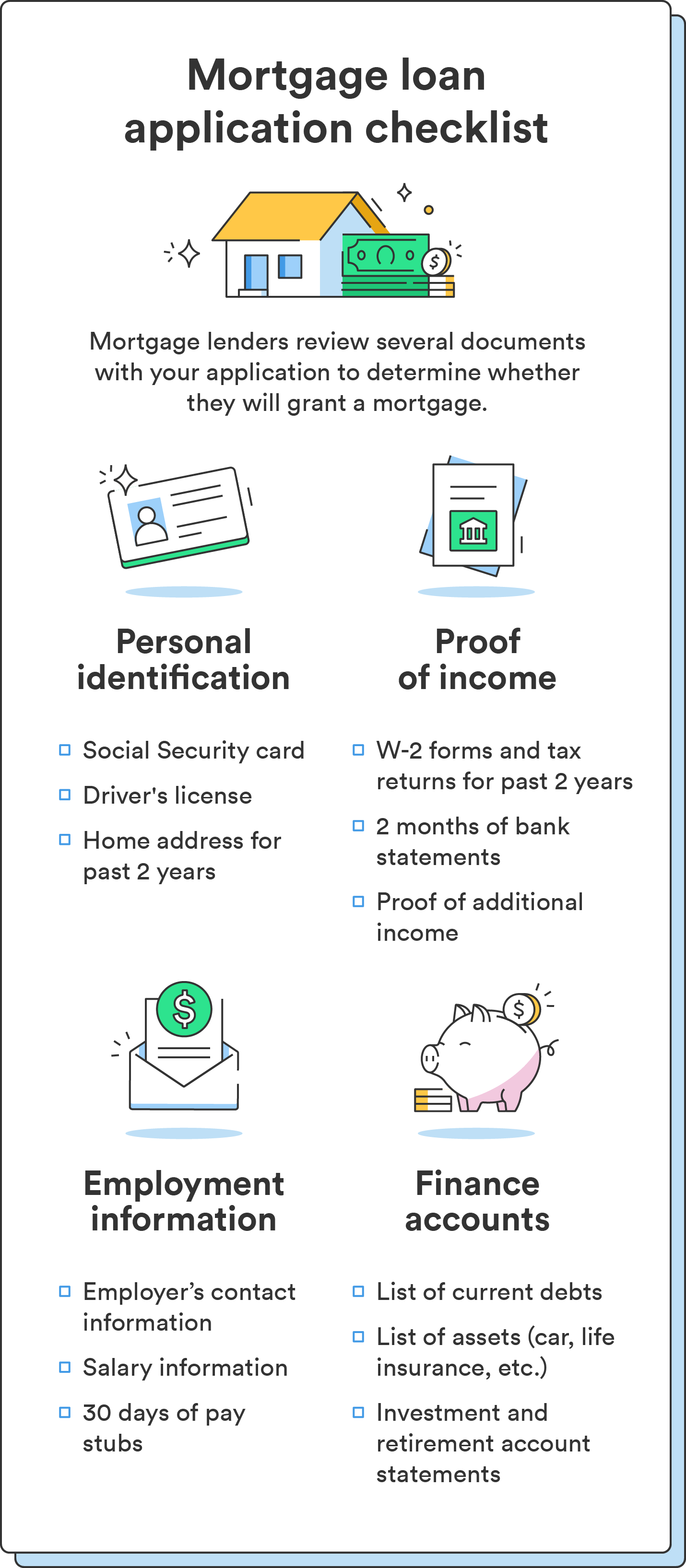
- Personal Identification: Government-issued ID (driver’s license, passport), Social Security card.
- Income Verification:
- W-2 forms (for the past two years)
- Pay stubs (most recent 30-60 days)
- Tax returns (for the past two years, especially if self-employed or commissioned)
- Proof of other income (alimony, child support, pension, disability)
- Asset Verification:
- Bank statements (checking and savings, past 2-3 months)
- Investment account statements (401k, IRA, brokerage accounts)
- Gift letters (if receiving down payment assistance from family)
- Debt Verification:
- Statements for all outstanding loans (car loans, student loans, personal loans)
- Credit card statements
- Any existing mortgage statements
- Housing History:
- Rent history (cancelled checks, landlord contact info)
- Current lease agreement
Organizing these documents into a clear folder, whether physical or digital, will make the application process much smoother.
Saving for a Down Payment and Closing Costs
Beyond the purchase price of the home, you’ll need significant funds for both the down payment and closing costs.
- Down Payment: This is the initial lump sum you pay towards the home’s purchase price. While some loans allow for 0% or low down payments, a larger down payment generally results in a lower interest rate, smaller monthly payments, and potentially avoids Private Mortgage Insurance (PMI) on conventional loans (if you put down 20% or more).
- Closing Costs: These are fees and expenses associated with finalizing the mortgage loan and transferring property ownership. They typically range from 2% to 5% of the loan amount and can include origination fees, appraisal fees, title insurance, recording fees, attorney fees, and prepaid expenses like property taxes and homeowner’s insurance premiums. Factor these into your savings goals.
Navigating the Mortgage Application Process
With your financial house in order and documents ready, you’re prepared to formally begin the application process. This phase involves crucial steps from pre-approval to submitting your final application.
Pre-Approval: Your First Critical Step
A mortgage pre-approval is a conditional commitment from a lender to provide you with a loan up to a certain amount, based on an initial review of your financial information. This is a critical step for several reasons:
- Establishes Your Budget: It clearly tells you how much home you can realistically afford, preventing you from looking at properties outside your price range.
- Strengthens Your Offer: In a competitive housing market, a pre-approval letter signals to sellers that you are a serious and qualified buyer, making your offer more attractive.
- Identifies Potential Issues: It allows you to uncover and address any potential credit or income issues with a lender before you’ve found your dream home.
To get pre-approved, you’ll typically provide your income, assets, and debt information, and the lender will perform a hard credit pull. This will give you an estimated interest rate and monthly payment based on current market conditions.
Shopping for Lenders and Comparing Offers
Do not settle for the first lender you speak with. Shopping around can save you tens of thousands of dollars over the life of your loan.

- Explore Various Lenders: Contact multiple types of lenders: large national banks, local credit unions, online lenders, and mortgage brokers. Each may offer different rates, fees, and customer service experiences.
- Compare Loan Estimates: Once you receive a pre-approval or a loan estimate from different lenders, carefully compare them. The “Loan Estimate” form (a standardized three-page document) makes comparison easier by detailing interest rates, monthly payments, closing costs, and other fees. Pay close attention to the Annual Percentage Rate (APR), which reflects the true annual cost of your loan, including some fees.
- Ask Questions: Don’t hesitate to ask lenders about any charges you don’t understand, points (upfront interest paid to lower your rate), or potential hidden fees. Clarify terms, such as whether the interest rate is locked in for a certain period.
The goal is to find the best combination of interest rate, fees, and customer service that aligns with your financial goals.
Submitting Your Formal Application
Once you’ve chosen a lender and found a home you want to purchase, you’ll move to the formal application phase. This involves completing the Uniform Residential Loan Application (Form 1003) and submitting all the previously gathered documentation.
- Complete the Application: Provide accurate and consistent information. Any discrepancies between what you provide and what the lender verifies through documentation can cause delays or even rejection.
- Provide All Requested Documents: Your lender will likely request updated versions of bank statements, pay stubs, and other financial records. Respond promptly to these requests to keep the process moving.
- Sign Disclosures: You’ll receive numerous disclosures, including those related to the loan terms, your rights, and estimated closing costs. Read these carefully before signing.
This stage officially kicks off the underwriting process, where the lender thoroughly vets your financial health and the property’s value.
From Application to Closing: What to Expect
The period between submitting your formal application and closing can feel like a waiting game. Understanding the typical steps involved helps manage expectations and stay proactive.
Underwriting and Loan Processing
Once your application is submitted, it enters the underwriting phase. The underwriter is the person who makes the final decision on whether to approve your loan.
- Verification: The underwriter verifies all information provided in your application and documents. They check employment history, confirm income, review bank statements for unusual activity, and verify assets.
- Risk Assessment: They assess the overall risk of lending to you, considering your creditworthiness, DTI ratio, and the property’s value.
- Conditions: It’s common for underwriters to request additional information or clarification—these are called “conditions.” Responding quickly and thoroughly to these requests is crucial to avoid delays.
This process ensures that you meet the lender’s criteria and that the loan is a sound investment for them.
Appraisal and Inspection
Simultaneously with underwriting, two critical evaluations of the property take place.
- Home Appraisal: The lender will order an independent appraisal of the property to determine its fair market value. This ensures that the loan amount is justified by the property’s worth. If the appraisal comes in lower than the purchase price, it can impact your loan terms or even jeopardize the deal.
- Home Inspection: While not mandatory for the loan itself, a home inspection is highly recommended for buyers. A professional inspector evaluates the property’s condition, identifying any structural issues, necessary repairs, or safety concerns. This helps you understand the true condition of the home and can provide grounds for negotiating repairs or a lower price with the seller.
Final Approval and Closing Day
After all conditions are met, the underwriting process is complete, and the loan is “Clear to Close.”
- Final Loan Disclosure (CD): You’ll receive a Closing Disclosure (CD) at least three business days before closing. This document finalizes all the terms and costs of your loan. Compare it carefully against your initial Loan Estimate.
- Walk-Through: Conduct a final walk-through of the property typically within 24 hours of closing to ensure it’s in the agreed-upon condition and that any negotiated repairs have been completed.
- The Closing Table: On closing day, you’ll sign numerous legal documents, transfer funds for your down payment and closing costs, and officially take ownership of the property. Be prepared for a lot of signing and bring a valid photo ID. Congratulations, you’re a homeowner!
Post-Closing Considerations and Smart Mortgage Management
Becoming a homeowner is a significant milestone, but the financial journey with your mortgage doesn’t end at closing. Smart management post-closing can optimize your long-term financial health.
Understanding Your Mortgage Terms
Once the papers are signed, thoroughly review your mortgage statement and understand all its components.
- Principal and Interest: These are the core components of your payment.
- Escrow Account: If you have an escrow account, a portion of your monthly payment goes towards property taxes and homeowner’s insurance, which the lender pays on your behalf. Understand how your escrow is managed and reviewed annually.
- Amortization Schedule: Familiarize yourself with how your payments are applied over time—initially, more goes towards interest, gradually shifting towards principal.
- Prepayment Penalties: While rare in standard U.S. mortgages, confirm if your loan has any penalties for paying off the mortgage early.
A clear understanding of these terms allows you to manage your finances effectively and identify opportunities for optimization.
Strategies for Early Repayment
Paying off your mortgage early can save you a substantial amount in interest over the life of the loan.
- Making Extra Payments: Even small, consistent extra payments can make a big difference. Consider applying any windfalls (bonuses, tax refunds) directly to your principal.
- Bi-Weekly Payments: By paying half of your monthly payment every two weeks, you’ll make 13 full monthly payments per year instead of 12, effectively making one extra payment annually.
- Refinancing to a Shorter Term: If interest rates drop or your financial situation improves, refinancing from a 30-year to a 15-year mortgage can accelerate your repayment, though it will result in higher monthly payments.
Always ensure that any extra payments are explicitly applied to your loan’s principal, not just prepaying interest.
Refinancing Opportunities and When to Consider Them
Refinancing involves taking out a new mortgage to pay off your existing one. It can be a powerful tool for financial optimization, but it’s not always the right choice.
- Lower Interest Rates: If market rates have dropped significantly since you obtained your original mortgage, refinancing can secure a lower rate, reducing your monthly payments and overall interest costs.
- Change Loan Term: You might refinance to a shorter term to pay off your loan faster or to a longer term to reduce monthly payments if you’re facing financial strain.
- Cash-Out Refinance: This allows you to tap into your home equity by taking out a new, larger loan and receiving the difference in cash. This cash can be used for home improvements, debt consolidation, or other investments, but it increases your mortgage debt.
- Remove PMI: If your home’s value has increased, and your equity now exceeds 20% of the original loan amount, refinancing might allow you to eliminate private mortgage insurance, saving you money each month.
When considering refinancing, factor in closing costs for the new loan, and calculate how long it will take for the savings to outweigh these upfront expenses. Always consult with a financial advisor or mortgage professional to determine if refinancing aligns with your long-term financial objectives.
The mortgage application journey is a significant undertaking, but with diligent preparation, thorough research, and a clear understanding of each step, you can successfully navigate the process and achieve the dream of homeownership, setting a strong foundation for your financial future.
aViewFromTheCave is a participant in the Amazon Services LLC Associates Program, an affiliate advertising program designed to provide a means for sites to earn advertising fees by advertising and linking to Amazon.com. Amazon, the Amazon logo, AmazonSupply, and the AmazonSupply logo are trademarks of Amazon.com, Inc. or its affiliates. As an Amazon Associate we earn affiliate commissions from qualifying purchases.