
In an increasingly digital world, the process of applying for a credit card has evolved dramatically. Gone are the days when a trip to the bank was the only recourse; today, the convenience of applying online has transformed how millions manage their personal finance. This guide delves into the online credit card application process, offering a comprehensive walkthrough for anyone looking to navigate this essential financial journey with confidence and clarity. From understanding the digital landscape to securing your financial information, we’ll cover everything you need to know to successfully apply for a credit card from the comfort of your home.
Understanding the Online Application Landscape
The shift towards online credit card applications is more than just a convenience; it reflects a broader trend in personal finance where digital platforms offer unparalleled access, comparison tools, and efficiency.
The Shift from Traditional to Digital Applications
Historically, obtaining a credit card involved numerous in-person visits, paper forms, and often, lengthy waiting periods. The digital revolution has democratized this process, making financial products accessible with just a few clicks. This transformation has been driven by advancements in secure online banking, robust data analytics, and a consumer demand for instant gratification and streamlined services. Banks and financial institutions have invested heavily in creating intuitive, secure online portals that guide applicants through the process efficiently.
Advantages of Online Applications
The benefits of applying for a credit card online are manifold, particularly for those seeking efficiency and choice:
- Speed and Convenience: Applications can be completed in minutes, often with immediate preliminary decisions. There’s no need to commute to a physical branch, and you can apply at any time, day or night.
- Comparison Tools: Online platforms and aggregators allow you to compare hundreds of credit card offers side-by-side, evaluating interest rates, rewards programs, annual fees, and other features to find the best fit for your financial habits.
- Accessibility: Whether you’re in a remote area or have mobility challenges, online applications ensure equitable access to financial products.
- Transparency: Digital platforms often present terms and conditions clearly, allowing applicants to review details at their own pace without sales pressure.
Key Factors to Consider Before Applying
Before you even begin filling out an application, it’s crucial to assess your financial standing and understand the implications of credit.
- Credit Score: Your credit score is a numerical representation of your creditworthiness. Lenders use it to assess the risk of lending to you. A higher score typically qualifies you for better interest rates and more premium cards. Check your score for free through various services before applying.
- Interest Rates (APR): This is the annual percentage rate you’ll pay on balances carried over month-to-month. A lower APR is always better if you anticipate carrying a balance.
- Rewards Programs: Many cards offer cash back, travel points, or other rewards. Evaluate which type of reward aligns with your spending patterns and lifestyle.
- Annual Fees: Some premium cards come with annual fees, which can sometimes be offset by the value of their rewards or benefits. Always weigh the fee against the perceived value.
- Other Fees: Be aware of potential late payment fees, foreign transaction fees, balance transfer fees, and cash advance fees.
- Credit Limit: Consider if the potential credit limit will meet your needs without encouraging overspending.
Essential Steps to a Successful Online Application
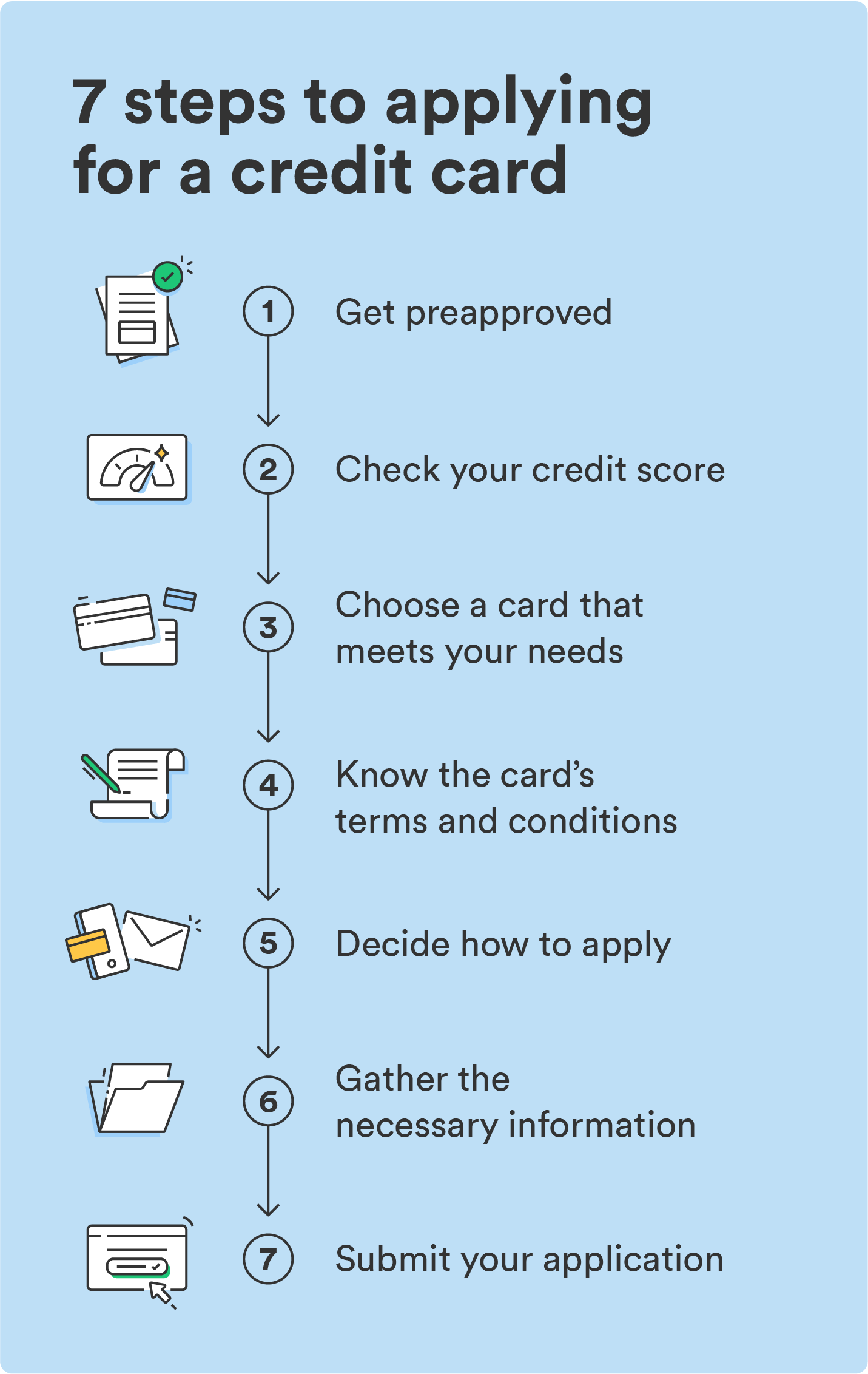
Navigating the online application process can be straightforward if you’re prepared. Here’s a step-by-step guide to ensure a smooth experience.
Preparing Your Financial Documents
Even though the application is online, lenders still require specific information to verify your identity and financial stability. Gather these details before you start:
- Personal Information: Full legal name, date of birth, Social Security Number (SSN) or Individual Taxpayer Identification Number (ITIN), and contact details (phone, email).
- Address History: Current and previous residential addresses.
- Employment Information: Your employer’s name and address, your occupation, and how long you’ve been employed.
- Income Details: Your gross annual income from all sources (salary, investments, bonuses, alimony, etc.). Some lenders might ask for proof of income.
- Financial Accounts: Details of your bank accounts (checking and savings).
Researching and Comparing Credit Card Offers
This is perhaps the most critical preparatory step. Don’s just pick the first card you see.
- Utilize Comparison Websites: Websites like NerdWallet, Credit Karma, Bankrate, and others provide comprehensive comparison tools, allowing you to filter cards by rewards, credit score requirement, interest rates, and more.
- Visit Bank Websites Directly: Once you’ve narrowed down your options, visit the issuing bank’s official website to review the most up-to-date terms and conditions.
- Read Reviews: Look for unbiased reviews from current cardholders to get a realistic perspective on customer service and actual benefits.
- Understand Pre-Qualification: Many sites offer a “pre-qualification” option, which performs a soft credit pull (doesn’t impact your score) to show you which cards you’re likely to be approved for.
Navigating the Online Application Form
Once you’ve chosen a card, the application itself is typically intuitive.
- Access the Official Link: Always apply directly through the issuing bank’s official website or a trusted comparison site that links to the official application.
- Fill Out Accurately: Carefully input all required information. Double-check for typos, especially your SSN and income figures. Inaccurate information can lead to delays or rejection.
- Read the Fine Print: Before submitting, meticulously read the terms and conditions, privacy policy, and any disclaimers. Understand the APR, fees, and potential penalties.
- Submit Your Application: After reviewing everything, click the “submit” button.
Understanding the Approval Process and What Comes Next
What happens after you click submit?
- Instant Decisions: Many online applications provide an instant approval or denial decision, especially if your credit profile is strong and straightforward.
- Pending Review: Some applications may go into a “pending” status, meaning the lender needs to review your information more thoroughly, which might involve a manual review or a request for additional documents.
- Hard Credit Inquiry: Submitting a credit card application typically results in a “hard inquiry” on your credit report, which can temporarily lower your credit score by a few points.
- Welcome Kit: If approved, you’ll receive a welcome kit by mail within a few business days, containing your new card, cardholder agreement, and instructions for activation.
Maximizing Your Chances of Approval and Responsible Use
Getting approved for a credit card is the first step; using it wisely is equally important for your financial health.
What Banks Look For: Creditworthiness and Income Stability
Lenders use a variety of factors to assess your creditworthiness:
- Credit Score and History: A solid history of paying bills on time and managing debt responsibly is paramount.
- Income and Debt-to-Income Ratio: Lenders want to ensure you have sufficient income to manage new credit. Your debt-to-income ratio (DTI) indicates how much of your gross monthly income goes towards debt payments. A lower DTI is generally better.
- Employment Stability: Consistent employment signals reliable income.
- Existing Debt: Too much existing debt can be a red flag, indicating you might be overextended.
Addressing Common Application Pitfalls
Avoid these common mistakes to streamline your application:

- Multiple Applications in a Short Period: Each hard inquiry can slightly ding your credit score. Applying for too many cards at once can make you appear desperate for credit.
- Inaccurate Information: Double-checking all details prevents delays or rejections.
- Not Meeting Minimum Requirements: Don’t apply for cards you clearly don’t qualify for based on your credit score or income. Use pre-qualification tools to guide you.
- Ignoring the Fine Print: Misunderstanding terms can lead to unexpected fees or higher interest rates.
Building and Maintaining a Healthy Credit Score
A strong credit score is your gateway to better financial products and rates.
- Pay Bills on Time, Every Time: Payment history is the most significant factor in your credit score.
- Keep Credit Utilization Low: Aim to use no more than 30% of your available credit across all cards.
- Don’t Close Old Accounts: Longer credit histories are generally better for your score.
- Regularly Check Your Credit Report: Monitor for errors or fraudulent activity.
Responsible Credit Card Management Post-Approval
Once you have your card, responsible usage is key to harnessing its benefits without falling into debt.
- Pay Your Balance in Full Each Month: This avoids interest charges and is the best way to utilize a credit card.
- Set Up Automatic Payments: Ensure you never miss a due date.
- Don’t Overspend: Treat your credit card like cash you already have, not an extension of your income.
- Monitor Your Statements: Regularly review transactions for accuracy and to track your spending.
Exploring Different Types of Credit Cards and Their Benefits
The world of credit cards offers a diverse range of products, each tailored to different financial needs and goals. Understanding these can help you select the most advantageous card.
Rewards Credit Cards (Cash Back, Travel Points)
These cards are designed to reward you for your spending.
- Cash Back Cards: Offer a percentage of your spending back as cash, either as a flat rate on all purchases or higher rates in specific bonus categories that rotate quarterly. Ideal for those who prefer straightforward savings.
- Travel Rewards Cards: Accumulate points or miles that can be redeemed for flights, hotel stays, or other travel-related expenses. Often come with perks like airport lounge access, travel insurance, and no foreign transaction fees. Best for frequent travelers.
Low-Interest Rate and Balance Transfer Cards
These cards are geared towards managing existing debt or minimizing interest accrual.
- Low-Interest Rate Cards: Offer a consistently lower Annual Percentage Rate (APR) compared to standard cards, making them suitable if you occasionally carry a balance.
- Balance Transfer Cards: Provide an introductory 0% APR period (typically 6-21 months) on transferred balances from other credit cards. This allows you to pay down debt without accruing interest during the promotional period, though a balance transfer fee usually applies.
Secured Credit Cards for Building Credit
If you have a limited or poor credit history, a secured credit card can be an excellent starting point.
- How They Work: You provide a security deposit, which typically becomes your credit limit. This deposit acts as collateral, reducing the risk for the lender.
- Benefits: Reports your payment activity to credit bureaus, helping you build a positive credit history when managed responsibly. After a period of good behavior, you may be eligible to upgrade to an unsecured card.
Student Credit Cards
Specifically designed for college students, these cards offer a stepping stone into credit with more lenient approval criteria.
- Features: Often have lower credit limits, student-centric rewards, and educational resources on financial literacy.
- Purpose: Help students establish credit history early, preparing them for future financial products like car loans or mortgages.
Digital Security and Privacy Concerns in Online Applications
While convenient, online applications require vigilance to protect your sensitive financial information.
Protecting Your Personal and Financial Information
Your data is valuable, and fraudsters constantly seek to exploit vulnerabilities.
- Use Strong, Unique Passwords: Especially for financial accounts. Consider a password manager.
- Enable Two-Factor Authentication (2FA): Adds an extra layer of security to your accounts.
- Be Wary of Phishing Attempts: Never click on suspicious links in emails or texts purporting to be from a bank. Always navigate directly to the bank’s website.
- Secure Your Wi-Fi Network: Only apply for credit cards on a private, secure Wi-Fi connection, not public networks.
Identifying Legitimate Application Portals
Ensuring you’re on a genuine website is paramount to prevent identity theft.
- Check the URL: Look for “https://” at the beginning of the website address, indicating a secure connection. There should also be a padlock icon in the browser’s address bar.
- Verify the Domain: Ensure the domain name is correct (e.g., bankofamerica.com, not bankofamerica-online.com).
- Look for Official Logos and Branding: While easily faked, inconsistencies can be a red flag.
- Contact the Issuer Directly: If in doubt, call the bank’s official customer service number (found on their official site, not from the potentially fake site) to verify the application link.
The Role of Encryption and Secure Websites (HTTPS)
Encryption is the backbone of secure online transactions.
- HTTPS Protocol: When you see “HTTPS” in a website’s URL, it means the communication between your browser and the website is encrypted. This makes it extremely difficult for unauthorized parties to intercept and read your data, such as your SSN or income details.
- SSL Certificates: The padlock icon indicates an SSL/TLS certificate, which verifies the website’s identity and enables encrypted communication. Always ensure these security indicators are present before submitting any sensitive information.
Applying for a credit card online offers unparalleled convenience and access, but it demands an informed and responsible approach. By understanding the digital landscape, preparing thoroughly, and prioritizing digital security, you can successfully navigate the process to secure a credit card that aligns with your financial goals, setting the foundation for a robust personal finance journey. Remember, a credit card is a powerful financial tool; wielded wisely, it can unlock numerous benefits and strengthen your financial future.
aViewFromTheCave is a participant in the Amazon Services LLC Associates Program, an affiliate advertising program designed to provide a means for sites to earn advertising fees by advertising and linking to Amazon.com. Amazon, the Amazon logo, AmazonSupply, and the AmazonSupply logo are trademarks of Amazon.com, Inc. or its affiliates. As an Amazon Associate we earn affiliate commissions from qualifying purchases.