
For many entrepreneurs and small business owners, accessing capital can be a formidable hurdle to growth and innovation. While loans and equity investments are common avenues, business grants offer a distinct and highly attractive alternative: non-dilutive funding that doesn’t need to be repaid. This makes grants a powerful tool for accelerating projects, scaling operations, or even launching entirely new ventures without incurring debt or giving up ownership stakes. However, the world of business grants is highly competitive and requires a strategic, well-informed approach. This guide will demystify the process, offering a roadmap from identifying the right opportunities to crafting a compelling proposal and managing a successful award.
Understanding the Landscape of Business Grants
Before diving into the application process, it’s crucial to grasp what business grants are, the various forms they take, and the fundamental criteria that typically govern eligibility. A clear understanding of this landscape will empower you to target your efforts effectively and maximize your chances of success.
What is a Business Grant?
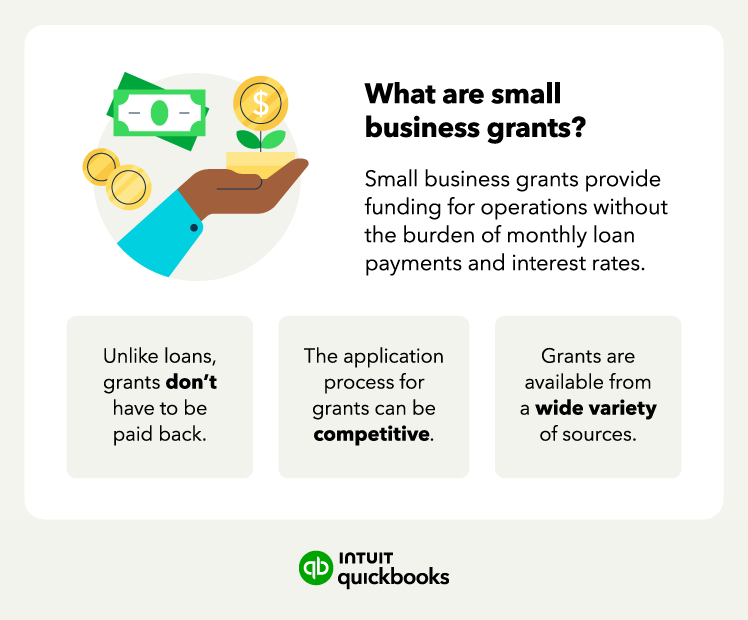
At its core, a business grant is a sum of money awarded to an individual or organization to achieve a specific purpose, project, or mission, without any expectation of repayment. Unlike a loan, which creates a debt obligation, or an investment, which involves an exchange of equity, a grant is essentially a gift—provided the recipient adheres to the terms and conditions set by the grantor. Grantors typically offer funds to stimulate economic growth, foster innovation, address social needs, or support specific industries or demographics that align with their own strategic objectives. This could range from funding cutting-edge research and development to supporting local community initiatives or helping disadvantaged entrepreneurs launch their businesses.
Types of Business Grants
The universe of business grants is diverse, reflecting the varied goals of different funding organizations. Knowing where to look and what type of grant best suits your needs is paramount:
- Federal Grants: These are often the largest and most sought-after grants, typically offered by various U.S. government agencies (e.g., Small Business Administration (SBA), Department of Energy, National Institutes of Health (NIH), Department of Agriculture (USDA)). Programs like the Small Business Innovation Research (SBIR) and Small Business Technology Transfer (STTR) are prime examples, targeting businesses involved in R&D with commercial potential. These grants usually have extensive documentation and strict compliance requirements.
- State and Local Grants: Many states, counties, and cities offer grants to foster local economic development, job creation, or specific community initiatives. These can be easier to obtain than federal grants due to a smaller applicant pool and more localized focus. They might support businesses relocating to a specific area, training local workforce, or developing sustainable practices.
- Private Foundation Grants: Thousands of private foundations exist, established by individuals, families, or corporations for philanthropic purposes. Their grant programs often focus on specific areas like education, arts and culture, environmental protection, health, or social justice. Researching foundations whose mission aligns with your business’s impact or values is key.
- Corporate Grants: Large corporations often have corporate social responsibility (CSR) programs or philanthropic arms that award grants to non-profits and, increasingly, for-profit businesses that align with their brand values or community investment goals. These can be project-specific or aimed at supporting diverse suppliers and community partners.
- Niche Grants: Beyond these broad categories, numerous grants cater to specific demographics or industries. Examples include grants for women-owned businesses, minority-owned businesses, veteran-owned businesses, businesses in rural areas, clean energy startups, arts organizations, or technology innovators. These often have less competition and are tailored to specific needs.
Eligibility Factors and Common Criteria
While specific eligibility criteria vary widely by grant, common factors frequently determine who can apply and receive funding:
- Business Structure and Size: Some grants are exclusively for non-profits, others for for-profit entities. There are often size restrictions (e.g., “small business” definitions based on revenue or employee count).
- Industry and Project Scope: Many grants are highly specialized, targeting businesses within particular sectors (e.g., biotech, manufacturing, agriculture, sustainable technology) or specific types of projects (e.g., R&D, market expansion, equipment purchase, training programs).
- Location: Geographic eligibility is common, especially for state, local, and regional grants, requiring the business to operate within a defined area.
- Ownership Demographics: Grants often prioritize businesses owned by women, minorities, veterans, or individuals from disadvantaged backgrounds to promote equity and inclusion.
- Financial Need and Impact: Grantors look for businesses that genuinely need the funding to achieve their objectives and can demonstrate a significant positive impact—whether economic, social, or environmental—that aligns with the grantor’s mission.
- Operational History: Some grants require a minimum operating history or demonstrable track record, while others target startups.
The Essential Pre-Application Phase: Laying the Foundation
Applying for a business grant is not merely about filling out forms; it’s about strategic preparation. The groundwork you lay before even looking at specific applications will dramatically influence your chances of success.
Define Your Business Needs and Project Scope
The first step is introspective: clearly articulate why you need grant funding and what you intend to do with it.
- What specific problem will the grant address? Are you trying to fund research, develop a new product, expand into a new market, purchase essential equipment, train your workforce, or something else entirely?
- How much funding do you realistically need for this specific project? Develop a detailed, itemized budget that justifies every dollar requested.
- What measurable outcomes or impacts will your project achieve? Grantors want to see results that align with their own objectives. Be specific about the economic, social, or environmental benefits.
- How does this project fit into your overall business strategy? It shouldn’t be an isolated effort but an integral part of your growth plan.
Researching and Identifying Suitable Grants
Once you know what you need, it’s time to find grants that align. This requires diligent research:
- Federal Resources: Start with Grants.gov for federal opportunities. Be prepared for a comprehensive search and extensive documentation requirements.
- State and Local Economic Development Websites: Most states and many large cities have websites dedicated to business support, including grant programs.
- Foundation Directories: Resources like Candid (formerly Foundation Center) offer databases of private foundations. These often require subscriptions but provide invaluable search filters.
- Industry Associations: Your specific industry association may track and disseminate information about grants relevant to your sector.
- Chambers of Commerce and Small Business Development Centers (SBDCs): Local organizations are excellent resources for local grants and often provide free assistance with grant applications.
- Online Grant Databases: Websites like GrantWatch, Hello Alice, and various women-in-business or minority-business support organizations curate grant lists.
- Keyword Search Strategies: Use specific keywords related to your industry, location, target demographic (e.g., “small business grant for women,” “agriculture innovation grant [your state]”).
Preparing Your Business for Grant Applications
A robust business foundation is critical. Grantors want to invest in credible, well-managed entities.
- Develop a Strong Business Plan: This is your foundational document. It should clearly outline your mission, vision, market analysis, operational strategy, management team, and detailed financial projections. Ensure it demonstrates viability and growth potential.
- Detailed Budget Specific to the Grant Project: This is separate from your overall business budget. It must be meticulously prepared, showing exactly how grant funds will be spent, adhering to the grantor’s specific budget categories.
- Ensure Legal Compliance and Good Standing: Your business should be properly registered, in good standing with state and federal authorities, and have all necessary licenses and permits. Grantors will often verify this.
- Craft a Compelling Narrative/Pitch: Be able to articulate your business’s unique value proposition, its potential impact, and why you are the right team to execute the project. This narrative will weave through your entire application.
- Team Credentials: Highlight the expertise and experience of your management team and key personnel involved in the grant project. Their qualifications lend credibility to your ability to deliver.
Crafting a Winning Grant Proposal
The grant proposal is your opportunity to convince the grantor that your project is worthy of their investment. It must be meticulously prepared, persuasive, and directly address the grantor’s priorities.
Understanding the Grantor’s Perspective
A common mistake is focusing solely on what your business needs. Instead, shift your perspective to what the grantor wants to achieve.
- Read the Guidelines Meticulously: This cannot be overstressed. Every grant has specific instructions, criteria, and formatting requirements. Deviating from these can lead to immediate disqualification.
- Identify Their Priorities: What is the grantor’s mission? What problems are they trying to solve? How does your project align with their strategic goals? Frame your proposal in a way that demonstrates this synergy.
- Look at Past Awards: If possible, review projects that the grantor has funded previously. This can provide insight into their preferences and the types of projects they support.
Key Components of a Strong Proposal
While structures vary, most comprehensive grant proposals include similar core elements:
- Executive Summary: A concise (usually one-page) overview that captures the essence of your project, its purpose, the problem it solves, the impact it will have, and the amount of funding requested. It should be compelling enough to make the reader want to learn more.
- Problem Statement/Need Assessment: Clearly articulate the problem or need that your project addresses. Use data and evidence to support your claims and explain why this problem is significant.
- Project Description: Detail your project’s goals, specific measurable objectives, the methodology you will use, the activities involved, and a realistic timeline for completion. This is the “how” of your project.
- Budget and Justification: Provide a detailed line-item budget that shows how every dollar of grant funding will be spent. Crucially, justify each expense, explaining its necessity for the project’s success. Ensure it aligns with your project description.
- Organizational Capacity/Qualifications: Showcase your business’s capabilities, your team’s expertise, and any relevant past successes that demonstrate your ability to successfully execute the proposed project.
- Evaluation Plan: Explain how you will measure the success and impact of your project. What metrics will you use? How will you track progress? This demonstrates accountability.
- Sustainability Plan (if applicable): If your project has an ongoing need for funding beyond the grant period, explain how it will be sustained in the long term.
- Appendices: Include supporting documents such as letters of support, résumés of key personnel, audited financial statements, or relevant permits.
The Art of Persuasive Writing and Storytelling
A grant proposal is not just a technical document; it’s a persuasive argument.
- Clarity, Conciseness, and Professionalism: Use clear, straightforward language. Avoid jargon where possible, and if necessary, explain it. Be concise without sacrificing detail. Maintain a professional tone throughout.
- Highlight Impact, Innovation, and Community Benefit: Emphasize the positive change your project will bring, its unique approach (if applicable), and how it benefits a broader community or addresses a significant societal challenge. Weave in elements of your business’s “story” to make it engaging.
- Proofreading and Editing: Errors undermine credibility. Proofread meticulously for grammar, spelling, and punctuation errors. Have others review it for clarity and coherence.
Post-Submission and Beyond: What to Expect
Submitting your proposal is a significant milestone, but the process doesn’t end there. Understanding the post-submission phase, whether you receive the grant or not, is vital for long-term success.
Follow-Up and Patience
Grant review processes can be lengthy, often taking weeks or even months.
- Adhere to Communication Protocols: Only follow up if the grant guidelines specify a process or timeline for inquiries. Unsolicited calls or emails can be counterproductive.
- Understand Review Timelines: Familiarize yourself with the expected notification dates. Use this time to continue running your business and exploring other funding options.
Managing a Successful Grant
If you are awarded a grant, congratulations! This is where diligent management and compliance become paramount.
- Grant Agreement: Understanding Terms and Conditions: Carefully review and understand every clause of the grant agreement. This document outlines your responsibilities, reporting requirements, allowable expenses, and the grantor’s expectations.
- Reporting Requirements: Financial and Programmatic: Grants almost always come with strict reporting obligations. You’ll need to submit regular financial reports detailing how funds were spent, as well as programmatic reports on your progress towards project objectives.
- Record Keeping: Meticulous Documentation: Maintain impeccable records of all grant-related expenses, activities, communications, and outcomes. This is critical for audits and future reporting.
- Compliance: Adhering to All Stipulations: Ensure your business adheres to all grant stipulations, including any ethical guidelines, procurement rules, or specific outcomes. Failure to comply can result in clawbacks of funds or reputational damage.

Learning from Rejection
Not every application will be successful, and rejection is a common part of the grant-seeking journey. It’s an opportunity for learning and improvement.
- Requesting Feedback: If possible, ask the grantor for feedback on your proposal. Constructive criticism can be invaluable for strengthening future applications.
- Refining Your Approach for Future Applications: Analyze why your proposal might not have been selected. Was it the fit? The clarity? The budget? Use this insight to refine your business plan, project description, and writing style.
- Grants as a Continuous Process: Grant seeking is rarely a one-off event. It’s an ongoing process of research, preparation, application, and learning. Persistence and continuous improvement are key to eventually securing the funding you need.
Securing a business grant can be a transformative event for any enterprise, providing the capital to innovate, expand, and make a significant impact without the burden of debt or dilution of ownership. While the process is demanding, a methodical approach—from thorough preparation and research to crafting a compelling narrative and diligently managing awarded funds—will significantly increase your chances of success. Embrace the challenge, refine your strategy with each attempt, and unlock the non-dilutive funding that can propel your business forward.
aViewFromTheCave is a participant in the Amazon Services LLC Associates Program, an affiliate advertising program designed to provide a means for sites to earn advertising fees by advertising and linking to Amazon.com. Amazon, the Amazon logo, AmazonSupply, and the AmazonSupply logo are trademarks of Amazon.com, Inc. or its affiliates. As an Amazon Associate we earn affiliate commissions from qualifying purchases.