
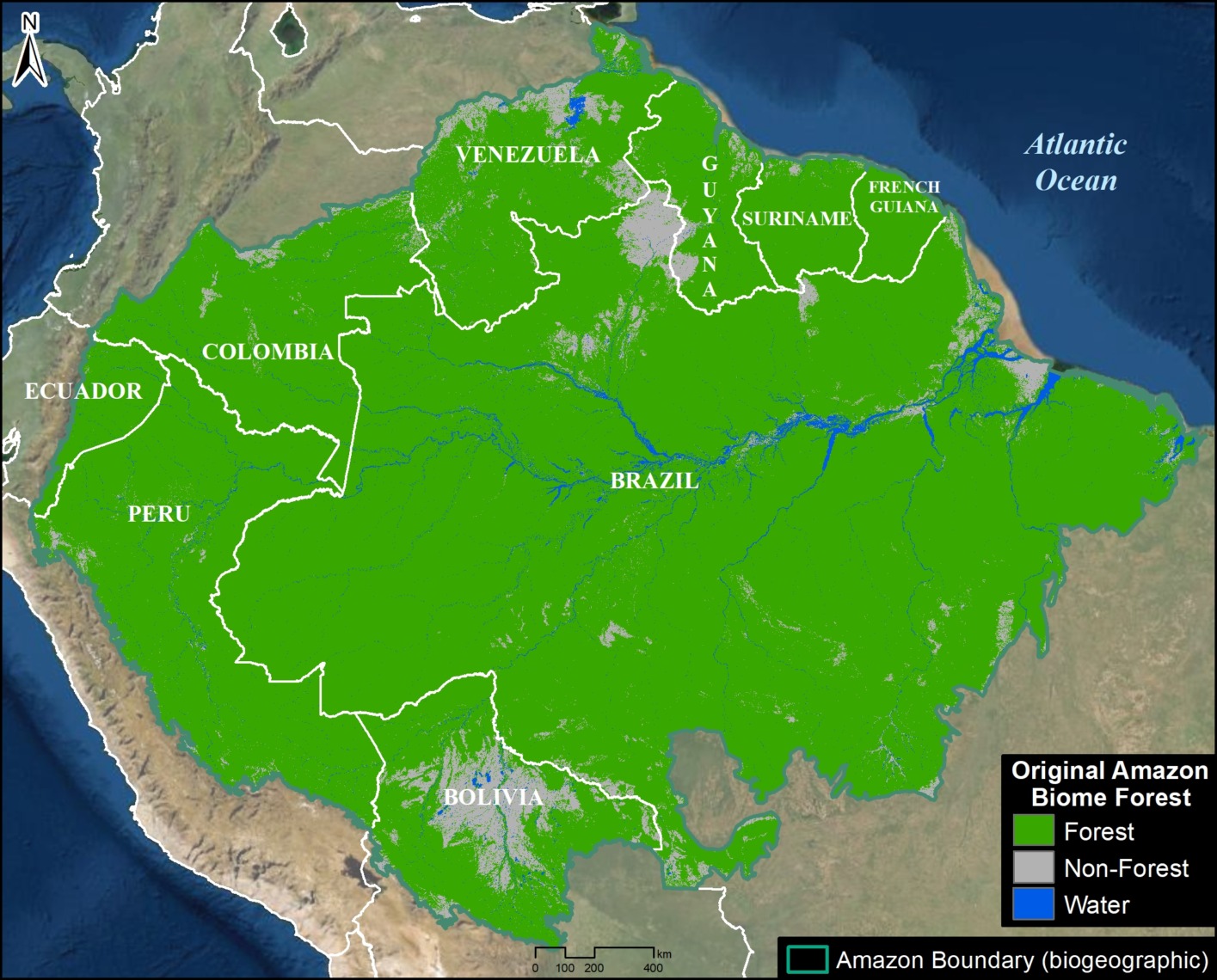
The Amazon rainforest, a colossal expanse of biodiversity and ecological wonder, often conjures images of vibrant flora, exotic fauna, and indigenous cultures. Its physical size — an area spanning roughly 6.7 million square kilometers across nine South American countries — is awe-inspiring. Yet, to truly grasp the Amazon’s “bigness,” we must delve beyond its geographic footprint and explore its profound, often underestimated, economic immensity. From the invaluable ecosystem services it provides to the staggering financial costs of its destruction and the burgeoning opportunities in sustainable finance, the Amazon is a powerhouse of global capital, demanding a sophisticated understanding of its monetary value and financial implications.
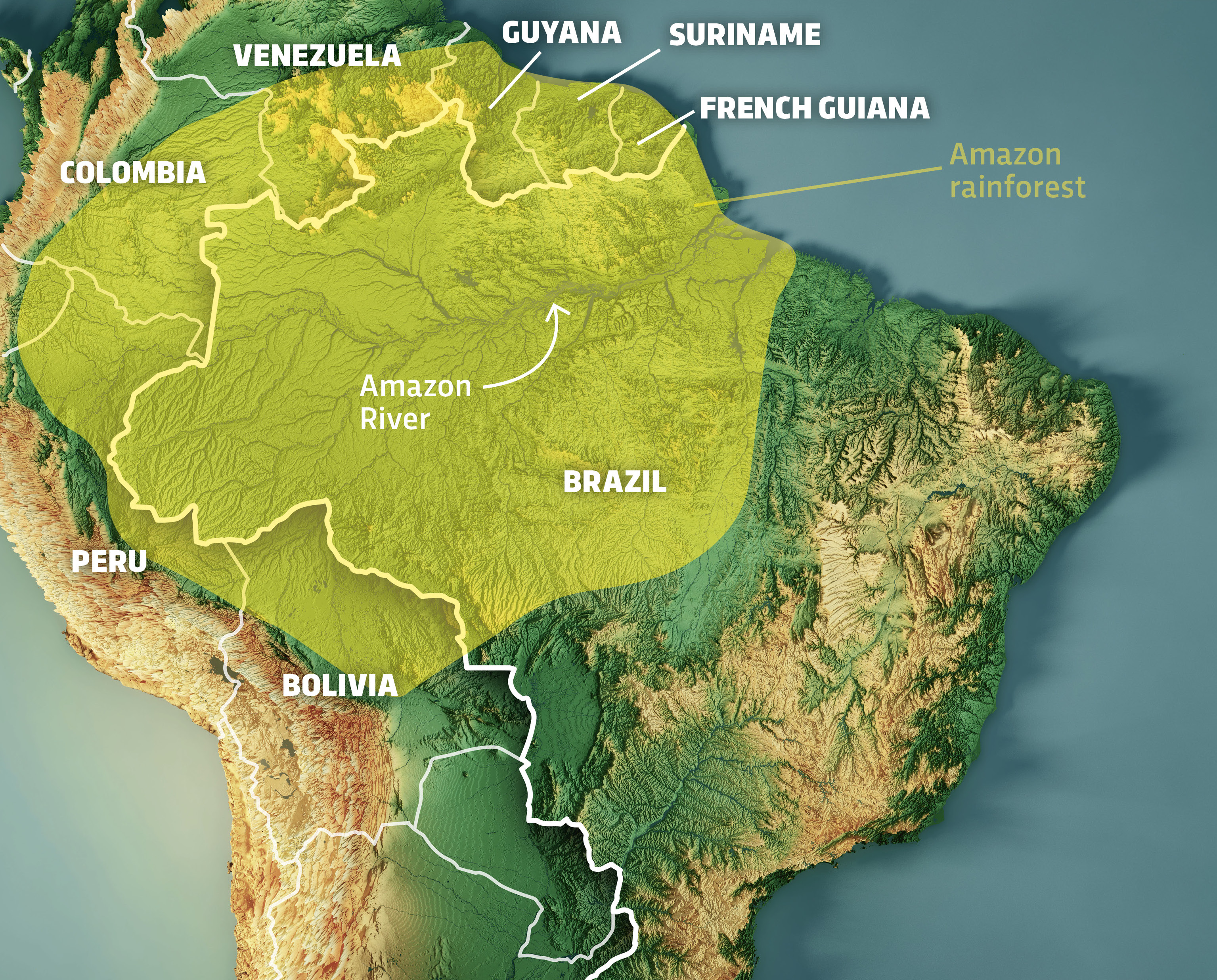
The Amazon’s Untapped Riches: A Global Economic Powerhouse
At its core, the Amazon represents an unparalleled concentration of natural capital, a living treasury whose economic contributions resonate across the planet. Its sheer scale dictates a financial impact that dwarfs many national economies, though much of this value remains unquantified in traditional markets.
Biodiversity as Capital: Estimating Intrinsic Value
The Amazon is home to approximately 10% of the world’s known species, a genetic library whose intrinsic value is immeasurable. From an economic perspective, this biodiversity represents an untapped wealth of potential pharmaceuticals, agricultural innovations, industrial enzymes, and genetic resources. For instance, less than 1% of Amazonian plant species have been studied for their medicinal properties. Each species lost is a potential cure, a resilient crop, or a groundbreaking material that humanity will never discover. Estimating the financial worth of this biodiversity is challenging, but methodologies attempting to do so often place it in the trillions of dollars, considering both direct economic applications and the opportunity costs of its depletion. Companies investing in bioprospecting and sustainable bioproducts are merely scratching the surface of this vast market.
Ecosystem Services: The Unpaid Bill
Beyond tangible resources, the Amazon provides an array of critical “ecosystem services” that underpin global economic stability. It acts as the world’s largest terrestrial carbon sink, absorbing vast quantities of atmospheric carbon dioxide, thereby mitigating climate change. The economic cost of not having this natural service, forcing humanity to invest in artificial carbon capture technologies or suffer the escalating damages from extreme weather, would be astronomical. It influences global weather patterns, generating rainfall essential for agriculture across South America and beyond. It regulates hydrological cycles, providing fresh water and preventing droughts and floods. These services, often taken for granted, represent an unbilled contribution to the global economy, likely valued in the hundreds of billions, if not trillions, of dollars annually, if they were to be replaced by human-made solutions.
Resource Extraction: Short-Term Gains, Long-Term Debts
Historically, and to this day, the Amazon’s economic “bigness” has been exploited through the extraction of its raw materials. Timber, minerals (gold, iron ore), oil, and gas have fueled economies and enriched corporations. While these activities generate immediate revenue and jobs, they often come at a severe ecological and social cost. The financial gains from these industries, though significant in the short term, rarely account for the full externalized costs of environmental degradation, loss of biodiversity, displacement of indigenous communities, and future climate impacts. This represents a transfer of natural capital into financial capital, often without adequate reinvestment into the source, leading to a net economic loss for future generations when the full balance sheet is considered.
The Price of Progress: Economic Costs of Deforestation and Exploitation
The drive for economic growth, often fueled by extractive industries and agricultural expansion, has led to a relentless assault on the Amazon. The “bigness” of this destruction translates into equally immense economic costs, both immediate and projected, that are increasingly being recognized by economists and financial institutions.
The Hidden Costs of Deforestation
Deforestation for cattle ranching, soy cultivation, and logging carries a heavy, often hidden, economic price tag. Beyond the obvious loss of timber value, deforestation diminishes the Amazon’s capacity to provide ecosystem services. Reduced rainfall can lead to agricultural losses in neighboring regions, while increased carbon emissions accelerate climate change, incurring costs from natural disasters, public health crises, and infrastructure damage globally. Studies have attempted to put a price on these losses, suggesting that the long-term economic damage from deforestation far outweighs the short-term profits. For instance, the economic cost of carbon released from Amazonian deforestation alone is estimated to be tens of billions of dollars annually.
Climate Change and Economic Stability
The Amazon’s role as a climate regulator means its degradation has direct financial implications for global economic stability. A “tipping point” in the Amazon, where large parts turn into savanna, would trigger massive increases in global temperatures, severe droughts, and agricultural collapse in various regions, leading to food insecurity and substantial economic disruption. Insurers face escalating claims from extreme weather events, industries reliant on stable climates (agriculture, tourism) suffer losses, and governments bear the financial burden of disaster relief and adaptation measures. The “bigness” of the Amazon’s influence on climate means its instability directly translates into global financial instability.
Global Supply Chains and Financial Risk
Businesses operating in or sourcing from the Amazon, particularly in sectors like beef, soy, and timber, are facing increasing scrutiny and financial risk. Consumers and investors are demanding greater transparency and sustainability. Financial institutions are beginning to divest from companies linked to deforestation, recognizing the reputational, regulatory, and financial risks. Carbon taxes, trade restrictions on unsustainably sourced products, and evolving environmental legislation pose direct financial threats to businesses that do not adapt. The “bigness” of Amazonian issues is increasingly reflected in corporate balance sheets and investor decisions.
Investing in Green: Sustainable Finance and Conservation Economics
Recognizing the economic stakes, there is a growing global movement to channel financial resources towards the Amazon’s conservation and sustainable development. The “bigness” of the challenge is matched by the escalating scale of financial innovation and investment.
Impact Investing and Green Bonds
Impact investing, which seeks both financial returns and positive social/environmental impact, is a rapidly growing sector funneling capital into sustainable Amazonian initiatives. This includes investments in sustainable agriculture, agroforestry, eco-tourism infrastructure, and bio-economy ventures. Green bonds, a fixed-income instrument designed to support climate-related or environmental projects, are also emerging as a mechanism for financing large-scale conservation and restoration efforts in the region, attracting institutional investors seeking to align their portfolios with ESG (Environmental, Social, Governance) principles.
Carbon Markets and Reforestation Credits
The Amazon’s immense capacity as a carbon sink makes it a prime candidate for carbon market mechanisms. Companies and governments seeking to offset their emissions can invest in projects that prevent deforestation (REDD+ initiatives) or promote reforestation in the Amazon. These projects generate carbon credits, which can be traded, providing a direct financial incentive for conservation. The “bigness” of the Amazon’s potential to absorb carbon means these markets could unlock substantial new funding streams for protecting the forest, though their implementation requires robust governance and transparent monitoring.
International Funding Mechanisms
Beyond private investment, significant international financial commitments are made by governments and philanthropic organizations. Funds like the Amazon Fund, supported by countries like Norway and Germany, channel millions into deforestation prevention and sustainable development projects. Multilateral development banks, such as the Inter-American Development Bank and the World Bank, also play a crucial role, lending billions for infrastructure projects that integrate environmental safeguards or specifically target sustainable land use and community development. These mechanisms underscore the global recognition of the Amazon’s financial significance.
Beyond Extraction: Sustainable Economic Models for Amazonian Prosperity
The long-term financial health of the Amazon, and by extension the planet, lies in fostering economic models that move beyond destructive extraction towards sustainable utilization of its unique resources. This means leveraging the “bigness” of its biodiversity for innovative, value-added products and services.
Ecotourism: A Sustainable Revenue Stream
The Amazon’s unparalleled natural beauty and cultural richness offer immense potential for ecotourism. Well-managed ecotourism ventures can generate significant revenue, create local employment, and provide direct financial incentives for conservation, allowing communities to see the economic benefits of protecting their environment. This model leverages the Amazon’s intrinsic appeal without depleting its natural capital, promoting experiential value over extractive value. The global demand for authentic nature experiences positions the Amazon for substantial growth in this sector, if managed responsibly.
Bio-economy: Innovation from Nature
The concept of a “bio-economy” in the Amazon focuses on developing industries that sustainably utilize its biological resources to create high-value products. This includes the development of new foods, cosmetics, medicines, and biomaterials derived from native plants and animals, processed locally to retain economic benefits within the region. Research into sustainable harvesting techniques, cultivation of native species, and value-adding processing can unlock substantial new markets. This represents a paradigm shift, transforming the forest from a source of raw materials into a vibrant hub of innovation and sustainable enterprise.
Empowering Local Economies
Central to sustainable Amazonian prosperity is the economic empowerment of indigenous peoples and local communities. Their traditional knowledge and practices are invaluable for sustainable forest management. Investing in community-based enterprises, providing access to markets for sustainably harvested forest products (like Brazil nuts, açai, and rubber), and supporting their land rights can create resilient local economies. This approach ensures that the financial benefits of the forest are distributed equitably, providing compelling incentives for conservation from the ground up.
The Financial Horizon: Risk, Opportunity, and the Future of Amazonian Capital
The economic future of the Amazon hangs in a delicate balance between persistent threats and burgeoning opportunities. The “bigness” of its challenges demands equally “big” and decisive financial strategies.
Policy Frameworks and Economic Incentives
Strong policy frameworks are essential to align economic activity with conservation goals. This includes effective law enforcement against illegal deforestation, clear land tenure policies, and economic incentives for sustainable practices (e.g., subsidies for agroforestry, tax breaks for sustainable businesses). Governments play a crucial role in shaping the financial landscape, making sustainable choices more profitable and destructive ones more costly. The economic “bigness” of the Amazon requires a commensurate policy response that integrates environmental and financial planning.
The Role of Global Financial Institutions
International financial institutions, from central banks to private equity firms, hold immense power to influence the Amazon’s fate. By integrating environmental risk into financial assessments, requiring robust ESG due diligence, and actively divesting from destructive industries, these institutions can steer trillions of dollars towards sustainable pathways. Campaigns urging banks to stop funding companies linked to deforestation are gaining traction, reflecting a growing recognition that the financial sector’s decisions have profound real-world impacts.

Securing a Sustainable Financial Future
Ultimately, understanding “how big the Amazon rainforest” is, from an economic perspective, is a call to action. It compels us to recognize that its financial value is not solely in what can be extracted, but in its continued existence as a functioning ecosystem. The investment required to secure its future is substantial, but the cost of inaction — both environmental and financial — is immeasurably greater. By embracing innovative financial mechanisms, fostering sustainable economies, and holding financial actors accountable, humanity has the opportunity to unlock the Amazon’s true, immense, and sustainable economic potential, ensuring its wealth benefits all, for generations to come. The “bigness” of the Amazon’s challenge is matched only by the “bigness” of the financial opportunity it presents for a sustainable global future.
aViewFromTheCave is a participant in the Amazon Services LLC Associates Program, an affiliate advertising program designed to provide a means for sites to earn advertising fees by advertising and linking to Amazon.com. Amazon, the Amazon logo, AmazonSupply, and the AmazonSupply logo are trademarks of Amazon.com, Inc. or its affiliates. As an Amazon Associate we earn affiliate commissions from qualifying purchases.