
Securing a home loan is a pivotal step for many individuals and families, representing one of the largest financial commitments they will ever undertake. Determining the maximum loan amount you can qualify for, and more importantly, comfortably afford, involves a complex interplay of personal financial metrics and lender criteria. Understanding these elements is crucial for navigating the mortgage landscape effectively and making an informed decision about your homeownership journey.
Understanding the Core Factors That Determine Your Loan Amount
Lenders employ a rigorous evaluation process to assess your creditworthiness and capacity to repay a mortgage. Several key financial indicators weigh heavily in their decision-making, directly influencing the principal amount you can borrow.

Income and Employment Stability
Your income is the primary indicator of your ability to make consistent monthly mortgage payments. Lenders typically look for a stable employment history, often preferring two years or more in the same line of work or with the same employer. They will verify your gross income through pay stubs, W-2 forms, and tax returns. Self-employed individuals may face more stringent requirements, needing to provide several years of detailed tax returns to demonstrate consistent profitability. Beyond the raw income figure, the stability and predictability of your earnings play a significant role. Irregular income, such as commissions or bonuses, may be averaged over time or discounted by some lenders, potentially reducing your perceived borrowing power.
Credit Score and History
Your credit score, primarily your FICO score, serves as a numerical representation of your credit risk. A higher score signifies a lower risk to lenders. Scores generally range from 300 to 850, with scores above 740 typically considered excellent. Lenders use this score to determine not only your eligibility for a loan but also the interest rate you’ll be offered. A strong credit history, characterized by on-time payments, a low credit utilization ratio, and a mix of credit types, signals responsible financial management. Conversely, late payments, defaults, bankruptcies, or high credit card balances can severely restrict your borrowing capacity or lead to outright denial. Different loan programs (e.g., FHA vs. Conventional) may have varying minimum credit score requirements, impacting the types of loans you can access.
Debt-to-Income (DTI) Ratio
The Debt-to-Income (DTI) ratio is one of the most critical metrics lenders use. It compares your total monthly debt payments to your gross monthly income. Lenders typically focus on two types of DTI:
- Front-end ratio: This is the percentage of your gross income that goes towards housing costs (principal, interest, taxes, insurance, and HOA fees).
- Back-end ratio: This includes your housing costs plus all other minimum monthly debt payments (credit cards, auto loans, student loans, personal loans).
Most conventional lenders prefer a back-end DTI of 36% or less, though some may go up to 43% or even 50% for certain loan types or borrowers with strong compensating factors like a large down payment or significant reserves. A lower DTI ratio indicates you have more disposable income available to cover your mortgage payments, making you a less risky borrower.
Down Payment Size
The size of your down payment directly impacts the loan amount you need and can also influence the lender’s perception of your risk. A larger down payment reduces the loan-to-value (LTV) ratio, which is the amount of the loan compared to the home’s appraised value. A lower LTV means the lender has less financial exposure should the property value decline. A substantial down payment (e.g., 20% or more) can not only reduce your monthly payments but also eliminate the need for private mortgage insurance (PMI) on conventional loans, further enhancing your affordability and potentially increasing the total loan amount you can comfortably handle. Many loan programs offer low down payment options (e.g., 3.5% for FHA, 0% for VA/USDA), but these often come with specific requirements or additional costs like mortgage insurance premiums.
Current Interest Rates
Mortgage interest rates fluctuate based on market conditions, economic indicators, and Federal Reserve policies. A lower interest rate means a smaller portion of your monthly payment goes towards interest, allowing more to go towards the principal, or enabling you to qualify for a larger loan amount with the same monthly payment. Conversely, higher interest rates reduce your purchasing power. Even a small increase in the interest rate can significantly impact the total cost of the loan over its lifetime and the size of your monthly payment, thereby affecting the maximum loan you can afford.
The Lender’s Perspective: What They Look For
Understanding how lenders evaluate these factors can help you prepare your finances and documentation. Their goal is to assess risk and ensure you are a reliable borrower.
Calculating Your Debt-to-Income Ratio (DTI)
Lenders rigorously calculate your DTI. They will sum up all your monthly minimum debt payments – credit cards, student loans, auto loans, and any other installment loans. This total is then divided by your gross monthly income. As mentioned, the stricter back-end DTI (including the proposed new housing payment) is often the most critical. While some loan programs (like FHA) may allow slightly higher DTI ratios, they often require other compensating factors, such as higher cash reserves or a very strong credit score. Exceeding common DTI thresholds is a major red flag for lenders.
Assessing Your Creditworthiness
Beyond the FICO score, lenders delve into your credit report to understand the components of your score. They look for:
- Payment history: Consistency in paying bills on time is paramount.
- Amounts owed: High balances on credit cards or other revolving credit can be a concern, even if payments are current.
- Length of credit history: A longer history with responsible usage is generally favorable.
- Types of credit used: A mix of revolving and installment credit can be positive.
- New credit: Too many recent credit inquiries or new accounts can signal financial distress or increased risk.
Lenders want to see a pattern of responsible credit management, indicating you will treat your mortgage payment with similar diligence.
Verifying Income and Assets
Lenders are obligated to verify every aspect of your financial application. This means requesting extensive documentation:
- Income verification: W-2s, pay stubs (most recent 30-60 days), two years of federal tax returns (especially for self-employed individuals or those with commission income), and sometimes a Verification of Employment (VOE) directly from your employer.
- Asset verification: Bank statements (most recent 60 days) to confirm funds for the down payment and closing costs, as well as reserves. They also look for unexplained large deposits, which may require further explanation. Investment statements are also reviewed.
- Other documentation: Divorce decrees for alimony/child support, bankruptcy discharge papers, etc., may be required depending on your financial history.
This thorough verification process ensures the information you provide is accurate and complete, supporting your financial capacity.
Loan-to-Value (LTV) Ratio
The LTV ratio is a measure of risk for the lender. It’s calculated by dividing the loan amount by the home’s appraised value. For example, a $160,000 loan on a $200,000 home results in an 80% LTV. Lenders view lower LTVs as less risky. If your LTV is above 80% for a conventional loan, you will typically be required to pay private mortgage insurance (PMI). Some loan programs, like FHA, always require mortgage insurance regardless of LTV. A higher down payment directly translates to a lower LTV, which can make your application more attractive and potentially open doors to better interest rates.
Types of Home Loans and Their Influence on Borrowing Capacity
Different loan products are designed to serve various borrower profiles and financial situations, each with distinct eligibility criteria that can impact how much you can borrow.
Conventional Loans
Conventional loans are not insured or guaranteed by the government and are typically underwritten by Fannie Mae and Freddie Mac. They often require good to excellent credit (usually 620+ FICO, though 700+ is ideal for best rates) and generally prefer a DTI ratio below 43%. While 20% down is ideal to avoid PMI, many conventional loans offer options with as little as 3-5% down, though PMI will be required. These loans are flexible but tend to be stricter on credit and DTI than government-backed options, meaning a strong financial profile can lead to a larger loan amount and better terms.
FHA Loans
Insured by the Federal Housing Administration (FHA), these loans are designed to make homeownership more accessible, especially for first-time homebuyers or those with less-than-perfect credit. FHA loans allow for lower credit scores (as low as 580 with 3.5% down, or 500-579 with 10% down) and higher DTI ratios (up to 43-50% in some cases). However, they require both an upfront mortgage insurance premium (UFMIP) and annual mortgage insurance premiums (MIP), which increase the overall cost of the loan. While offering more flexibility in qualification, the added cost of MIP means the actual loan principal you can afford for the same monthly payment might be slightly less compared to a conventional loan without PMI.
VA Loans
Guaranteed by the U.S. Department of Veterans Affairs (VA), these loans are a significant benefit for eligible service members, veterans, and surviving spouses. VA loans are renowned for requiring no down payment and no private mortgage insurance. They also typically offer competitive interest rates and have more flexible credit requirements than conventional loans. The absence of a down payment and PMI can significantly increase a veteran’s borrowing power, allowing them to qualify for a larger loan amount for the same monthly budget. However, there is a VA funding fee, which can be financed into the loan.
USDA Loans
Backed by the U.S. Department of Agriculture (USDA), these loans are designed to promote homeownership in eligible rural and suburban areas. Similar to VA loans, they require no down payment and offer competitive interest rates. They have income limits based on the area and property location must be in a USDA-eligible zone. USDA loans also require an upfront and annual guarantee fee, similar to FHA’s mortgage insurance. For qualifying individuals in eligible areas, these loans can provide substantial borrowing capacity due to the 0% down payment feature.
Jumbo Loans
Jumbo loans are non-conforming mortgages used for loan amounts that exceed the conforming loan limits set by Fannie Mae and Freddie Mac. These limits vary by county. Jumbo loans typically require excellent credit, a substantial down payment (often 10-20% or more), a lower DTI ratio, and significant cash reserves after closing. They are designed for high-value properties and thus require a very strong financial standing to qualify for the large loan amounts involved.
Strategies to Increase Your Loan Qualification and Affordability
If the initial assessment of your borrowing capacity falls short of your aspirations, several proactive steps can improve your financial profile and increase the loan amount you can qualify for.
Improve Your Credit Score
This is foundational. Begin by obtaining your credit reports from all three major bureaus (Equifax, Experian, TransUnion) and dispute any errors. Pay all bills on time, every time. Reduce credit card balances to below 30% of your available credit limit, ideally even lower. Avoid opening new credit accounts or closing old ones before applying for a mortgage, as both can negatively impact your score. A higher credit score can qualify you for a larger loan amount and a lower interest rate, reducing your monthly payment and increasing overall affordability.
Reduce Your Debt-to-Income Ratio
Aggressively pay down existing debts, particularly high-interest credit card balances and personal loans. Consider consolidating high-interest debts if it lowers your monthly payments without extending the repayment period excessively. Avoid taking on new debt before and during the mortgage application process. A lower DTI ratio signals to lenders that you have more financial bandwidth for mortgage payments, potentially allowing you to qualify for a higher loan.
Increase Your Down Payment
Saving more for a down payment is one of the most impactful strategies. A larger down payment reduces the loan principal, lowers your monthly payments, decreases your LTV ratio (making you a less risky borrower), and can eliminate PMI on conventional loans. This directly translates to either qualifying for a larger home for the same monthly payment or significantly reducing your financial burden. Explore down payment assistance programs if available in your area.
Boost Your Income
While not always immediately feasible, increasing your verifiable income directly improves your DTI ratio and overall borrowing capacity. This could involve negotiating a raise, seeking a higher-paying job, or taking on a consistent side hustle that provides documented income. Lenders need to see a stable history of this increased income (typically 12-24 months) to consider it in their calculations.
Shop Around for Lenders
Interest rates, fees, and loan programs vary significantly among lenders. Contact multiple mortgage brokers and banks to compare offers. Even a small difference in the interest rate or closing costs can amount to tens of thousands of dollars over the life of the loan and impact your monthly payment, thereby affecting the loan amount you can afford.
Consider a Co-Borrower
If your income or credit profile alone isn’t sufficient, adding a financially strong co-borrower (who will also be living in the home) can combine incomes and credit scores, potentially increasing the total loan amount you can qualify for. However, remember that all co-borrowers are equally responsible for the debt, and their financial history will also be scrutinized.
Beyond the Qualification: What You Can Afford
While knowing how much a lender will give you is important, understanding how much you can comfortably afford is paramount for long-term financial stability. Lenders’ maximums often push the limits of what is truly sustainable.
The 28/36 Rule
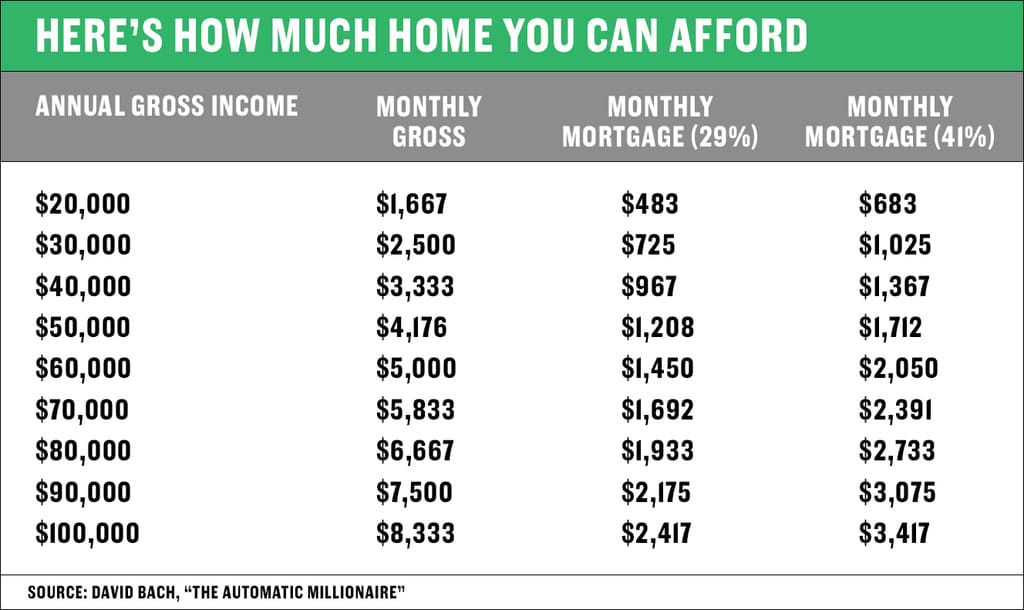
A common personal finance guideline is the 28/36 rule. It suggests that your housing expenses (principal, interest, property taxes, and homeowner’s insurance – PITI) should not exceed 28% of your gross monthly income, and your total debt payments (including PITI) should not exceed 36% of your gross monthly income. While lenders may approve higher percentages, adhering to this rule provides a healthier buffer in your budget.
Account for All Housing Costs
Your mortgage payment is more than just principal and interest. Remember to factor in:
- Property Taxes: These can be significant and vary widely by location.
- Homeowner’s Insurance: Essential for protecting your investment.
- Private Mortgage Insurance (PMI) or Mortgage Insurance Premium (MIP): If your down payment is less than 20% on a conventional loan, or if you have an FHA/USDA loan.
- Homeowners Association (HOA) Fees: If applicable, these are recurring mandatory costs.
- Utilities: Heating, cooling, electricity, water, internet – these add up.
- Maintenance and Repairs: Experts recommend budgeting 1-3% of the home’s value annually for unforeseen repairs and routine maintenance.
Overlooking these additional costs can lead to financial strain even if your mortgage payment seems manageable.
Create a Realistic Budget
Before committing to a mortgage, meticulously review your entire monthly budget. Track all your income and expenses for several months to get a clear picture of your spending habits. This will help you understand how a new mortgage payment fits into your lifestyle, leaving room for savings, emergencies, and discretionary spending. Don’t forget costs associated with moving, furnishing, and initial home improvements.

Future Financial Goals
Consider your long-term financial goals. Do you plan to start a family, save for retirement, invest, or pursue further education? Overextending yourself with a mortgage can hinder these other important objectives. Ensure your home loan choice aligns with your broader financial roadmap, allowing you to build equity without sacrificing your financial future.
Ultimately, the maximum home loan you can get is a reflection of your financial health and a lender’s risk assessment. The amount you should borrow, however, hinges on your personal comfort level, budget, and long-term financial aspirations. A prudent approach involves optimizing your financial profile while adhering to a realistic assessment of your true affordability.
aViewFromTheCave is a participant in the Amazon Services LLC Associates Program, an affiliate advertising program designed to provide a means for sites to earn advertising fees by advertising and linking to Amazon.com. Amazon, the Amazon logo, AmazonSupply, and the AmazonSupply logo are trademarks of Amazon.com, Inc. or its affiliates. As an Amazon Associate we earn affiliate commissions from qualifying purchases.