
Wells Fargo is a name synonymous with American banking, a fixture in the financial landscape that evokes both immense scale and a storied history. But beyond its familiar stagecoach logo and ubiquitous branches, just how big is this financial behemoth? The question of its size isn’t merely academic; it’s a critical inquiry for investors, regulators, customers, and anyone seeking to understand the powerful forces shaping the modern economy. To truly grasp the magnitude of Wells Fargo, we must delve into its vast financial metrics, operational footprint, systemic importance, and its enduring role within the complex tapestry of global finance. This exploration will strictly adhere to a “Money” perspective, focusing on the quantitative and qualitative financial aspects that define its immense scale and influence.

The Core Metrics of Magnitude: What Defines Wells Fargo’s Scale?
Understanding Wells Fargo’s size begins with a deep dive into the fundamental financial metrics that underpin any major corporation. These figures offer a tangible measure of its economic heft, revealing how it stands relative to competitors and the broader economy. It’s not just about a single number, but a constellation of indicators that collectively paint a comprehensive picture of its colossal proportions.
Total Assets and Market Capitalization: The Foundation of Scale
At the apex of financial metrics for any bank is its total assets. This figure represents the sum of all economic resources controlled by the institution, including loans, investments, cash, and other holdings. For a bank like Wells Fargo, total assets often run into the trillions of dollars, placing it among a very select group of global financial institutions. This immense asset base signifies its capacity to lend, invest, and facilitate economic activity on a grand scale. Directly related is its market capitalization, which is the total value of its outstanding shares in the stock market. Market cap reflects investor confidence and the market’s perception of the bank’s future earnings potential, further cementing its position as a publicly traded titan. A high market capitalization indicates not only current size but also a significant weight in major stock indices, influencing countless investment portfolios globally.
Revenue and Profitability: Fueling the Engine
While assets represent resources, revenue and profitability demonstrate how effectively those resources are being utilized to generate wealth. Wells Fargo generates billions in revenue annually through a multitude of channels: interest income from its vast loan portfolios (mortgages, commercial loans, auto loans), fees from wealth management services, transaction fees, and investment banking activities. Its net income, the ultimate measure of profitability, runs into the tens of billions, underscoring its ability to consistently generate substantial returns for shareholders. These robust revenue streams and high profitability are not just indicators of success; they are the fuel that enables its continued growth, investment in new technologies, and ability to weather economic downturns, thereby reinforcing its financial stability and sheer operational scale.
Geographic Reach and Physical Presence
The concept of “how big” for a bank also extends to its physical and operational footprint. Wells Fargo boasts one of the largest branch networks in the United States, providing a tangible presence in communities across the nation. This extensive network of physical branches, coupled with a vast network of ATMs, serves as critical infrastructure for customer engagement, deposit gathering, and localized lending. While digital banking has reshaped the industry, the physical presence remains a significant differentiator, especially for certain customer segments and complex financial transactions. This widespread geographic reach ensures that Wells Fargo is not just a national player but an integral part of the local economies it serves, contributing to its overall scale and market penetration.
A Closer Look at Operational Footprint: Serving Millions
Beyond the raw financial numbers, the operational footprint of Wells Fargo provides further insight into its massive scale. It’s a complex ecosystem built to serve a diverse client base, employing a vast workforce, and operating across multiple specialized business segments. This intricate machinery highlights the sheer logistical challenge and financial capacity required to run such an institution.
Customer Base and Account Volume
Wells Fargo serves tens of millions of customers, ranging from individual consumers and small businesses to large corporations and institutional investors. This enormous customer base translates into an equally staggering account volume, including checking and savings accounts, credit cards, mortgage loans, auto loans, and investment accounts. Each account represents a financial relationship, contributing to the bank’s deposit base, loan portfolio, and fee income. The sheer volume of transactions processed daily – from ATM withdrawals and mobile payments to large-scale wire transfers – underscores the immense technological and financial infrastructure required to manage such a vast network of financial interactions efficiently and securely.
Workforce and Human Capital
Operating a financial institution of Wells Fargo’s magnitude requires an enormous human capital investment. The bank employs hundreds of thousands of individuals across various roles: branch staff, loan officers, financial advisors, risk managers, technology specialists, compliance officers, and countless administrative and support personnel. This massive workforce is a significant economic engine in itself, contributing to local economies through salaries and benefits. Furthermore, the specialized skills and expertise of its employees are critical assets, driving innovation, managing complex financial products, and ensuring regulatory compliance across its diverse operations. The scale of its human capital directly reflects the breadth and depth of its financial services offerings.
Diversified Business Segments: Beyond Traditional Banking
Wells Fargo is far more than just a consumer bank. Its operational scale is amplified by its diversification across numerous business segments. These typically include:
-
Community Banking: Serving individuals and small businesses with checking, savings, credit cards, and personal loans. This forms the bedrock of its customer base.
-
Wholesale Banking: Providing financial services to large corporations, institutional clients, and government entities, including commercial lending, treasury management, and capital markets services.
-
Wealth & Investment Management: Offering brokerage services, private banking, asset management, and retirement planning to affluent individuals and institutional clients.
-
Corporate & Investment Banking: Engaging in mergers and acquisitions advisory, equity and debt underwriting, and other capital markets activities for corporate clients.
This multi-faceted approach ensures that Wells Fargo captures revenue from various parts of the financial value chain, making its overall structure incredibly robust and expansive. Each segment operates on a massive scale, collectively contributing to the bank’s formidable presence in the financial world.
Systemic Importance and Market Influence
The sheer size of Wells Fargo transcends its internal metrics; it extends into its profound impact on the broader financial system and economy. Its scale renders it a “systemically important financial institution,” a designation that carries significant implications for regulatory oversight and its role during economic fluctuations.

“Too Big to Fail”: Regulatory Implications
Wells Fargo is consistently identified as a “Systemically Important Financial Institution” (SIFI), often colloquially referred to as “too big to fail.” This designation, primarily by regulators like the Financial Stability Board, stems from its immense size, interconnectedness, and complexity. The failure of such an institution could trigger a cascade of negative effects across the global financial system and real economy. As a SIFI, Wells Fargo is subject to enhanced regulatory scrutiny, more stringent capital requirements, and rigorous stress tests. These measures are designed to ensure its stability and resilience, not just for the sake of its shareholders but for the protection of the entire financial system. The financial commitment required to meet these regulatory obligations is a testament to the immense resources and robust governance framework mandated by its “too big to fail” status.
Market Share Across Key Financial Products
Wells Fargo’s size is also vividly reflected in its substantial market share across key financial products. For instance, historically, it has been one of the largest mortgage originators and servicers in the United States, playing a pivotal role in the housing market. Similarly, it holds significant market share in auto lending, small business lending, and various investment products. This dominant market presence gives it considerable pricing power, brand recognition, and influence over industry trends. Its ability to attract and retain customers across these diverse product lines is a direct consequence of its extensive branch network, diversified offerings, and deep financial pockets, making it a critical barometer for numerous sectors of the economy.
Economic Impact: A Lender to Main Street and Beyond
As one of the largest lenders in the country, Wells Fargo has an enormous economic impact. It provides the capital that fuels economic growth, from small businesses seeking expansion loans to large corporations funding major projects. Its lending activities support job creation, facilitate consumer spending, and enable individuals to achieve milestones like homeownership or higher education. The billions of dollars in loans and credit extended by Wells Fargo directly translate into economic activity across countless industries. Furthermore, its role as a major employer and taxpayer further contributes to national and local economies, solidifying its position not just as a financial services provider, but as a crucial economic actor deeply embedded in the fabric of American commerce.
Navigating Challenges and Shaping the Future of a Megabank
Even a financial giant like Wells Fargo is not immune to challenges. Its immense scale, while offering strengths, also brings heightened scrutiny and complexity. How it addresses these challenges and adapts to a rapidly evolving financial landscape will ultimately shape its future trajectory and continued relevance.
Reputational Headwinds and Financial Penalties: A Test of Resilience
The scale of Wells Fargo means that any missteps or ethical breaches garner significant public attention and regulatory action. Over the past decade, the bank has faced substantial reputational headwinds and incurred billions of dollars in financial penalties due to various scandals, notably the widespread creation of “phantom accounts” and other customer abuses. These issues have tested its resilience, forcing extensive internal reforms, leadership changes, and a renewed focus on risk management and ethical conduct. The financial cost of these penalties and the ongoing investment in compliance and remediation underscore the vast resources required to manage risk at such an immense scale. These challenges, while severe, have also provided a stark lesson in the responsibilities that accompany being a financial titan.
Strategic Evolution in a Digital Age
The banking industry is undergoing a profound transformation driven by digital innovation. Wells Fargo, by virtue of its size and legacy infrastructure, faces the dual challenge of maintaining its traditional strengths while rapidly adopting new technologies. Its strategic evolution in a digital age involves massive investments in online and mobile banking platforms, artificial intelligence for customer service and fraud detection, and cybersecurity measures to protect its vast digital assets. The aim is to enhance customer experience, improve operational efficiency, and remain competitive against agile fintech startups and other tech-forward financial institutions. The financial commitment to this digital transformation is immense, reflecting the strategic imperative to adapt and modernize to preserve its competitive edge and customer base in an increasingly digital world.
Competitive Landscape and Future Growth Vectors
Wells Fargo operates within an intensely competitive landscape, vying for market share against other “Big Four” banks (JPMorgan Chase, Bank of America, Citigroup), regional banks, credit unions, and a burgeoning array of non-bank financial services providers. Its future growth vectors will likely focus on leveraging its existing customer relationships, expanding its digital offerings, selectively growing in key markets, and enhancing its wealth management and corporate banking divisions. The pursuit of sustainable, compliant growth is paramount, moving beyond the aggressive sales culture that led to past issues. The strategic allocation of its massive capital base towards these growth areas will be critical in ensuring its continued dominance and relevance in the evolving financial ecosystem.
Wells Fargo’s Place in the Financial Ecosystem
In conclusion, the question “how big is Wells Fargo” unveils a multifaceted reality. It is not just a bank; it is a critical component of the American financial infrastructure, characterized by trillions in assets, millions of customers, and hundreds of thousands of employees. Its scale is a testament to its historical growth, strategic acquisitions, and pervasive reach across nearly every facet of the financial lives of individuals and businesses.
Comparing to Peers: The “Big Four” Context
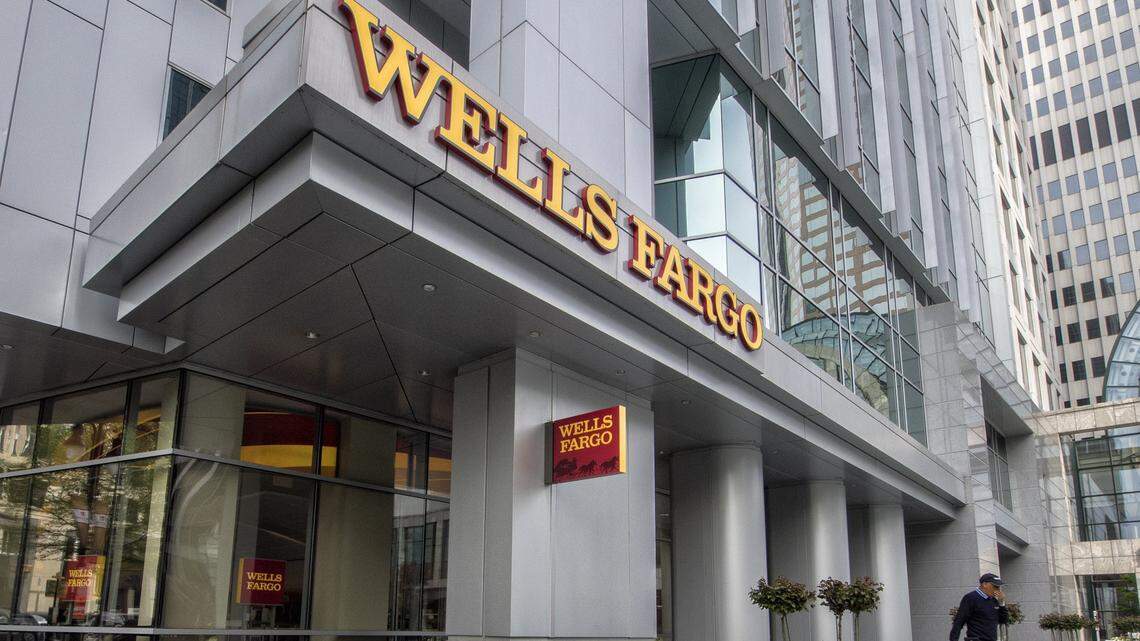
Within the United States, Wells Fargo consistently ranks as one of the “Big Four” banks, alongside JPMorgan Chase, Bank of America, and Citigroup. This categorization is based on similar metrics of total assets, market capitalization, and national footprint. While specific rankings may fluctuate annually based on market performance and strategic shifts, its consistent presence in this elite group underscores its peerless scale within the domestic market. Its relative size and strategic focus compared to these peers constantly shape competitive dynamics, influencing everything from interest rates to the pace of technological adoption across the industry.
Global Presence and Ambitions
While predominantly focused on the U.S. market, Wells Fargo also maintains a global presence, serving clients in various international locations through wholesale banking, wealth management, and capital markets operations. This international footprint, though smaller than some of its more globally diversified counterparts, ensures it can support the cross-border needs of its corporate and institutional clients. Its ambitions, while tempered by regulatory lessons and a concentrated domestic strategy, continue to position it as a significant player in the broader global financial ecosystem, a behemoth whose financial decisions and health resonate far beyond American shores. Ultimately, Wells Fargo’s immense size is a double-edged sword: a source of incredible strength and stability, yet also a magnet for scrutiny and a complex entity to manage in an ever-changing financial world.
aViewFromTheCave is a participant in the Amazon Services LLC Associates Program, an affiliate advertising program designed to provide a means for sites to earn advertising fees by advertising and linking to Amazon.com. Amazon, the Amazon logo, AmazonSupply, and the AmazonSupply logo are trademarks of Amazon.com, Inc. or its affiliates. As an Amazon Associate we earn affiliate commissions from qualifying purchases.