
The seemingly straightforward question, “How big can a carry-on be on American Airlines?” transcends a mere query about dimensions. It delves into the intricate fabric of American Airlines’ brand strategy, its corporate identity, and the practical execution of its customer promise. For a global airline, every policy, from seat pitch to luggage allowance, is a touchpoint that shapes customer perception, influences loyalty, and defines its position in a highly competitive market. This article explores American Airlines’ carry-on policy not just as a set of rules, but as a critical element of its brand communication, customer experience management, and overall corporate identity.

The Core of the Brand Promise: American Airlines’ Carry-On Policy Defined
At the heart of American Airlines’ brand is the promise of connecting people and places efficiently and comfortably. The carry-on policy, therefore, must balance operational imperatives with customer convenience, reflecting a key aspect of their service delivery. Understanding the precise dimensions is the first step in decoding this brand promise.
Standard Dimensions and Personal Item Allowance
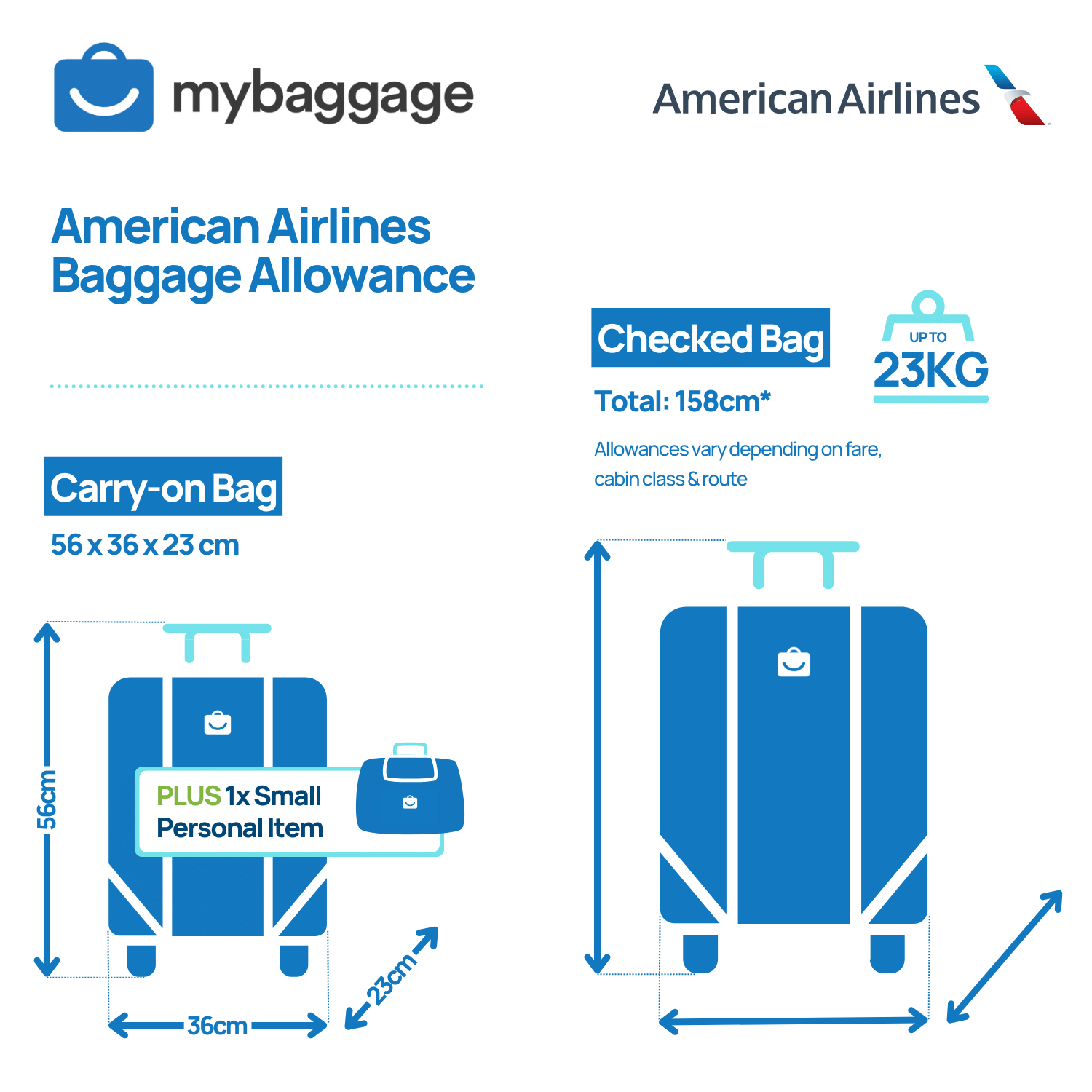
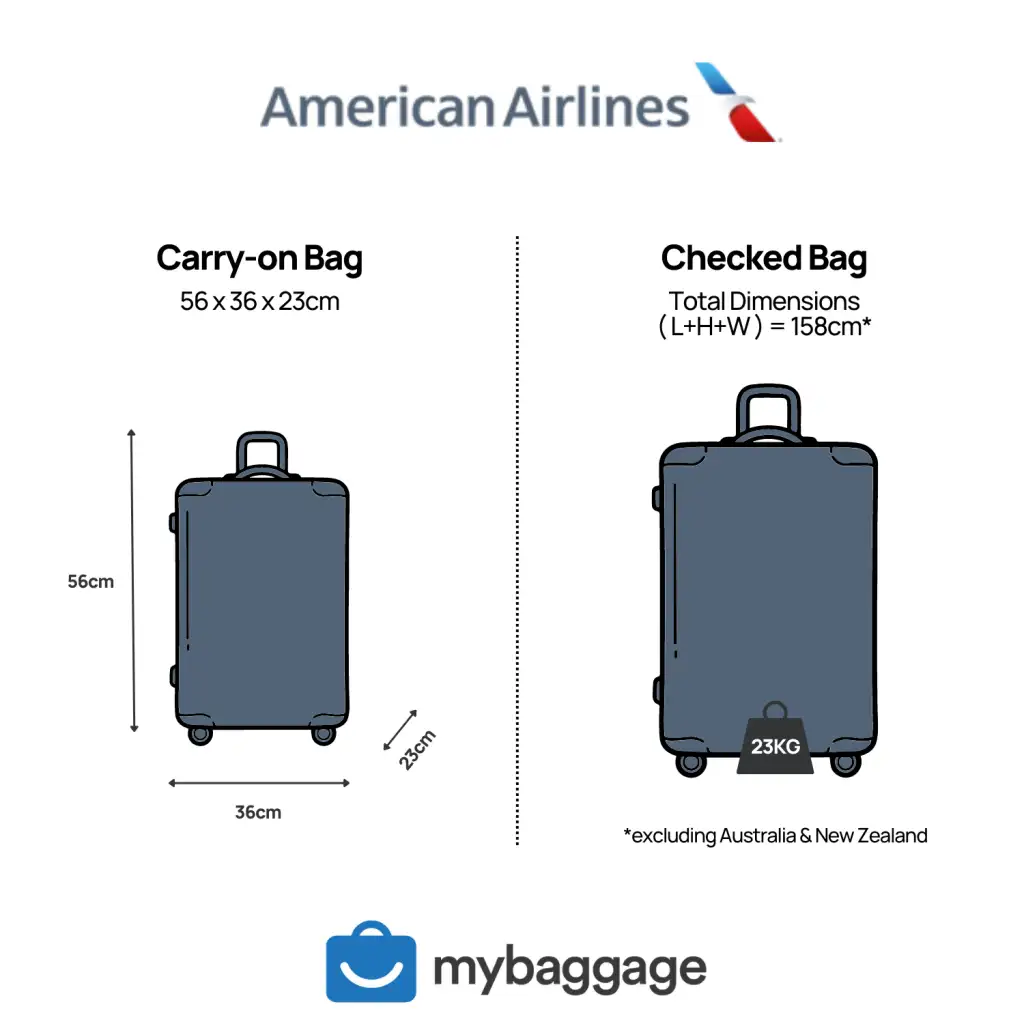
American Airlines, like most major carriers, defines specific size limits for carry-on bags. The standard allowance for a carry-on bag is generally 22 x 14 x 9 inches (56 x 36 x 23 cm), including handles and wheels. This standardized measurement isn’t arbitrary; it’s a carefully calculated dimension designed to fit within the overhead bins of most aircraft types in their diverse fleet. This consistency in policy, across thousands of flights daily, is a cornerstone of American Airlines’ brand integrity, ensuring a predictable experience for travelers.
Beyond the main carry-on, American Airlines also permits one “personal item.” This item, which must fit under the seat in front of you, typically has maximum dimensions of 18 x 11 x 8 inches (45 x 28 x 20 cm). Examples include a purse, a briefcase, a laptop bag, or a small backpack. The inclusion of a personal item allowance speaks to the brand’s understanding of modern travel needs, where travelers often require immediate access to personal electronics or essential documents. This dual allowance forms a significant part of the brand’s perceived value proposition: ample storage for cabin essentials without incurring extra fees.
Navigating Exceptions: Basic Economy and Specific Aircraft Types
While the standard dimensions represent American Airlines’ general brand promise, the brand strategy also necessitates differentiation and adaptation. One notable exception to the carry-on rule concerns Basic Economy tickets. Designed as a lower-fare option, Basic Economy on American Airlines typically allows only one personal item that fits under the seat. A standard carry-on bag for the overhead bin is generally not included and must be checked, often for a fee. This tiered service model is a clear brand strategy decision: to offer a competitive, no-frills price point while encouraging upgrades to a more comprehensive travel experience. It clearly segments the market and manages customer expectations based on the ticket purchased, reinforcing different value propositions within the same brand.
Furthermore, the brand’s operational realities, dictated by its vast and varied fleet, can subtly influence carry-on experiences. While the stated dimensions are consistent, smaller regional jets, for instance, might have more compact overhead bins. In such cases, gate agents might “gate check” carry-on bags that fit the official dimensions but cannot be accommodated in the smaller bins. This operational necessity, while potentially inconvenient for the passenger, is handled under the umbrella of the brand’s commitment to safety and efficiency. The brand mitigates potential frustration by communicating that such gate checks are usually free of charge, positioning it as a service rather than a penalty. This adaptability, while maintaining core policy, showcases the brand’s pragmatic approach to service delivery.
The Rationale Behind the Rules: Operational Efficiency and Brand Experience
The meticulous definition of carry-on dimensions is not merely about dictating what passengers can bring; it’s a strategic decision rooted in operational efficiency, safety, and ultimately, the holistic brand experience. Overly large or numerous carry-ons can lead to:
- Boarding Delays: Passengers struggling to find space or fit oversized bags slow down the boarding process, directly impacting the brand’s promise of punctuality.
- Safety Hazards: Bags that don’t fit securely can fall during turbulence, posing a risk to passengers and crew. Moreover, blocked aisles due to oversized bags are a safety concern during emergencies.
- Passenger Frustration: Limited overhead space leads to conflict among passengers and can create a stressful, negative environment on board, undermining the brand’s goal of a comfortable journey.
By setting clear, enforceable limits, American Airlines aims to create a smoother, safer, and more pleasant flying experience for all. This reflects the brand’s commitment to efficiency and customer satisfaction, understanding that a chaotic boarding process or a cluttered cabin detracts significantly from the overall brand perception. The rules, therefore, are a critical component of their service delivery strategy, ensuring that the brand promise of a seamless journey can be consistently met.
Communicating the Brand Standard: Clarity, Consistency, and Customer Expectation
For any policy to be effective, its communication must be clear, consistent, and proactive. American Airlines employs a multi-channel approach to ensure its carry-on brand standard is widely understood, managing customer expectations long before they reach the boarding gate. This comprehensive communication strategy is vital for maintaining brand credibility and minimizing friction points.
Digital Touchpoints: Website, App, and Pre-Flight Communications
In the digital age, American Airlines’ online presence serves as the primary repository for its brand standards. The official website features dedicated sections outlining carry-on and checked baggage policies with detailed dimensions, weight limits, and specific rules for various ticket types. This information is typically presented in a clear, easy-to-understand format, often accompanied by visual aids. The American Airlines mobile app further reinforces this, providing personalized information related to a passenger’s specific booking, including their carry-on allowance.
Beyond static information, the brand leverages pre-flight communications to proactively remind passengers of these policies. Email confirmations, itinerary updates, and even app notifications often include brief mentions or links to baggage rules. This consistent digital messaging is a key element of American Airlines’ brand strategy, aiming to educate customers early and prevent surprises at the airport. By providing readily accessible and consistent information, the brand empowers travelers to prepare adequately, fostering a sense of control and reducing potential stress, thereby enhancing the overall brand experience.
In-Person Reinforcement: Gate Agents and Cabin Crew as Brand Ambassadors
While digital communication is crucial, the human element remains indispensable for American Airlines’ brand delivery. Gate agents and cabin crew are the frontline brand ambassadors, responsible for enforcing carry-on policies and managing customer interactions in real-time. Their role extends beyond mere enforcement; they are tasked with explaining the rationale behind the rules, offering solutions (like gate-checking a bag), and handling exceptions with professionalism and empathy.
The way these employees communicate and manage policy adherence directly impacts customer perception of the brand. A courteous and helpful gate agent who clearly explains why a bag needs to be checked can turn a potentially negative experience into a neutral or even positive one. Conversely, an unhelpful or rigid approach can severely damage brand loyalty. American Airlines invests in training its personnel to not only understand the rules but also to effectively communicate them, ensuring that the brand’s tone of voice—professional, helpful, and efficient—is maintained even in challenging situations. This human touch is critical for reinforcing the brand’s commitment to customer service.
Visual Cues: Sizers and Signage as Physical Manifestations of Policy
Beyond verbal and digital communication, American Airlines utilizes tangible visual cues to reinforce its carry-on policy. Sizers, those metal frames found at check-in counters and boarding gates, are physical embodiments of the brand’s dimensional standards. They serve as an undeniable visual reference, allowing passengers to self-verify their bag sizes. This objective tool helps depersonalize the enforcement process, making it less confrontational.
Additionally, clear and prominent signage throughout the airport – at check-in, security checkpoints, and boarding gates – reiterates carry-on rules. These visual aids are part of a broader corporate identity strategy, ensuring that the brand’s message about luggage policies is consistently presented across all physical touchpoints. The consistent presence of these tools and signs across all operating airports worldwide reinforces the uniformity and reliability of the American Airlines brand, signaling a commitment to clear expectations and fair enforcement.
Brand Perception and Competitive Positioning: American Airlines in the Landscape
American Airlines’ carry-on policy is not developed in a vacuum; it is a strategic element that significantly influences its brand perception and competitive standing within the airline industry. How it manages this policy, and how it compares to competitors, directly impacts its market share and customer loyalty.
Benchmarking Against Competitors: Industry Standards vs. Brand Differentiators
The airline industry is highly standardized in many respects, including carry-on dimensions, largely due to IATA recommendations and aircraft design. Most major U.S. carriers, including Delta and United, adhere to very similar carry-on size limits (typically 22 x 14 x 9 inches). This uniformity suggests a shared understanding among airline brands regarding optimal operational efficiency and customer expectations.
However, brand differentiation often emerges in the nuances. For example, some budget carriers might have stricter limits or charge for all carry-on bags (even standard sizes), creating a clear low-cost, low-amenity brand image. Conversely, premium carriers might offer more generous allowances or a seamless gate-checking service to enhance their luxury brand experience. American Airlines generally positions itself as a full-service carrier. Its standard carry-on policy (one main item plus a personal item) aligns with this full-service brand identity, offering a balance of value and convenience that differentiates it from ultra-low-cost alternatives while maintaining operational discipline. The Basic Economy carry-on restriction, however, is a deliberate strategy to compete in the budget segment, showcasing the brand’s ability to segment its offerings while still operating under the overarching American Airlines identity.
Customer Satisfaction and Loyalty: The Impact of Carry-On Policies
The management of carry-on baggage is a frequent point of contention for travelers and can significantly impact customer satisfaction and loyalty. Negative experiences—such as being forced to check an expensive carry-on due to space issues, or an unexpected fee—can erode trust and lead to dissatisfaction. Conversely, a smooth, hassle-free boarding process where overhead bins are managed efficiently contributes positively to the overall flight experience and strengthens brand affinity.
American Airlines understands that transparent policies, consistently applied, are crucial for building loyalty. When passengers know what to expect and feel they are treated fairly, their likelihood of choosing American Airlines for future travel increases. The brand’s investment in clear communication, trained staff, and physical sizers is a testament to its commitment to managing this critical customer touchpoint. A positive carry-on experience contributes to a perception of reliability and customer-centricity, bolstering the brand’s image as a preferred travel partner.
The Brand’s Balancing Act: Revenue Generation vs. Passenger Convenience
Airline carry-on policies often represent a delicate balancing act for the brand: how to optimize revenue streams without alienating passengers. Checked baggage fees are a significant ancillary revenue source for airlines, and by restricting carry-ons (especially for Basic Economy), American Airlines can encourage passengers to check bags, thereby generating additional income. This revenue contributes to the airline’s financial health, allowing it to invest in other areas of the brand experience, such as new aircraft, cabin upgrades, or improved technology.
However, an overly restrictive or punitive carry-on policy can lead to passenger backlash, negative publicity, and a decline in brand preference. The brand’s challenge is to find the sweet spot where its policies generate revenue while still being perceived as reasonable and fair by its customer base. American Airlines’ approach—offering a standard allowance for most fares while restricting Basic Economy—is a sophisticated strategy to navigate this balance, segmenting its market and optimizing its value proposition across different passenger needs and price points. This strategic flexibility is a hallmark of a robust brand management approach.
The Carry-On Conundrum: A Microcosm of the Airline Brand Experience
Ultimately, the humble carry-on bag, and the policies surrounding it, serve as a fascinating microcosm of the broader airline brand experience. It encapsulates issues of efficiency, customer service, communication, and competitive strategy, all contributing to the overarching corporate identity.
Managing Customer Frustration: Proactive Communication and Empathetic Resolution
Despite the best efforts, carry-on related issues can arise. Overhead bins might fill up, or a passenger might genuinely misunderstand a policy. In these moments, the brand’s ability to manage customer frustration becomes paramount. Proactive communication, such as gate agents announcing early if a flight is full and carry-on space will be limited, can mitigate anger. Empathetic resolution, where staff offer solutions (like free gate-checking) with a helpful demeanor, reinforces the brand’s commitment to service recovery. These instances are critical tests of the brand’s promise and its employees’ ability to embody its values under pressure. How American Airlines handles these challenges directly impacts its reputation and the trust customers place in its brand.
Reinforcing Brand Values: Safety, Efficiency, and Passenger Comfort
The strict adherence to carry-on limits is a direct reflection of American Airlines’ core brand values: safety, efficiency, and passenger comfort. Safety is non-negotiable, and properly stowed baggage is fundamental to flight security. Efficiency in boarding and deplaning is crucial for maintaining schedules and delivering on the brand’s promise of timely travel. Passenger comfort, while seemingly at odds with restrictions, is ultimately enhanced when the cabin is organized, and overhead space is equitably managed. By consistently enforcing these policies, American Airlines reinforces these foundational values, demonstrating its commitment to a reliable and pleasant journey for every customer.
Future-Proofing the Brand: Adapting Policies to Evolving Travel Needs
The travel landscape is constantly evolving, influenced by technological advancements, changing passenger demographics, and economic shifts. American Airlines, as a forward-thinking brand, must continuously evaluate and adapt its policies, including those for carry-ons, to remain relevant and competitive. This might involve leveraging new technologies for baggage tracking, exploring innovative cabin designs that optimize storage, or refining fare structures to better meet diverse customer needs. The brand’s ability to adapt while maintaining its core identity and promise will be key to its long-term success. The carry-on policy, therefore, is not static but a dynamic element of American Airlines’ brand strategy, subject to ongoing review and refinement to ensure it continues to support a positive and seamless travel experience for years to come.
In conclusion, the question of “how big can a carry-on be on American Airlines” is far more than a simple dimension inquiry. It is a lens through which to examine the airline’s brand strategy, its corporate identity, its communication prowess, and its dedication to customer experience. Every aspect of the policy, from its definition to its enforcement and competitive positioning, contributes to the rich tapestry of the American Airlines brand.
aViewFromTheCave is a participant in the Amazon Services LLC Associates Program, an affiliate advertising program designed to provide a means for sites to earn advertising fees by advertising and linking to Amazon.com. Amazon, the Amazon logo, AmazonSupply, and the AmazonSupply logo are trademarks of Amazon.com, Inc. or its affiliates. As an Amazon Associate we earn affiliate commissions from qualifying purchases.