
The question “how bad is the stock market today?” echoes across news channels, financial forums, and personal conversations whenever market indices dip. It’s a natural reaction to uncertainty, a query born from the fundamental human desire for security and growth, especially concerning our hard-earned investments. However, answering this question requires moving beyond the daily headlines and understanding the broader context, the underlying economic forces at play, and crucially, how intelligent investors navigate periods of volatility.
Today’s market sentiment is often a complex cocktail of economic data, geopolitical events, corporate earnings, and investor psychology. While specific daily movements might grab attention, a truly insightful perspective demands a deeper dive into the forces shaping the market and an appreciation for both its inherent risks and its long-term potential. This article aims to provide that perspective, offering clarity amidst the noise and actionable insights for individuals committed to their financial well-being.

Understanding the Current Market Landscape
To gauge “how bad” the market might be, we must first understand the prevailing conditions and the factors influencing them. It’s rarely a single cause but rather a confluence of interconnected forces.
Decoding Recent Market Performance
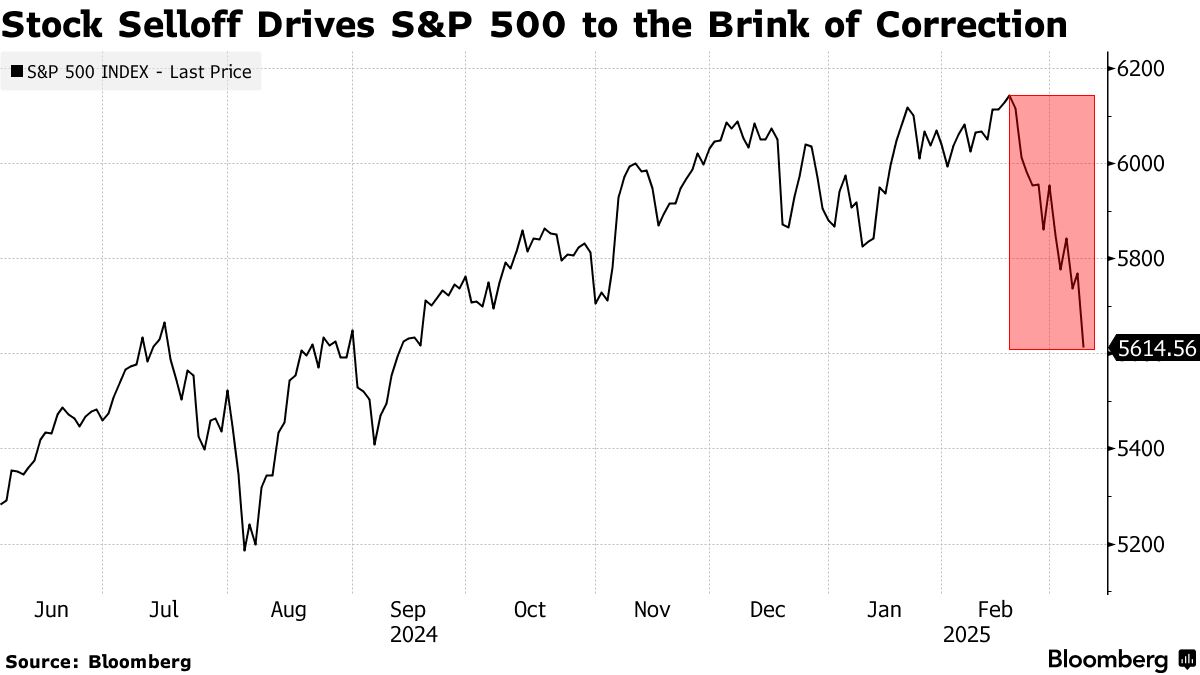
The stock market is a forward-looking mechanism, constantly discounting future expectations. Recent performance, characterized by fluctuations, corrections, or even a bear market, reflects a recalibration of these expectations. When indices like the S&P 500, Dow Jones Industrial Average, or Nasdaq Composite experience significant downturns, it often signals investor apprehension about future corporate profits, economic growth, or monetary policy. These movements are typically reported as percentage changes, and while a large negative percentage can be alarming, it’s essential to compare it against historical averages and understand its implications within different timeframes. A short-term dip might be a correction, a necessary “cooling off” period, while a prolonged downturn over several months often signifies a bear market, driven by more systemic concerns.
Key Economic Indicators Driving Sentiment
The health of the stock market is inextricably linked to the health of the economy. Several economic indicators play a pivotal role in shaping investor sentiment:
- Inflation: Persistently high inflation erodes purchasing power and can force central banks to raise interest rates, which typically cools economic activity and makes borrowing more expensive for businesses and consumers, thereby impacting corporate earnings.
- Interest Rates: Central bank policy, particularly interest rate hikes, is a powerful tool to combat inflation. However, higher rates increase the cost of capital, potentially slowing down growth for companies, especially those reliant on borrowing, like technology firms. They also make bonds more attractive relative to stocks, drawing some capital away from equities.
- GDP Growth: Gross Domestic Product (GDP) measures a nation’s economic output. Slower GDP growth or, worse, a contraction (recession) signals a challenging environment for corporate revenues and profits, naturally leading to market pessimism.
- Employment Data: Robust job growth and low unemployment rates are generally positive signs, indicating consumer confidence and spending power. Conversely, rising unemployment can signal economic weakness.
- Consumer Confidence: How confident consumers feel about their financial future and the economy influences their spending habits, a major driver of economic growth.
Changes or anticipated changes in these indicators heavily influence how investors perceive the market’s current and future “badness.”
Global Events and Their Ripple Effects
Beyond domestic economic indicators, global events increasingly impact financial markets. Geopolitical tensions, conflicts, supply chain disruptions, energy price volatility, and even public health crises can send shockwaves across continents. For instance, a disruption in a key manufacturing region can impact global supply chains, leading to inflation or shortages in distant markets. Similarly, geopolitical instability can drive up commodity prices, like oil, affecting transportation costs and consumer prices worldwide. These interconnected global dynamics mean that “how bad” the stock market is today might be partly a reflection of events far removed from one’s immediate surroundings.
The Psychology of Market Downturns
Understanding market mechanics is one thing; navigating the emotional turmoil of a downturn is another. Investor psychology plays an enormous role in exacerbating or mitigating market movements.
The Fear Factor: Avoiding Emotional Decisions
When the market declines, fear, panic, and anxiety are natural human responses. The sight of portfolios shrinking can trigger a powerful urge to “stop the bleeding” by selling off investments. However, acting purely on emotion is often detrimental to long-term financial health. Panicked selling locks in losses and removes the opportunity to recover when the market eventually rebounds. Historical data consistently shows that investors who sell during downturns often miss the subsequent recovery, thereby significantly underperforming those who stay invested. Recognizing and acknowledging these emotions, rather than succumbing to them, is the first step toward making rational investment decisions.
Distinguishing Corrections from Bear Markets
It’s crucial to differentiate between a market correction and a bear market. A market correction is typically defined as a drop of 10% or more from a recent peak. These are relatively common and can be healthy, flushing out speculation and creating opportunities. A bear market, on the other hand, is generally characterized by a sustained decline of 20% or more from recent highs, often accompanied by widespread pessimism and economic slowdown. While both can feel “bad” in the moment, bear markets are deeper and more prolonged. Understanding this distinction can help investors calibrate their responses and avoid overreacting to normal market fluctuations.
Learning from Historical Precedents
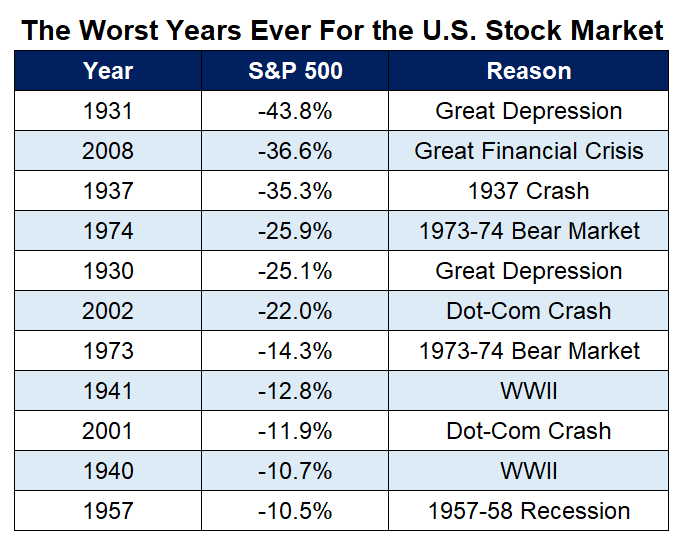
History offers invaluable lessons for understanding today’s market. Every significant market downturn, from the Great Depression to the Dot-Com Bust and the 2008 Financial Crisis, eventually saw a recovery. While the specific causes and timelines differ, the consistent theme is that markets are cyclical. Economic crises and market crashes are indeed painful, but they are followed by periods of growth and prosperity. This historical perspective can provide a much-needed antidote to present-day panic, reminding investors that “this too shall pass” and that patience is a virtue in investing.
Strategic Responses for Investors
In light of market volatility, an intelligent investor does not panic but rather assesses their strategy. There are several proactive steps one can take to navigate and even benefit from challenging market conditions.
Reassessing Your Risk Tolerance and Goals
A market downturn is an opportune time to revisit your personal financial plan. Is your asset allocation still aligned with your risk tolerance? If significant losses are causing sleepless nights, your portfolio might be too aggressive for your comfort level. Conversely, if you have a long investment horizon and strong stomach for risk, a downturn could present buying opportunities. Review your financial goals—retirement age, major purchases, etc.—and ensure your investment strategy still supports them, perhaps with minor adjustments, rather than wholesale changes based on temporary market movements.
The Power of Diversification and Asset Allocation
Diversification remains a cornerstone of prudent investing. A well-diversified portfolio spreads risk across various asset classes (stocks, bonds, real estate, commodities), sectors, geographies, and company sizes. When one part of the market struggles, another might hold steady or even perform well. During downturns, for instance, bonds often act as a cushion, providing stability. Rebalancing your portfolio, selling some assets that have performed well and buying more of those that have lagged, helps maintain your desired asset allocation and can be particularly effective when market segments are out of sync.
Dollar-Cost Averaging: A Disciplined Approach
For investors contributing regularly to their portfolios, dollar-cost averaging (DCA) is a powerful strategy during volatile times. This involves investing a fixed amount of money at regular intervals, regardless of market conditions. When prices are high, your fixed investment buys fewer shares; when prices are low (like during a downturn), it buys more shares. Over time, this averages out your purchase price, potentially leading to better returns than trying to time the market, which is notoriously difficult even for professionals. A “bad” market day becomes an opportunity to buy more assets at a discount.
Looking for Opportunities Amidst the Dip
While it’s uncomfortable to see values decline, market downturns present unique opportunities for long-term investors. High-quality companies, with strong balance sheets, consistent earnings, and good management, may become undervalued. For those with available capital and a long-term perspective, buying shares of such companies at a discount during a dip can significantly enhance future returns. This requires courage and conviction, but history shows that some of the greatest fortunes have been built by investors who bought during times of widespread pessimism.
Beyond the Headlines: Long-Term Wealth Building
The question “how bad is the stock market today?” ultimately loses its urgency when viewed through a long-term lens. Wealth building is not about daily fluctuations but about sustained, disciplined effort.
The Enduring Power of Compounding
Albert Einstein reportedly called compounding the “eighth wonder of the world.” The magic of compounding allows your investment earnings to generate their own earnings over time, leading to exponential growth. This process works best when investments are allowed to grow uninterrupted over long periods. While market downturns can temporarily set back your portfolio, staying invested allows the power of compounding to resume its work once markets recover, which they historically always do. Interrupting this process by selling out during dips is one of the most significant impediments to long-term wealth creation.
Focusing on Fundamentals, Not Fluctuations
Successful long-term investing focuses on the underlying fundamentals of the assets you own. For stocks, this means understanding a company’s business model, competitive advantages, financial health, management quality, and growth prospects. Daily stock price movements are often driven by sentiment and news cycles, which may or may not reflect a company’s intrinsic value. By concentrating on high-quality assets that you believe will perform well over years, you can largely ignore the short-term noise and ride out temporary market turbulence with greater confidence.
Seeking Professional Guidance
Navigating complex financial markets, especially during periods of stress, can be daunting. A qualified financial advisor can provide objective insights, help you develop a personalized financial plan, ensure your portfolio aligns with your goals and risk tolerance, and, most importantly, help you avoid emotional pitfalls. They can act as a crucial sounding board, providing a rational perspective when market volatility threatens to derail your strategy. Investing in expert advice can be one of the best investments you make, particularly when the market feels “bad.”
In conclusion, while the question “how bad is the stock market today?” is valid and reflects genuine concern, the answer is rarely simple. It requires an understanding of current economic forces, an awareness of investor psychology, and a commitment to long-term, disciplined strategies. By embracing diversification, dollar-cost averaging, maintaining a long-term perspective, and seeking professional guidance, investors can transform periods of market “badness” into opportunities for future financial strength and resilience.
aViewFromTheCave is a participant in the Amazon Services LLC Associates Program, an affiliate advertising program designed to provide a means for sites to earn advertising fees by advertising and linking to Amazon.com. Amazon, the Amazon logo, AmazonSupply, and the AmazonSupply logo are trademarks of Amazon.com, Inc. or its affiliates. As an Amazon Associate we earn affiliate commissions from qualifying purchases.