
The question “How bad is Spirit Airlines?” has become a staple of modern travel discourse, a frequent punchline for late-night comedians, and a recurring theme across social media feeds. However, from a brand strategy perspective, the answer is far more complex than a simple binary of “good” or “bad.” Spirit Airlines represents one of the most fascinating case studies in corporate identity and market positioning. By intentionally deviating from the traditional hospitality-focused model of aviation, Spirit has built a brand that thrives on being exactly what its critics despise: a no-frills, high-efficiency utility.
To understand the Spirit brand, one must look past the complaints about legroom and baggage fees to see a masterclass in radical brand transparency. Spirit doesn’t suffer from an identity crisis; it suffers from a mismatch between its specialized brand promise and the legacy expectations of the average traveler.
Decoding the Spirit Brand DNA: The Ultra-Low-Cost Identity
At its core, Spirit Airlines is the pioneer of the Ultra-Low-Cost Carrier (ULCC) model in the United States. While legacy carriers like Delta or United attempt to be “everything to everyone” by offering various classes of service, Spirit’s brand strategy is built on a singular pillar: the lowest possible entry price. This is not just a pricing strategy; it is the brand’s entire reason for existence.
The “Bare Fare” Philosophy
The centerpiece of Spirit’s brand identity is the “Bare Fare.” In a world where airline pricing is often opaque, Spirit’s marketing leans heavily into “unbundling.” This brand promise tells the consumer, “You only pay for what you use.” By stripping away the costs of snacks, carry-on bags, and seat assignments from the base ticket, Spirit positions itself as the democratic choice for travel. From a branding standpoint, this is a move toward extreme functionalism. The brand isn’t selling a “travel experience”; it is selling “A-to-B transportation.” By framing the lack of amenities as a cost-saving benefit for the consumer, Spirit shifts the narrative from “cheap” to “empowering.”
Embracing the “Villain Arc”: Marketing via Controversy
One of the most daring aspects of Spirit’s brand strategy is its historical willingness to lean into its negative reputation. Unlike brands that spend millions on PR to hide their flaws, Spirit has frequently used self-deprecating humor and provocative marketing to acknowledge its “bad” reputation. For example, their “Hate Thousands” campaign encouraged travelers to air their grievances in exchange for loyalty miles. This strategy served two purposes: it gave the brand a human, albeit cheeky, personality, and it filtered the customer base. By being vocal about who they are, Spirit attracts the price-sensitive “mercenary” traveler and warns away the “luxury-seeker” who would inevitably be dissatisfied.
Visual Identity and Consistency: The Power of the “Yellow” Disruptor
In a sea of corporate blues, whites, and greys that dominate the aviation industry, Spirit Airlines made a radical choice in 2014 to rebrand with a bright, taxi-cab yellow livery. This wasn’t merely a cosmetic change; it was a strategic alignment of visual identity with brand positioning.
Disrupting the Terminal Aesthetic
The “Bright Yellow” branding is designed to be loud and unapologetic. In the marketing world, yellow is often associated with value, clarity, and urgency (think “Post-it” notes or “Sale” signs). By painting their planes and kiosks in this high-visibility hue, Spirit physically disrupts the airport environment. It signals to the traveler that Spirit is different from the legacy carriers. The visual identity reinforces the brand’s “no-frills” ethos—it looks less like a luxury lounge and more like a discount retail environment. This consistency helps manage customer expectations from the moment they arrive at the terminal.
Simplified Messaging in a Complex Industry
The Spirit brand uses bold, black typography that mirrors the language of retail flyers. Their digital touchpoints—the app and website—avoid the flowery, aspirational language of travel “journeys” and instead focus on “saving.” This linguistic simplicity is a key component of their brand strategy. By using direct, punchy, and often humorous copy, they maintain a “brand voice” that feels accessible and unpretentious. This prevents the brand from feeling like a cold, corporate monolith, even when it is enforcing strict baggage policies.
The Customer Experience Gap: Managing Expectation vs. Reality
The reason the question “How bad is Spirit?” persists is due to the “Customer Experience Gap.” This occurs when a consumer’s mental model of an “airline” (based on decades of legacy carrier marketing) clashes with the reality of a ULCC brand.
Managing the Brand Promise
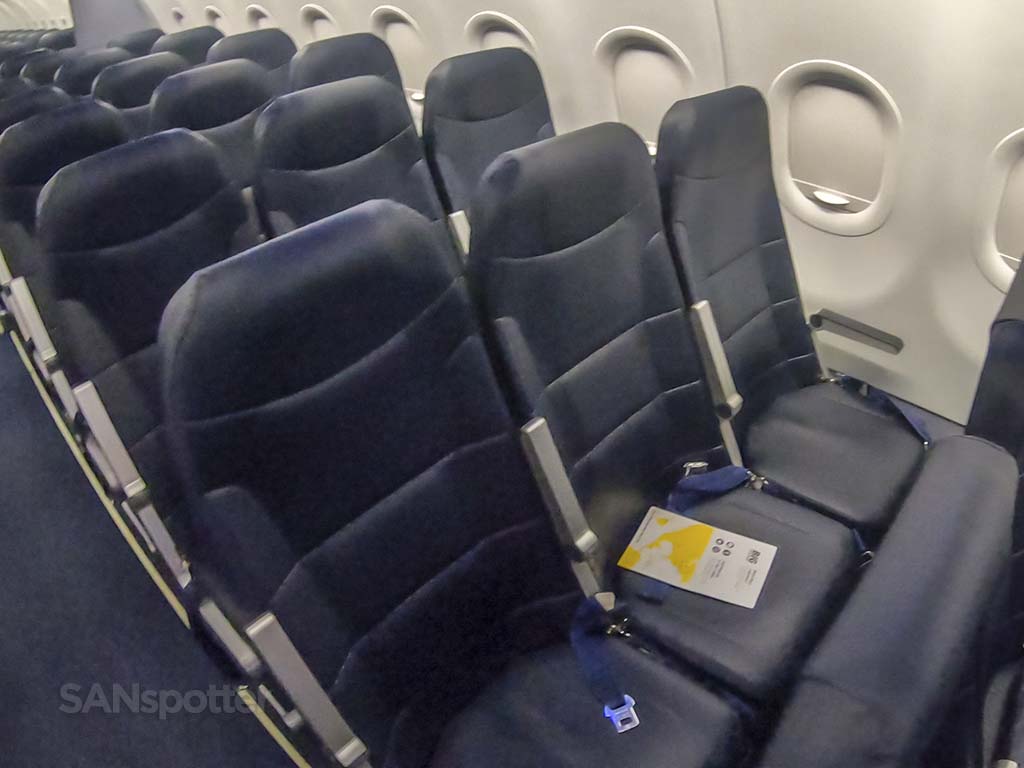
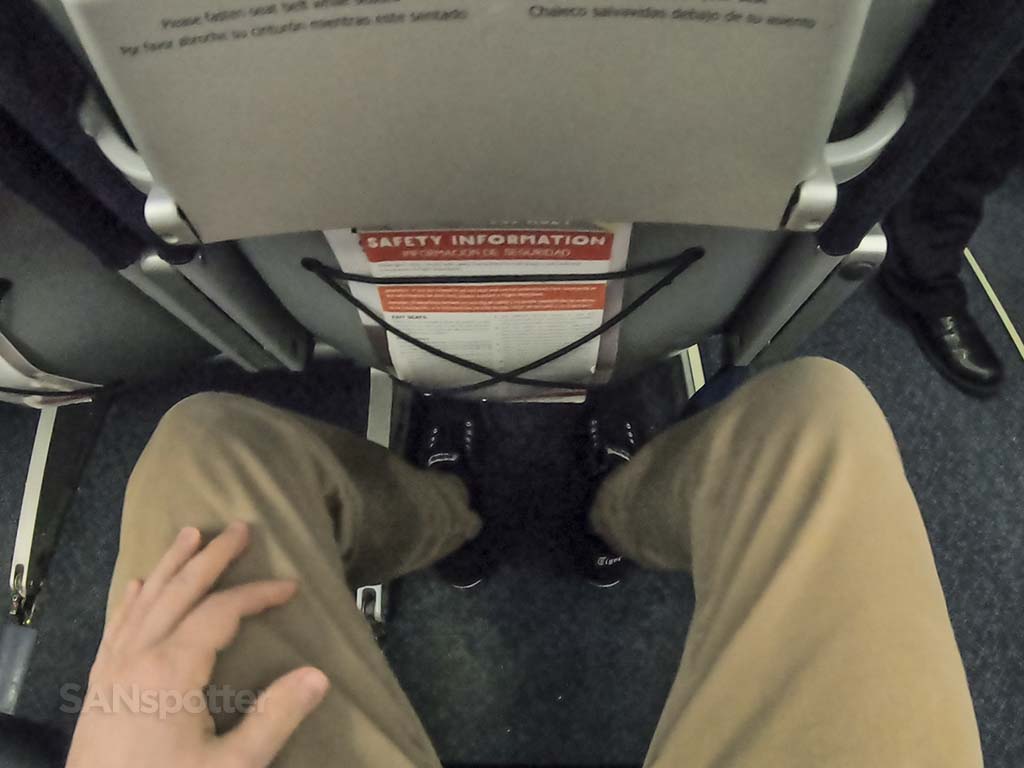
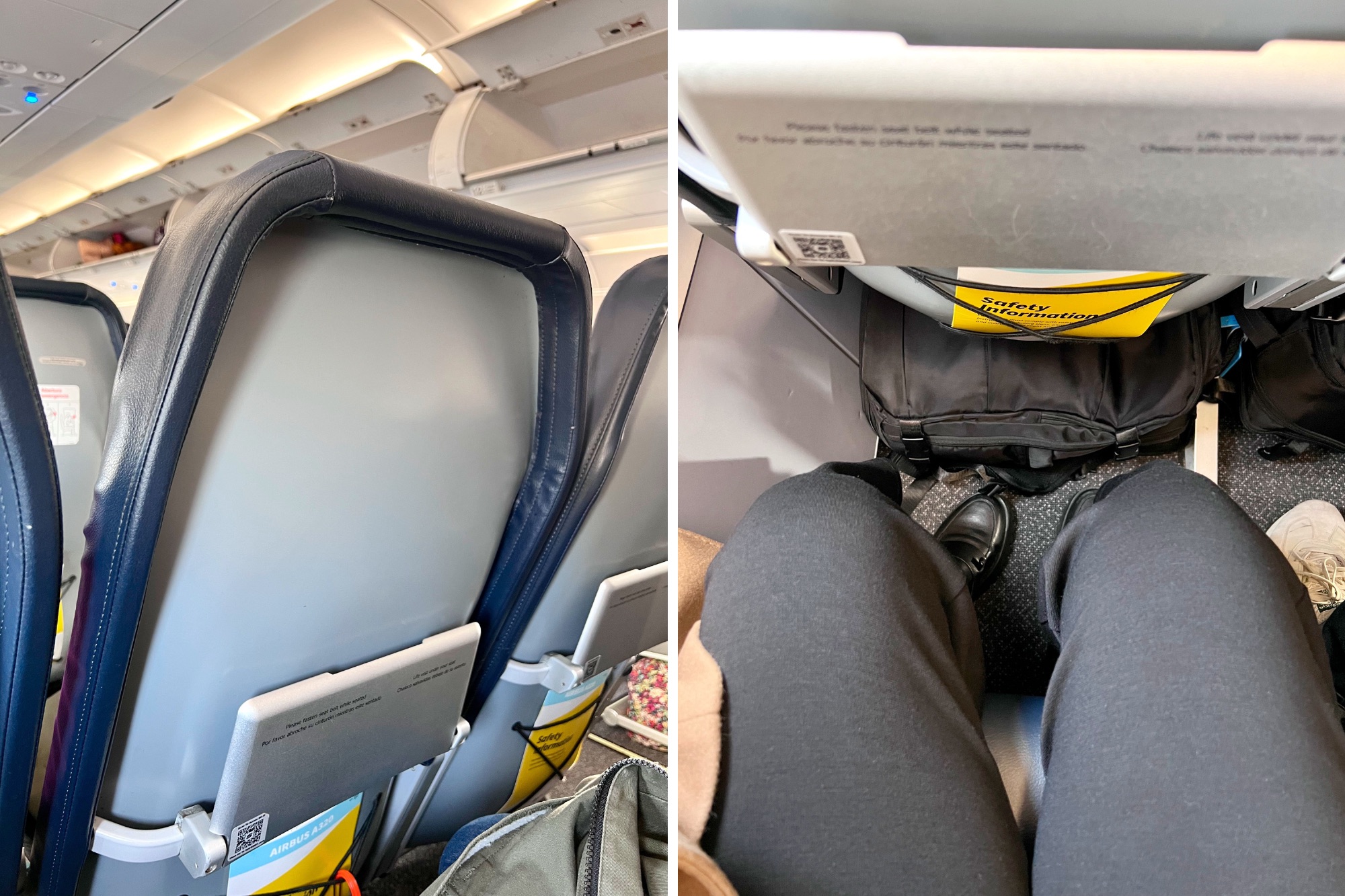
Spirit’s greatest branding challenge is education. A “bad” brand experience usually stems from a broken promise. If a luxury hotel has a dirty lobby, the brand is failing. However, if a Spirit flight doesn’t have reclining seats, the brand is actually succeeding in its promise to keep costs low through weight reduction and simplified maintenance. Spirit’s marketing team spends a significant amount of effort trying to bridge this gap through “How to Spirit” guides and transparent fee charts. The goal is to ensure that by the time a passenger boards, they understand the brand’s “rules of engagement.”
The Impact of Negative Earned Media
In the age of viral social media, Spirit often becomes a victim of “negative earned media.” A single video of a frustrated passenger at a gate can rack up millions of views, reinforcing the “Spirit is bad” narrative. From a brand management perspective, Spirit’s strategy has been to maintain a stoic focus on operational efficiency rather than engaging in every social media skirmish. They recognize that their target demographic—the student, the budget family, and the spontaneous traveler—will ultimately prioritize a $40 ticket over a viral tweet. The brand survives because its value proposition is more resilient than its reputation.
Brand Evolution and Future Resilience
As the aviation industry becomes more competitive, Spirit is forced to evolve its brand beyond just being the “cheapest.” The recent trends in the airline’s corporate strategy suggest a move toward refining the brand without losing its core identity.
Strategic Pivots: From “Bad” to “Basic”
In recent years, Spirit has made significant investments in “Guest Experience” to soften its image. This includes the introduction of the “Big Front Seat” (a premium product without the premium service) and improved on-time performance. From a branding perspective, this is a shift from being a “discount brand” to being a “value brand.” By improving operational reliability, Spirit is attempting to remove the “bad” (unreliability) while keeping the “basic” (no-frills). This allows the brand to appeal to a broader segment of the flying public who wants reliability but refuses to pay for “legacy” fluff.
Lessons in Brand Loyalty for the Budget-Conscious Era
Spirit’s rebranding of its loyalty program into “Free Spirit” is another example of tactical brand strategy. By making points easier to earn and redeem, they are building “brand equity” with a demographic that was previously thought to have zero brand loyalty. They are proving that you can build a community around “saving money” just as effectively as others build communities around “luxury.” Spirit’s brand is a reminder that in a bifurcated economy, there is immense power in owning the bottom of the market with pride.
Conclusion: The Brand That Knows Exactly Who It Is
So, how “bad” is Spirit Airlines? From a brand strategy standpoint, it is actually one of the most successful and consistent brands in the sky. It has achieved the holy grail of marketing: it is instantly recognizable, it has a clear value proposition, and it knows exactly who its customer is (and who it isn’t).
Spirit’s “badness” is often just a reflection of its efficiency. By ruthlessly cutting costs and unbundling services, it provides a product that millions of people choose every year despite the memes. The brand’s strength lies in its honesty. It does not pretend to be a five-star hotel in the air; it promises to get you to your destination for less than the cost of a nice dinner. In the world of branding, being “authentic”—even if that authenticity is “no-frills and basic”—is far more sustainable than being a high-end brand that fails to deliver. Spirit Airlines isn’t “bad”; it is a hyper-focused brand that has traded prestige for accessibility, and in doing so, it has redefined the modern aviation landscape.
aViewFromTheCave is a participant in the Amazon Services LLC Associates Program, an affiliate advertising program designed to provide a means for sites to earn advertising fees by advertising and linking to Amazon.com. Amazon, the Amazon logo, AmazonSupply, and the AmazonSupply logo are trademarks of Amazon.com, Inc. or its affiliates. As an Amazon Associate we earn affiliate commissions from qualifying purchases.