
In the complex landscape of modern commerce, where brands constantly vie for attention, trust, and loyalty, the temptation to opt for the path of least resistance—the “easy” way—can be incredibly strong. Yet, the most enduring and respected brands are those that consistently choose to “do what is right,” even when it demands greater effort, sacrifice, or a more prolonged journey. This principle is not merely an ethical guideline; it is a foundational pillar of robust brand strategy, corporate identity, and sustainable marketing. The choices made, especially the difficult ones, define a brand’s true character and ultimately determine its long-term resonance and impact.
The Imperative of Authenticity in Brand Building
Authenticity is the bedrock upon which genuine brand loyalty is built. In an era where consumers are increasingly discerning and critical, a brand’s stated values must align seamlessly with its actions. Opting for authenticity often means foregoing quick wins or superficial tactics in favor of deeper, more meaningful engagement, which inherently requires doing what is right, not what is easy.
Beyond Lip Service: Embedding Values in Corporate Identity
Many organizations craft sophisticated mission statements and value propositions, but the true test of their corporate identity lies in how these values are embodied in daily operations, product development, and customer interactions. It’s easy to claim commitment to sustainability; it’s right, and much harder, to overhaul supply chains, invest in green technologies, and accept potentially higher costs to truly reduce environmental impact. It’s easy to promise exceptional customer service; it’s right, and harder, to empower employees with the autonomy and resources to genuinely solve problems, even if it means bending rules or incurring short-term financial setbacks.
Brands like Patagonia have cemented their identity through decades of consistent, often challenging, decisions that prioritize environmental responsibility and ethical labor practices over maximal profit. This involves choosing sustainable materials, encouraging repair over replacement, and even advocating for political action, all of which are difficult and expensive choices that solidify their brand as a leader with genuine purpose. Their corporate identity is not just a logo or a slogan; it’s a living testament to their unwavering commitment to doing what is right.
The Erosion of Trust: When Easy Choices Backfire
Conversely, brands that prioritize the easy path often face swift and severe repercussions. Cutting corners on product quality to save costs, engaging in misleading marketing tactics, or failing to address ethical breaches quickly can lead to a catastrophic loss of consumer trust. The ease of a particular decision often belies its potential for long-term damage to a brand’s reputation.
Consider a brand that opts for a cheap, unethical manufacturing process to boost margins. While initially easier on the balance sheet, public discovery of such practices can trigger boycotts, social media backlashes, and a permanent stain on the brand’s image. The momentary ease of the decision is dwarfed by the arduous, often impossible, task of rebuilding a fractured reputation. In the digital age, information spreads rapidly, and a brand’s transgressions are amplified, making transparency and ethical conduct not just aspirational, but essential for survival. Consumers are increasingly equipped to research, compare, and hold brands accountable, making the “easy” choice a perilous gamble.
Strategic Integrity: Making Difficult Choices for Long-Term Resonance
Strategic integrity involves making decisions that uphold the brand’s core values, even when those decisions are financially or operationally challenging in the short term. This foresight builds a brand that resonates deeply with its audience and withstands market fluctuations and crises.
Sustainable Practices Over Short-Term Gains
The push for sustainability is a prime example of where strategic integrity truly shines. Implementing eco-friendly production methods, sourcing ethical materials, or reducing carbon footprints often entails significant investment, increased operational complexity, and potentially higher product prices. These are not “easy” decisions. The easier path would be to continue with conventional, less sustainable methods that offer immediate cost advantages.
However, brands that courageously commit to sustainable practices are building a future-proof identity. Consumers, particularly younger demographics, increasingly favor brands aligned with their environmental and social values. A brand known for its genuine commitment to sustainability, even if it comes at a premium, earns trust and loyalty that superficial greenwashing never could. This is a strategic choice to invest in the brand’s long-term reputation and societal impact, reinforcing its identity as responsible and forward-thinking. Case studies abound where brands making these tough choices initially faced challenges but ultimately emerged stronger, more reputable, and more attractive to a growing segment of conscientious consumers.
Transparency and Accountability in Crisis Management
When a crisis strikes—be it a product recall, a data breach, or a public relations blunder—the “easy” option might be to downplay the issue, deflect blame, or remain silent. However, “doing what is right” demands immediate transparency, honest communication, and genuine accountability. This can be an uncomfortable and vulnerable position for any brand to take, potentially inviting criticism and legal scrutiny.
Brands that handle crises with integrity, openly acknowledging mistakes, offering clear solutions, and demonstrating genuine empathy, often emerge with their reputation not just intact, but strengthened. Their willingness to face difficult truths reinforces their commitment to their customers and stakeholders. Conversely, brands that attempt to sweep issues under the rug inevitably face a more severe backlash once the truth comes out, often leading to irreparable damage to their corporate identity and public perception. The immediate ease of evasion is never worth the long-term cost to trust and credibility.
Personal Branding: The Power of Principled Leadership
The principle of doing what is right, not what is easy, extends beyond corporate entities to the realm of personal branding, particularly for leaders, entrepreneurs, and public figures. An individual’s personal brand is shaped by their decisions, and tough ethical choices can profoundly define their legacy and influence.
Building a Reputation That Lasts
For individuals striving to build a powerful and enduring personal brand, integrity is paramount. It’s easy to chase fleeting trends, make promises that cannot be kept, or opportunistically pivot strategies for short-term gain. It’s far harder, and infinitely more rewarding, to consistently uphold one’s values, deliver on commitments, and maintain a reputation for honesty and reliability. This involves saying “no” to lucrative but ethically questionable opportunities, admitting mistakes, and standing firm on principles even when unpopular.
A personal brand built on ethical fortitude attracts respect and trust, opening doors to more meaningful collaborations and leadership opportunities. People want to associate with individuals whose character they can rely on, especially in an age of skepticism. The difficult choices made in the pursuit of integrity become defining moments that articulate a robust and trustworthy personal identity.
Navigating Ethical Dilemmas in the Public Eye
Leaders frequently face ethical dilemmas where the easy answer conflicts with the right one. Whether it’s choosing between protecting a whistleblower versus maintaining corporate secrecy, or advocating for an unpopular but morally sound policy, these decisions are pivotal. Taking the “right” stand often involves personal risk—facing opposition, potential criticism, or even career setbacks.
However, those who consistently choose principled action over convenience become beacons of integrity. Their personal brand transcends mere professional competency; it embodies courage, conviction, and a deep sense of responsibility. This commitment to doing what is right, particularly under pressure, builds an unshakeable reputation that resonates far beyond their immediate professional sphere, inspiring others and solidifying their legacy as a true leader.
Marketing with Conscience: Driving Engagement Through Ethical Practices
In the realm of marketing, the distinction between easy and right is particularly sharp. Easy marketing might involve sensationalism, clickbait, or deceptive tactics for immediate attention. Right marketing focuses on genuine value, transparency, and building long-term relationships through ethical engagement.
Crafting Messages That Reflect True Intent
It’s easy to create marketing campaigns that exploit anxieties, use hyperbole, or make unsubstantiated claims to drive sales. It’s much harder, but ultimately more impactful, to craft messages that genuinely reflect a brand’s true intent, product benefits, and ethical standing. This requires deep understanding of the audience, honest self-assessment, and a commitment to authenticity over manipulation.
Brands that market with conscience build deeper connections. Their messages resonate because they are truthful and respectful of the consumer’s intelligence. This approach might not yield instant viral hits as often as controversial or misleading campaigns, but it fosters a level of trust and loyalty that translates into sustained engagement and brand advocacy. The hard work of ethical messaging reinforces a brand’s identity as trustworthy and credible.

The Consumer’s Call for Ethical Consumption
Modern consumers are increasingly sophisticated and demand more from brands than just products or services. They expect brands to align with their values, practice social responsibility, and contribute positively to the world. This trend makes ethical consumption a powerful driver of purchasing decisions.
For brands, this means that merely meeting legal requirements is no longer sufficient. Doing “what is right” in marketing now includes transparently sharing supply chain information, showcasing fair labor practices, engaging in genuine corporate social responsibility, and avoiding exploitative advertising. These are not always easy choices; they require resources, dedicated effort, and a willingness to be vulnerable. However, brands that embrace these challenges demonstrate a profound respect for their audience and the wider community, fostering a strong identity as a brand that genuinely cares. This ethical commitment becomes a powerful marketing tool in itself, driving engagement and building a loyal customer base that champions the brand’s mission.
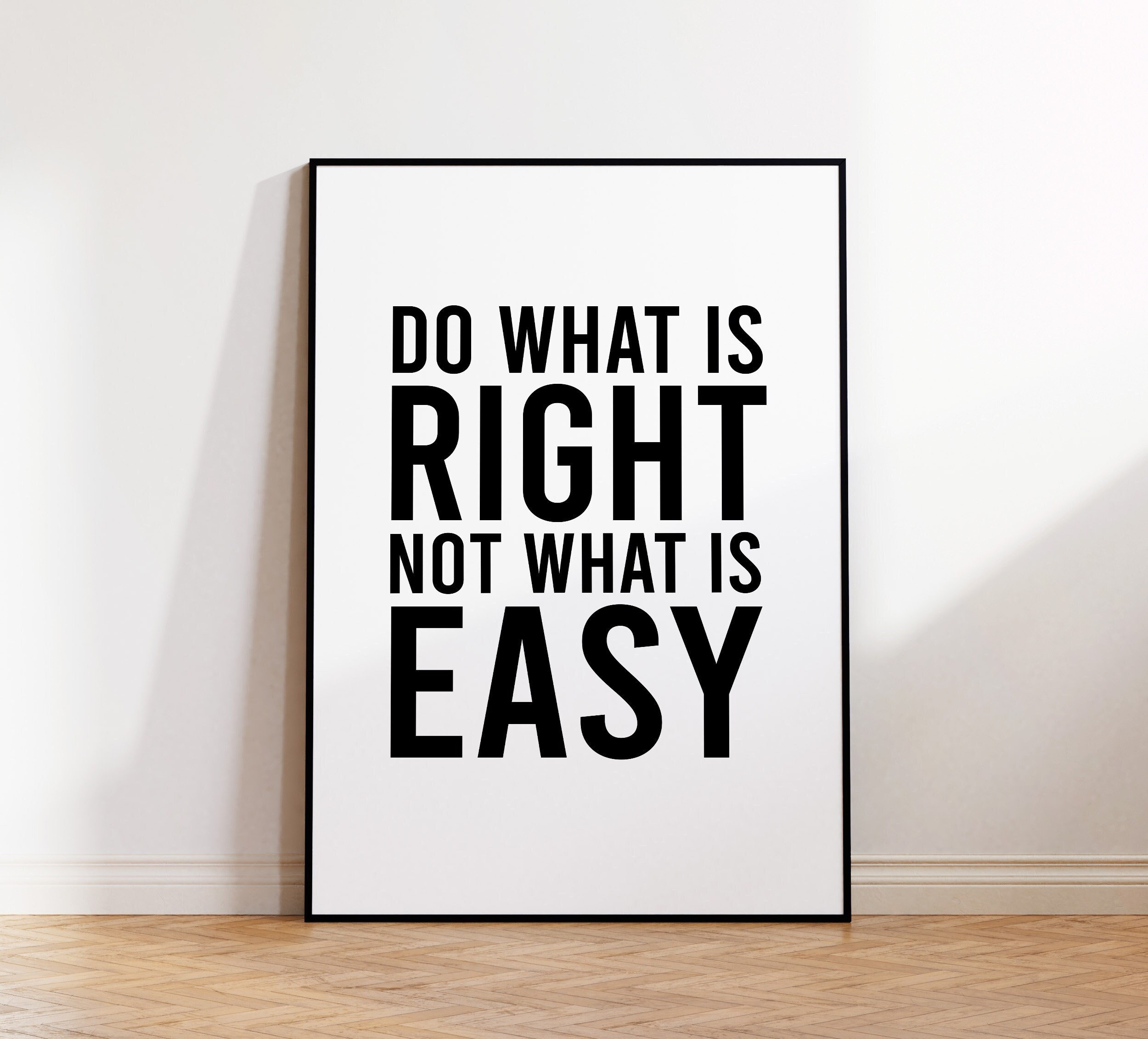
In conclusion, the adage “do what is right not what is easy” is far more than a moral platitude in the world of branding. It is a strategic imperative. The difficult choices, the principled stands, and the unwavering commitment to values—these are the elements that forge resilient, authentic, and beloved brands that not only survive but thrive, leaving a lasting and positive impact on their industries and the world.
aViewFromTheCave is a participant in the Amazon Services LLC Associates Program, an affiliate advertising program designed to provide a means for sites to earn advertising fees by advertising and linking to Amazon.com. Amazon, the Amazon logo, AmazonSupply, and the AmazonSupply logo are trademarks of Amazon.com, Inc. or its affiliates. As an Amazon Associate we earn affiliate commissions from qualifying purchases.