
When investors ask, “How is the market doing today?” they are rarely looking for a simple “up” or “down” answer. Behind that question lies a complex desire to understand the health of the global economy, the stability of their retirement savings, and the potential for future growth. In the modern era, the “market” is no longer just a physical floor on Wall Street; it is a sprawling, interconnected ecosystem of equities, bonds, commodities, and digital assets. To truly understand how the market is performing, one must look beyond the flashing green and red numbers on a ticker tape and analyze the underlying forces driving those movements.
Understanding the Macroeconomic Landscape
The performance of the financial markets is inextricably linked to the broader macroeconomic environment. Before diving into specific stock prices, seasoned investors look at the “big picture” variables that dictate the flow of capital across the globe.
Inflation and Interest Rates: The Central Bank Influence
In the current financial cycle, the actions of central banks—most notably the U.S. Federal Reserve—are the primary movers of market sentiment. Inflation remains the most significant variable in this equation. When inflation is high, the purchasing power of currency diminishes, prompting central banks to raise interest rates to cool the economy.
Higher interest rates have a twofold effect: they make borrowing more expensive for corporations, which can dampen earnings growth, and they increase the yield on “risk-free” assets like Treasury bonds. When bonds offer a higher return, the relative attractiveness of risky assets like stocks decreases. Therefore, “how the market is doing” today is often a direct reflection of the latest Consumer Price Index (CPI) data and the subsequent rhetoric from central bank officials regarding the future path of interest rates.
Geopolitical Factors and Global Supply Chains
We live in a hyper-globalized world where a conflict in Eastern Europe or a trade dispute in East Asia can send ripples through the New York Stock Exchange. Geopolitical stability is a prerequisite for predictable market growth. Tensions that threaten energy supplies or disrupt the manufacturing of essential components, such as semiconductors, lead to increased market volatility. Investors today must keep a close watch on international relations, as “headline risk”—the risk of a sudden market drop due to news events—is at an all-time high.
Evaluating Stock Market Performance Indicators
To gauge the daily pulse of the market, investors rely on several key indices and indicators. These metrics serve as a shorthand for the collective health of thousands of different companies.
The Big Three: S&P 500, Dow Jones, and Nasdaq
The most common way to answer “how the market is doing” is to reference the three major U.S. indices.
- The S&P 500: Often considered the best single gauge of large-cap U.S. equities, this index includes 500 of the largest companies across all sectors. Because it is market-cap weighted, the performance of massive tech giants heavily influences its movement.
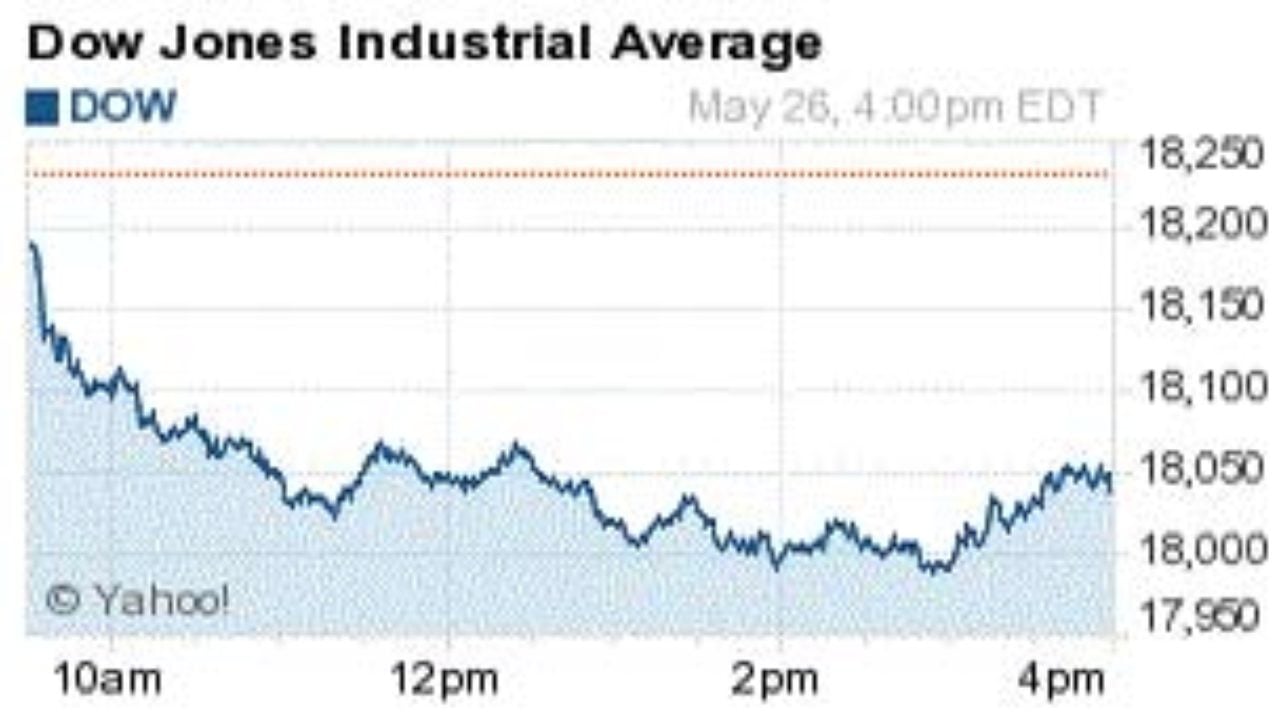
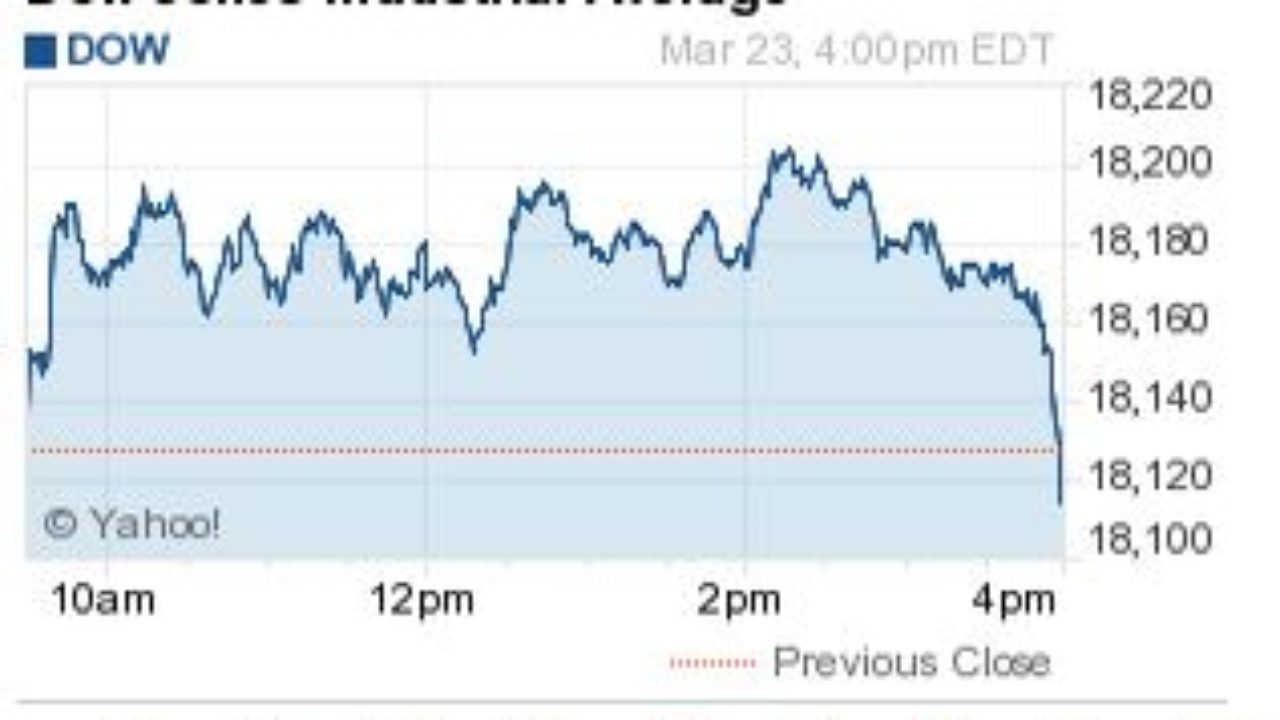
- The Dow Jones Industrial Average (DJIA): A price-weighted index of 30 prominent companies. While older and less diverse than the S&P 500, it remains a symbol of the “blue-chip” corporate establishment.
- The Nasdaq Composite: This index is heavily weighted toward the technology and growth sectors. When the Nasdaq is outperforming, it generally indicates a high appetite for risk and optimism about future innovation.
Volatility Index (VIX) and Market Sentiment
Often referred to as the “Fear Gauge,” the CBOE Volatility Index (VIX) measures the market’s expectation of 30-day volatility based on S&P 500 index options. A rising VIX typically corresponds with a falling market, as investors pay more for protection against downward swings. Understanding the VIX helps investors differentiate between a healthy market correction and a panic-driven sell-off. Market sentiment is a powerful force; often, the market moves not based on hard data, but on how investors feel about that data.
Sector Analysis: Winners and Losers in the Current Climate
The market is not a monolith. Even on days when the major indices are flat, there is often significant movement beneath the surface as capital rotates from one sector to another.
The Resilience of Defensive Sectors
In periods of economic uncertainty or high interest rates, investors often flock to “defensive” sectors. These include Utilities, Healthcare, and Consumer Staples. These industries provide essential services that people need regardless of the state of the economy. If the market is “down” but healthcare stocks are “up,” it suggests a “risk-off” environment where investors are prioritizing capital preservation over aggressive growth.
The Growth Potential of Tech and Artificial Intelligence
Conversely, the Technology sector—specifically companies involved in Artificial Intelligence (AI) and cloud computing—has become the primary engine for market growth in recent years. The massive capital expenditures by “Hyperscalers” have created a mini-bull market within the broader indices. When evaluating how the market is doing today, one must consider whether the gains are broad-based or if they are being driven exclusively by a handful of mega-cap tech stocks, often referred to as the “Magnificent Seven.” A market where only a few stocks are rising is generally considered less healthy than a “broad” rally.
Alternative Investments and Diversification Strategies
Modern portfolio management extends far beyond domestic stocks. To understand the total market landscape, one must look at how capital is being allocated into alternative asset classes.
The Role of Commodities and Precious Metals
Gold has traditionally served as a hedge against inflation and a “safe haven” during times of geopolitical strife. When the stock market is doing poorly, gold prices often climb. Additionally, industrial commodities like copper and oil provide insight into global manufacturing demand. If oil prices are surging due to supply constraints, it may act as a tax on consumers, eventually hurting the broader equity markets.
Fixed Income and the Bond Market
The bond market is significantly larger than the stock market and is often seen as the “smarter” sibling. The yield curve—specifically the relationship between short-term and long-term interest rates—is one of the most reliable predictors of future economic activity. An “inverted” yield curve, where short-term rates are higher than long-term rates, has historically been a precursor to a recession. Monitoring bond yields is essential for any investor trying to understand the long-term trajectory of the market.
Building a Resilient Portfolio for the Long Term
Knowing how the market is doing today is useful for context, but successful investing is defined by how one reacts to that information. The noise of daily fluctuations can often lead to poor decision-making.
Dollar-Cost Averaging and Risk Management
For the average investor, the best response to market volatility is a disciplined strategy like dollar-cost averaging (DCA). By investing a fixed amount of money at regular intervals, regardless of the market’s performance, investors buy more shares when prices are low and fewer when prices are high. This removes the emotional burden of trying to “time” the market. Furthermore, proper asset allocation—ensuring a mix of stocks, bonds, and cash that aligns with one’s risk tolerance—is the most effective way to weather a market downturn.
Behavioral Finance: Staying Rational During Market Fluctuations
The greatest threat to an investor’s success is often their own psychology. Behavioral finance teaches us that the pain of a loss is felt much more intensely than the joy of a gain. This “loss aversion” often leads investors to sell at the bottom of a market cycle. When the market is doing poorly, it is crucial to remember that markets are cyclical. Historically, every major market crash has been followed by an eventual recovery and new all-time highs. Staying rational and focusing on long-term goals rather than daily headlines is the hallmark of a sophisticated investor.
In conclusion, “how the market is doing today” is a question with many layers. It is a reflection of current inflation data, the health of major indices, sector-specific trends, and the psychological state of the global investing public. By looking at the market through these various lenses, investors can move beyond the “noise” and gain the insight necessary to build a secure financial future. Whether the market is reaching new heights or navigating a correction, the principles of diversification, discipline, and macroeconomic awareness remain the most reliable tools for success.
aViewFromTheCave is a participant in the Amazon Services LLC Associates Program, an affiliate advertising program designed to provide a means for sites to earn advertising fees by advertising and linking to Amazon.com. Amazon, the Amazon logo, AmazonSupply, and the AmazonSupply logo are trademarks of Amazon.com, Inc. or its affiliates. As an Amazon Associate we earn affiliate commissions from qualifying purchases.