
The Strategic Ambiguity of Visual Identity: A Branding Masterstroke
In an era saturated with visual content, where personal branding often hinges on meticulously curated aesthetics and instantly recognizable images, the biblical narrative presents a profoundly counter-intuitive approach to the identity of its central figure: Jesus of Nazareth. Surprisingly, the New Testament offers strikingly little in the way of specific, detailed physical descriptions of Jesus. Unlike many historical or mythological figures whose appearances are meticulously cataloged, the scriptures maintain a remarkable silence on his height, hair color, eye color, or distinguishing facial features. This strategic ambiguity, far from being an oversight, serves as a powerful, enduring lesson in personal branding and the construction of a universally adaptable corporate identity.

This deliberate lack of a singular, prescribed visual identity allows for an unparalleled degree of relatability and cultural adaptability. Had the Bible provided a definitive portrait – say, a specific ethnicity, hair texture, or physiognomy – it might have inadvertently limited his appeal, making him seem a figure primarily for one group or region. Instead, by focusing on his character, actions, and teachings, the biblical narrative ensures that Jesus’ “appearance” is defined by his essence rather than superficial traits. This approach exemplifies a brand strategy that prioritizes message and values over a fixed visual representation. It allows every culture, every generation, and every individual to “see” Jesus in a way that resonates with their own context, fostering a deeply personal connection that transcends demographic boundaries. The absence of a physical mold became, paradoxically, the most inclusive branding decision possible, creating a universal icon adaptable to countless interpretations without diluting his core message.
Defining the “Brand” Beyond the Visual: Essence, Values, and Messaging
If the Bible refrains from a detailed physical description, how then does it establish Jesus’ formidable “personal brand”? The answer lies in its meticulous portrayal of his character, his consistent messaging, and the profound impact of his actions. Jesus’ brand is not built on outward presentation but on an unwavering commitment to a set of core values and a transformative mission. His “appearance” is, in essence, an aggregate of his humility, compassion, authority, wisdom, and selfless service. These are the attributes that are consistently highlighted, forming the bedrock of his identity.
His parables, sermons, and interactions with various individuals — from the marginalized to the powerful — serve as his primary marketing collateral. Each narrative contributes to a cohesive brand story, demonstrating his ethos and reinforcing his core messaging of love, redemption, justice, and the Kingdom of God. His miracles, too, are not merely spectacles but powerful brand activations, demonstrating his unique capabilities and validating his claims. They illustrate a brand promise fulfilled, showcasing his ability to heal, restore, and transform.
This focus on internal qualities and consistent behavior over external aesthetics offers profound insights for modern personal and corporate branding. It underscores the principle that true brand strength emerges from authenticity, a clear articulation of purpose, and an unwavering commitment to one’s values. A brand built on these foundations, rather than fleeting trends or superficial imagery, possesses an inherent resilience and longevity. The biblical presentation of Jesus demonstrates that an authentic, value-driven identity can transcend centuries and cultures, resonating deeply because it speaks to universal human needs and aspirations.
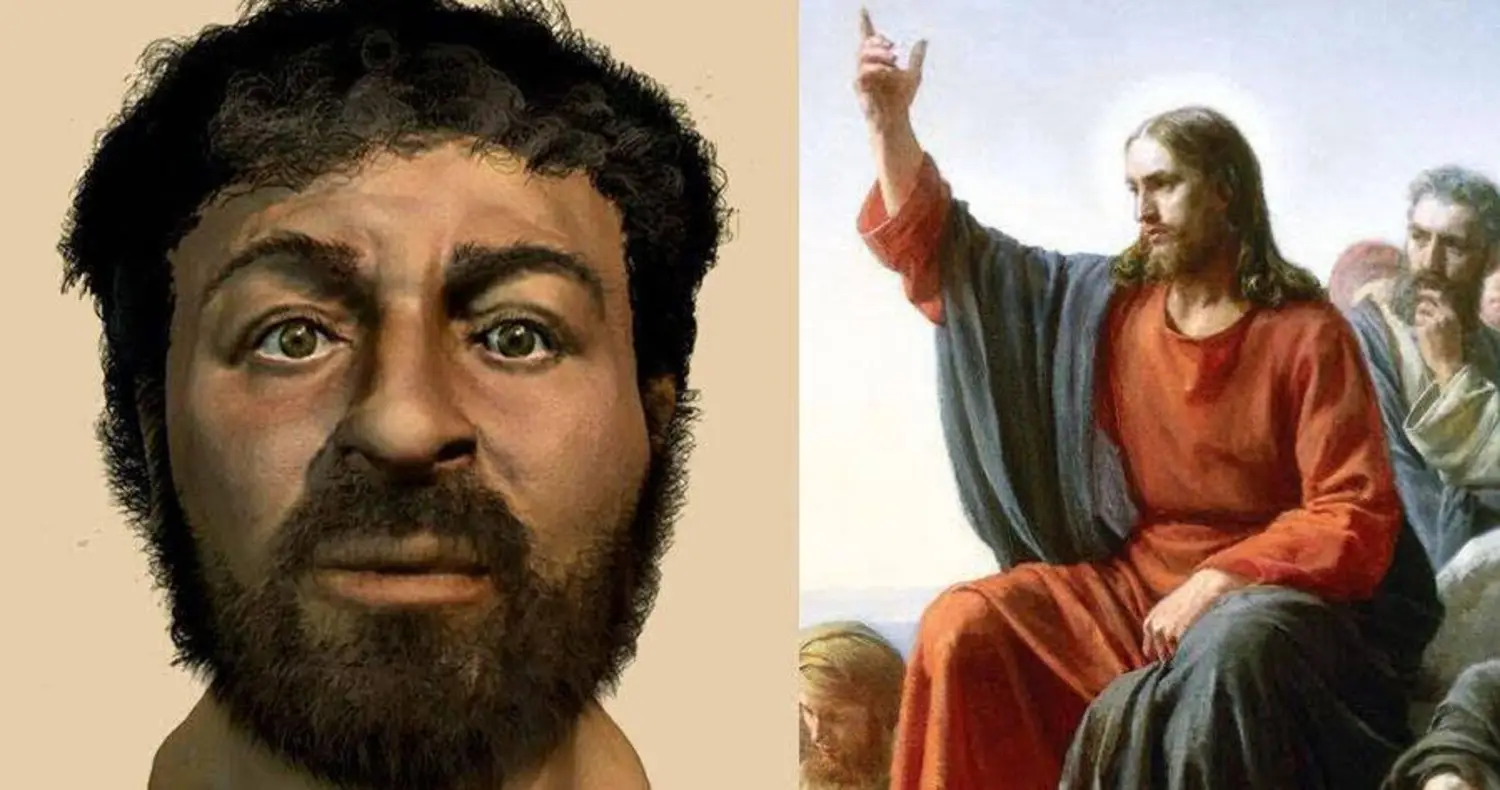
Iconography and Design: Visualizing the Ineffable Identity
Despite the biblical silence on Jesus’ physical appearance, the vacuum was quickly filled by art, tradition, and cultural interpretation, leading to a rich and diverse iconography. This phenomenon offers a compelling case study in how a powerful, undefined brand identity can inspire a multitude of visual designs, each reflecting the needs and perspectives of its audience. From the earliest Christian catacombs to Byzantine mosaics, Renaissance masterpieces, and contemporary depictions, artists and communities have endeavored to give form to the ineffable.
Early Christian art often depicted Jesus as a good shepherd or a youthful, beardless philosopher, drawing on existing Greco-Roman visual tropes to make him relatable within their cultural context. As Christianity evolved and spread, so too did his visual identity. Byzantine icons, for instance, emphasized his divine majesty, often presenting him with elongated features, piercing eyes, and a solemn expression, reflecting theological doctrines and imperial authority. The Renaissance brought a more humanistic approach, depicting him with idealized, often European, features that aligned with contemporary aesthetic values and a renewed focus on his humanity.
Each artistic era and geographical region effectively “designed” Jesus’ appearance to resonate with its specific audience, reinforcing particular aspects of his brand. These visual interpretations served as powerful marketing tools, making abstract theological concepts tangible and fostering emotional connection. This dynamic process illustrates the enduring power of visual communication in translating a core brand message for diverse demographics, even when the original source material provides no direct visual mandate. It highlights how design, driven by cultural context and strategic interpretation, plays a critical role in shaping perception and maintaining a brand’s relevance across vast expanses of time and space.

Sustaining the Brand: Communication, Community, and Enduring Legacy
The longevity and pervasive influence of Jesus’ “brand” offer invaluable lessons in brand sustainability and the power of consistent communication through diverse channels. With no physical presence for two millennia, how has this brand not only endured but thrived globally? The answer lies in a meticulously preserved and widely disseminated narrative, a committed community of advocates, and a message that continually adapts while retaining its core integrity.
The Scriptures themselves serve as the primary brand manual, providing a consistent narrative foundation from which all subsequent interpretations and communications derive. Through millennia, these texts have been translated, interpreted, preached, and taught, ensuring the continuous propagation of Jesus’ story, teachings, and values. This consistent communication of the brand’s origin story and guiding principles is fundamental to its endurance.
Furthermore, the Christian community, in its various denominations and expressions, functions as a global network of brand ambassadors. Through their collective witness, worship, and social action, they embody and promote the brand’s values, translating its abstract principles into tangible, lived experiences. This community aspect creates a powerful network effect, reinforcing the brand’s presence and impact in countless local contexts.
Ultimately, the biblical approach to Jesus’ “appearance” — emphasizing character over physical description, values over superficiality, and consistent messaging over fixed imagery — has created one of history’s most resilient and universally adaptable brands. It stands as a testament to the fact that an enduring identity is not forged in visual uniformity, but in the unwavering clarity of its purpose, the authenticity of its message, and its ability to inspire diverse interpretations while maintaining its essential core. For any individual or organization seeking to build a legacy, the strategic branding decisions embedded in the biblical narrative of Jesus offer profound insights into creating an identity that transcends time, culture, and conventional aesthetics.
aViewFromTheCave is a participant in the Amazon Services LLC Associates Program, an affiliate advertising program designed to provide a means for sites to earn advertising fees by advertising and linking to Amazon.com. Amazon, the Amazon logo, AmazonSupply, and the AmazonSupply logo are trademarks of Amazon.com, Inc. or its affiliates. As an Amazon Associate we earn affiliate commissions from qualifying purchases.