
Navigating the world of bedding can often feel like a minor financial challenge, especially when aiming for both comfort and value. One common conundrum for consumers is selecting the correct comforter size for a full bed. While seemingly a simple aesthetic choice, the decision carries significant financial implications, from preventing costly returns to ensuring the longevity and optimal performance of your investment. This guide delves into the specifics, offering a financially astute perspective on choosing the ideal comforter for a full-sized mattress, ensuring every dollar spent contributes to lasting comfort and value.
Understanding Dimensions: Preventing Costly Mismatches and Returns
The foundation of a smart bedding purchase lies in precise measurements. A seemingly minor miscalculation in comforter size can lead to an unsatisfactory sleep experience, unnecessary expenditure, and the hassle of product returns. Understanding standard dimensions is the first step in making a financially sound decision.
Standard Full Bedding Dimensions: The Baseline Investment
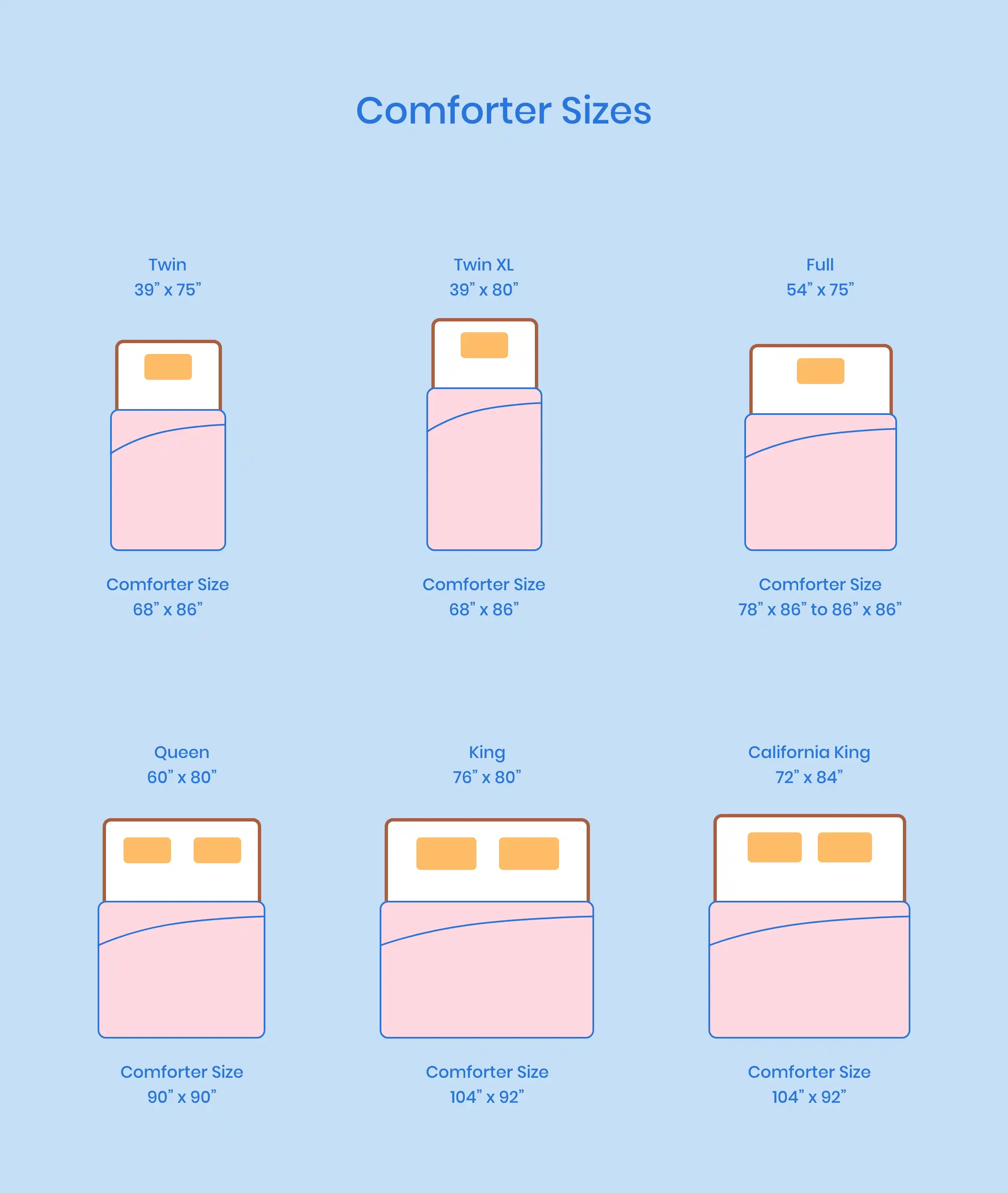
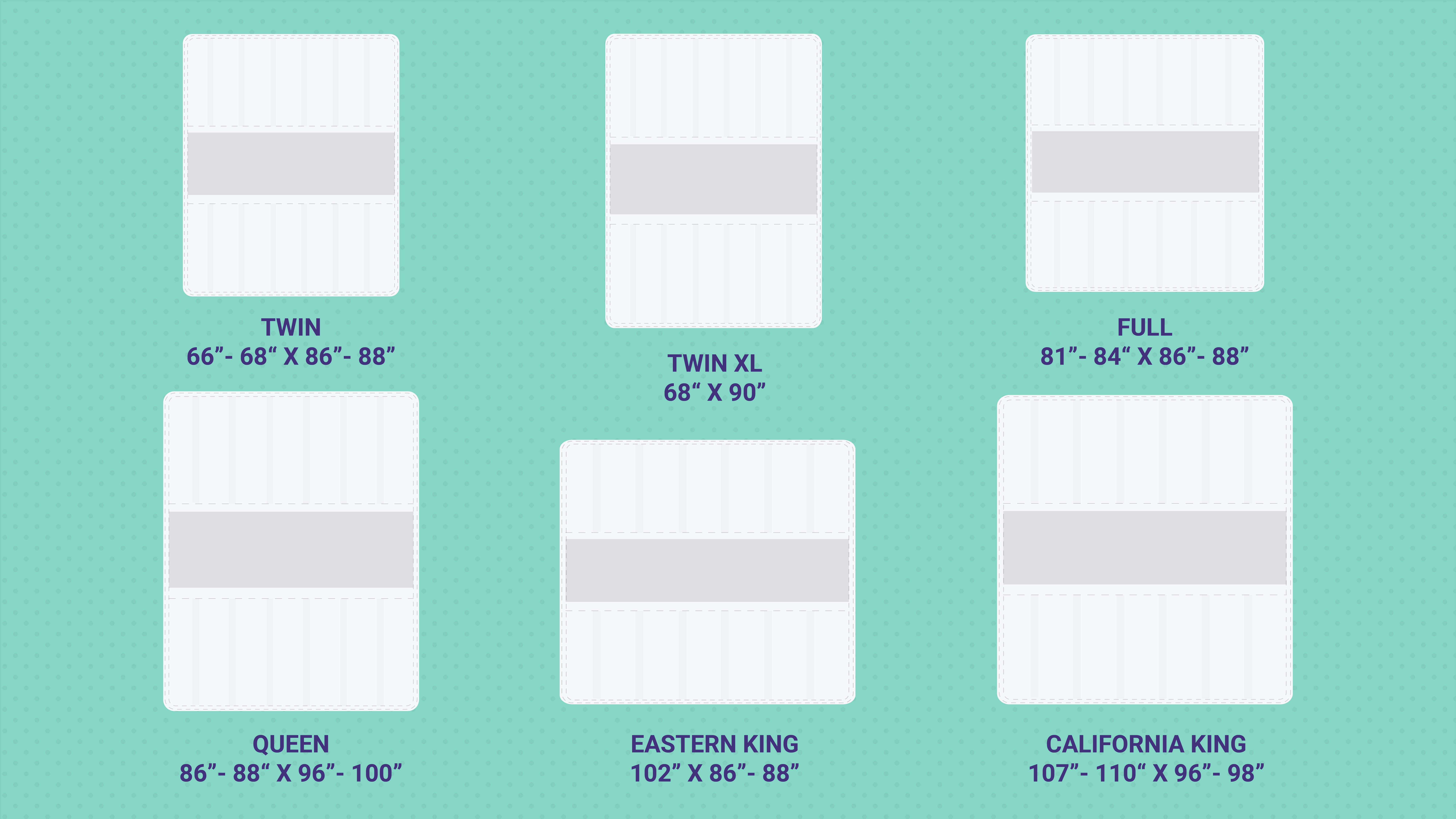
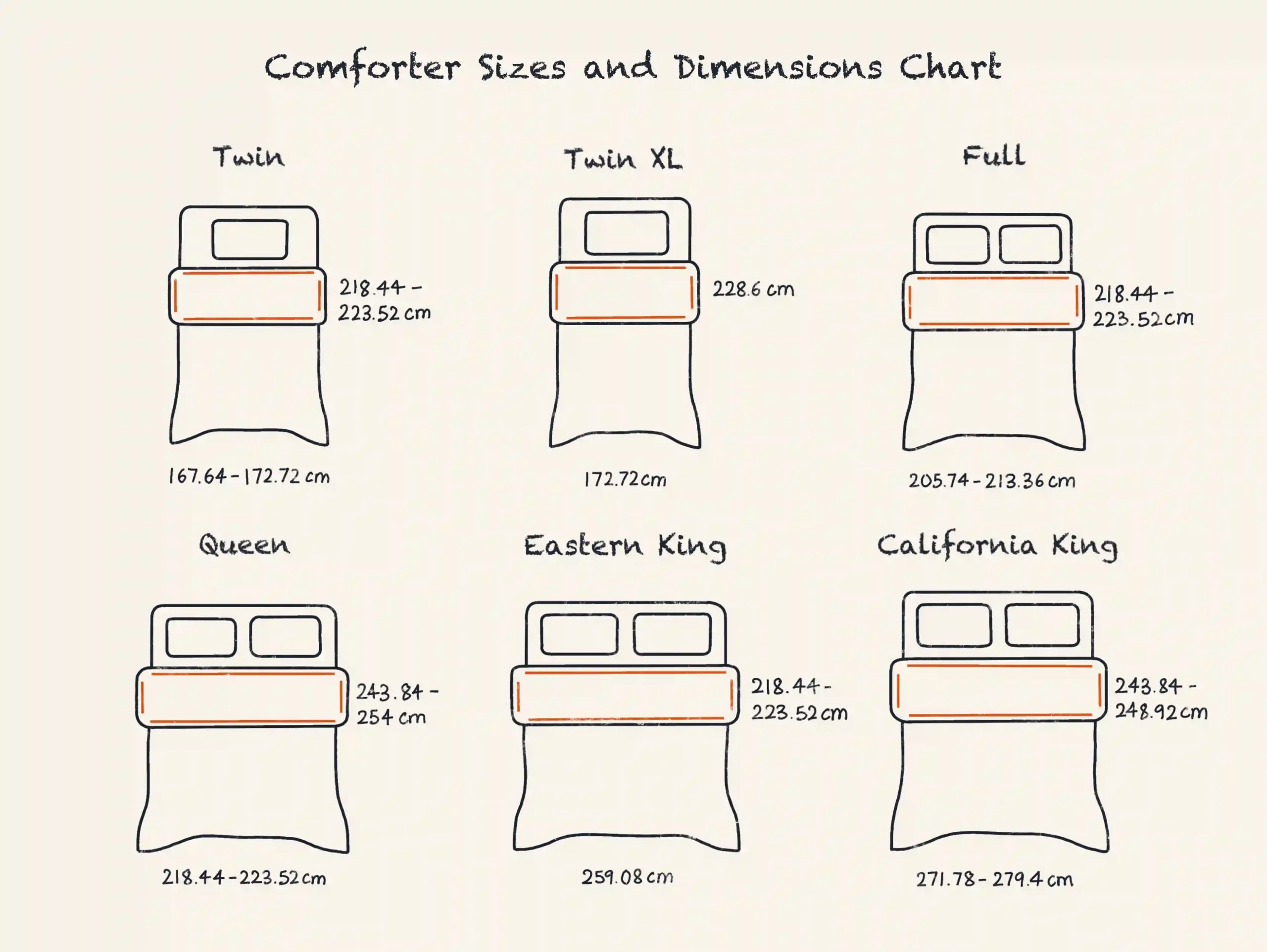
A standard full-sized mattress typically measures 54 inches wide by 75 inches long. For a comforter to provide adequate coverage—draping nicely over the sides without pooling excessively on the floor—it needs to be significantly wider and longer than the mattress itself. Most manufacturers design full-sized comforters to fall within the range of 80 to 84 inches wide and 86 to 90 inches long.
Purchasing an undersized comforter for a full bed is a common misstep that quickly becomes a financial drain. A comforter that barely covers the mattress offers insufficient warmth, exposes sides during sleep, and creates an uninviting aesthetic. This often leads to buyer’s remorse and the need to purchase a replacement sooner than anticipated, effectively doubling your initial expenditure. Investing in the correct size from the outset ensures your money is spent wisely on a product that delivers on its promise of comfort and coverage.
The Cost of Oversizing: More Than Just Aesthetics
While under-sizing presents clear financial drawbacks, opting for a comforter that is excessively large, such as a queen or even a king size for a full bed, also introduces a unique set of financial disadvantages that extend beyond the initial purchase price.
Firstly, larger comforters almost invariably come with a higher price tag. What might seem like a luxurious indulgence in extra drape can quickly become an inflated expense for fabric and fill you don’t truly need. Secondly, an oversized comforter can lead to increased laundry costs. Its bulk might necessitate larger washing machine and dryer cycles, consuming more water and energy, or even require professional cleaning services, which are considerably more expensive than home laundering. This accrues as a recurring operational cost throughout the comforter’s lifespan.
Furthermore, a comforter that drags excessively on the floor is prone to faster wear and tear, picking up dirt and grime, and potentially becoming a tripping hazard. Increased friction and frequent contact with the floor can degrade the fabric and stitching more rapidly, shortening the product’s lifespan and accelerating the need for a premature replacement. This represents a depreciated investment, as the useful life of the product is cut short due to an avoidable sizing error. A financially savvy approach dictates selecting a size that provides generous coverage without wasteful excess.
Decoding “Full/Queen”: A Budgeter’s Cautionary Tale
One of the most perplexing and potentially costly labels in the bedding aisle is “Full/Queen.” Manufacturers often use this designation to market a single comforter size that supposedly caters to both full and queen mattresses. From a financial perspective, this is a critical point of caution for buyers.
A “Full/Queen” comforter is almost always a compromise size. For a full bed, it might offer a luxurious drape, potentially even too much, leading to the issues of oversizing discussed above. However, for a queen bed (typically 60×80 inches), it often proves to be barely adequate, offering minimal overhang. The financial risk here lies in purchasing a product that doesn’t perfectly suit either mattress, leading to dissatisfaction. For a full bed, a “Full/Queen” might be marginally larger than an ideal full size, meaning you’re paying a bit extra for unnecessary material and incurring slightly higher laundering costs. For a queen, it’s often too small, necessitating a subsequent purchase and effectively wasting the initial investment.
To avoid this financial pitfall, always verify the actual dimensions listed on the product packaging, rather than relying solely on generic size labels. Measure your mattress and compare it against the comforter’s stated width and length, considering your desired drape. This due diligence can prevent the financial burden of a return or, worse, being stuck with a comforter that never quite feels right, leading to another purchase down the line.
Maximizing Your Investment: Beyond the Initial Purchase Price
A comforter is an investment in comfort and sleep quality. Smart financial planning for this purchase extends beyond just the initial price tag to consider long-term durability, performance, and maintenance costs. Making informed choices about materials and construction can significantly impact the overall value you derive from your purchase.
Material Choices and Durability: A Long-Term Financial View
The material composition of your comforter directly correlates with its upfront cost, expected lifespan, and long-term financial implications. For instance, high-quality down comforters, known for their superior insulation and lightweight feel, often carry a higher initial price. However, with proper care, they can last for a decade or more, significantly outliving cheaper synthetic alternatives. This longer lifespan translates into a lower cost-per-year, making them a wise long-term investment despite the higher initial outlay.
Conversely, while synthetic fills like polyester offer a lower entry price point, they tend to compress and degrade faster, losing their loft and insulating properties over a shorter period. This often necessitates more frequent replacement, negating any initial savings and leading to higher cumulative costs over the same decade. For consumers on a strict budget, opting for a mid-range synthetic comforter with durable construction, rather than the cheapest available, can still offer a better cost-per-year return.
Furthermore, consider the care requirements. Some materials are machine washable, reducing ongoing cleaning expenses, while others may require dry cleaning, which adds a recurring cost. Factor these ongoing maintenance expenses into your financial assessment when choosing a material.
Fill Power and Warmth: Optimizing for Value and Comfort
For down comforters, “fill power” is a critical indicator of quality, warmth, and ultimately, value. It measures the loft or fluffiness of the down, with higher fill power indicating better insulation for less weight, and typically, a higher price. For synthetic comforters, “fill weight” serves a similar purpose.
Choosing the appropriate fill power/weight for your climate and personal warmth preference is a financial optimization strategy. Investing in an “all-season” comforter with a moderate fill power (e.g., 600-700 for down) can be a more economical choice than buying separate lightweight and heavy-weight comforters for different seasons. This consolidates your bedding investment into a single, versatile product, reducing total spending. Conversely, buying an excessively warm comforter for a mild climate, or an insufficient one for cold winters, leads to discomfort and potentially the need for supplementary blankets or a completely new comforter, wasting money on inefficient temperature regulation.
The Hidden Costs of Poor Quality: Stitching, Baffles, and Financial Regret
The construction of a comforter—specifically its stitching and internal baffling—plays a crucial role in its longevity and, by extension, its financial value. Cheaper comforters often feature “sewn-through” construction, where the top and bottom fabric layers are stitched directly together. While economical to produce, this method can compress the fill at the stitch lines, creating “cold spots” and allowing the fill to shift and clump over time. This uneven distribution leads to a rapid decline in insulation and overall comfort, necessitating early replacement and a wasted investment.
In contrast, higher-quality comforters often employ “baffle-box” construction. This method uses internal fabric walls to create individual compartments, allowing the fill to loft fully within each box and preventing shifting. While more expensive upfront, baffle-box construction ensures consistent warmth, preserves the comforter’s integrity, and significantly extends its lifespan, offering superior long-term financial value.
Examining the quality of the outer fabric and stitching is also paramount. Loose threads, uneven seams, or thin fabric indicate poor craftsmanship that will likely lead to premature wear, tearing, and fill leakage. Such flaws translate directly into a poor return on investment, as the comforter will fail to perform and need replacing far sooner than a well-constructed counterpart. Prioritizing quality construction is a fundamental aspect of savvy bedding expenditure.
Strategic Spending: Budgeting for Bedding and Avoiding Buyer’s Remorse
A well-executed financial strategy for purchasing a comforter involves more than just selecting the right size and quality. It also encompasses smart shopping tactics, understanding market dynamics, and protecting your purchase.
Timing Your Purchase: Seasonal Sales and Discount Opportunities
Astute consumers understand that timing can significantly impact the final price of a quality comforter. Bedding, like many home goods, is subject to predictable retail cycles. “White sales,” traditionally held in January and July, are prime opportunities to find substantial discounts on bedding essentials. Other strategic times to buy include major holiday weekends (e.g., Memorial Day, Labor Day, Black Friday) and end-of-season clearances as retailers make way for new inventory.
By planning your purchase around these periods, you can often acquire a higher-quality comforter, which offers better long-term value, at a price point that fits a more modest budget. This allows for an upgrade in material or construction without overspending, effectively maximizing your financial outlay.
Online vs. Brick-and-Mortar: Weighing Price, Returns, and Convenience
The choice between purchasing a comforter online or from a physical store involves weighing different financial considerations. Online retailers often boast a wider selection and more competitive pricing due to lower overheads, potentially offering superior value. However, the inability to physically inspect the product can lead to discrepancies between expectation and reality, increasing the likelihood of a return. Return shipping costs and potential restocking fees can quickly erode any initial savings, turning a seemingly good deal into a financial headache.
Brick-and-mortar stores, while sometimes having higher prices, offer the advantage of tactile inspection. You can feel the fabric, assess the loft, and visually confirm the quality, significantly reducing the chances of dissatisfaction and the need for a return. However, limited selection might mean compromising on specific features or brands. A hybrid approach, researching online for product specifications and reviews, then comparing prices and return policies across both channels, often yields the most financially prudent decision. Always scrutinize return policies before committing to a purchase to safeguard your investment.
Warranties and Guarantees: Safeguarding Your Financial Outlay
A strong warranty or guarantee from a reputable manufacturer is a crucial, yet often overlooked, component of a financially secure comforter purchase. Warranties typically cover manufacturing defects, offering repair, replacement, or a refund if the product fails prematurely due to issues with materials or workmanship. This provides an invaluable financial safety net, protecting your investment against unforeseen flaws.
Manufacturers who offer robust warranties usually stand behind the quality of their products, which often correlates with better durability and a longer lifespan. This means your initial expenditure is more likely to provide sustained value. Before purchasing, inquire about the warranty period and what it covers. Understanding these terms ensures that your hard-earned money is invested in a product that is not only suitable for your full bed but also protected against unexpected faults, securing its place as a reliable and long-lasting asset in your home.
aViewFromTheCave is a participant in the Amazon Services LLC Associates Program, an affiliate advertising program designed to provide a means for sites to earn advertising fees by advertising and linking to Amazon.com. Amazon, the Amazon logo, AmazonSupply, and the AmazonSupply logo are trademarks of Amazon.com, Inc. or its affiliates. As an Amazon Associate we earn affiliate commissions from qualifying purchases.