
The intricate dance of economic forces that determine an economy’s total output, or aggregate supply, is a cornerstone for understanding market trends, business profitability, and investment opportunities. For businesses, investors, and policymakers alike, deciphering the catalysts behind these shifts is not merely an academic exercise; it is fundamental to strategic financial planning, risk management, and the pursuit of sustainable wealth. Aggregate supply represents the total volume of goods and services that firms are willing and able to produce at a given price level within an economy over a specific period. Its fluctuations offer profound insights into an economy’s health, its productive capacity, and its potential for growth, directly influencing everything from stock market performance to interest rates.
The Economic Engine: Decoding Aggregate Supply
Understanding what aggregate supply is and why it matters is the first step in appreciating its profound impact on the financial landscape. At its core, aggregate supply reflects an economy’s ability to produce. This capacity is not static; it constantly evolves due to a myriad of factors, creating shifts that can either expand an economy’s potential or constrain it.
What is Aggregate Supply?
Economists typically differentiate between two forms of aggregate supply: short-run aggregate supply (SRAS) and long-run aggregate supply (LRAS). SRAS is influenced by input costs and temporary factors, depicting the total output an economy can produce over a short period where some input prices (like wages) are fixed. LRAS, on the other hand, represents the economy’s full employment output or potential output when all resources are fully and efficiently utilized, independent of the price level. It signifies the maximum sustainable output an economy can achieve when all factors of production are optimally employed. Shifts in either curve have distinct implications for inflation, unemployment, and economic growth, which are critical variables for any financial stakeholder.
Why Aggregate Supply Matters for Business and Investors
For businesses, an expanding aggregate supply typically means greater market potential, lower input costs per unit (due to economies of scale or technological advancements), and a more competitive environment. This can translate into higher profits, increased investment in expansion, and job creation. Conversely, a contraction in aggregate supply can lead to inflationary pressures, scarcity of resources, and reduced profitability, forcing businesses to re-evaluate pricing strategies, supply chains, and operational efficiencies.
For investors, understanding aggregate supply shifts is paramount for making informed decisions. An economy experiencing a positive shift in LRAS, for instance, signals long-term growth potential, attracting capital and boosting asset valuations across various sectors. This insight helps in identifying industries poised for growth, anticipating market cycles, and adjusting portfolio allocations to capitalize on emerging opportunities or mitigate impending risks. Macroeconomic analysis, including the study of aggregate supply, forms the bedrock of sound investment strategy, enabling participants to navigate volatile markets with greater foresight.
Input Costs and Short-Term Market Dynamics: The Immediate Impact
The short-run aggregate supply (SRAS) is particularly sensitive to changes in input costs and immediate operational factors. These shifts can rapidly alter the profitability of businesses, influence pricing strategies, and ripple through financial markets.
Fluctuations in Commodity and Labor Costs
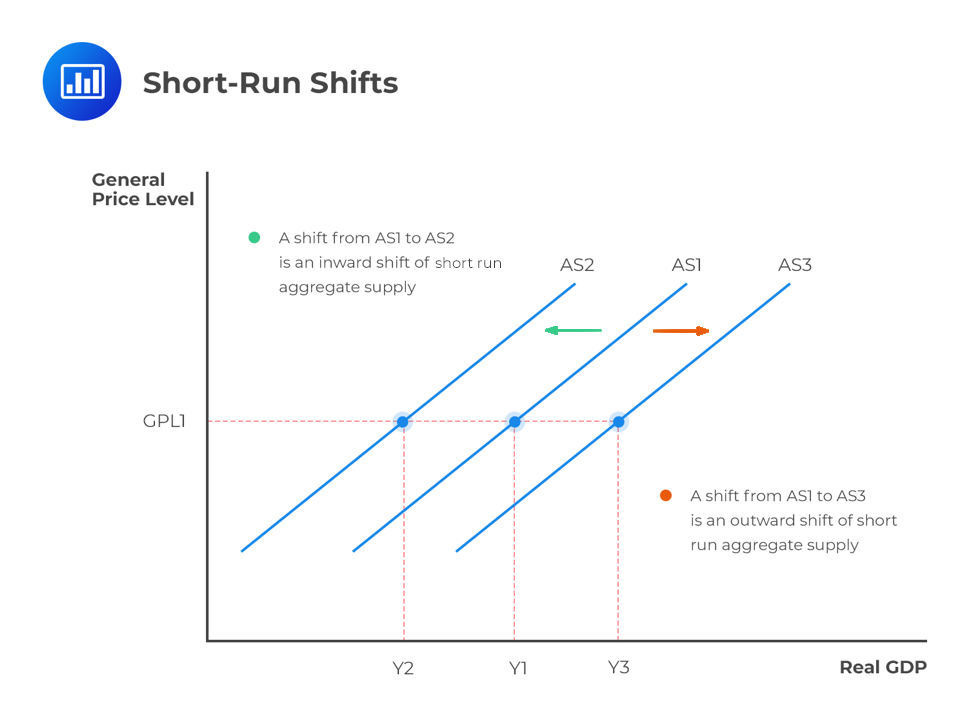
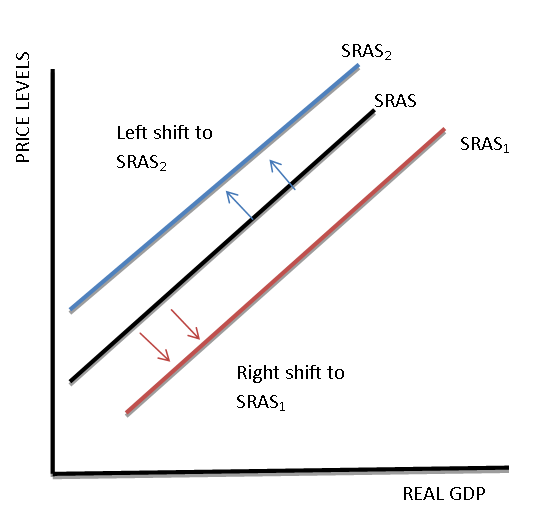
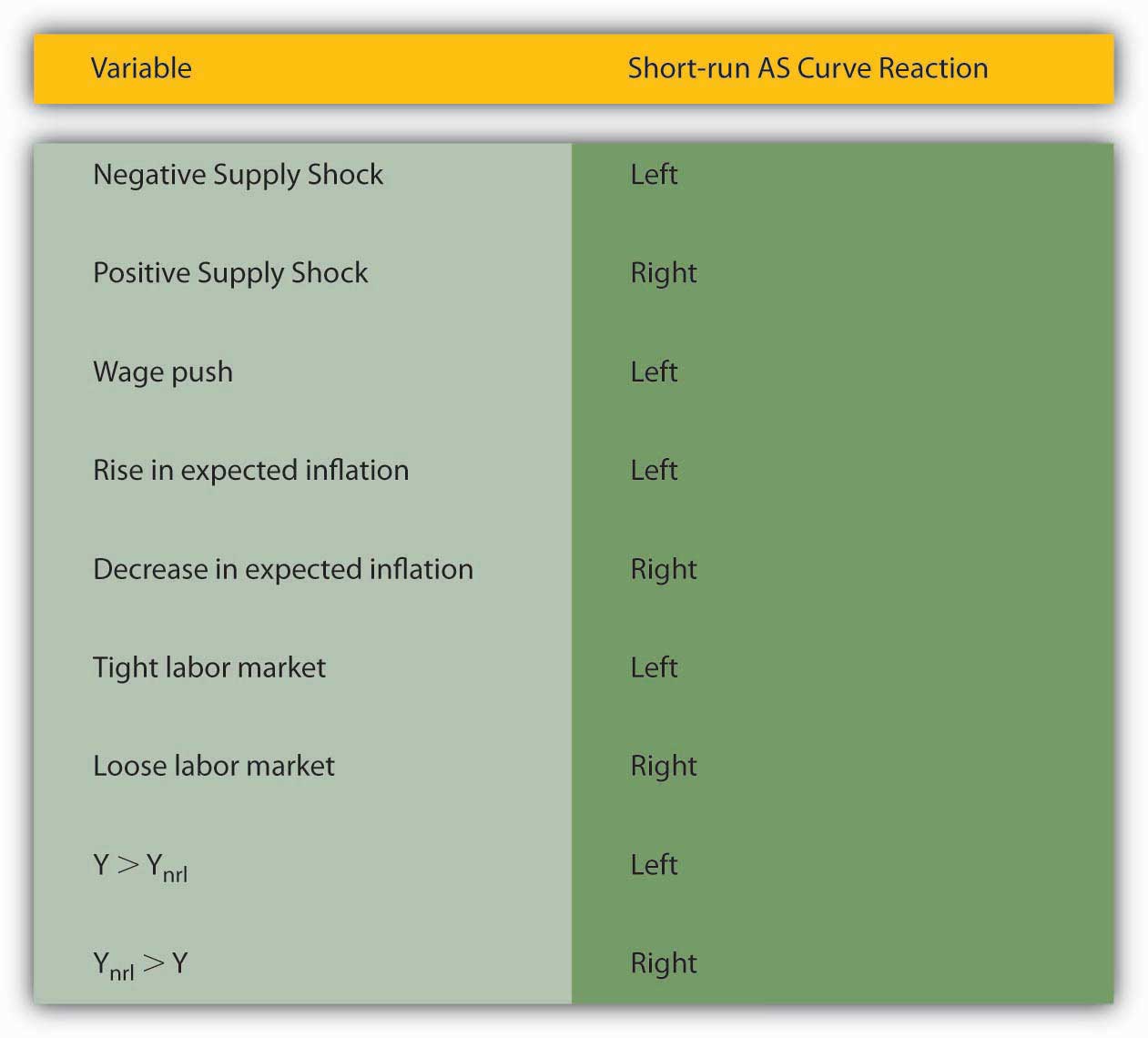
One of the most direct influences on SRAS is the cost of key inputs. A sudden increase in the price of essential commodities like oil, steel, or agricultural products raises production costs for many industries. For instance, a spike in oil prices directly impacts transportation costs for goods, energy costs for factories, and raw material costs for petrochemical industries. Similarly, significant increases in average wages or labor benefits, especially in industries reliant on large workforces, directly elevate a firm’s operational expenses. When these input costs rise across the board, businesses face higher expenses for producing the same amount of output. This often leads to a leftward (inward) shift of the SRAS curve, signifying that less output will be supplied at every price level, typically resulting in higher inflation and potentially slower economic growth (stagflation). Conversely, a decrease in these input costs allows businesses to produce more profitably, leading to a rightward (outward) shift of the SRAS curve, which can spur economic expansion and moderate price levels. Investors closely monitor commodity markets and labor reports for early indicators of potential SRAS shifts, adjusting their sector exposures accordingly.
Technological Adoption and Productivity Gains
While technology is often a long-run driver, its short-term adoption cycles can also impact SRAS. New software tools, process automation, or incremental equipment upgrades can immediately enhance productivity, allowing firms to produce more with the same or fewer inputs. This effectively lowers the per-unit cost of production in the short run, shifting the SRAS curve to the right. Businesses that successfully integrate such technologies often gain a competitive edge, which can lead to increased market share and profitability. Investors pay close attention to industries and companies that are leaders in adopting productivity-enhancing technologies, as these can represent attractive growth opportunities.
Expectations and Economic Sentiment
Business expectations about future prices, demand, and economic conditions significantly influence current production decisions. If businesses anticipate higher prices or stronger demand in the near future, they might increase current production to capitalize on these expectations, leading to a rightward shift in SRAS. Conversely, pessimistic forecasts about the economy or future profitability can lead firms to scale back production, resulting in a leftward shift. This psychological aspect of the economy is heavily influenced by consumer confidence, government policy announcements, and global economic stability. For financial analysts, gauging business sentiment is a critical component of short-term economic forecasting.
Regulatory Environment and Business Costs
Government regulations, while often designed for societal benefit, can impose additional costs on businesses. New environmental standards, stricter labor laws, or complex tax regulations can increase compliance costs, raw material expenses, or operational overhead. These additional costs can reduce the profitability of producing at any given price level, leading to a leftward shift in SRAS. Conversely, deregulation or incentives for specific industries can lower business costs and encourage greater production, shifting SRAS to the right. Understanding the regulatory landscape is crucial for businesses assessing market entry, expansion plans, and for investors evaluating industry attractiveness and potential headwinds.
Long-Term Growth Drivers: Building Sustainable Wealth and Opportunity
Shifts in long-run aggregate supply (LRAS) are more profound, reflecting fundamental changes in an economy’s productive capacity. These are the engines of sustainable economic growth and the bedrock of long-term investment strategies.
Investment in Capital and Infrastructure
The quantity and quality of an economy’s capital stock—factories, machinery, equipment, and technological infrastructure—are primary determinants of its LRAS. Significant investments in new capital, whether through private sector spending or public infrastructure projects (roads, bridges, communication networks), enhance an economy’s ability to produce more goods and services efficiently. Better infrastructure reduces transportation costs, improves connectivity, and facilitates trade, benefiting a wide array of industries. From an investment perspective, sectors involved in capital goods production, construction, and infrastructure development often thrive during periods of increased capital formation, offering lucrative long-term opportunities.
Human Capital Development and Labor Force Expansion
The size and skill level of an economy’s workforce are pivotal to its productive potential. Investments in education, vocational training, healthcare, and initiatives that boost labor force participation (e.g., policies supporting parental leave or immigration) contribute to the expansion and enhancement of human capital. A more skilled, healthier, and larger workforce can produce more and innovate faster, leading to a rightward shift in the LRAS curve. This emphasizes the importance of human capital for business competitiveness and the long-term health of an economy, influencing investment decisions in education technology, healthcare, and labor-intensive sectors.
Innovation and Entrepreneurship
Technological advancements and entrepreneurial drive are perhaps the most potent forces behind long-run aggregate supply shifts. Breakthroughs in science and technology lead to new production methods, new products, and entirely new industries. Think of the internet revolution, advancements in artificial intelligence, or renewable energy technologies. These innovations dramatically increase efficiency, lower production costs over time, and expand the range of goods and services an economy can offer, fundamentally shifting the LRAS curve outwards. Governments promoting research and development, protecting intellectual property, and fostering a culture of innovation can unlock immense economic potential. For investors, identifying disruptive technologies and supporting innovative companies are key strategies for capital appreciation over the long term.
Resource Availability and Sustainability
Natural resources, including land, water, minerals, and energy sources, are fundamental inputs for production. Discoveries of new resources, or the development of more efficient ways to extract and utilize existing ones, can expand an economy’s LRAS. Conversely, depletion of resources, environmental degradation, or stricter regulations on resource extraction can act as a constraint, potentially shifting LRAS inwards or limiting its growth. This factor highlights the growing importance of sustainable practices, renewable energy investments, and resource efficiency for ensuring long-term economic viability and managing financial risks associated with resource scarcity.
Strategic Implications for Financial Planning and Investment
Understanding the dynamics of aggregate supply shifts offers a powerful lens through which to view economic cycles and formulate robust financial strategies. For businesses, investors, and individuals, this knowledge translates into better decision-making and greater financial resilience.
Forecasting Economic Trends for Business Decisions
Businesses utilize insights into aggregate supply shifts to forecast future economic conditions. An anticipated rightward shift in LRAS, driven by technological innovation or infrastructure investment, signals potential for sustained economic growth and expanding markets. This can inform decisions regarding capacity expansion, market entry, product development, and hiring. Conversely, signs of an inward shift, perhaps due to aging infrastructure or declining labor force participation, might prompt businesses to focus on cost optimization, efficiency gains, or diversification into less resource-intensive sectors.
Identifying Investment Opportunities in Shifting Economic Landscapes
Investors who comprehend the drivers of aggregate supply can position their portfolios strategically. Sectors benefiting from technological advancements, such as tech and biotech, or those tied to infrastructure development, like construction and materials, may offer superior returns during periods of LRAS expansion. Similarly, an understanding of potential supply shocks can guide investors towards defensive assets or sectors that are less vulnerable to input cost fluctuations. For example, during periods of rising commodity prices (an inward SRAS shift), companies with strong pricing power or those that are less reliant on volatile inputs may outperform.
Mitigating Risks Through Diversification and Understanding Macro Factors
Economic downturns, often exacerbated by negative aggregate supply shocks (e.g., natural disasters affecting production, global supply chain disruptions), underscore the importance of diversification. A well-diversified portfolio, spanning various asset classes, industries, and geographies, can cushion the impact of adverse shifts in aggregate supply on specific sectors. Furthermore, understanding the macroeconomic context provided by aggregate supply analysis helps in recognizing systemic risks that could affect the entire market, prompting adjustments in overall risk exposure.
The Role of Policy: How Governments Influence Supply-Side Economics
Government policies can significantly influence both SRAS and LRAS. Supply-side economics, for instance, focuses on policies designed to increase aggregate supply, such as tax cuts for businesses, deregulation, investments in infrastructure, and funding for research and development. These policies aim to incentivize production, stimulate innovation, and enhance an economy’s long-term productive capacity. Investors track policy decisions closely, as they can create tailwinds or headwinds for specific industries and the broader economy, thereby impacting investment returns. Understanding how fiscal and monetary policies interact with aggregate supply provides a more complete picture for financial forecasting and strategic planning.
aViewFromTheCave is a participant in the Amazon Services LLC Associates Program, an affiliate advertising program designed to provide a means for sites to earn advertising fees by advertising and linking to Amazon.com. Amazon, the Amazon logo, AmazonSupply, and the AmazonSupply logo are trademarks of Amazon.com, Inc. or its affiliates. As an Amazon Associate we earn affiliate commissions from qualifying purchases.