
The quest for the perfect shampoo for thin, fine hair is a common one, driven by a desire for volume, body, and overall hair health without weighing it down. From a brand strategy standpoint, this consumer need presents a nuanced challenge and a significant opportunity. Brands that successfully capture this market segment do so by meticulously understanding the unique properties of thin, fine hair, crafting compelling narratives, and delivering on specific product promises through carefully considered ingredients and positioning. This isn’t merely about formulating a product; it’s about building a brand identity that resonates deeply with a consumer base often frustrated by products that fall short.
Understanding the Niche: Why Thin, Fine Hair Demands Specific Brand Attention
Thin, fine hair isn’t just “less hair”; it’s a distinct hair type with its own set of structural and aesthetic characteristics. For brands, recognizing these nuances is the first step in developing a winning strategy.
The Unique Challenges of Thin, Fine Hair
Brands understand that consumers with thin, fine hair face several persistent challenges. Structurally, fine hair strands have a smaller diameter, making them more prone to breakage and less capable of holding volume. The natural oils from the scalp can travel down the hair shaft more easily, leading to a greasy appearance faster than thicker hair types. Furthermore, fine hair often lacks natural body and can appear limp or flat, making styling a constant struggle.
For a brand, this means addressing multiple pain points:
- Lack of Volume and Body: The primary concern for most, driving the demand for shampoos that lift roots and plump strands without heaviness.
- Easy Oiliness: Products must cleanse effectively without stripping, and ideally, contribute to a balanced scalp environment.
- Fragility and Breakage: Gentle formulations are crucial to prevent damage to delicate strands.
- Product Buildup: Fine hair is easily weighed down by heavy conditioners, silicones, or residues, necessitating lightweight formulations.
Brands that acknowledge these specific frustrations in their messaging immediately connect with their target audience, demonstrating empathy and understanding.
Identifying the Target Consumer and Their Desires
The consumer with thin, fine hair isn’t just looking for “shampoo”; they are seeking solutions that align with specific aspirations. They desire hair that looks fuller, feels lighter, appears healthier, and is easier to manage. Brands tap into these desires by framing their products not just as cleansers, but as tools for transformation.
The target consumer is often:
- Volume Seekers: Those who prioritize lift, bounce, and the appearance of more hair. Their language revolves around “fullness,” “body,” and “oomph.”
- Gentle Care Advocates: Individuals concerned about harsh chemicals, seeking mild formulations that won’t irritate the scalp or strip their delicate hair.
- Scalp Health Focused: Consumers who understand that a healthy scalp is the foundation for healthy hair growth, seeking shampoos that address oiliness, flakiness, or sensitivity without weighing down strands.
Successful brands create distinct brand personas around these desires, ensuring their product lines and marketing campaigns speak directly to each segment, solidifying a niche identity within the broader beauty market.
Brand Pillars for Thin, Fine Hair Shampoos: Messaging and Ingredients
The core of a brand’s strategy lies in its messaging and the tangible features it delivers. For thin, fine hair, this means a careful calibration of language, ingredient selection, and how these are communicated to the consumer.
The Power of “Volume” and “Lightweight” in Brand Messaging
In the world of thin, fine hair, certain keywords become powerful brand assets. “Volume,” “lift,” “body,” “fullness,” “plumping,” and “thickening” are staples in marketing copy and product names. These words directly address the consumer’s primary pain point and promise a desired outcome.
Equally important is the emphasis on “lightweight,” “non-greasy,” “residue-free,” and “airy” formulations. Brands understand that the fear of weighing down already delicate hair is paramount. Messaging often highlights the absence of heavy oils or conditioning agents, reinforcing the product’s suitability for fine textures. For example, a brand might position its volumizing line as having “weightless technology” or “micro-polymers that lift without buildup.” This strategic choice of language forms the bedrock of a brand’s identity in this niche.
Ingredient Transparency and “Free-From” Branding
Modern consumers are increasingly ingredient-conscious, and brands catering to thin, fine hair have leveraged this trend by highlighting specific ingredient profiles.
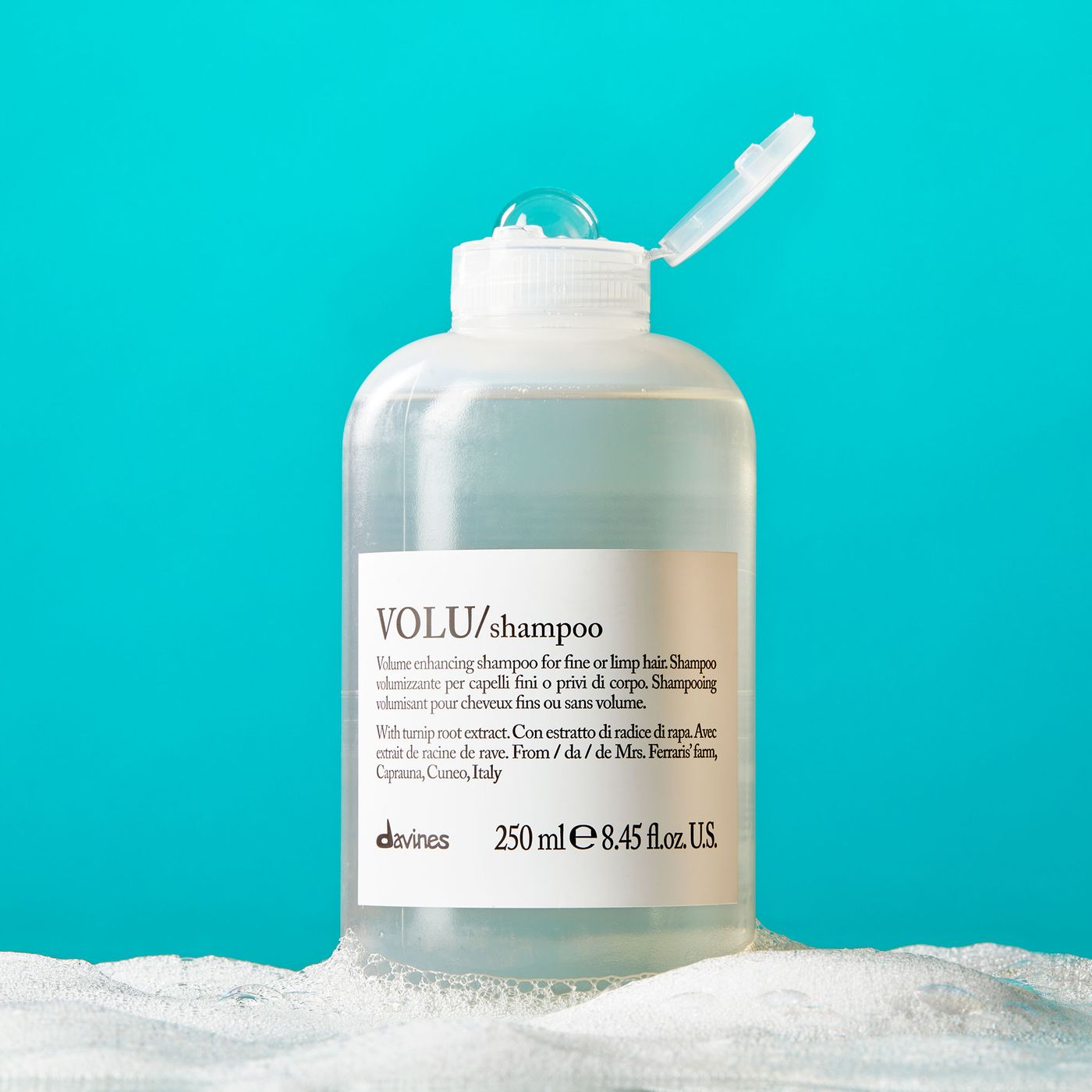
- “Free-From” Claims: The absence of sulfates, parabens, phthalates, and heavy silicones has become a key differentiator. Brands communicate that these ingredients can strip natural oils, cause irritation, or lead to buildup, which is particularly detrimental to fine hair. Positioning a shampoo as “sulfate-free” isn’t just a formulation choice; it’s a brand promise of gentleness and care.
- Hero Ingredients: Brands often build their identity around specific beneficial ingredients known to support hair health and volume.
- Biotin and Collagen: Positioned as strengthening agents that can thicken the appearance of hair strands.
- Rice Water or Protein Complexes: Marketed for their ability to add strength, shine, and body without heaviness.
- Peptides and Keratin: Emphasized for their role in repairing and reinforcing the hair structure.
- Botanical Extracts (e.g., ginseng, peppermint, rosemary): Highlighted for stimulating the scalp and promoting a healthy environment for growth.
Brands carefully select and prominently feature these “hero ingredients” on their packaging and in their marketing materials, creating a unique selling proposition and fostering a perception of efficacy and targeted care.
Packaging and Design: Visual Cues for Efficacy
Beyond the formula, the visual identity of a brand plays a crucial role in communicating its value proposition. For shampoos targeting thin, fine hair, design elements subtly reinforce the brand’s promise.
- Color Palettes: Lighter, brighter colors (whites, pastels, clear bottles) often convey a sense of lightness, cleanliness, and purity, aligning with the “weightless” messaging. Conversely, darker, more sophisticated tones can suggest a high-end, scientific approach to hair thickening.
- Bottle Shapes: Sleek, minimalist designs can communicate efficiency and modernity, while softer, organic shapes might suggest natural or gentle formulations.
- Texture and Finish: Matte finishes can imply a natural, understated elegance, while glossy textures might hint at luxury and advanced formulations.
- Typography: Elegant, airy fonts can reinforce the idea of lightness and sophistication, while bold, scientific-looking fonts might convey efficacy and research-backed solutions.
Every design choice, from the label material to the pump mechanism, contributes to the overall brand experience and reinforces the core message that the product is ideal for delicate, fine hair.
Building Trust: Brand Credibility and Consumer Loyalty
In a crowded market, simply having a good product isn’t enough. Brands for thin, fine hair must actively build trust and foster loyalty to sustain their market position.
The Role of Scientific Endorsement and Dermatological Claims
Many premium brands for thin, fine hair invest heavily in scientific backing. Claims like “dermatologist-tested,” “clinically proven,” or “formulated by experts” lend significant credibility. Brands might showcase studies demonstrating increased hair thickness, reduced breakage, or improved scalp health. This scientific positioning appeals to consumers seeking reliable, evidence-based solutions rather than just aesthetic promises, thereby elevating the brand’s perceived authority and efficacy.
Influencer Marketing and User-Generated Content
In the digital age, authenticity is key. Brands effectively leverage influencer marketing by partnering with individuals who genuinely struggle with thin, fine hair and can credibly share their positive experiences. This peer-to-peer recommendation builds social proof and makes the brand feel more relatable and trustworthy. Similarly, encouraging user-generated content (reviews, before-and-after photos, testimonials) allows the brand’s community to advocate for its effectiveness, creating a powerful network effect that drives new customers and reinforces loyalty among existing ones.
From Niche to Lifestyle: Expanding Brand Identity
Successful brands often evolve beyond merely offering a shampoo for thin, fine hair. They expand their identity to become a go-to resource or a lifestyle choice for their target demographic. This can involve:
- Expanding Product Lines: Introducing conditioners, masks, serums, and styling products specifically designed to complement the shampoo and provide a holistic hair care regimen for thin, fine hair.
- Educational Content: Providing valuable articles, tutorials, and tips on managing and styling fine hair, positioning the brand as an expert and trusted advisor.
- Community Building: Creating online forums, social media groups, or events where consumers can share experiences and advice, fostering a sense of belonging and deeper engagement with the brand.
By broadening their scope, brands transform from a single product provider into a comprehensive solution, securing long-term loyalty and market dominance.
Case Studies in Branding for Thin, Fine Hair
Observing how different brands approach the thin, fine hair segment provides clear insights into successful strategies.
The “Volumizing Specialist” Brand
These brands make “volume” their singular, defining promise. Their entire product range, from shampoo to styling mousse, is engineered and marketed to maximize lift and fullness. Their packaging often features imagery of bouncy, voluminous hair, and their messaging emphasizes advanced polymers or lightweight formulas that create lasting body without stiffness. They might highlight unique “root-lifting technologies” or “plumping complexes” as their core differentiator, becoming the go-to for consumers whose primary goal is noticeable volume.
The “Gentle Care” Natural Brand
This category focuses on purity and scalp health, appealing to consumers concerned about sensitivity or harsh chemicals. These brands often emphasize “clean” ingredients, botanical extracts, and “free-from” lists. Their packaging might feature earthy tones, natural imagery, and transparent ingredient lists. Their messaging centers on nurturing the scalp and hair with mild, sustainable formulations, promising healthy hair growth and overall well-being without irritation or dryness, a crucial consideration for delicate fine hair. They build trust through certifications (organic, cruelty-free) and a commitment to environmental responsibility.
The “Scalp Health First” Brand
For some brands, the strategy for thin, fine hair begins at the root—literally. These brands position themselves as experts in scalp care, understanding that a healthy scalp is foundational for optimal hair growth and density. Their shampoos often contain active ingredients targeting concerns like excess oil, dandruff, or follicle health, directly linking scalp vitality to hair fullness. Messaging focuses on the science behind their formulations, often referencing dermatological research or clinical studies. Their brand identity is one of clinical efficacy and problem-solving, appealing to consumers seeking a therapeutic approach to their fine hair concerns.
In conclusion, “what shampoo is good for thin fine hair” isn’t a simple question for a brand to answer with just a product; it’s a strategic imperative. Brands that succeed in this competitive niche do so by deeply understanding the consumer’s needs, articulating clear and compelling value propositions through precise messaging, transparent ingredient branding, thoughtful design, and by building unwavering trust and loyalty. They don’t just sell shampoo; they sell confidence, volume, and the promise of better hair days.
aViewFromTheCave is a participant in the Amazon Services LLC Associates Program, an affiliate advertising program designed to provide a means for sites to earn advertising fees by advertising and linking to Amazon.com. Amazon, the Amazon logo, AmazonSupply, and the AmazonSupply logo are trademarks of Amazon.com, Inc. or its affiliates. As an Amazon Associate we earn affiliate commissions from qualifying purchases.