
In the intricate tapestry of professional life, leadership is not merely a role but an identity, a dynamic expression of one’s values, vision, and influence. Understanding “what kind of leader am I” is not just a quest for self-awareness; it is the foundational step in crafting a powerful and authentic personal brand that resonates, inspires, and drives success. Your leadership style is, in essence, your brand in action – how you are perceived, remembered, and trusted by your team, peers, and stakeholders. Delving into this question allows you to consciously sculpt your leadership identity, transforming it from an unconscious habit into a strategic asset.
Unearthing Your Leadership Archetype: The Core of Your Brand
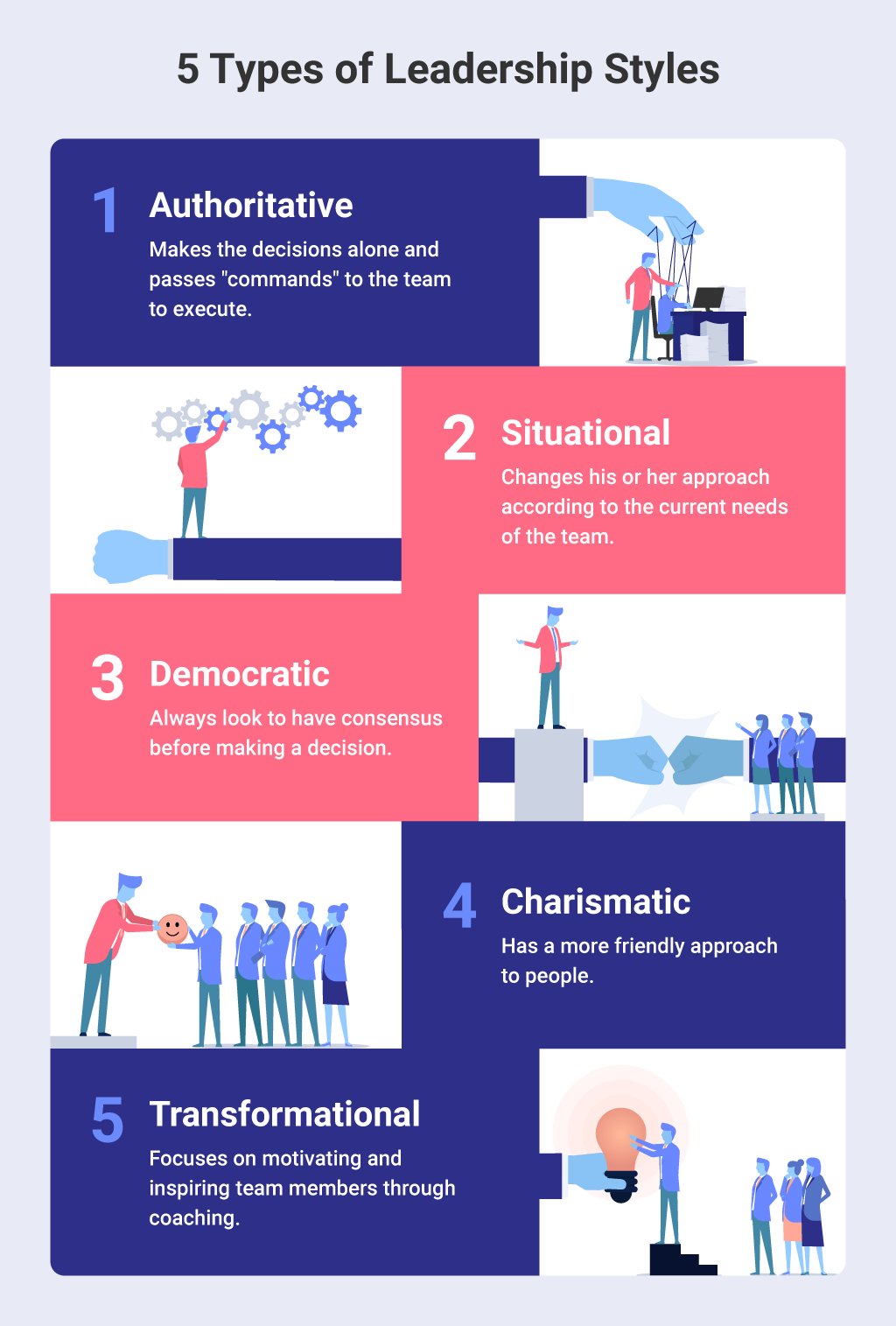
Every leader possesses a unique blend of traits and approaches that coalesce into an identifiable archetype. Recognizing your dominant leadership archetype is paramount to building a coherent and impactful personal brand. It’s not about fitting into a rigid box, but rather understanding the primary lens through which you operate and are perceived.
The Visionary Architect
A visionary leader inspires by painting a compelling picture of the future. Their personal brand is built on foresight, innovation, and an unwavering belief in possibility. They are seen as catalysts for change, challenging the status quo and motivating others to join them on an ambitious journey. Their brand messaging often revolves around aspiration, progress, and transformative impact. For instance, a tech CEO known for bold, future-forward announcements and a consistent narrative of disrupting industries embodies this brand.
The Empowering Mentor
Leaders who prioritize the growth and development of their team members fall into this archetype. Their brand is synonymous with support, guidance, and empathy. They are seen as coaches, facilitators, and champions of individual potential. Their communication style is often collaborative, focusing on asking questions and fostering autonomy. A leader whose LinkedIn profile consistently features testimonials about their mentorship and team-building prowess is consciously or unconsciously cultivating this brand.
The Decisive Commander
When situations demand swift action and clear direction, the decisive commander steps forward. Their brand is characterized by strength, clarity, and an ability to make tough decisions under pressure. They exude confidence and provide a sense of security and direction. While this style can be perceived as authoritative, its effective application builds a brand of reliability and results-orientation, especially in crisis management. Think of a founder who successfully navigated a startup through multiple market downturns with unwavering resolve; their brand becomes one of resilience and strategic command.
The Servant Leader
This archetype places the needs of the team and organization above their own. Their brand is defined by humility, integrity, and a deep commitment to service. They build trust through listening, empowering, and advocating for their team. Their influence stems not from authority, but from genuine care and a strong moral compass. A leader celebrated internally for fostering an inclusive culture and consistently uplifting others is cementing a servant leadership brand.
Identifying your primary archetype, along with secondary influences, allows you to articulate your leadership brand with precision. It informs your communication style, your decision-making framework, and the overarching narrative you wish to convey.
The Intersection of Leadership Style and Personal Branding
Your leadership style is the engine of your personal brand. It dictates how you show up, how you interact, and how you leave an impression. A cohesive personal brand for a leader isn’t just about a polished LinkedIn profile or a compelling elevator pitch; it’s about the consistent demonstration of your chosen leadership identity through your actions.
Consistency as a Brand Pillar
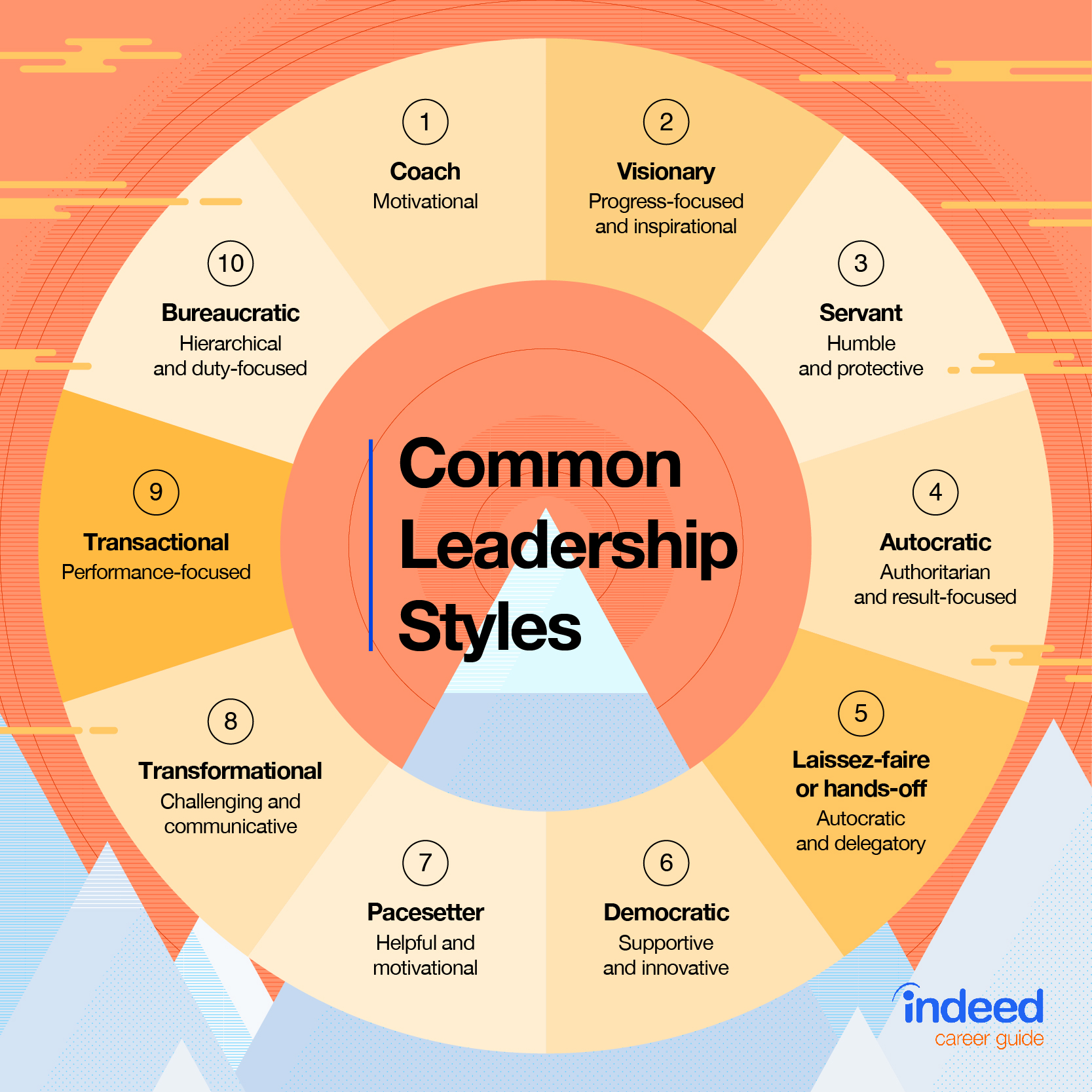
Inconsistency in leadership style erodes trust and confuses your personal brand. If you are a visionary one day and an autocratic commander the next without clear context, your team and stakeholders will struggle to understand and anticipate your behavior. A strong leadership brand is built on predictable reliability. When your actions consistently align with your espoused values and leadership philosophy, you build a powerful brand reputation for authenticity and dependability. This consistency is crucial for internal buy-in and external perception, as it forms the bedrock of your professional identity.
Differentiation Through Authenticity
In a crowded professional landscape, your unique leadership brand can be a significant differentiator. What makes your approach distinct? Is it your unparalleled ability to motivate diverse teams, your strategic foresight in complex markets, or your commitment to ethical leadership? These unique attributes, when consistently expressed through your leadership style, carve out a distinct niche for your personal brand. Authenticity means embracing your strengths and acknowledging your growth areas, rather than mimicking another leader. A genuinely authentic leader projects confidence, which in turn inspires loyalty and engagement.
Cultivating an Authentic Leadership Identity
Building a potent leadership brand is an ongoing process of self-reflection, strategic refinement, and intentional projection. It moves beyond identifying your existing style to actively shaping the leader you aspire to be.
Self-Reflection and Value Alignment
The journey begins inward. What are your core values? What principles guide your decisions? Are you driven by innovation, collaboration, integrity, or results? Your leadership brand must be deeply rooted in these fundamental values. Discrepancies between your stated values and your observable leadership behavior create a brand authenticity gap, leading to mistrust and disengagement. Conduct regular self-audits: how do your daily actions reflect your highest values? Solicit feedback from trusted mentors or peers to gain external perspectives on your leadership effectiveness and brand perception.
Strategic Skill Development
Once you’ve identified your desired leadership archetype and aligned it with your values, pinpoint the skills required to fully embody that brand. If you aspire to be an “Empowering Mentor,” investing in coaching skills, active listening, and conflict resolution becomes paramount. If your goal is to be a “Visionary Architect,” developing strategic thinking, persuasive communication, and change management capabilities will be crucial. This isn’t about faking it until you make it; it’s about deliberate development to strengthen the pillars of your chosen leadership brand. Enrolling in workshops, seeking mentorship, and taking on challenging assignments are all ways to build these competencies.
Crafting Your Leadership Narrative
Every strong brand has a compelling story. What is your leadership story? How did you arrive at your current leadership philosophy? What challenges have shaped you? Your leadership narrative is the arc that connects your experiences, values, and aspirations, providing context and depth to your brand. Share this story selectively and authentically – in team meetings, mentorship sessions, or public speaking engagements – to build deeper connections and reinforce your brand identity. For example, a leader who overcame significant career setbacks might weave a narrative of resilience and learning into their brand, inspiring others to persevere.
Projecting Your Brand: Communication and Presence
Once cultivated, your leadership brand must be effectively projected to your audience. This involves intentional communication and a consistent, impactful presence, both online and offline.
The Power of Consistent Communication
Your words are powerful brand tools. Whether it’s an internal memo, a public announcement, or a one-on-one conversation, ensure your communication style reflects your leadership brand. A decisive commander uses clear, concise language, while an empowering mentor might use more open-ended questions. Your brand is also conveyed through how you communicate – your tone, body language, and even your responsiveness. Digital presence is equally vital: your professional social media profiles (e.g., LinkedIn) should consistently showcase your leadership philosophy, achievements, and thought leadership that align with your brand. Regularly sharing articles, opinions, or insights pertinent to your leadership niche strengthens your online brand footprint.
Actions Speak Louder: Your Visible Presence
Beyond words, your actions and visible presence are the most potent projectors of your leadership brand. How do you handle conflict? How do you celebrate success? How do you support your team during challenging times? These visible behaviors constantly reinforce or detract from your leadership brand. Being present and engaged, actively listening, and making transparent decisions are all ways to demonstrate your brand values. For instance, a leader with a “Servant Leader” brand might regularly be seen engaging with frontline staff, demonstrating their commitment to understanding their team’s daily experiences. Your visible commitment to corporate social responsibility initiatives can also powerfully amplify a brand rooted in ethical and community-focused leadership.

The Impact of Leadership Brand on Organizational Culture
Your personal leadership brand extends far beyond your individual career trajectory; it significantly shapes the organizational culture and identity. A leader’s brand becomes a guiding light, influencing the values, behaviors, and overall ethos of the entire company.
When leaders embody a strong, positive, and consistent brand – whether it’s one of innovation, empathy, or resilience – it creates a ripple effect. This brand often becomes intertwined with the corporate identity itself. An organization led by a visionary leader tends to foster a culture of forward-thinking and adaptability. A company headed by an empowering mentor will likely develop a culture of growth, collaboration, and psychological safety. This alignment between personal leadership brand and corporate identity is crucial for attracting top talent, retaining employees, and building a reputable external image. Ultimately, understanding “what kind of leader am I” isn’t just about self-discovery; it’s about consciously building a legacy that impacts every facet of your professional world and beyond.
aViewFromTheCave is a participant in the Amazon Services LLC Associates Program, an affiliate advertising program designed to provide a means for sites to earn advertising fees by advertising and linking to Amazon.com. Amazon, the Amazon logo, AmazonSupply, and the AmazonSupply logo are trademarks of Amazon.com, Inc. or its affiliates. As an Amazon Associate we earn affiliate commissions from qualifying purchases.