
The question, “what kind of car did Jim Rockford drive,” transcends mere automotive trivia; it delves deep into the strategic crafting of a character’s brand identity, the visual marketing of a television series, and the enduring power of iconic props to shape public perception. Jim Rockford’s car was not merely a means of transportation; it was a carefully selected extension of his persona, a silent partner in his adventures, and a critical component in the lasting brand appeal of “The Rockford Files.”
The Unforgettable Wheels of a PI: Crafting a Character’s Brand Identity
In the realm of character development and storytelling, every detail contributes to the overall brand impression. For Jim Rockford, the unconventional private investigator, his car was an integral piece of his personal brand puzzle. Unlike the sleek, exotic vehicles often associated with other fictional detectives, Rockford’s choice of automobile subtly communicated his grounded, blue-collar ethos, his occasional weariness, and his pragmatic approach to life and work. This deliberate choice was a masterclass in non-verbal branding, speaking volumes about the character before he even uttered a word.
Beyond Transportation: The Car as an Extension of Persona
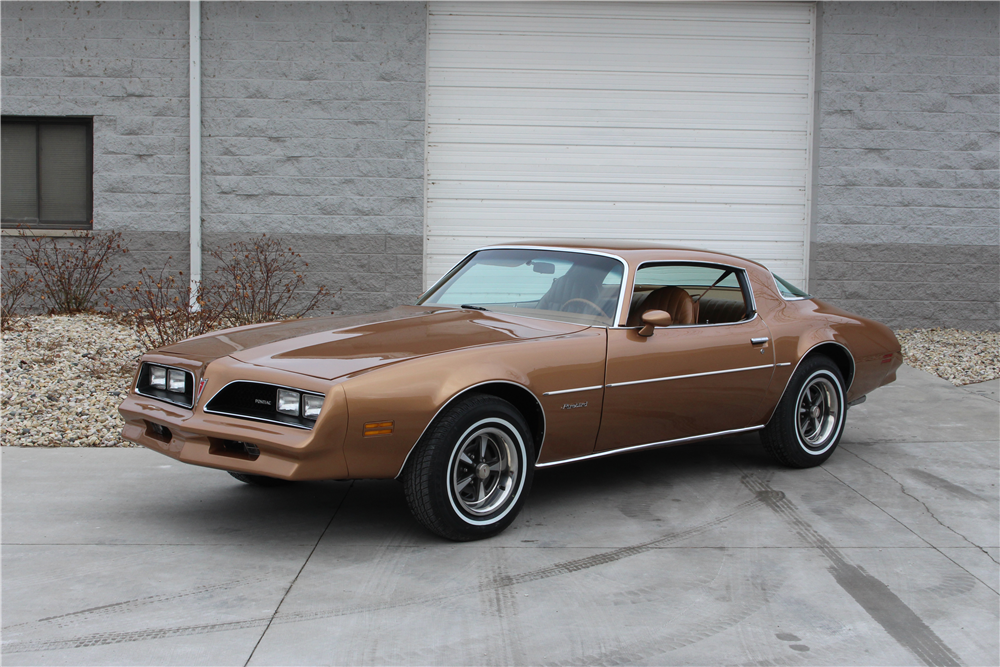
Jim Rockford’s vehicle was a 1974-1978 Pontiac Firebird Esprit, consistently depicted in a distinctive gold/bronze hue. This wasn’t a muscle car variant like the Trans Am, nor was it a luxury sedan. The Esprit was the more understated, refined version of the Firebird line, often chosen for its balance of sporty aesthetics and everyday practicality. This perfectly mirrored Rockford himself: a man with a past (ex-con, not quite fitting into society’s neat boxes), possessing a streetwise intelligence and a certain charm, but far from opulent or overtly flashy. His trailer home in Malibu and his often-questionable clientele further reinforced this image of an everyman operating on the fringes. The car, frequently appearing slightly dusty or bearing minor scrapes, aligned with his rough-and-tumble existence, suggesting a life of active pursuit rather than pristine display. It was an honest car for an honest, if sometimes morally ambiguous, man. This consistency between character traits and vehicle choice solidified Rockford’s brand as an accessible, relatable, yet undeniably capable detective.
Deliberate Choices: Why the Pontiac Firebird Esprit?
The selection of the Pontiac Firebird Esprit was a strategic branding decision, not an accidental one. Producer Stephen J. Cannell reportedly wanted a car that would reflect Rockford’s unpretentious nature but still possess enough visual dynamism for on-screen action sequences. The Esprit offered a sporty silhouette without the overt aggression of a Trans Am, which might have made Rockford seem too much like a conventional hero or a street racer. The specific color—referred to as “Copper Mist,” “Sierra Gold,” or “Light Gold” across different model years—was also crucial. It was unique enough to be instantly recognizable but not ostentatious. This nuanced choice avoided clichés, allowing the vehicle to contribute to Rockford’s brand as an individualist who carved his own path, rather than conforming to typical hero archetypes. The Firebird’s ability to perform impressive J-turns and other stunts, often executed by James Garner himself, further cemented its active role in the show’s narrative and, by extension, in the character’s functional brand identity as resourceful and capable under pressure.
The Esprit’s Role in “The Rockford Files” Brand Strategy
Beyond character branding, Jim Rockford’s Firebird Esprit played a significant role in the overall brand strategy of “The Rockford Files” as a television series. A show’s brand encompasses its visual identity, its narrative tone, and its ability to create a lasting connection with its audience. The consistent presence and distinct characteristics of the Esprit became a powerful, non-verbal marketing tool, contributing significantly to the series’ memorability and its ability to stand out in a competitive television landscape.
Visual Branding and Instant Recognition
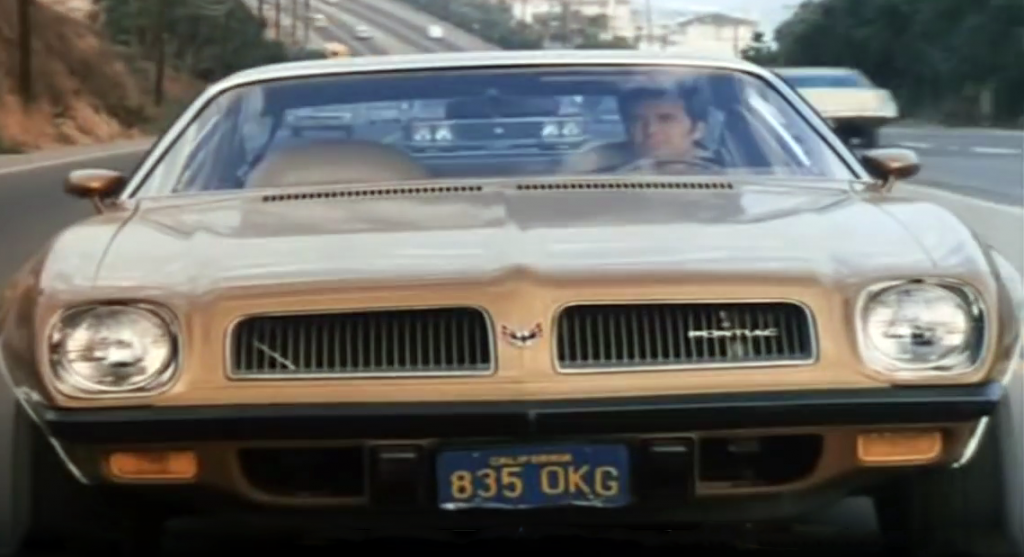
For any brand, visual elements are paramount for immediate recognition and recall. Think of the golden arches or a specific corporate logo. The gold Pontiac Firebird Esprit served as one of the most potent visual identifiers for “The Rockford Files.” Even without seeing Jim Rockford, a glimpse of that particular car, especially in a familiar J-turn maneuver, would instantly trigger recognition of the show for millions of viewers. This consistent visual cue reinforced the series’ brand identity week after week. It communicated the show’s genre (action-drama with a touch of wit), its aesthetic (gritty yet stylish 1970s Southern California), and its protagonist’s personality. This visual shorthand was invaluable in an era before digital streaming and on-demand content, helping the show carve out a unique space in the collective consciousness of television viewers. The car wasn’t just a prop; it was a logo in motion, a mobile emblem of “The Rockford Files” brand.
Marketing Merchandise and Fan Engagement
The strong brand identity forged by elements like Rockford’s car extended naturally into marketing and fan engagement. Iconic items from popular culture frequently translate into merchandise, fostering deeper connections with the audience and extending the brand’s reach beyond the screen. While “The Rockford Files” might not have spawned as vast a merchandise empire as some contemporary franchises, the car’s prominence undoubtedly contributed to its collectability and appeal. Model cars of the Firebird Esprit, especially in the distinctive gold color, became sought-after items for fans. The car’s role in the show’s marketing extended to promotional materials, behind-the-scenes features, and general pop culture discussions. It became a talking point, a fan favorite, and an indelible part of the show’s legacy, demonstrating how a well-chosen prop can transcend its functional role to become a cultural touchstone that drives fan loyalty and reinforces the brand’s lasting impact. This engagement solidified the show’s position not just as a weekly viewing habit, but as a beloved cultural artifact.
Legacy and Enduring Brand Recall: The Rockford Esprit’s Cultural Impact
Decades after “The Rockford Files” first aired, the gold Pontiac Firebird Esprit remains an iconic symbol of 1970s television and a testament to the power of strategic brand building through visual storytelling. Its enduring legacy underscores how specific, well-executed branding elements can maintain relevance and foster recall across generations, long after a product or series has concluded its initial run.
The Power of Consistency in Visual Storytelling
One of the fundamental principles of strong brand identity is consistency. For “The Rockford Files,” the consistent portrayal of Jim Rockford, his trailer, his fishing pole, his answering machine, and especially his gold Firebird Esprit, built an incredibly robust and cohesive brand narrative. Every element reinforced the others, creating a complete picture of the character and the world he inhabited. The car’s consistent appearance and its characteristic involvement in chases, dramatic stops, and everyday scenes cemented its place in the show’s visual language. This unwavering consistency ensured that the brand cues were deeply embedded in the audience’s memory, making the car an almost instant trigger for the entire “Rockford Files” experience. This long-term consistency is what transforms a simple prop into an iconic brand element, ensuring its recognition and appreciation even by those who may never have seen an original episode but understand its cultural significance through osmosis.

From Prop to Icon: A Case Study in Brand Building
The journey of Jim Rockford’s Firebird Esprit from a mere set prop to a cultural icon serves as an compelling case study in effective brand building. It illustrates that a brand is not solely defined by its logo or slogan, but by the sum of its parts, particularly how those parts contribute to an overarching narrative and emotional connection. The car embodied Rockford’s everyman appeal, his resourcefulness, and the show’s blend of action and charm. It wasn’t just a car; it was Rockford’s car, imbued with the personality and adventures of its fictional owner. This symbiotic relationship between character and object elevated the Esprit to a status far beyond its automotive specifications. It became a symbol of a particular era, a specific kind of hero, and a beloved piece of television history. For brand strategists, the enduring recognition of the Rockford Esprit highlights the profound impact that carefully curated visual assets can have in creating lasting brand equity and fostering an emotional resonance that transcends time, turning a simple vehicle into an indelible part of our cultural lexicon.
aViewFromTheCave is a participant in the Amazon Services LLC Associates Program, an affiliate advertising program designed to provide a means for sites to earn advertising fees by advertising and linking to Amazon.com. Amazon, the Amazon logo, AmazonSupply, and the AmazonSupply logo are trademarks of Amazon.com, Inc. or its affiliates. As an Amazon Associate we earn affiliate commissions from qualifying purchases.