
In the burgeoning world of smart gardening, plant care applications promised to revolutionize how enthusiasts tend to their flora, offering everything from identification to watering reminders and disease diagnostics. Yet, for many users, the experience often falls short of the utopian vision advertised. The frustration expressed as “what is wrong with my plant app?” stems from a complex interplay of technical limitations, design choices, and the inherent challenges of translating biological complexity into digital actionable insights. Understanding these underlying issues is crucial for both users seeking better solutions and developers aiming to refine their offerings.
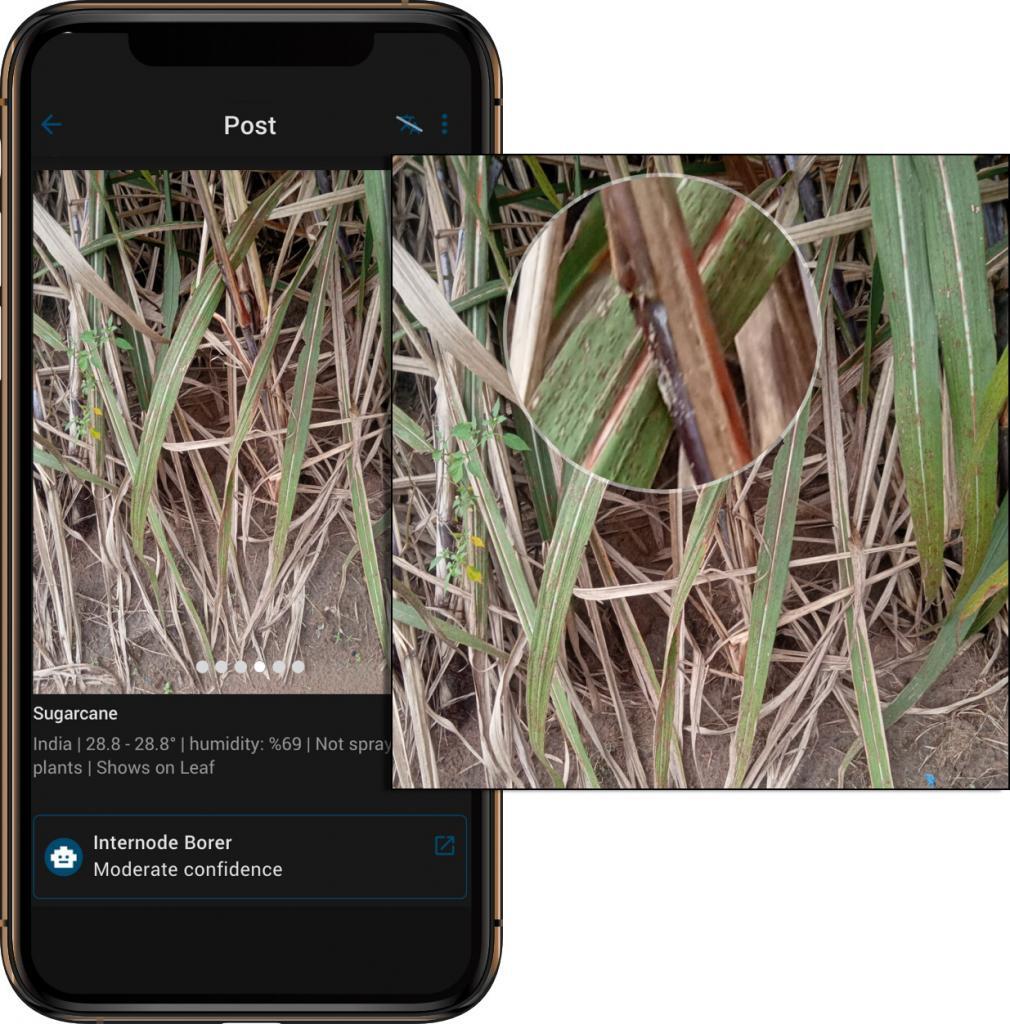
The Promise Versus the Performance: Understanding User Frustration
The core of user dissatisfaction often lies in a significant gap between the app’s advertised capabilities and its actual performance. Many plant apps present themselves as indispensable digital horticulturists, capable of precise diagnostics and tailored care. However, the technological reality of delivering such services is far more intricate than marketing campaigns suggest, leading to disillusionment.
Unrealistic Expectations vs. Technical Limitations
Consumers often approach plant apps with the expectation of infallible accuracy and comprehensive knowledge, akin to having an expert botanist in their pocket. While advanced machine learning models and extensive databases are indeed employed, these technologies operate within certain boundaries. Plant identification, for instance, relies on image recognition algorithms trained on vast datasets. The accuracy of these algorithms can be significantly impacted by image quality, lighting conditions, background clutter, and the sheer variety of plant species and their different growth stages or states (e.g., healthy vs. diseased leaves of the same plant). Similarly, environmental data logging, while seemingly straightforward, depends on the reliability of device sensors (or external IoT sensors) and the models used to interpret this data in relation to specific plant needs. The technical overhead of processing and delivering real-time, highly personalized recommendations for hundreds or thousands of unique plant species is immense, and often underestimated by both users and, sometimes, even the developers in their initial design phases.
Data Accuracy and Reliability: A Core Challenge
A critical flaw in many plant apps is the inconsistent or outright inaccurate data they provide. This isn’t just about misidentifying a plant; it extends to incorrect watering schedules, inappropriate light recommendations, or flawed pest and disease diagnoses. The reliability of an app’s advice hinges on several factors: the quality and breadth of its underlying botanical database, the sophistication of its environmental monitoring integrations (if any), and the algorithms that interpret user input (like photos) against this data. Many apps suffer from incomplete databases, leading to generic advice or, worse, incorrect suggestions for less common species. Furthermore, without robust feedback mechanisms or continuous expert review, errors in the database can persist, propagating misinformation to a wide user base. This unreliability erodes user trust, turning a promised aid into a potential detriment to plant health.
Common Technical Glitches and Usability Hurdles
Beyond the fundamental accuracy issues, many plant apps are plagued by technical glitches and design flaws that hinder their usability and overall effectiveness. These problems range from frustrating interface design to performance issues that drain device resources.
Flawed Identification Algorithms
The cornerstone of many plant apps is their ability to identify plants from photos. When this feature fails, the entire utility of the app is compromised. Common issues include:
- Misidentification: The app frequently suggests the wrong species, particularly for visually similar plants, hybrids, or plants lacking unique distinguishing features in the submitted photo. This often points to insufficient diversity in the training data for the machine learning model or a lack of robustness in its feature extraction capabilities.
- Inability to Identify: The app might simply fail to recognize a plant, even common ones, returning a “no match found” error. This can be due to poor image quality, unusual angles, or the plant not being present in the app’s reference database.
- Lack of Contextual Understanding: Advanced identification should ideally consider the geographic location, growth habit, and surrounding environment, which many basic algorithms overlook, leading to less precise results.
Inconsistent Environmental Data Logging
For apps that offer care reminders based on environmental conditions, the data logging mechanisms are crucial. Problems here include:
- Sensor Integration Issues: If the app integrates with external soil moisture sensors, light meters, or weather stations, communication glitches, calibration errors, or battery issues in these devices can lead to erroneous readings.
- Poor Predictive Models: Even without direct sensor integration, some apps attempt to predict watering needs based on plant type, pot size, and local weather data. These models can be overly simplistic, failing to account for microclimates, indoor conditions, or specific potting mixes, resulting in over or under-watering recommendations.
- Lack of Historical Data Analysis: Many apps provide real-time snapshots but fail to offer robust historical data visualization or trends, making it difficult for users to understand long-term patterns or the impact of their care routines.
User Interface Clutter and Poor Navigation
A technically sound app can still falter due to a poorly designed user interface (UI) or confusing user experience (UX).
- Overwhelming Features: Some apps attempt to be all things to all plant owners, cramming too many features onto one screen, leading to a cluttered and overwhelming experience. Users struggle to find the specific tools they need.
- Non-Intuitive Navigation: Complex menu structures, inconsistent iconography, or a lack of clear pathways through the app can make basic tasks, like setting a new reminder or identifying a plant, frustratingly difficult.
- Lack of Customization: A “one-size-fits-all” interface rarely satisfies diverse user needs. The inability to customize dashboards, notification types, or even display preferences can detract significantly from the user experience.
Battery Drain and Performance Issues
Resource consumption is a common complaint with many mobile applications, and plant apps are no exception.
- Excessive Background Processes: Features like continuous environmental monitoring, location services, or frequent data syncing, if not optimized, can consume significant battery life even when the app isn’t actively in use.
- Memory Leaks and Crashes: Poorly coded applications can suffer from memory leaks, leading to the app consuming more RAM over time, slowing down the device, and eventually crashing.
- Slow Loading Times: Large databases, unoptimized image assets, or inefficient data retrieval methods can result in slow loading screens and sluggish performance, frustrating users who expect instant access to information.
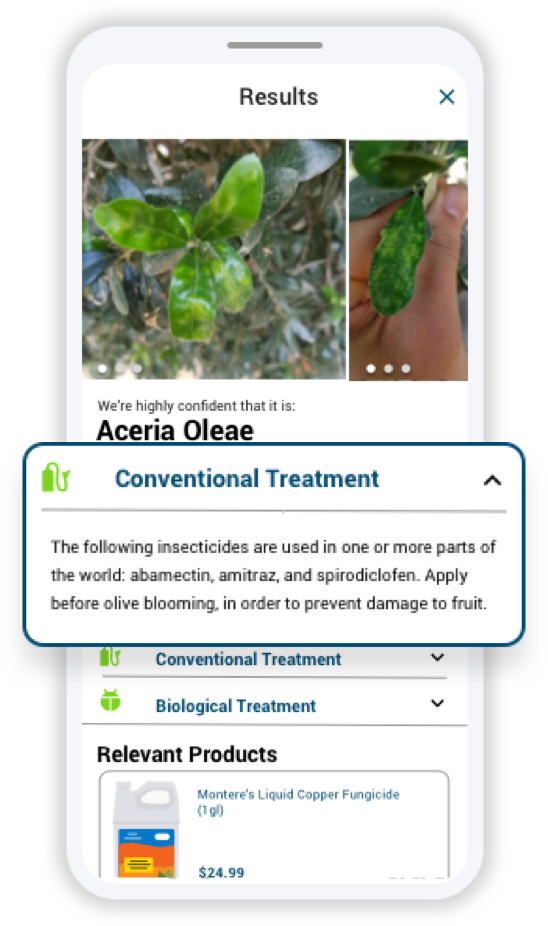
Beyond the Bugs: Deeper Design and Data Privacy Concerns
While technical glitches are readily apparent, some issues with plant apps stem from deeper design philosophies and business models that impact user trust and utility.
The Monetization Paradox: Ads and Paywalls
Many “free” plant apps employ aggressive monetization strategies that undermine their utility.
- Intrusive Advertisements: Frequent pop-up ads, banner ads, or video ads can severely disrupt the user flow and detract from the core purpose of the app. Users might abandon an app if the ads are too disruptive.
- Overzealous Paywalls: Critical features, such as advanced identification, pest diagnosis, or unlimited plant logging, are often locked behind a subscription or one-time purchase. While developers need to be compensated, locking essential features behind a paywall can make the free version largely useless and alienate potential long-term users. The balance between free utility and premium features is often poorly struck.
Data Privacy and Security Vulnerabilities
In an age where data privacy is paramount, plant apps can pose subtle but significant risks.
- Excessive Permissions: Many apps request broad permissions (e.g., access to location, contacts, microphone, full photo gallery) that may not be strictly necessary for their stated functionality. Users become wary of apps that seem to overreach.
- Data Collection and Usage: The collection of user photos (for identification), location data, and even care routines can be aggregated and potentially shared with third parties for advertising or data analysis purposes, often without clear and transparent disclosure.
- Security Risks: Like any other application, plant apps can be vulnerable to data breaches if proper security measures are not implemented, potentially exposing user data. A lack of transparent privacy policies or a history of data incidents can severely damage a developer’s reputation.
Lack of Interoperability and Ecosystem Integration
The smart home and IoT ecosystem thrive on connectivity, yet many plant apps remain isolated.
- Limited IoT Device Support: While some premium apps integrate with specific smart sensors, many lack broad support for common IoT devices or open standards, forcing users into proprietary ecosystems.
- No API Access: The absence of open APIs prevents users from integrating their plant data with other smart home platforms, custom dashboards, or personal data analytics tools, limiting the broader utility of the information gathered.
- Siloed Information: Data about plant care, growth, and environmental conditions remains locked within the app, preventing a holistic view of a user’s smart home environment or wider gardening efforts.
Towards a Smarter Garden: What to Look for in a Better Plant App
Identifying the flaws is the first step; the next is understanding what constitutes a truly effective and reliable plant app from a technological perspective. Future iterations and discerning users should prioritize several key aspects.
AI-Powered Precision
The next generation of plant apps must leverage more advanced and robust AI models. This means:
- Deep Learning for Enhanced Identification: Utilizing convolutional neural networks (CNNs) trained on even larger, more diverse, and expertly curated datasets to improve identification accuracy across varying conditions and plant life cycles.
- Contextual AI: Incorporating AI that can factor in location data, local climate patterns, and even user-provided context (e.g., “plant showing yellow leaves”) to refine identification and diagnostic suggestions.
- Predictive Analytics: Moving beyond simple reminders to predictive models that can anticipate potential issues (e.g., “risk of fungal infection in humid conditions next week”) and suggest preventative measures.
Robust Data Management and Insights
A superior app should offer more than just raw data; it should provide actionable insights.
- Comprehensive Data Logging: Meticulous tracking of watering, light exposure, fertilization, and growth, ideally with integration into user-friendly charts and graphs for trend analysis.
- Personalized Care Plans: Algorithms that adapt care recommendations based on the specific plant, its current health status, environmental conditions, and the user’s past actions, rather than generic advice.
- Cloud Synchronization and Backup: Ensuring plant data is securely stored and accessible across multiple devices, preventing data loss and facilitating a seamless user experience.
Seamless User Experience and Community Features
An excellent app combines powerful technology with an intuitive and engaging interface.
- Intuitive UI/UX Design: A clean, uncluttered interface that prioritizes ease of navigation, with clear visual cues and customizable dashboards.
- Performance Optimization: Efficient coding to minimize battery drain, ensure quick loading times, and provide a fluid user experience without crashes or lags.
- Community Integration (Optional but Valuable): Features that allow users to share experiences, seek advice from a community of fellow plant enthusiasts, and contribute to a collective knowledge base, potentially moderated by experts to ensure accuracy.
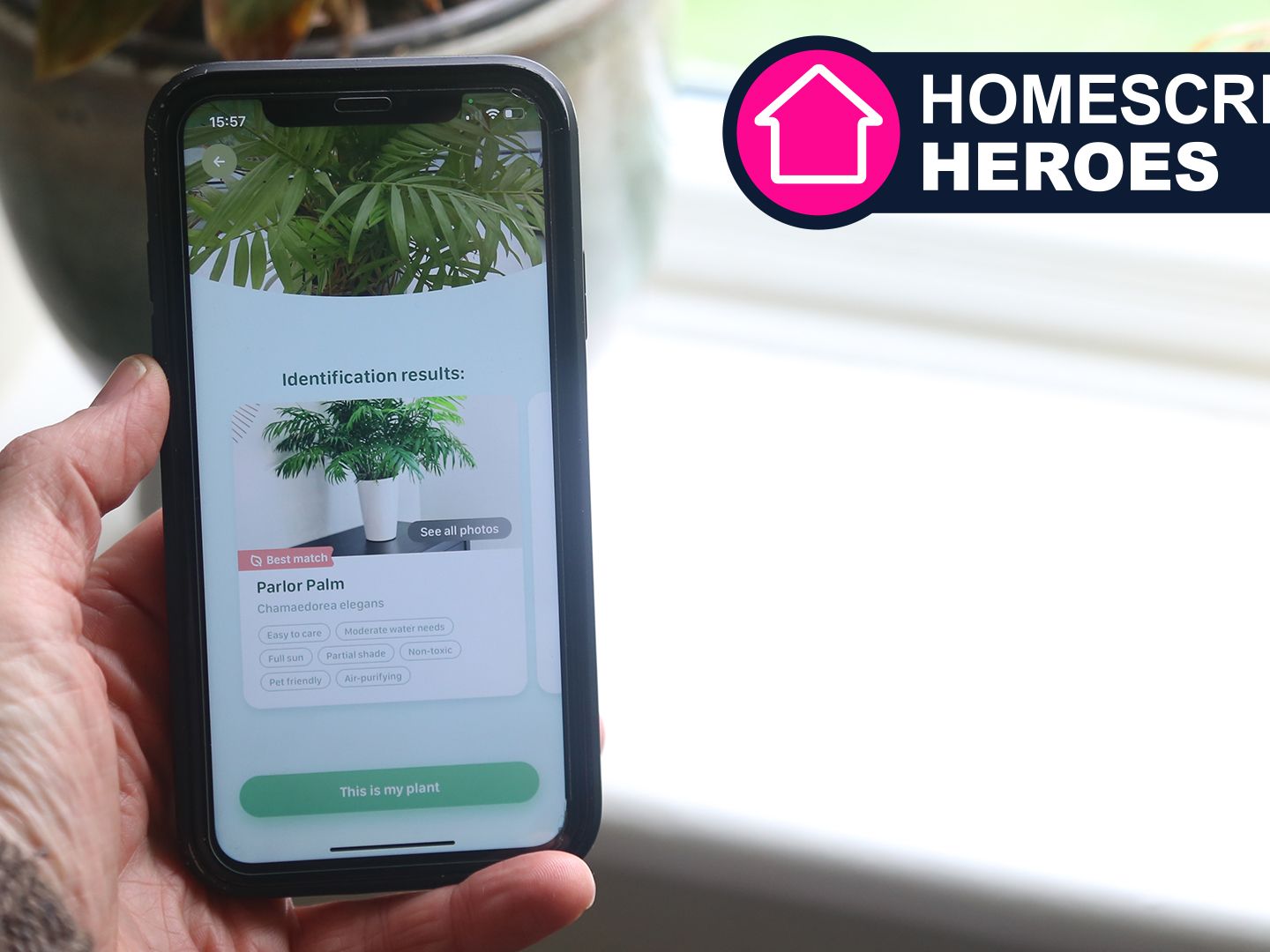
Commitment to Privacy and Transparency
Trust is paramount. A reputable plant app will prioritize user data protection.
- Clear Privacy Policies: Explicitly outlining what data is collected, why it’s collected, how it’s used, and whether it’s shared with third parties, in easily understandable language.
- Minimal Permissions: Requesting only the necessary permissions required for core app functionality, with clear explanations for each.
- Secure Data Handling: Implementing robust security protocols to protect user data from unauthorized access or breaches.
Ultimately, the frustration with many plant apps highlights the challenges of integrating complex biological systems with evolving digital technologies. As AI and sensor technologies continue to advance, the potential for truly intelligent and helpful plant care applications remains immense. For now, users must navigate the current landscape with a critical eye, prioritizing apps that demonstrate not just impressive features, but also a commitment to accuracy, usability, and data integrity.
aViewFromTheCave is a participant in the Amazon Services LLC Associates Program, an affiliate advertising program designed to provide a means for sites to earn advertising fees by advertising and linking to Amazon.com. Amazon, the Amazon logo, AmazonSupply, and the AmazonSupply logo are trademarks of Amazon.com, Inc. or its affiliates. As an Amazon Associate we earn affiliate commissions from qualifying purchases.