
In the interconnected world of global commerce, even the simplest product terms can carry significant weight and cultural implications. For brands looking to penetrate or expand within Spanish-speaking markets, understanding the precise terminology for everyday items like underwear is far more than a mere translation exercise—it’s a critical component of brand strategy, market positioning, and consumer connection. The Spanish language, spoken by over 500 million people across dozens of countries, is rich with regional variations, each potentially impacting how a brand is perceived, received, and ultimately, desired. For intimate apparel brands, this linguistic landscape offers both challenges and profound opportunities to forge authentic relationships with diverse audiences.
Beyond Translation: The Core Spanish Terms for Underwear
At its most fundamental, the direct translation for “underwear” in Spanish is often sought as a singular, definitive term. However, the reality is a spectrum of words, each carrying its own connotations and regional prevalence. Grasping these nuances is the first step in crafting an effective branding and marketing strategy.
Ropa Interior: The Universal Term
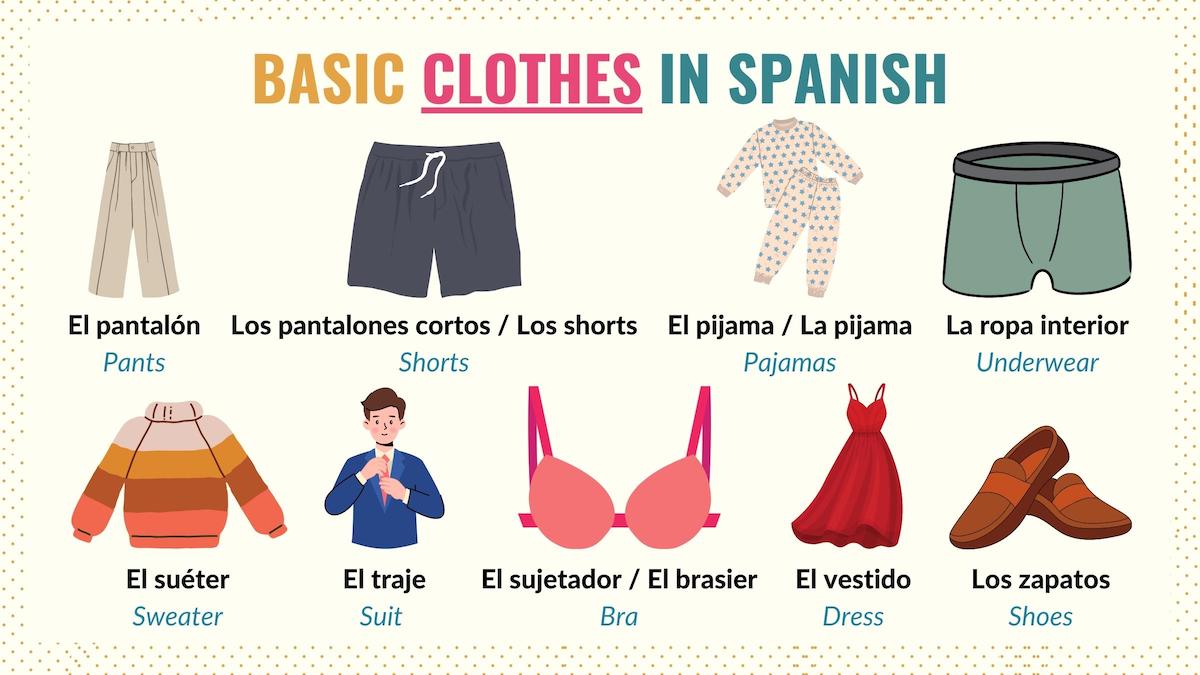
The most widely understood and universally accepted term for “underwear” across the vast majority of Spanish-speaking countries is “ropa interior.” This literally translates to “interior clothing” or “innerwear,” and it functions as a broad, umbrella term encompassing all types of undergarments for both men and women. It is a safe, professional, and neutral choice for general brand communication, corporate identity statements, or pan-regional marketing efforts where specific styles are not being highlighted. Brands leveraging “ropa interior” position themselves with a broad, inclusive appeal, avoiding potential misinterpretations that more specific terms might incur. Its professionalism makes it ideal for corporate branding, ensuring clarity and broad acceptance from Mexico to Argentina, and across Spain.
Other Common Regionalisms and Specifics
While “ropa interior” offers broad applicability, precision in branding often requires a deeper dive into more specific and regionally preferred terms. The choice of word can subtly shift brand perception, targeting specific demographics or cultural sensibilities.
For women’s underwear, specifically panties or briefs:
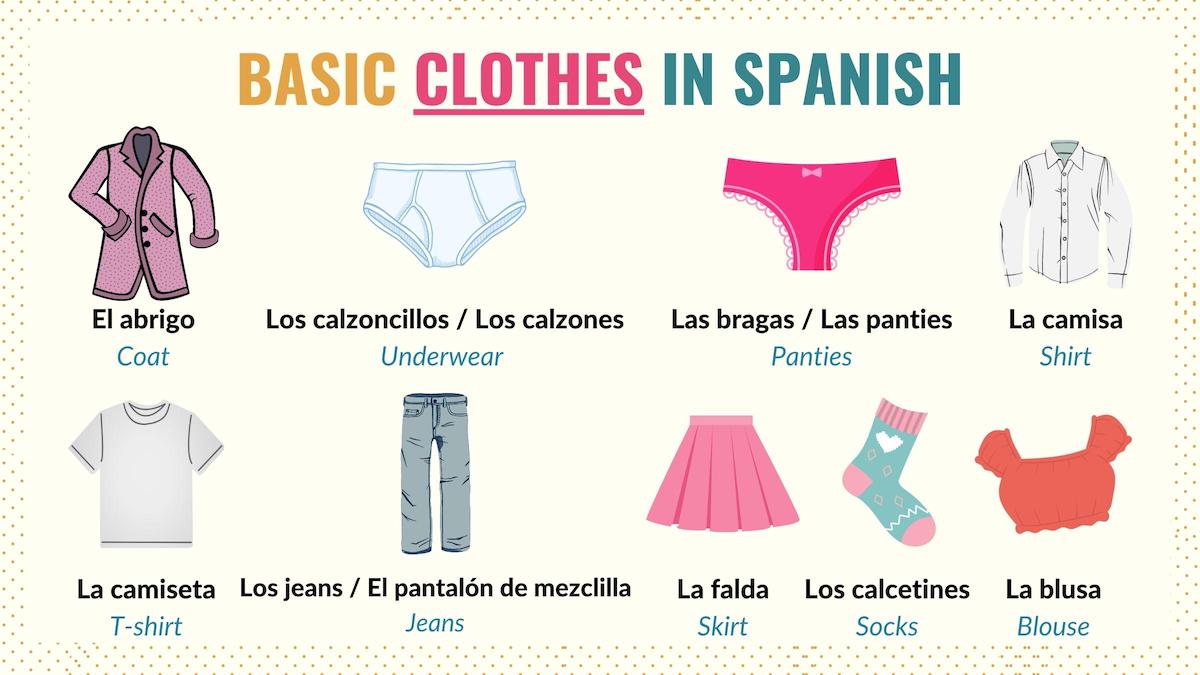
- Bragas: Predominantly used in Spain, this term refers to women’s panties. A brand targeting the Spanish market would find “bragas” to be natural and commonplace, resonating directly with local consumers. Using “bragas” in Spain instantly localizes the brand, suggesting an understanding of local customs and language.
- Bombachas: Widely used in Argentina, Uruguay, and parts of other South American countries, “bombachas” refers to women’s panties. A brand entering the Argentine market, for instance, would significantly enhance its appeal by employing this term in its marketing copy and product descriptions, indicating cultural fluency.
- Calzones: This term is somewhat versatile. In countries like Mexico and Central America, “calzones” often refers to women’s underwear (panties). However, it can also refer to men’s briefs in other regions, or even historically, to breeches. Its ambiguity necessitates careful consideration of the target market to avoid unintended connotations.
- Pantaletas: Common in countries like Venezuela, Cuba, and Colombia, “pantaletas” is another term for women’s panties, often implying a slightly more formal or modest style.
- Panties: Interestingly, the English word “panties” has been widely adopted and Hispanized (often pronounced “PAN-tees”) in many Latin American countries, particularly in youth-oriented or more modern fashion contexts. For a brand aiming for a trendy, international, or youthful vibe, “panties” could be a deliberate and effective choice, signaling a modern brand identity.
For men’s underwear, specifically briefs or boxer briefs:
- Calzoncillos: This is the most common and widely understood term for men’s briefs or underwear in general across most Spanish-speaking regions. It’s the male equivalent of “bragas” or “bombachas” in its directness and common usage. For brands targeting male consumers, “calzoncillos” is an essential term for product naming and marketing.
- Bóxers: The English term “boxers” (for boxer shorts) is also commonly adopted and used directly in Spanish, often with a slight phonetic adaptation, similar to “panties.” Brands offering boxer shorts will find “bóxers” to be universally recognized and often preferred.
The choice among these terms is not arbitrary. It’s a strategic decision that reflects a brand’s understanding of its target demographic, its commitment to cultural relevance, and its desired brand personality.
The Cultural Compass: Why Specificity Matters for Brand Identity
In branding, language is not just a tool for communication; it is a conduit for culture, values, and emotional connection. For intimate apparel, a product inherently personal, the linguistic precision used in branding can significantly impact consumer trust and brand loyalty.
Respecting Regional Differences and Dialects
Ignoring regional linguistic preferences can lead to miscommunications, or worse, make a brand appear tone-deaf or culturally insensitive. A brand that uses “bragas” in Mexico, where “calzones” or “panties” are more common, might find its messaging falling flat, or even elicit amusement. Conversely, a brand that meticulously adapts its terminology to each specific market signals respect and a deep understanding of its consumers. This approach goes beyond mere translation; it’s transcreation, where the message is adapted to resonate culturally and emotionally. For a global intimate apparel brand, developing a comprehensive lexicon tailored to each major Spanish-speaking market is an investment in authenticity. This demonstrates a commitment to truly connect with diverse consumers, rather than just selling to them.
Evoking Trust and Authenticity Through Language
Authenticity is a cornerstone of strong brand identity. When consumers encounter a brand that “speaks their language”—not just literally, but culturally—a deeper level of trust is established. For intimate apparel, where comfort, fit, and personal style are paramount, this trust is invaluable. Using the correct regional term for underwear can subtly communicate that the brand understands the consumer’s needs, preferences, and cultural context. It transforms a generic product into a culturally relevant offering, fostering a sense of belonging and loyalty. This attention to linguistic detail can elevate a brand from a mere vendor to a trusted confidant in personal style.
Branding Intimate Apparel: Crafting Messaging for Spanish-Speaking Markets
The strategic deployment of Spanish terminology extends beyond product names into every facet of a brand’s presence, from its core identity to its advertising campaigns.
Brand Naming and Slogans: More Than Just Words
A brand’s name and slogan are its verbal handshake with the world. For intimate apparel, these elements need to be evocative, memorable, and culturally appropriate. While a brand might choose a universal, non-Spanish name for global recognition, its tagline and product line names must resonate locally. For example, a brand might use “Ropa Interior Sofisticada” for a high-end collection, or “Comodidad en Tus Calzones” for a more casual, everyday line in a specific region. The emotional weight of words in slogans—be it “sensualidad,” “confort,” or “confianza”—must be carefully vetted for their impact across diverse Spanish-speaking cultures. A slogan that works beautifully in Spain might not translate well to a Venezuelan context, requiring careful transcreation to maintain its intended power and appeal.
Marketing Campaigns: Tone, Imagery, and Linguistic Precision
Marketing campaigns for intimate apparel thrive on aspiration, comfort, and self-expression. The language used in these campaigns must align perfectly with the chosen imagery and target demographic. If a campaign aims for a youthful, edgy vibe in Mexico, using “panties” might be more effective than “calzones,” paired with dynamic visuals. Conversely, a campaign for a luxury segment in Spain might opt for elegant descriptions using “lencería” (lingerie) and “bragas” to convey sophistication. The tone of voice, whether playful, empowering, or elegant, must be meticulously crafted in Spanish, considering idiomatic expressions and cultural nuances that English direct translations often miss. This also includes the careful selection of models, settings, and scenarios that are culturally resonant and aspirational for the specific target market.
Design and Consumer Perception: Visuals, Packaging, and Word Choice
The brand experience extends to physical touchpoints, where linguistic and design choices merge to shape consumer perception.
Packaging That Speaks to the Audience
The packaging of intimate apparel is often the first physical interaction a consumer has with the product. Labels, descriptions, and sizing information on packaging must be impeccably translated and localized. Beyond mere accuracy, the choice of descriptive words can influence desirability. “Seda pura” (pure silk) versus “tacto de seda” (silk feel) are distinct linguistic choices that communicate different material qualities and price points. A brand should consider incorporating regional terms on packaging where appropriate, allowing consumers to quickly identify and relate to the product. A box of “bombachas” in Buenos Aires reinforces local relevance, while a generic “ropa interior” box might feel less tailored. The visual design, typography, and color palette of the packaging should also harmonize with the linguistic message, creating a cohesive and appealing brand presentation.
The Subtle Art of Product Descriptions
Online product descriptions and in-store signage are crucial for informing consumers and driving purchase decisions. Here, brands have the opportunity to highlight features, benefits, and the emotional value of their underwear through carefully chosen Spanish words. Describing the fabric as “suave al tacto” (soft to the touch) or the fit as “perfecta adaptación” (perfect adaptation) adds perceived value. For specific styles, using precise terms like “tanga” (thong), “bikini,” “cachetero” (cheeky shorts), or “hilo dental” (dental floss, referring to thongs, but can be colloquial) ensures clarity. Each word contributes to the mental image a consumer forms, influencing their desire and perceived value of the item. This level of detail in product narratives differentiates a thoughtful brand from one that simply lists features.

Global Reach, Local Touch: Building a Brand Identity That Resonates
Ultimately, understanding “what is underwear in Spanish” is a microcosm of a larger branding imperative: to achieve global reach through a deeply local touch. For intimate apparel brands, this means recognizing the diversity within the Spanish-speaking world and strategically adapting language to forge genuine connections. It’s about respecting cultural identity, demonstrating linguistic fluency, and leveraging specific terms to enhance brand authenticity, trust, and appeal. By moving beyond a one-size-fits-all approach to translation and embracing the rich tapestry of Spanish terminology, brands can not only articulate what underwear is but also embed themselves more deeply into the hearts and minds of consumers across this vibrant and expansive market. This thoughtful approach to language is an investment in enduring brand equity and meaningful engagement.
aViewFromTheCave is a participant in the Amazon Services LLC Associates Program, an affiliate advertising program designed to provide a means for sites to earn advertising fees by advertising and linking to Amazon.com. Amazon, the Amazon logo, AmazonSupply, and the AmazonSupply logo are trademarks of Amazon.com, Inc. or its affiliates. As an Amazon Associate we earn affiliate commissions from qualifying purchases.