
Understanding the fundamental metrics of social media platforms is paramount for any brand, individual, or business aiming to establish a robust digital presence. Among these, the Twitter impression stands out as a core indicator of content visibility, offering crucial insights into how widely your message is being disseminated across the platform. Far from being a mere vanity metric, an impression represents a foundational touchpoint in the broader tapestry of brand engagement and recognition.
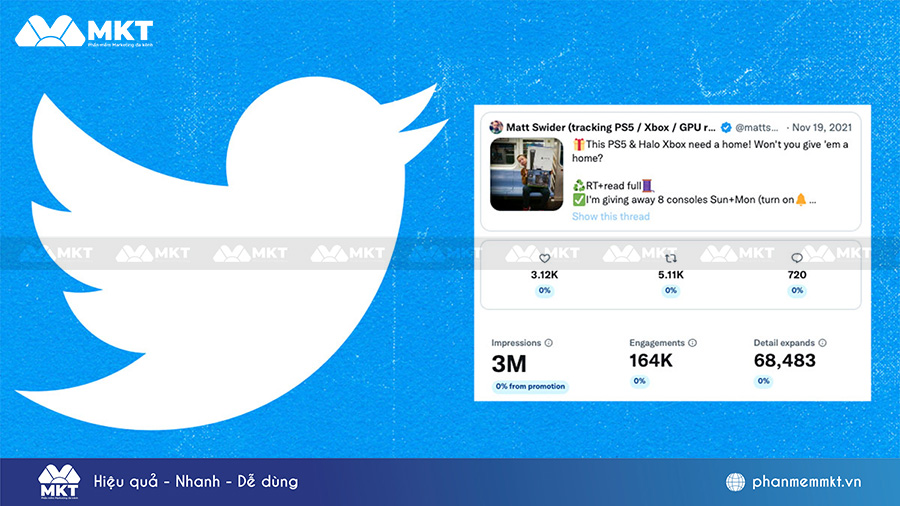
At its simplest, a Twitter impression refers to the number of times a tweet has been seen by users. It counts every instance a tweet is displayed on a user’s timeline, in search results, or on a tweet’s specific page. This metric quantifies exposure, acting as the initial gateway through which your content potentially reaches its target audience. For brands, grasping the nuances of impressions is not just about counting views, but about evaluating the potential reach and initial impact of their communication strategies on one of the world’s most dynamic real-time information networks.
The Core Metric of Visibility for Brands
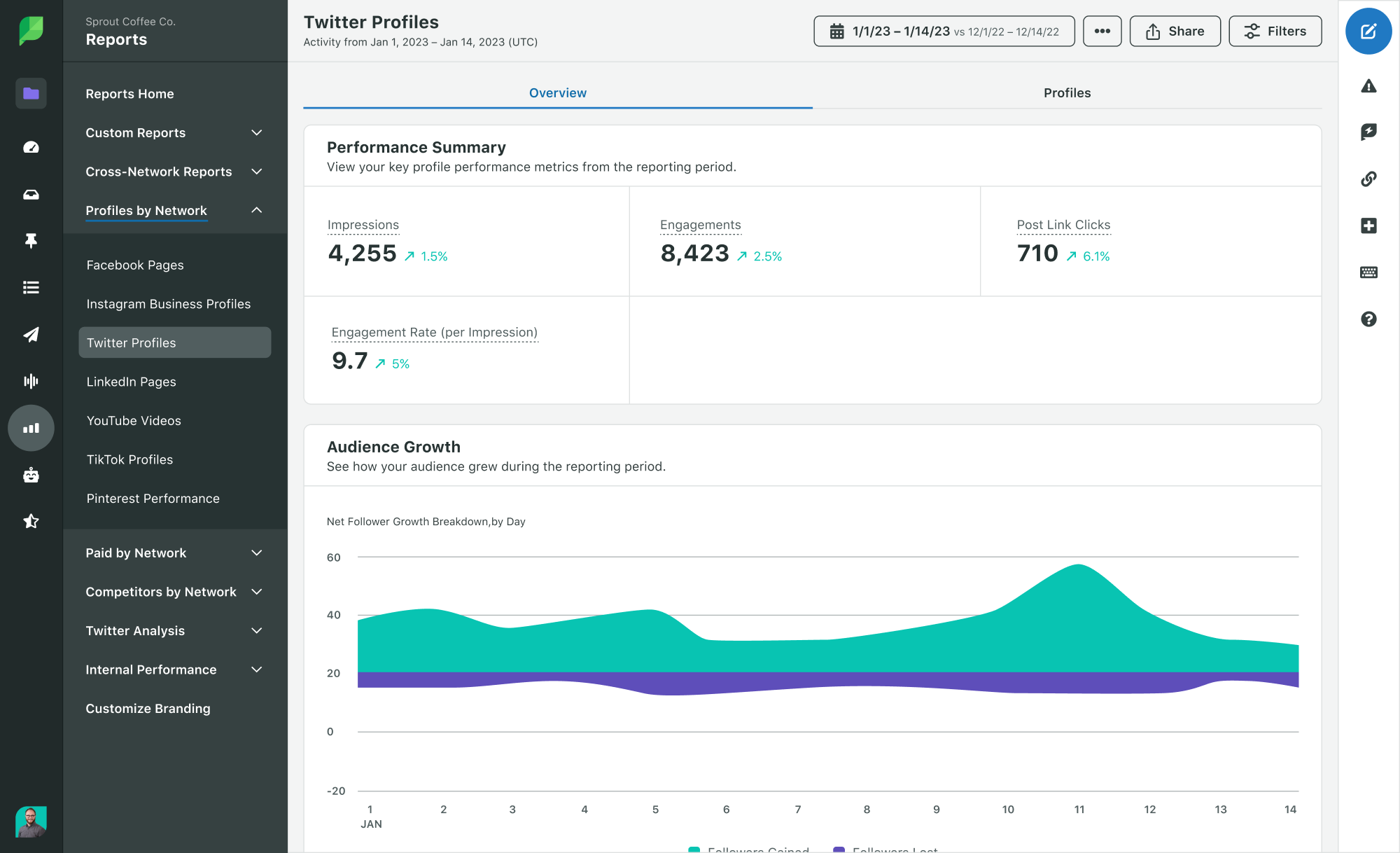
Twitter impressions serve as the initial quantitative measure of your content’s reach, informing how many potential eyeballs your brand’s message has captured. It’s the first step in the consumer journey, even before engagement, clicks, or conversions. Without impressions, there’s no opportunity for users to interact with your content, diminishing any chance of brand building or marketing success.
Impressions vs. Reach: A Key Distinction for Marketers
While often used interchangeably by beginners, “impressions” and “reach” are distinct metrics with different implications for brand strategy.
- Impressions: This metric counts every time your tweet is displayed. If a user sees your tweet twice (e.g., once in their timeline and again when they visit your profile), that counts as two impressions. Impressions can, and often do, exceed your follower count because a single user might see the same tweet multiple times, or your tweet might be retweeted, exposing it to new timelines.
- Reach: This metric counts the total number of unique users who saw your tweet. If the same user sees your tweet multiple times, it still counts as one unit of reach.
For brand strategy, both are vital. Impressions tell you the total exposure your content received, indicating its potential for widespread visibility. Reach tells you how many distinct individuals encountered your brand, which is critical for understanding the breadth of your audience penetration. A high number of impressions coupled with a relatively lower reach might suggest that your existing audience is seeing your content repeatedly, while a high reach with fewer impressions per user could indicate successful expansion to a broader, but less frequently engaged, audience. Marketers need to analyze both to paint a complete picture of content performance and audience interaction.
Understanding Your Audience’s Exposure
Analyzing impression data allows brands to infer how broadly their message is resonating or, conversely, where it might be falling short. High impressions suggest that your content is being picked up by the algorithm and shown to many users, potentially through retweets, replies, or algorithmically favored content. Low impressions, however, indicate that your content isn’t gaining traction, signaling a need to reassess content strategy, posting times, or engagement tactics. For personal brands, this means understanding how much of their thought leadership or personality is getting seen. For corporate brands, it translates to how effectively their marketing messages are permeating the platform. This metric is the foundational layer upon which more complex engagement and conversion metrics are built, making its comprehensive understanding indispensable for strategic planning.
Why Impressions Matter for Your Brand Strategy
Impressions are not just abstract numbers; they are tangible indicators that directly impact various facets of your brand strategy. They offer actionable insights that can guide content creation, campaign optimization, and overall brand positioning on Twitter. Ignoring impression data is akin to navigating a marketing campaign blindfolded.
Gauging Content Performance
The volume of impressions a tweet receives is a direct reflection of its initial performance. High impression counts can indicate that a particular type of content (e.g., specific formats, topics, or calls to action) resonates well with your audience and the Twitter algorithm. Conversely, consistently low impressions for certain content types signal an opportunity to pivot your strategy. This data allows brands to:
- Identify winning content: What types of visuals, text, or themes consistently generate high visibility?
- Refine messaging: Are certain keywords or phrases more effective at capturing attention?
- Optimize posting schedules: When is your audience most active and receptive to your brand’s content?
By methodically tracking impression data, brands can iteratively improve their content strategy, ensuring that their efforts yield maximum visibility.
Informing Campaign Effectiveness
For paid campaigns, impressions are a primary metric for evaluating ad spend efficiency. Advertisers pay for impressions (or clicks), and understanding the impression rate helps in assessing the value received for the investment. Beyond paid promotions, even organic campaigns rely heavily on impression data. If a product launch announcement tweet garners significant impressions, it suggests the message reached a substantial audience, setting the stage for subsequent engagement and conversions. Impressions allow marketers to:
- Assess ad reach: Did the campaign achieve the desired level of exposure among the target demographic?
- Compare campaign performance: Which campaign creative or targeting strategy yielded higher impressions for the same budget?
- Justify marketing spend: Demonstrate the initial scale of audience exposure to stakeholders.
Effective campaign management necessitates a deep dive into impression data to ensure that marketing messages are not just being created, but effectively distributed and seen by the intended audience.
Benchmarking and Competitor Analysis
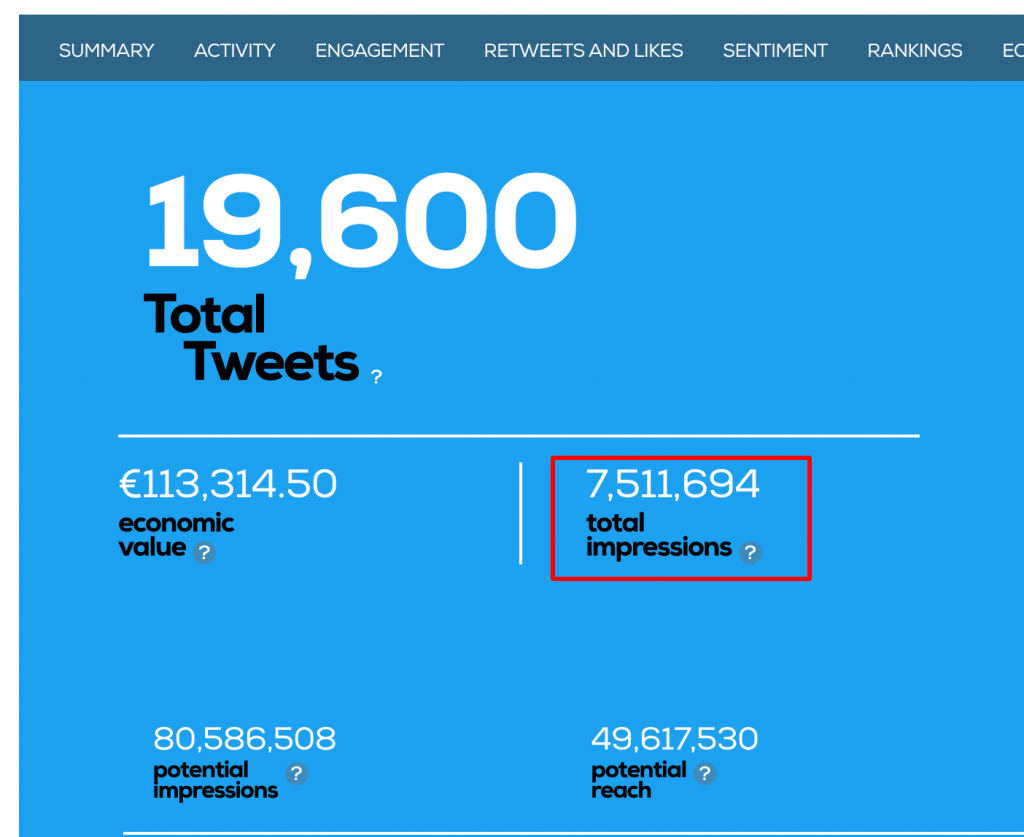
Impressions provide a valuable benchmark for your brand’s performance against its own historical data and, importantly, against competitors. While direct competitor impression data is not publicly available, tracking your own performance over time helps establish internal benchmarks. A sudden spike or dip in impressions can prompt an investigation into external factors (e.g., trending topics, competitor activity) or internal strategy changes. Furthermore, by observing which types of content from successful competitors seem to gain traction and likely generate high impressions, brands can glean insights into effective strategies. This form of competitive intelligence helps in:
- Setting realistic goals: Based on historical performance and industry trends.
- Identifying market opportunities: Where are competitors gaining visibility that your brand isn’t?
- Refining competitive positioning: How can your brand differentiate its content to capture more impressions?
Leveraging impression data for benchmarking fuels continuous improvement and helps maintain a competitive edge in a crowded digital landscape.
Strategies to Optimize Your Brand’s Impressions
Boosting your Twitter impressions isn’t about arbitrary posting; it’s about strategic content creation and audience engagement. Brands that consistently achieve high impression counts understand the nuances of the platform and tailor their approach accordingly.
Crafting Compelling Content
The bedrock of high impressions is content that genuinely resonates. This means going beyond basic updates and focusing on value, relevance, and visual appeal.
- Visuals are paramount: Tweets with images, GIFs, and videos consistently perform better, capturing attention more effectively in a fast-scrolling feed. Invest in high-quality, branded visual assets.
- Concise and impactful messaging: Twitter’s character limit (though expanded) still favors brevity. Get straight to the point, use strong calls to action, and evoke curiosity.
- Value-driven content: Share insights, tips, news, or entertainment that genuinely benefits your target audience.
- Question-based tweets: Encourage interaction and replies, signaling to the algorithm that your content is engaging.
- Real-time relevance: Tap into trending topics or news relevant to your brand, but ensure authenticity and appropriateness.
Leveraging Hashtags and Trends
Hashtags are the discovery engine of Twitter. Strategic use of relevant hashtags increases the likelihood of your tweet appearing in search results and trending topic feeds, thereby boosting impressions.
- Relevant hashtags: Use a mix of broad and niche hashtags that are directly related to your content and industry.
- Trending topics: Participate in relevant trending conversations (identified in the “Explore” tab) by incorporating popular hashtags, but only if it aligns authentically with your brand voice and message. Avoid gratuitous use.
- Branded hashtags: Create unique hashtags for campaigns or your brand name to foster community and track specific conversations.
Strategic Posting Times
The timing of your tweets significantly influences their visibility. Posting when your target audience is most active and receptive can dramatically increase impressions.
- Audience analysis: Use Twitter Analytics to identify when your followers are most online.
- Experimentation: Test different posting times and days to see what yields the highest impressions for your specific content type.
- Consistency: Maintain a consistent posting schedule to keep your audience engaged and predictable.
Engaging with Your Community
Twitter’s algorithm favors engagement. When your tweets receive likes, retweets, and replies, it signals to the platform that your content is valuable, increasing its likelihood of being shown to a wider audience, including non-followers.
- Respond promptly: Acknowledge and reply to comments and mentions.
- Initiate conversations: Ask questions, run polls, and encourage dialogue.
- Retweet and quote relevant content: Share content from other accounts that resonates with your brand values and audience interests. This also fosters reciprocal engagement.
- Run contests or Q&As: These can generate significant buzz and drive impressions.
Interpreting Impressions for Business Growth
While impressions are a top-of-funnel metric, their true value for brands lies in their interpretation and connection to broader business objectives. They are not an end in themselves but a vital component of a comprehensive digital marketing strategy.
Connecting Impressions to ROI
Ultimately, marketing efforts must contribute to the bottom line. While impressions don’t directly translate into sales, they are a critical precursor. A robust impression count means more people are aware of your brand, products, or services. This increased awareness can lead to:
- Higher website traffic: If your tweets include calls to action and links.
- Increased leads: Through forms filled out or inquiries made after seeing your content.
- Improved brand recall and recognition: Making your brand top-of-mind when consumers are ready to make a purchase.
- Enhanced brand authority: Consistent, high-impression thought leadership establishes credibility.
By analyzing the conversion rates from impression-generating tweets, brands can attribute a portion of their ROI to their Twitter visibility efforts, demonstrating the value of their social media investment.
Beyond Vanity Metrics: Actionable Insights
Impressions can sometimes be dismissed as a “vanity metric” if not viewed in context. However, when combined with other analytics (like engagement rate, click-through rate, and conversion data), they provide actionable insights. For example, a tweet with high impressions but low engagement might indicate that while your content is seen, it isn’t compelling enough to evoke interaction. This insight can drive a content refinement strategy. Conversely, low impressions but high engagement on a tweet could mean your content deeply resonates with a small, highly loyal audience, prompting a strategy to expand that reach. The key is to look at impressions not in isolation but as part of an integrated data ecosystem that informs and refines your overall brand presence.
Long-term Brand Building through Consistent Visibility
Consistent, high impressions contribute significantly to long-term brand building. Repeated exposure builds familiarity, trust, and ultimately, loyalty. Over time, a brand with a strong impression footprint on Twitter establishes itself as an authority, a reliable source of information, or an engaging presence within its niche. This sustained visibility translates into stronger brand equity, which is invaluable. It positions the brand favorably in the minds of consumers, making it more resilient to market fluctuations and more attractive to potential customers, partners, and even employees. Therefore, strategically optimizing and interpreting Twitter impressions is not merely a short-term tactical play but a fundamental pillar of enduring brand growth and market leadership.
aViewFromTheCave is a participant in the Amazon Services LLC Associates Program, an affiliate advertising program designed to provide a means for sites to earn advertising fees by advertising and linking to Amazon.com. Amazon, the Amazon logo, AmazonSupply, and the AmazonSupply logo are trademarks of Amazon.com, Inc. or its affiliates. As an Amazon Associate we earn affiliate commissions from qualifying purchases.