
In the realm of personal finance and business operations, risk management is paramount. While many focus on investments, insurance portfolios, or budgeting software, an often-overlooked area with significant financial implications lies in the seemingly technical aspect of towing: tongue weight. Understanding and managing tongue weight isn’t just about safe travel; it’s a crucial element in protecting substantial assets, mitigating costly risks, and ensuring the economic efficiency of your towing endeavors. For anyone moving trailers—be it for personal recreation like RVing, hauling boats, or for commercial purposes such as landscaping or construction—improper tongue weight can translate directly into thousands of dollars in repairs, increased operational costs, legal liabilities, and even the complete loss of valuable assets.
Understanding Tongue Weight: More Than Just Mechanics, It’s Asset Protection
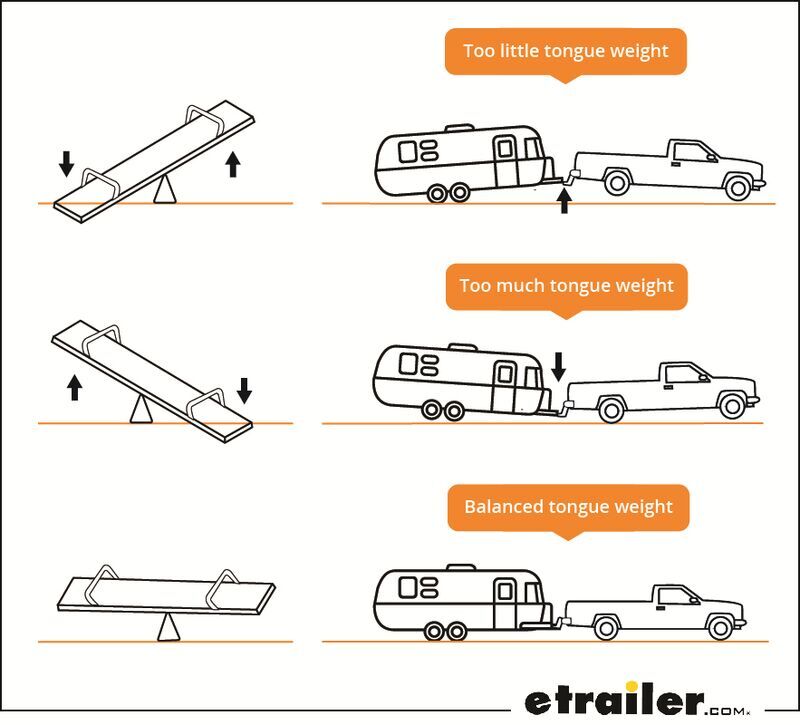
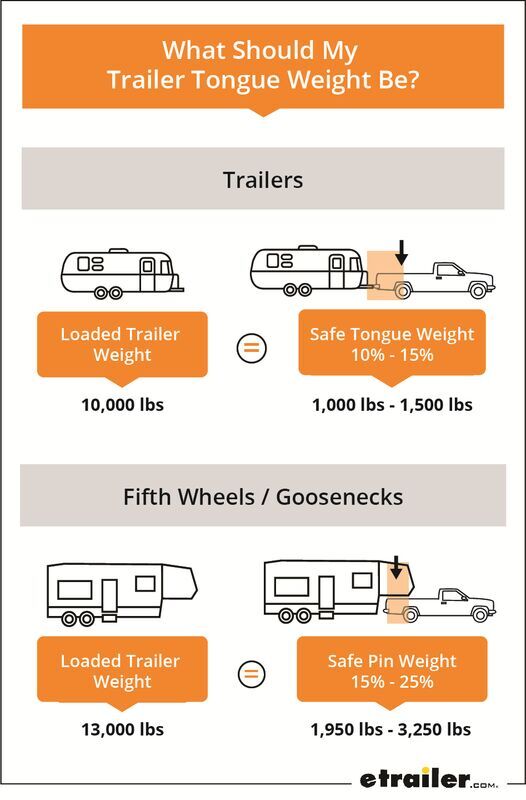
Tongue weight refers to the downward force exerted by the trailer’s coupler onto the hitch ball of the towing vehicle. Expressed as a percentage of the trailer’s gross trailer weight (GTW), an ideal tongue weight typically falls between 10% and 15% for conventional trailers, and often higher for gooseneck or fifth-wheel setups. While this definition sounds purely mechanical, its ramifications are deeply financial, impacting the longevity and safety of your investments.
Defining Tongue Weight and Its Impact on Your Investments (Vehicle & Trailer)
Consider your towing vehicle and trailer as significant financial investments. A modern pickup truck or SUV capable of towing can represent tens of thousands, if not hundreds of thousands, of dollars. Similarly, a recreational vehicle, boat, or specialized utility trailer often carries a hefty price tag. When tongue weight is within the recommended range, the load is distributed appropriately across the axles of both the tow vehicle and the trailer. This balanced distribution minimizes stress on the vehicle’s suspension, drivetrain, tires, and braking system, thereby extending their operational life and reducing the frequency of costly repairs. It also ensures optimal handling characteristics, preventing dangerous swaying or instability that could lead to accidents.
Conversely, an incorrect tongue weight places undue stress on specific components. Too much tongue weight overloads the rear axle of the tow vehicle, causing it to sag, lifting the front end. This reduces steering control, diminishes braking effectiveness, and accelerates wear on rear tires, suspension components, and even the vehicle’s frame. Each of these consequences translates directly into premature maintenance, expensive parts replacement, and ultimately, a reduced lifespan for your investment.
The Cost of Imbalance: Why Too Little or Too Much Weight Leads to Financial Strain
The financial strain caused by improper tongue weight manifests in various ways. When the tongue weight is too low (e.g., less than 10% of GTW), the trailer becomes prone to severe sway, particularly at highway speeds or in crosswinds. This fishtailing motion can quickly lead to loss of control, jackknifing, and catastrophic accidents. The financial aftermath of such an event can include:
- Total loss of the trailer and its cargo: A significant financial blow, especially if the cargo represents business inventory or high-value personal items.
- Severe damage or total loss of the tow vehicle: Potentially rendering an expensive asset useless or requiring extensive, uninsured repairs.
- Medical expenses and lost wages: For any individuals involved in the accident.
- Third-party damages: Liability for damage to other vehicles, property, or injuries sustained by others.
On the other hand, excessive tongue weight (e.g., over 15% of GTW) creates an entirely different set of financial burdens. As previously mentioned, it overloads the rear axle of the tow vehicle, compromising steering, braking, and stability. This imbalance can lead to:
- Premature wear on tires: Requiring frequent and expensive replacements.
- Damage to suspension components: Springs, shocks, and bearings wear out faster, demanding costly repairs.
- Stress on the vehicle’s frame and hitch receiver: Potentially causing structural damage that is both dangerous and expensive to rectify, or even rendering the vehicle unsafe for future towing.
- Reduced fuel efficiency: The struggling engine and stressed drivetrain consume more fuel, increasing operational costs over time.
In both scenarios, the financial ripple effects extend far beyond the initial incident, impacting insurance premiums, resale value of assets, and overall financial stability.
The Tangible Costs of Neglecting Proper Tongue Weight
The financial ramifications of ignoring tongue weight are not abstract; they manifest as concrete, often hefty, expenses that erode your personal savings or business profits.
Increased Fuel Consumption and Premature Wear: Draining Your Wallet
An improperly balanced trailer forces the tow vehicle to work harder. When the vehicle is sagging in the rear, the front wheels have less traction, and the engine must exert more power to maintain speed. This directly translates to increased fuel consumption, a consistent drain on your wallet, especially over long distances or frequent towing operations. For businesses, higher fuel costs directly impact profit margins.
Beyond fuel, the uneven distribution of weight accelerates wear and tear on numerous components. Tires wear unevenly and prematurely, brakes might overheat and fade faster, and transmission fluids can break down more quickly due to excessive strain. Each of these components represents a scheduled maintenance expense, but improper tongue weight turns them into unscheduled, more frequent, and often higher-cost repairs. Over the lifespan of a vehicle or trailer, these accumulated costs can significantly exceed the initial small effort required for proper loading.
Repair Bills and Insurance Nightmares: When Safety Defaults to Expense
The most immediate and severe financial consequence of improper tongue weight is the high likelihood of costly accidents. Even minor incidents stemming from trailer sway or instability can result in significant repair bills for both the trailer and the tow vehicle. Structural damage, twisted frames, bent axles, and damaged braking systems can easily run into thousands of dollars.
Furthermore, such incidents trigger insurance claims. While insurance is there for protection, filing claims often leads to increased premiums in subsequent years, effectively punishing you financially for inadequate risk management. In extreme cases, if gross negligence regarding weight limits or distribution can be proven, an insurance company might even deny a claim, leaving you entirely responsible for all damages and liabilities. The stress, time, and financial burden of navigating accident repairs and insurance claims can be immense, diverting resources and attention from more productive financial pursuits.
Legal Liabilities and Lost Income: The Business Impact of Accidents
For businesses that rely on towing—such as construction companies, landscapers, delivery services, or mobile vendors—the financial impact of an accident due to improper tongue weight is compounded. Beyond property damage and insurance hikes, businesses face potential legal liabilities. If an improperly loaded trailer causes an accident that injures others or damages third-party property, the business could face lawsuits leading to substantial settlements or judgments. These legal battles are not only financially draining but also damaging to a company’s reputation.
Moreover, a damaged tow vehicle or trailer means downtime. A construction crew might be unable to transport equipment, a landscaper might miss appointments, or a mobile vendor might lose sales. This loss of operational capacity translates directly into lost income and potential penalties for unmet contracts. For small businesses, such interruptions can be devastating, impacting cash flow and long-term viability. Proactive management of tongue weight is thus a critical component of business continuity and financial resilience.
Investing in Accuracy: Tools and Practices for Financial Prudence
Given the significant financial risks, investing in the right tools and adopting best practices for tongue weight management is not an expense but a wise financial decision that pays dividends in safety, longevity, and reduced operational costs.
Essential Financial Tools: Scales, Hitches, and Weight Distribution Systems
Several tools are available to ensure proper tongue weight, each representing a valuable investment in financial prudence:
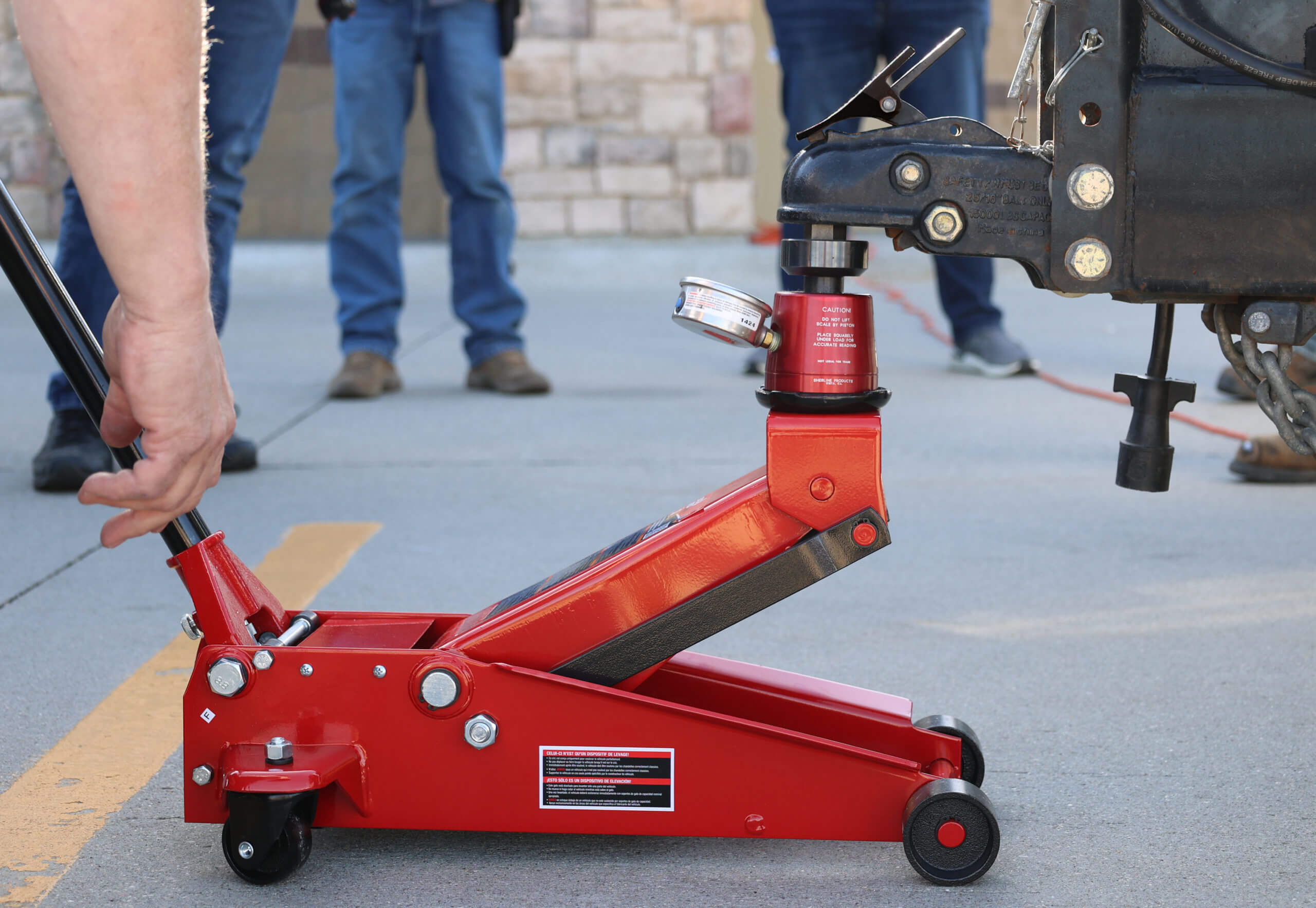
- Tongue Weight Scales: These devices provide an accurate measurement of the downward force exerted by the trailer. Available in various forms, from simple mechanical scales to digital versions, they eliminate guesswork. Investing in a reliable scale (which can range from under $100 to several hundred dollars) is a small upfront cost compared to the potential financial devastation of an accident. It empowers you to adjust cargo loading precisely, ensuring your assets are protected and risks are minimized.
- Weight Distribution Hitches (WDH): For heavier trailers or specific tow vehicles, a WDH is an indispensable financial tool. These systems use torsion bars to distribute a portion of the tongue weight from the rear axle of the tow vehicle to its front axle and to the trailer axles. This levels the tow vehicle, restores steering and braking control, and significantly reduces sway. While a WDH can cost anywhere from $300 to over $1,000, it’s an investment that prolongs the life of your vehicle’s suspension and drivetrain, improves fuel economy by reducing strain, and most importantly, vastly reduces the likelihood of financially catastrophic accidents.
- Integrated Sway Control Systems: Often combined with WDHs, these systems actively or passively dampen trailer sway. Preventing a trailer from losing control is a direct financial benefit, safeguarding your investment and preventing legal liabilities.
The Return on Investment of Professional Setup and Regular Checks
Beyond purchasing tools, the “investment” extends to knowledge and professional service. Having a qualified mechanic or trailer specialist properly set up your hitch system and weigh your loaded trailer provides an invaluable return on investment. Professionals ensure that all components are correctly installed, rated for your specific vehicle and trailer, and adjusted for optimal performance. This initial outlay for expertise can prevent costly mistakes in installation or calibration that could otherwise compromise safety and lead to future financial outlays.
Regular checks of your tongue weight, especially when changing cargo loads or trailers, should be considered a routine financial safeguarding practice. Just as you monitor your budget or investment portfolio, regularly verifying proper weight distribution protects your assets and ensures consistent operational efficiency.
Maximizing Value and Mitigating Risk: Strategic Towing for Personal and Business Finance
Strategic planning around towing, particularly concerning tongue weight, is a non-negotiable aspect of sound financial management for individuals and businesses alike.
Tailoring Your Setup: Optimizing for Longevity and Economic Operation
Every towing scenario is unique. The type of tow vehicle, trailer, and cargo all influence the ideal setup. Investing the time to understand these variables and tailor your towing system accordingly maximizes the longevity of your equipment and optimizes economic operation. This might involve:
- Careful cargo placement: Shifting heavy items forward or backward within the trailer to achieve the optimal 10-15% tongue weight.
- Choosing the right hitch class: Ensuring your hitch is rated for your maximum anticipated gross trailer weight and tongue weight.
- Proper tire inflation: Maintaining correct tire pressures on both the tow vehicle and trailer not only enhances safety but also improves fuel efficiency and extends tire life.
- Understanding legal limits: Being aware of axle weight ratings, gross vehicle weight ratings (GVWR), and gross combined weight ratings (GCWR) helps prevent overloading—a sure path to fines, excessive wear, and safety hazards.
All these small, intentional financial decisions contribute to a larger strategy of asset preservation and cost control.
Education as an Investment: Empowering Financial Decisions on the Road
Ultimately, the most significant investment you can make in managing tongue weight is in your own education. Understanding the principles, knowing how to use the tools, and recognizing the warning signs of an improperly loaded trailer empower you to make informed decisions that protect your financial well-being. Attending towing clinics, reading comprehensive guides, and consulting with experienced professionals are all forms of investing in knowledge. This knowledge reduces the likelihood of expensive errors, minimizes risks, and ensures that your towing operations, whether for leisure or business, remain financially sound and free from unforeseen, budget-draining complications. In the world of finance, knowledge is power, and when it comes to tongue weight, that power translates directly into saved money and safeguarded assets.
aViewFromTheCave is a participant in the Amazon Services LLC Associates Program, an affiliate advertising program designed to provide a means for sites to earn advertising fees by advertising and linking to Amazon.com. Amazon, the Amazon logo, AmazonSupply, and the AmazonSupply logo are trademarks of Amazon.com, Inc. or its affiliates. As an Amazon Associate we earn affiliate commissions from qualifying purchases.