
The Whizzinator, a name that evokes a specific, often clandestine, purpose, stands as a fascinating case study in brand development within a highly unconventional and legally fraught market. It is not merely a product; it is a brand identity forged in the crucible of controversy, necessity, and a distinct lack of legal endorsement. To understand “what is the Whizzinator” is to delve into the intricate layers of brand strategy, design, and market perception that define an entity operating at the very fringes of societal acceptance.
At its core, the Whizzinator is a synthetic urine delivery system, designed with anatomical accuracy to facilitate the discreet submission of a clean urine sample. Its notoriety stems directly from its intended application: to circumvent drug tests. This singular, often illicit, purpose has sculpted every aspect of its brand, from its provocative name to its functional design and the unique challenges it faces in marketing and public relations. It represents a brand that has thrived not despite its controversial nature, but, in many ways, because of it, becoming synonymous with a specific solution in a gray market.
The Genesis of a Notorious Brand Identity
The Whizzinator’s emergence into the public consciousness is a testament to the powerful intersection of unmet demand and audacious branding. Its journey from a niche product to a widely recognized, albeit infamous, brand highlights unconventional pathways to market penetration and identity formation.
Responding to a Hidden Market Need
The fundamental premise behind the Whizzinator’s existence is the widespread implementation of drug testing in various sectors, from employment screening to parole supervision. This societal and corporate practice created a significant demographic facing potential job loss, legal repercussions, or professional setbacks due to a positive drug test result. While ethically debatable, this scenario generated a profound, albeit often unspoken, market demand for methods to circumvent such tests.
The Whizzinator brand capitalized on this underlying tension. It positioned itself, implicitly, as a solution provider in a high-stakes environment where personal privacy and economic security were perceived to be at risk. The brand’s identity was thus initially shaped by its function as a response to a societal pressure point, offering a means of sidestepping adverse outcomes. This foundational link to a pressing personal need, regardless of its legality, laid the groundwork for its recognition among its target audience.
Forging a Provocative Brand Name
Perhaps one of the most striking elements of the Whizzinator’s brand strategy is its name itself. “Whizzinator” is colloquial, memorable, and undeniably suggestive of its purpose. It eschews subtlety in favor of directness, imbuing the brand with an almost defiant character. In a market where discretion is paramount for the user, the brand’s name, paradoxically, screams its function.
This deliberate choice of nomenclature played a crucial role in establishing its notoriety. It’s a name that invites a double-take, sparks conversation, and lodges itself in public memory. For a product operating in a legally ambiguous space, traditional marketing channels are largely inaccessible. Therefore, a provocative and memorable name became a primary driver of word-of-mouth marketing and popular culture references. It turned the brand into a shorthand for a specific type of circumvention, solidifying its identity through sheer linguistic audacity and ensuring that, once heard, it was unlikely to be forgotten. This branding strategy harnessed the power of shock value and immediate comprehension to achieve widespread recognition.
Product Design as Brand Promise
Beyond its name, the physical design and presentation of the Whizzinator are integral components of its brand promise, reinforcing its core values of efficacy, discretion, and reliability in a challenging context. The brand’s commitment to these attributes is evident in every design choice, from anatomical accuracy to packaging.
Engineering Discretion and Authenticity
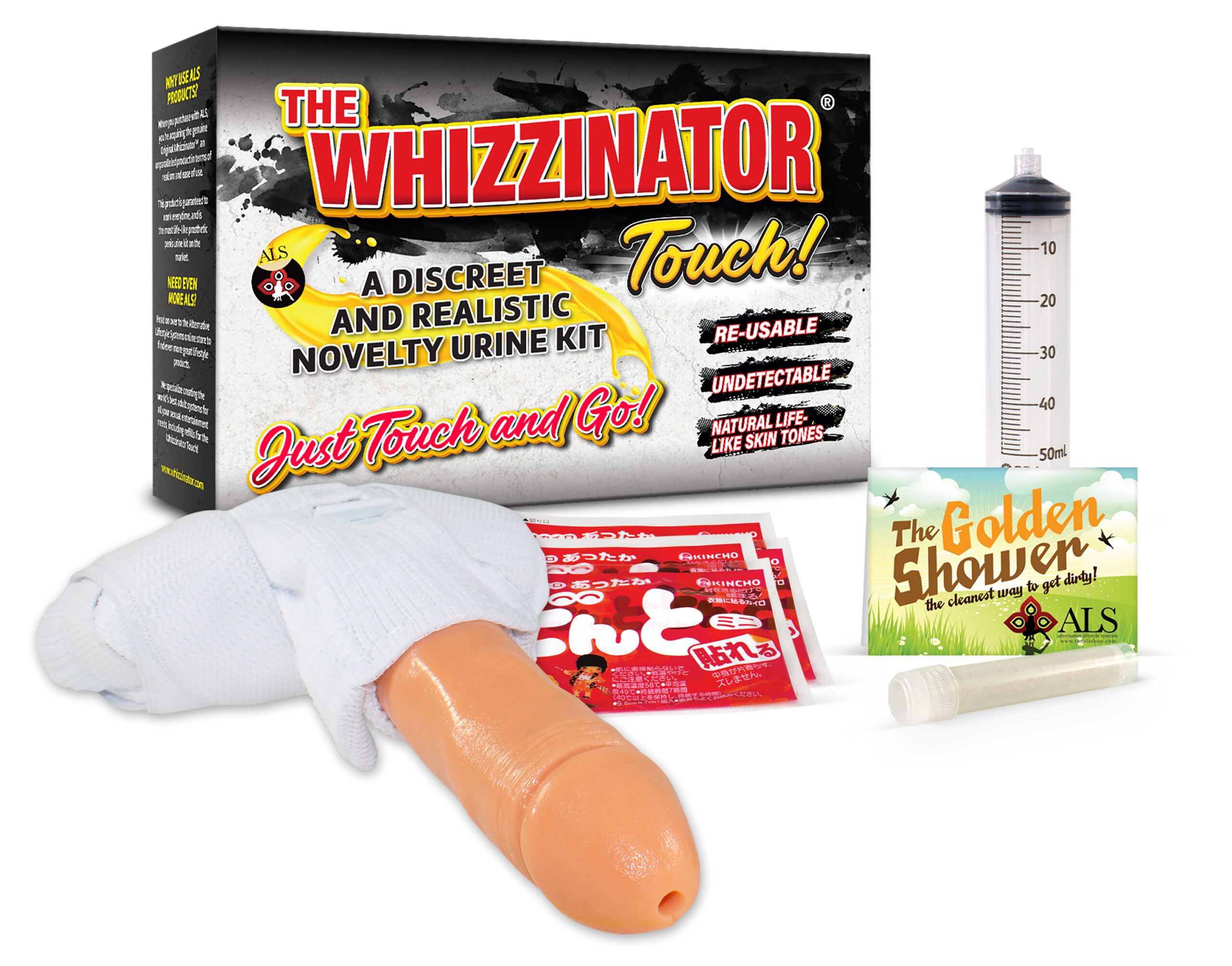
The success of the Whizzinator, as a brand, hinges on its ability to deliver on its implicit promise of successfully passing a drug test. This necessitates a meticulous approach to product design, focusing on both realism and functionality. The device is engineered to mimic the male anatomy, often incorporating prosthetic genitalia, which is critical for discreet deployment and a credible presentation during a monitored test. This anatomical authenticity is a key brand attribute, directly addressing user concerns about detection.
Furthermore, the engineering extends to temperature control mechanisms, which are vital for maintaining the synthetic urine at body temperature—a critical factor for passing certain types of drug tests. The inclusion of heating pads or chemical warmers reflects the brand’s understanding of the stringent parameters of drug testing and its commitment to providing a comprehensive, realistic solution. These functional design elements are not just features; they are manifestations of the brand’s promise of authenticity and effectiveness, designed to instill confidence in a user under pressure.
Subtlety in Brand Communication and Packaging
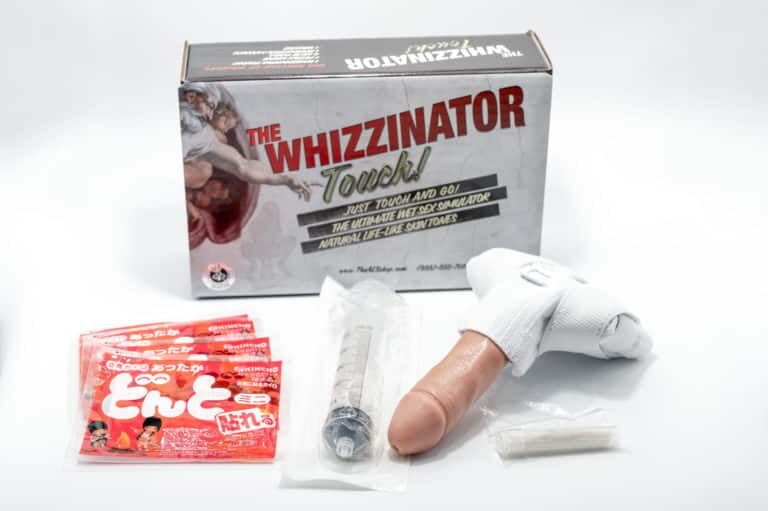
Given the illicit nature of its primary use, the Whizzinator brand cannot engage in overt marketing or make explicit claims about its efficacy for drug test circumvention. This constraint has led to a highly nuanced and indirect approach to brand communication and packaging. Products are often marketed under euphemisms, such as “novelty items,” “fetish products,” or “urination simulation devices.” This subtle, legally cautious branding allows the product to exist in a commercial space while signaling its true intent to its target audience through context and implied messaging.
Packaging, too, follows this discreet strategy. While the product inside might be anatomically explicit, the exterior packaging often employs understated designs or generic descriptions to avoid drawing undue attention or legal scrutiny. The brand relies heavily on word-of-mouth, online forums, and subcultural knowledge for its marketing reach, where the true purpose is understood without explicit articulation. This strategic subtlety in communication and packaging is a critical element of the Whizzinator brand, allowing it to navigate a treacherous legal landscape while still effectively reaching and reassuring its niche customer base.
Branding in the Crosshairs: Legal and Ethical Dimensions
The Whizzinator brand operates in a contentious zone, constantly battling legal challenges and grappling with its ethical implications. This ongoing struggle has not diminished its brand presence; rather, it has, paradoxically, cemented its notorious identity and resilience.
Navigating Regulatory Challenges and Public Scrutiny
The Whizzinator has been the subject of numerous legal battles, arrests, and product seizures across various jurisdictions, particularly in the United States. Laws prohibiting the sale, distribution, or use of devices designed to circumvent drug tests have directly targeted the brand and its distributors. This regulatory scrutiny has forced the brand to adapt continually, often by reclassifying its products or modifying its marketing language to fall within legal ambiguities. For example, marketing the device as a “fetish item” or a “prank device” has been a common tactic to bypass anti-drug paraphernalia laws.
This constant legal pressure, while costly and challenging, has also paradoxically amplified the brand’s public profile. Each news report of a seizure or an arrest has inadvertently served as a form of publicity, reinforcing the Whizzinator’s status as the quintessential tool for beating drug tests. The brand’s notoriety has grown hand-in-hand with its legal tribulations, creating a unique public image that intertwines illicit purpose with a defiant spirit. It’s a brand perpetually in the public eye, defined as much by its legal battles as by its functionality.
The Paradox of Controversial Brand Resilience
Despite widespread condemnation from law enforcement, employers, and public health officials, the Whizzinator brand has demonstrated remarkable resilience. Its persistence in the market, often appearing under different guises or through various distributors, highlights a powerful aspect of branding: that a brand can endure and even thrive even when operating outside conventional ethical and legal frameworks.
This resilience can be attributed to several factors inherent to its brand. Firstly, the demand for its function is persistent, driven by deep-seated personal stakes. Secondly, its strong brand recall and association with a specific solution ensure that individuals seeking such a device will invariably think of “the Whizzinator” or its equivalents. The brand has achieved a level of cultural penetration where its name is almost genericized for the product type. Finally, its perceived efficacy, often propagated through anecdotal evidence and user communities, reinforces trust in the brand’s core promise. This phenomenon illustrates how a brand can become indelible in specific subcultures, making it resistant to attempts at complete eradication.
Strategic Branding in the Gray Market
Operating in the “gray market”—a zone between legality and illegality—demands a unique and adaptable brand strategy. The Whizzinator’s success in this environment provides insights into how brands can identify, reach, and maintain loyalty with customers when traditional marketing channels are closed.
Identifying and Reaching the Discerning Customer
The target audience for the Whizzinator brand is not the casual consumer; it is an individual facing a specific, urgent, and often anxiety-inducing problem. This customer archetype is discerning, risk-averse, and highly motivated to find a reliable solution. The brand strategy, therefore, is not about mass appeal but about precision targeting.
Traditional advertising is largely unavailable to the Whizzinator brand due to its controversial nature. Instead, it relies on discreet digital channels, word-of-mouth referrals, and implicit messaging. Online forums, niche e-commerce sites, and communities dedicated to drug testing advice become de facto marketing platforms. Here, the brand builds credibility through user testimonials (often anonymized), product reviews, and discussions about efficacy. Its presence on these platforms, though not direct advertising, serves to educate and reassure potential users, positioning the Whizzinator as a credible, if clandestine, option. The brand succeeds by seamlessly integrating itself into the information-seeking behaviors of its specific customer base.

Reputation Management in a Niche, High-Stakes Arena
For a brand like the Whizzinator, reputation management is paramount, yet incredibly complex. Its reputation is not just about product quality, but also about the perceived effectiveness of bypassing a system, and the associated legal risks. A single failure or a highly publicized arrest can severely damage its standing.
The brand manages its reputation by prioritizing discretion and efficacy in its product development and by fostering a sense of community among its users. Online discussions, while sometimes critical, often serve to troubleshoot, share best practices, and collectively manage the anxieties associated with its use. The brand’s enduring presence and consistent, albeit subtle, availability contribute to a perception of reliability and established status in the gray market. It’s a brand whose success is measured not just by sales, but by its ability to maintain a trusted, albeit underground, identity against formidable legal and ethical opposition, solidifying its place as a case study in niche, high-stakes branding.
aViewFromTheCave is a participant in the Amazon Services LLC Associates Program, an affiliate advertising program designed to provide a means for sites to earn advertising fees by advertising and linking to Amazon.com. Amazon, the Amazon logo, AmazonSupply, and the AmazonSupply logo are trademarks of Amazon.com, Inc. or its affiliates. As an Amazon Associate we earn affiliate commissions from qualifying purchases.