
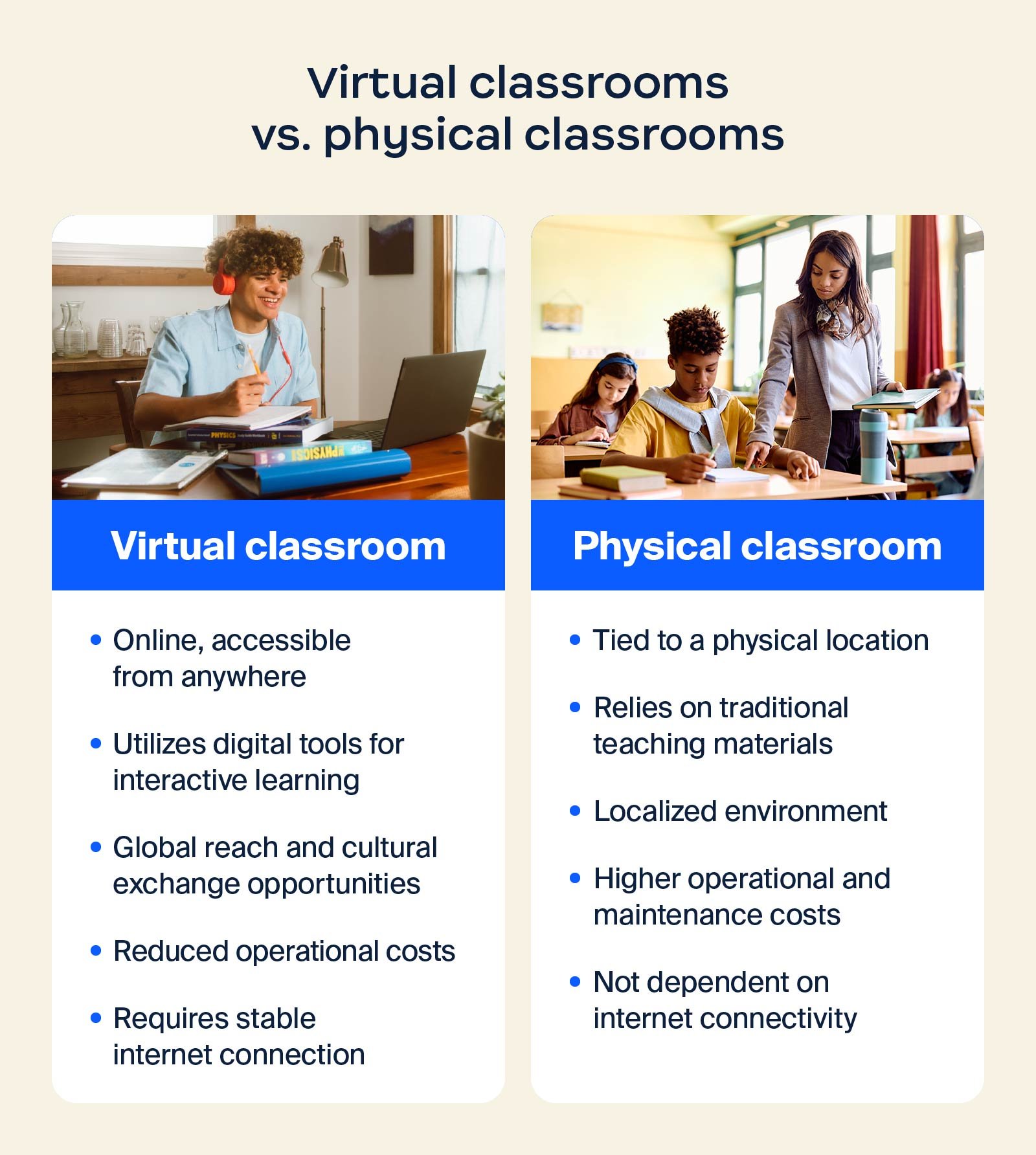
The concept of a classroom has undergone a profound transformation, evolving from a physical space bounded by four walls into a dynamic, digitally-driven environment known as the virtual classroom. At its core, a virtual classroom is an online learning space where students and instructors interact, collaborate, and engage with educational content through various digital technologies. It represents a paradigm shift in how education is delivered and consumed, leveraging the internet and sophisticated software platforms to replicate, and often enhance, the traditional learning experience without the constraints of geographical location or time zones. Far beyond simple online meetings, the virtual classroom is a carefully constructed digital ecosystem designed to foster active learning, interaction, and comprehensive academic development.
The Digital Foundation: Core Technologies and Platforms
The efficacy of a virtual classroom hinges entirely on its underlying technological infrastructure. These systems are not merely tools but the very fabric that enables a coherent and functional online learning experience.
Learning Management Systems (LMS): The Central Hub
The cornerstone of almost every virtual classroom is a robust Learning Management System (LMS). Platforms such as Canvas, Moodle, Blackboard, and Google Classroom serve as the central repository for all course-related activities and materials. An LMS facilitates content delivery, allowing educators to upload lectures, readings, multimedia files, and assignments. It also manages student enrollment, tracks progress, handles grading, and provides tools for administrative tasks. Critically, an LMS often integrates with other educational technologies, acting as the primary gateway for students to access their entire digital learning environment. Its design prioritizes organization, accessibility, and streamlined management of the educational workflow.
Synchronous Communication Tools
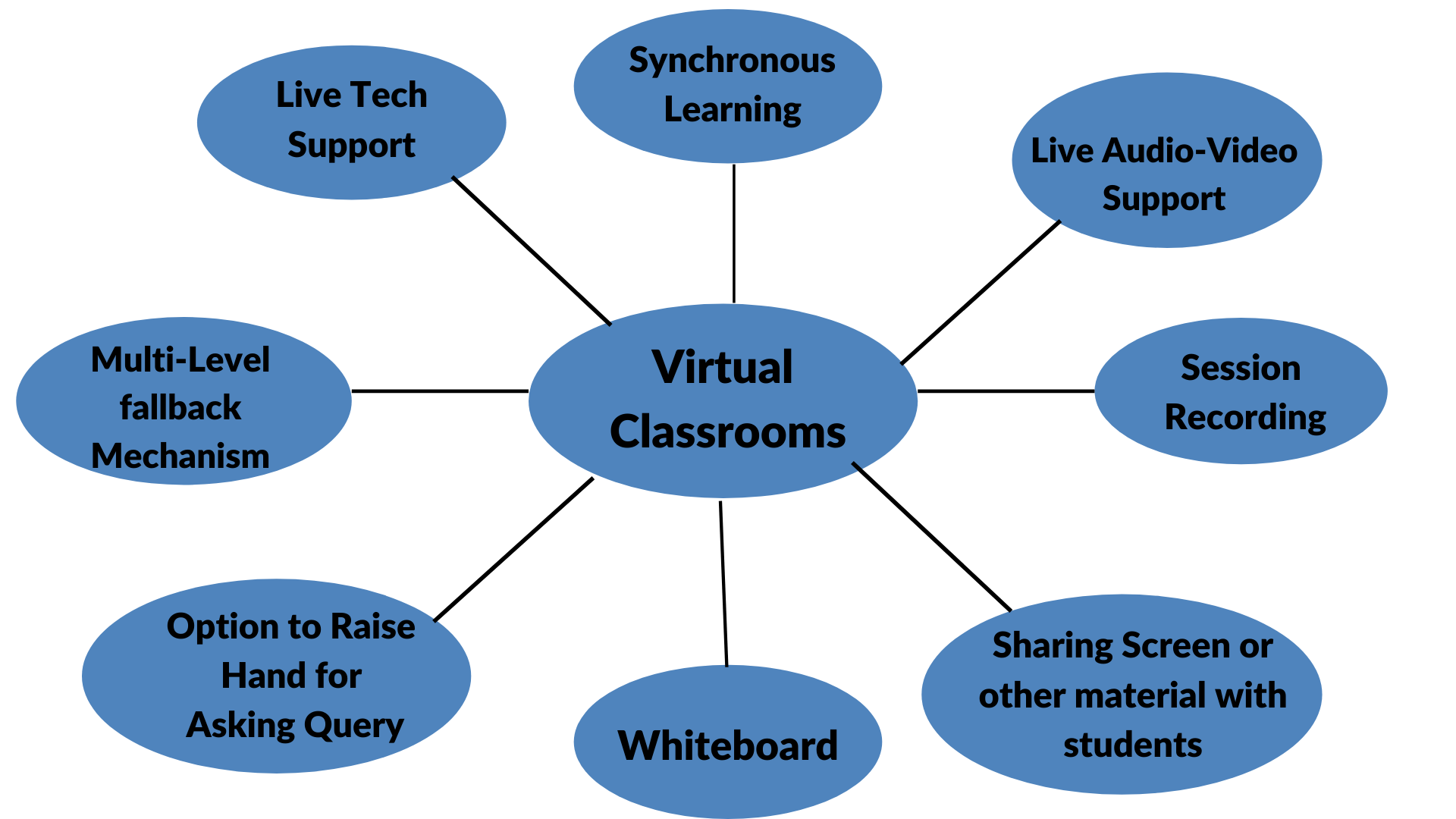
Real-time interaction is crucial for replicating the dynamic nature of a traditional classroom. Synchronous communication in a virtual setting is primarily facilitated by video conferencing platforms like Zoom, Microsoft Teams, and Google Meet. These tools allow instructors and students to engage in live lectures, discussions, and group activities. Key features include screen sharing, which enables instructors to present slides, demonstrate software, or walk through documents; interactive whiteboards for collaborative brainstorming and problem-solving; and breakout rooms, which segment larger groups into smaller, private discussion spaces for more focused collaboration. The reliability and feature set of these platforms are vital for maintaining engagement and interaction during live sessions.
Asynchronous Collaboration and Resource Sharing
While synchronous tools handle real-time needs, asynchronous technologies support learning activities that don’t require simultaneous participation. Cloud storage services such as Google Drive, OneDrive, and Dropbox are essential for sharing large files, documents, and presentations that students can access at their convenience. Discussion boards and forums within the LMS or integrated third-party tools allow students to post questions, respond to prompts, and engage in reflective discourse over extended periods. Shared document editing tools (e.g., Google Docs, Microsoft 365) facilitate collaborative project work, enabling multiple students to work on a single document in real-time or asynchronously, tracking changes and contributions.
Hardware and Connectivity
The most sophisticated software is rendered useless without adequate hardware and a stable internet connection. Students and instructors require reliable computers or tablets equipped with webcams and microphones for full participation. High-speed internet access is paramount, especially for synchronous activities like video conferencing, where bandwidth limitations can severely degrade the user experience, leading to disruptions and frustration. The varying quality of hardware and internet access among users constitutes a significant technical challenge in ensuring equitable access and participation in virtual learning.
Key Features Driving Engagement and Effectiveness
Beyond the foundational technologies, a virtual classroom leverages specific functionalities to create an engaging and effective learning environment, mirroring and often surpassing the capabilities of physical spaces.
Interactive Whiteboards and Screen Sharing
These features are central to dynamic instruction. Interactive whiteboards allow instructors to write, draw, and annotate content collaboratively with students, simulating a traditional blackboard but with added digital capabilities like saving sessions, inserting images, and using various colors and shapes. Screen sharing enables instructors to demonstrate complex software, walk through specific web pages, or present multimedia directly from their desktops, making abstract concepts more tangible and practical skills easier to teach.
Multimedia Integration
Modern virtual classrooms are rich in multimedia. The ability to seamlessly embed videos, audio clips, interactive simulations, and dynamic presentations directly into course materials or live lectures significantly enhances engagement. This moves beyond static text-based learning, appealing to diverse learning styles and making complex subjects more accessible and engaging through visual and auditory stimuli. Educational platforms are increasingly designed to support a wide array of media formats and interactive elements.
Assessment and Feedback Tools
Digital tools streamline the assessment process considerably. Online quizzes with automated grading provide immediate feedback to students for objective questions. Platforms support various assignment types, from written essays to project submissions, often integrating plagiarism detection software. Digital annotation tools allow instructors to provide detailed feedback directly on submitted documents, enhancing the clarity and timeliness of constructive criticism. Advanced systems also offer proctoring solutions, utilizing AI and webcam monitoring to ensure academic integrity during online exams.
Analytics and Reporting
One of the significant technological advantages of virtual classrooms is the rich data they generate. Learning analytics tools track student activity, participation rates, performance on assignments, and engagement with course materials. This data provides valuable insights for instructors, allowing them to identify struggling students, optimize teaching methods, and tailor content. For administrators, these reports can inform curriculum development and assess program effectiveness, driving continuous improvement through data-driven decisions.
Accessibility Features
Inclusivity is a critical aspect of modern technology, and virtual classrooms are increasingly designed with accessibility in mind. Features like closed captioning for live and recorded videos, screen reader compatibility for visually impaired students, adjustable font sizes and color contrasts, and keyboard navigation options ensure that learning materials and platforms are accessible to students with diverse needs. Adherence to web accessibility standards (e.g., WCAG) is paramount for creating truly equitable digital learning environments.
Advantages and Technical Considerations
The virtual classroom offers compelling advantages, particularly in terms of flexibility and reach, but also presents unique technical challenges that require careful consideration.
Enhanced Accessibility and Reach
By removing geographical barriers, virtual classrooms democratize education, making it accessible to students worldwide who might otherwise be unable to attend traditional institutions. This global reach fosters diverse cohorts, enriching discussions and exposing students to a broader range of perspectives. It also supports lifelong learning, allowing professionals to upskill or reskill without interrupting their careers. The technology facilitates learning for individuals with physical disabilities or those in remote areas, bridging gaps created by physical limitations.
Scalability and Resource Management
Virtual learning environments are inherently scalable. A single online course can accommodate hundreds or even thousands of students without requiring additional physical space or duplicated resources. Digital resources – textbooks, articles, videos – can be accessed by multiple students simultaneously, reducing costs associated with physical materials and minimizing environmental impact. The ability to easily update and disseminate course content across the entire student body instantly is another significant advantage.
Data-Driven Pedagogy
The extensive data collected by LMS and other tools allows for a highly personalized learning experience. Instructors can use analytics to identify areas where students struggle collectively or individually, enabling them to adapt their teaching strategies, provide targeted interventions, and even customize learning paths. AI-powered tools can further enhance this by recommending resources or adjusting assignment difficulty based on student performance, moving towards truly adaptive learning systems.
Digital Security and Privacy
The vast amount of sensitive personal and academic data processed in virtual classrooms makes digital security and privacy paramount. Robust encryption protocols, secure login systems (including multi-factor authentication), and strict data governance policies are essential to protect against cyber threats like data breaches, phishing, and malware. Compliance with privacy regulations such as GDPR, FERPA, and others is a legal and ethical imperative to ensure student data is handled responsibly and securely. Regular security audits and training are necessary to maintain a secure learning environment.
The Digital Divide and Technical Literacy
Despite the widespread adoption of technology, the “digital divide” remains a significant technical challenge. Unequal access to reliable internet, suitable hardware, and necessary digital literacy skills can exclude vulnerable populations from participating effectively in virtual learning. Institutions must consider strategies to mitigate these disparities, such as providing technical support, training, and resources, to ensure that virtual education remains an inclusive option for all students.
The Evolution and Future Trajectory
The virtual classroom is a constantly evolving entity, driven by rapid advancements in technology. Its future promises even more immersive, intelligent, and interconnected learning experiences.
Integration of Artificial Intelligence (AI)
AI is poised to revolutionize virtual learning further. AI-powered tutors and chatbots can provide personalized support, answer common questions, and guide students through complex topics 24/7. Adaptive learning platforms, driven by AI algorithms, can analyze student performance and learning styles to dynamically adjust content, pace, and assessment methods, creating highly individualized educational journeys. AI could also automate grading for certain types of assignments and provide instructors with deeper insights into learning patterns.
Virtual Reality (VR) and Augmented Reality (AR)
VR and AR technologies are on the cusp of transforming virtual classrooms into truly immersive environments. VR can transport students to virtual laboratories, historical sites, or even inside complex biological structures, offering hands-on experiences that are otherwise impossible or impractical. AR can overlay digital information onto the real world, enhancing textbooks with interactive 3D models or providing real-time contextual information during fieldwork simulations. These technologies promise to make learning more experiential and engaging, particularly in STEM fields.
Gamification and Interactive Learning
Incorporating game-design elements and game principles into non-game contexts (gamification) is increasingly being used to boost student engagement and motivation. Virtual classrooms can leverage points, badges, leaderboards, and interactive challenges to make learning more enjoyable and competitive. Serious games and simulations can provide safe environments for students to practice critical skills, make decisions, and learn from consequences in a low-stakes setting.
Blockchain for Credentialing
Blockchain technology offers a secure, decentralized, and immutable way to manage academic records and credentials. Digital diplomas, transcripts, and certifications stored on a blockchain could be easily verified by employers or other institutions, reducing fraud and streamlining the credentialing process. This technology could provide students with greater control over their academic achievements and offer a more transparent system for recognizing learning outcomes.

Enhanced Collaborative Technologies
Future virtual classrooms will feature even more sophisticated tools for collaboration. This includes advanced virtual meeting spaces with spatial audio, more intuitive shared workspaces, and tools that facilitate spontaneous group formation and real-time co-creation. The focus will be on creating a sense of “virtual presence” that closely mimics in-person interactions, fostering stronger community and deeper collaborative learning experiences among students dispersed globally.
In conclusion, the virtual classroom is not merely an alternative to traditional education but a sophisticated technological ecosystem that is continually evolving. Its foundation lies in robust software, networked infrastructure, and innovative tools designed to deliver flexible, accessible, and engaging learning experiences. As technology continues to advance, the virtual classroom will undoubtedly continue to push the boundaries of what is possible in education, offering increasingly personalized, immersive, and interconnected pathways to knowledge.
aViewFromTheCave is a participant in the Amazon Services LLC Associates Program, an affiliate advertising program designed to provide a means for sites to earn advertising fees by advertising and linking to Amazon.com. Amazon, the Amazon logo, AmazonSupply, and the AmazonSupply logo are trademarks of Amazon.com, Inc. or its affiliates. As an Amazon Associate we earn affiliate commissions from qualifying purchases.