
In an era saturated with financial advice, investment strategies, and economic theories, discerning enduring principles for managing wealth and resources can be challenging. While the modern world often seeks answers in empirical data and market trends, ancient texts, particularly the Bible, offer a profound repository of timeless wisdom regarding money, stewardship, and economic behavior. Far from being merely spiritual directives, many biblical verses contain practical, insightful truths that resonate deeply with contemporary financial principles, providing a robust framework for personal finance, ethical business practices, and societal economic well-being. This exploration delves into how these ancient truths can illuminate a path to sound financial management, wealth creation, and purposeful living within the “Money” niche.

Unveiling Financial Wisdom in Ancient Texts
The Bible, across its many books, addresses virtually every aspect of human existence, including a significant focus on finance. It speaks to the acquisition of wealth, its management, distribution, and the attitudes one should cultivate towards material possessions. The “truth” embedded in these verses often transcends cultural and historical contexts, offering universal principles applicable to financial decisions today.
Stewardship: A Foundational Principle
At the core of biblical financial truth is the concept of stewardship. This principle asserts that everything we possess – our income, assets, talents, and time – is not truly ours but has been entrusted to us by a higher power. Our role is to manage these resources wisely and responsibly. This perspective fundamentally shifts the conversation from ownership to management, implying accountability and a long-term view.
From a financial standpoint, embracing stewardship encourages several key behaviors:
- Budgeting and Planning: A steward carefully assesses what they have and plans how to allocate it effectively to meet current needs, save for future goals, and contribute to others. This aligns perfectly with modern financial planning.
- Responsible Debt Management: Recognizing resources as entrusted assets naturally leads to a cautious approach to debt. Unnecessary debt can encumber one’s ability to manage resources freely and fulfill stewardship responsibilities.
- Long-Term Perspective: Stewardship fosters a mindset that looks beyond immediate gratification, encouraging saving and investing for the future, not just for personal gain but also for the well-being of future generations.
This foundational truth redefines wealth not merely as personal gain, but as a tool for responsible action and positive impact, transforming how individuals approach every financial decision.
The Value of Diligence and Hard Work
Another pervasive truth in biblical verses concerning money is the high regard for diligence, hard work, and productivity. The scriptures consistently praise those who labor faithfully and condemn idleness or sloth. This isn’t merely a moral exhortation but a practical economic principle that underpins wealth creation and financial stability.
Proverbs, for instance, is replete with verses encouraging industriousness: “Go to the ant, you sluggard; consider its ways and be wise! It has no commander, no overseer or ruler, yet it stores its provisions in summer and gathers its food at harvest” (Proverbs 6:6-8). This emphasizes proactive planning and consistent effort.
From a financial lens, the truth about diligence translates into:
- Earning Potential: Hard work is directly linked to income generation. A diligent employee is more likely to be valued, promoted, and compensated fairly. An industrious entrepreneur builds a thriving business.
- Skill Development: Diligence extends to continuous learning and skill enhancement, which are critical for career advancement and remaining competitive in the job market.
- Financial Independence: By consistently applying oneself, individuals can build assets, reduce reliance on others, and achieve a greater degree of financial autonomy.
The truth here is clear: sustained effort and dedication are indispensable ingredients for financial success and security.
Prudent Management of Wealth and Resources
Beyond the initial acquisition and underlying attitude, biblical verses offer extensive guidance on how wealth should be managed once acquired. This includes perspectives on accumulation, consumption, and distribution.
Perspective on Riches and Materialism
While diligence for wealth creation is affirmed, biblical truths also carry strong warnings against the pitfalls of materialism and the love of money. The issue is not wealth itself, but the attitude towards it. “For the love of money is a root of all kinds of evil. Some people, eager for money, have wandered from the faith and pierced themselves with many griefs” (1 Timothy 6:10). This verse does not condemn money but the love of it as an ultimate pursuit.
Financially, this truth encourages:
- Goal Setting Beyond Accumulation: While financial goals are important, they should serve a greater purpose than mere accumulation. Wealth can be a tool for family security, community improvement, or investment in meaningful endeavors.
- Avoiding Conspicuous Consumption: A focus on true needs and responsible spending rather than constant pursuit of luxury or status symbols.
- Financial Contentment: Finding satisfaction in one’s means rather than perpetual dissatisfaction, which can lead to endless spending and debt cycles.
The truth suggests that true richness lies not in the abundance of possessions, but in one’s character and purpose.
The Imperative of Generosity and Sharing
Perhaps one of the most distinctive financial truths found in biblical verses is the consistent emphasis on generosity, charity, and sharing wealth with those in need. This is presented not as an optional act, but as an integral part of responsible wealth management. “Give, and it will be given to you. A good measure, pressed down, shaken together and running over, will be poured into your lap. For with the measure you use, it will be measured to you” (Luke 6:38).

From a modern financial perspective, integrating generosity can have several impacts:
- Strategic Philanthropy: Conscious allocation of funds towards charitable causes, which can also offer tax benefits.
- Community Investment: Supporting local economies, businesses, and social programs, contributing to overall economic health.
- Personal Fulfillment: Numerous studies link generosity to increased personal happiness and well-being, suggesting a non-monetary return on investment.
- Legacy Building: Generosity allows individuals to leave a lasting impact beyond their immediate family, contributing to a meaningful legacy.
This truth broadens the scope of financial planning to include not just personal security, but also societal well-being.
Navigating Debt, Lending, and Ethical Transactions
The complexities of financial systems often involve borrowing and lending. Biblical truths provide clear guidance on these practices, emphasizing prudence and integrity.
The Caution Against Excessive Debt
While not outright condemning all forms of borrowing, biblical verses generally advise caution regarding debt and explicitly warn against becoming a slave to lenders. “The rich rule over the poor, and the borrower is slave to the lender” (Proverbs 22:7). This perspective highlights the inherent risks and loss of financial freedom associated with heavy debt burdens.
For contemporary financial practices, this truth underscores:
- Avoidance of Consumer Debt: Especially high-interest debt that does not build assets or provide lasting value.
- Strategic Use of Productive Debt: Recognizing that some debt (e.g., for education, a home, or a business) can be an investment if managed wisely and within one’s means.
- Debt Repayment Priority: Emphasizing diligent and timely repayment of obligations to maintain financial integrity and freedom.
The truth here advocates for financial independence over indebtedness, a cornerstone of sound personal finance.
Upholding Integrity in Business Dealings
Throughout biblical texts, there is an unwavering demand for honesty, fairness, and integrity in all business and financial transactions. Deceptive practices, dishonest weights and measures, and exploitation are strongly condemned. “Do not have two differing weights in your bag—one heavy, one light” (Deuteronomy 25:13).
Applied to modern finance and business, this truth promotes:
- Ethical Investing: Avoiding investments in companies engaged in unethical practices, or ensuring one’s own investments are transparent and fair.
- Transparent Business Operations: Clear contracts, honest advertising, and fair pricing.
- Fiduciary Responsibility: Upholding trust and acting in the best interest of clients or stakeholders in financial services.
Integrity is presented as non-negotiable, essential not only for moral conduct but for building trust, reputation, and sustainable economic relationships.
Strategic Financial Planning and Future Provision
Biblical verses encourage a forward-thinking approach to financial management, emphasizing saving and strategic planning rather than living solely for the present.
Foresight and Saving for Tomorrow
The story of Joseph in Genesis, advising Pharaoh to save during years of plenty in anticipation of famine, serves as a powerful parable for foresight and saving. “Let Pharaoh appoint commissioners over the land to take a fifth of the harvest of Egypt during the seven years of abundance. They should collect all the food of these good years that are coming and store up the grain under the authority of Pharaoh, to be kept in the cities for food. This food should be held in reserve for the country, to be used during the seven years of famine” (Genesis 41:34-36).
This truth translates directly into modern financial planning:
- Emergency Funds: Building a safety net for unexpected events.
- Retirement Planning: Systematically saving and investing for long-term financial security.
- Capital Investment: Setting aside funds for future business expansion, innovation, or major purchases.
The principle is clear: planning for the future, whether for downturns or opportunities, is a wise and responsible financial practice.
The True Purpose of Financial Accumulation
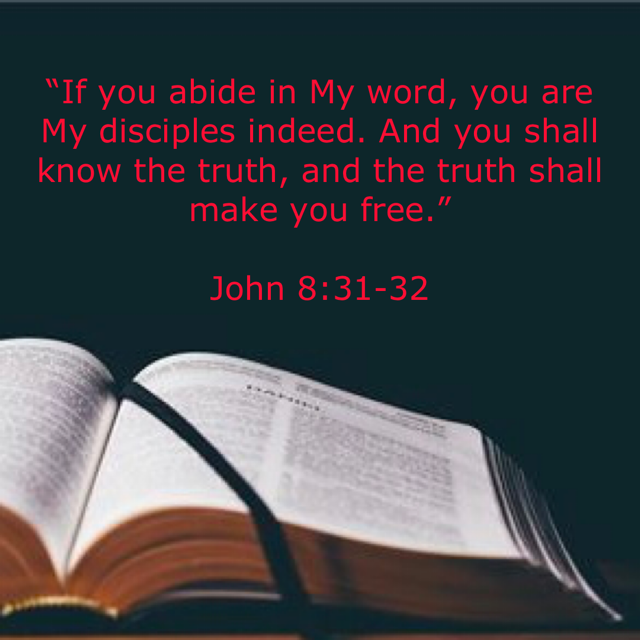
Ultimately, the biblical perspective on wealth challenges individuals to consider the higher purpose of their financial accumulation. It encourages a shift from self-centered gain to a broader vision that includes family, community, and future generations. While providing for one’s household is paramount, the truth extends beyond this, prompting individuals to consider how their financial resources can contribute to a more just and prosperous world. This perspective transforms financial planning from merely meeting personal needs to leveraging resources for impactful and legacy-driven goals, aligning personal financial endeavors with enduring values and societal benefit.
In conclusion, the “truth” found in biblical verses concerning money offers a compelling and comprehensive framework for financial management. It champions stewardship, diligence, prudence, generosity, integrity, and foresight. By integrating these timeless principles, individuals can navigate the complexities of modern finance with a clearer sense of purpose, build lasting wealth, and contribute meaningfully to their communities and beyond.
aViewFromTheCave is a participant in the Amazon Services LLC Associates Program, an affiliate advertising program designed to provide a means for sites to earn advertising fees by advertising and linking to Amazon.com. Amazon, the Amazon logo, AmazonSupply, and the AmazonSupply logo are trademarks of Amazon.com, Inc. or its affiliates. As an Amazon Associate we earn affiliate commissions from qualifying purchases.