
Leaching, in its most fundamental sense, is a physiochemical process by which soluble components are extracted from a solid material into a liquid solvent. This natural phenomenon, observed in everything from brewing coffee to the geological formation of minerals, takes on profound significance within the realm of technology. As our world becomes increasingly digitized and reliant on sophisticated electronic devices, understanding what is leached from the complex materials that comprise these innovations becomes critical for environmental health, product longevity, and the sustainable evolution of the tech industry.
The technological ecosystem relies on a vast array of elements and compounds, many of which, under specific conditions, can undergo leaching. From the raw materials mined from the earth to the highly engineered components within a smartphone, and finally to the burgeoning mountains of electronic waste, the potential for valuable or hazardous substances to dissolve and migrate into the environment is a constant consideration. This process dictates not only the safety and performance of devices but also their ultimate ecological footprint.
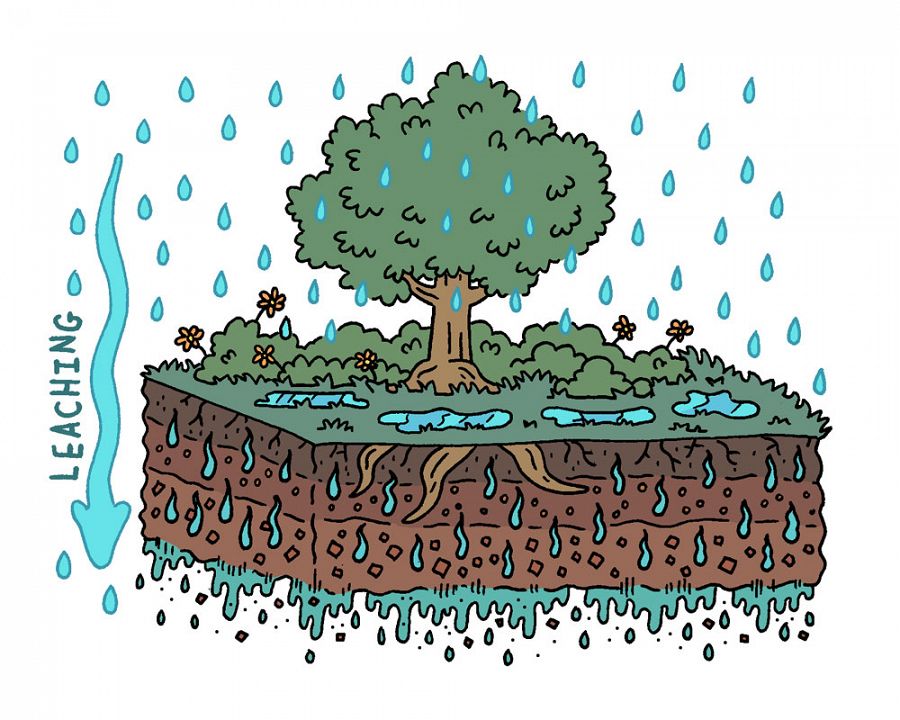
The Core Concept of Leaching in Technology
At its heart, leaching in technology is about material stability and interaction with the environment. When a tech product reaches the end of its life, or even during its operational phase, its constituent materials are exposed to various solvents—most commonly water, but also acids, bases, or other chemicals present in soil, landfills, or the atmosphere. These interactions can cause components to dissolve and migrate away from their original structure.
Defining Leaching in a Tech Context
Leaching is often confused with simple degradation, but it specifically refers to the extraction of soluble components. Consider a circuit board: it contains various metals like copper, lead, tin, and often precious metals. If this board is exposed to rainwater in a landfill, the acidic nature of the rain can act as a solvent, slowly dissolving these metals and carrying them into the surrounding soil and groundwater. Similarly, plastic casings often contain flame retardants or plasticizers that can leach out over time, especially when exposed to UV light or heat.
Why does this matter for technology? First, leaching can directly impact product performance and longevity. The loss of critical elements from a component can weaken its structural integrity or alter its electrical properties. Second, and more critically, it governs the environmental impact of technology. Many materials used in tech are either scarce, toxic, or both. Their uncontrolled release into the environment through leaching poses significant risks to ecosystems and human health.
Environmental Ramifications of Leaching from Tech Waste
The exponential growth of technology has inadvertently created an equally massive problem: electronic waste, or e-waste. This complex waste stream is the fastest-growing solid waste stream globally, and its improper management is a primary driver of environmental leaching concerns.
E-Waste as a Primary Concern
E-waste encompasses everything from discarded smartphones and laptops to televisions and large household appliances. Its complexity lies in its heterogeneous composition: a typical smartphone can contain dozens of different elements, including precious metals (gold, silver, palladium), critical minerals (lithium, cobalt), and heavy metals (lead, mercury, cadmium), alongside various plastics, ceramics, and chemical additives.
When e-waste is not properly recycled or disposed of, it often ends up in landfills or is processed through informal, unregulated methods. In these scenarios, the contained materials are exposed to weathering, biological activity, and various chemical reactions. This exposure creates ideal conditions for leaching.
Hazardous Substances and Their Leaching Potential
Many common components in tech products contain substances that are known to be toxic or harmful:
- Lead (Pb): Historically used in solder, CRT glass, and some batteries. Lead is a neurotoxin that can leach from discarded electronics and contaminate soil and water, posing risks to cognitive development in children and neurological damage in adults.
- Cadmium (Cd): Found in older batteries (NiCd), some display technologies (CRT phosphors), and as a pigment in plastics. Cadmium is a carcinogen and can cause kidney damage and bone disease. It readily leaches into the environment.
- Mercury (Hg): Used in fluorescent lamps for LCD backlights, tilt switches, and some batteries. Mercury is a potent neurotoxin that bioaccumulates in the food chain.
- Brominated Flame Retardants (BFRs): Added to plastics in circuit boards and casings to prevent fires. BFRs are persistent organic pollutants that can leach into the environment, bioaccumulate, and disrupt endocrine systems.
- Phthalates: Plasticizers used to make plastics more flexible (e.g., in cables). Some phthalates are endocrine disruptors and can leach out, particularly when plastics degrade.
These substances, once leached, follow various pathways. They can contaminate groundwater, affecting drinking water sources. They can be absorbed by plants, entering the food chain. They can accumulate in soil, rendering areas infertile or hazardous for agriculture. Informal recycling operations, prevalent in many developing countries, exacerbate this issue, as workers often burn or acid-wash e-waste without protective measures, directly releasing and leaching these toxins into their immediate environment.
Leaching Challenges in Advanced Tech Components
While e-waste presents the most visible leaching problem, the issue also permeates the design and lifecycle of cutting-edge technologies and materials.
Battery Technology and Material Degradation
Modern society’s reliance on portable electronics has spurred intense development in battery technology. Lithium-ion batteries, ubiquitous in smartphones, laptops, and electric vehicles, contain valuable and sometimes hazardous materials. While designed for sealed operation, aging or damage can lead to electrolyte leakage, a form of internal leaching that can compromise battery safety and performance.
More significantly, the end-of-life management of batteries presents a massive leaching challenge. Extracting valuable metals like lithium, cobalt, nickel, and manganese for recycling often involves hydrometallurgical processes, which are essentially controlled leaching operations. These processes use strong acids or bases to dissolve the target metals from the battery cathode and anode materials. While necessary for resource recovery, managing the effluents and ensuring the safe containment of these chemicals is paramount to prevent environmental contamination. The development of new battery chemistries, such as solid-state batteries, aims to reduce the risk of electrolyte leakage but introduces new material stability questions over their lifecycle and disposal.
Microelectronics and Nanomaterials
The miniaturization of electronics relies on complex semiconductor manufacturing and the increasing use of nanomaterials. While the trace elements within microchips are tightly integrated, their manufacturing processes often involve potent chemicals that must be carefully managed to prevent environmental leaching.
Nanomaterials, with dimensions typically between 1 and 100 nanometers, possess unique properties due to their high surface area. This very characteristic can make their leaching behavior complex. Nanoparticles of silver, zinc oxide, or titanium dioxide, used in various tech applications (e.g., antimicrobial coatings, transparent conductors, UV filters), have the potential to be released into the environment. Their small size allows them to penetrate biological barriers more easily, and their high reactivity can lead to novel interactions and potential toxicity once leached into water or soil. Understanding and controlling the leaching of these materials throughout their product lifecycle is an emerging area of research and regulatory concern.
Medical Devices and Wearables
The intersection of technology and healthcare, particularly in implantable medical devices and wearables, brings another dimension to leaching. Materials used in pacemakers, stents, and diagnostic sensors must be rigorously tested for biocompatibility—meaning they must not leach toxic substances into the human body over long periods. Conversely, the degradation of these materials and their subsequent controlled release or leaching of active compounds is sometimes a desired therapeutic outcome (e.g., drug-eluting stents). The end-of-life disposal of these specialized devices, which often contain unique alloys or radioactive isotopes, also requires careful planning to prevent environmental leaching.
Mitigating Leaching: Strategies for a Sustainable Tech Future
Addressing the challenges posed by leaching in technology requires a multi-faceted approach, encompassing design innovation, advanced recycling, and robust policy frameworks.
Design for Sustainability (DfS)
The most effective way to combat leaching is to prevent it at the source through thoughtful product design.
- Material Selection: Engineers are increasingly prioritizing materials that are inherently non-toxic, highly stable, and easily recyclable. This means moving away from hazardous heavy metals and persistent organic pollutants towards benign or inert alternatives.
- Longevity and Repairability: Designing products to last longer and be easily repaired reduces the frequency of disposal, thereby decreasing the overall volume of e-waste generated and the opportunities for leaching.
- Modularity: Modular designs allow for easier upgrades or replacement of individual components, extending the life of the primary device and facilitating more efficient recycling of specific materials.
Advanced Recycling and Recovery
When products do reach their end of life, advanced recycling techniques are crucial for safely recovering valuable materials and preventing hazardous ones from leaching.
- Hydrometallurgy and Pyrometallurgy: These industrial processes are key to “urban mining”—extracting raw materials from discarded electronics. Hydrometallurgy involves controlled chemical leaching, using solutions to dissolve specific metals from crushed e-waste, followed by purification and precipitation. Pyrometallurgy uses high temperatures to melt and separate metals. Both require sophisticated engineering to manage emissions and waste byproducts safely.
- Mechanical Separation: Physical processes like shredding, crushing, and sorting (by density, magnetism, or optical recognition) are often the first step to concentrate different material streams before chemical or thermal processing.
Policy, Regulation, and Consumer Responsibility
Government policies and regulations play a vital role in establishing frameworks that minimize leaching.
- Extended Producer Responsibility (EPR): EPR schemes mandate that manufacturers are responsible for the entire life cycle of their products, including collection and recycling. This incentivizes them to design more sustainable products.
- International Regulations: Directives like the European Union’s RoHS (Restriction of Hazardous Substances) and WEEE (Waste Electrical and Electronic Equipment) have significantly influenced global manufacturing by banning or limiting hazardous substances and promoting e-waste collection and treatment.
- Consumer Action: Consumers have a role to play by choosing products from companies committed to sustainability, properly disposing of their old electronics at certified recycling facilities, and advocating for stronger regulations.

Innovation in Material Science
The future holds promise in the development of entirely new materials that address leaching concerns. Research into biodegradable electronics, self-healing materials, and inherently stable alloys aims to create a new generation of tech products that pose minimal environmental risk throughout their entire lifecycle. Developing safer, more efficient alternatives for flame retardants, plasticizers, and battery components is an ongoing priority for material scientists.
Understanding “what is leached” from our technological products is not merely an academic exercise; it’s a critical component of building a sustainable, responsible future. By embracing innovation in design, recycling, and policy, the tech industry can continue to advance without compromising the health of our planet or its inhabitants.
aViewFromTheCave is a participant in the Amazon Services LLC Associates Program, an affiliate advertising program designed to provide a means for sites to earn advertising fees by advertising and linking to Amazon.com. Amazon, the Amazon logo, AmazonSupply, and the AmazonSupply logo are trademarks of Amazon.com, Inc. or its affiliates. As an Amazon Associate we earn affiliate commissions from qualifying purchases.