
Jimmy Carter, the 39th President of the United States, represents a singular case study in personal branding, demonstrating how deeply held values, consistent action, and a unique post-presidency trajectory can forge an enduring and distinct public identity. Far beyond a mere political figure, Carter has cultivated a brand synonymous with integrity, humility, global humanitarianism, and an unyielding commitment to peace and human rights. His journey from peanut farmer to naval officer, governor, president, and ultimately, global elder statesman, offers profound insights into how an individual can craft, sustain, and evolve their personal brand over decades, often against prevailing tides.

The Foundations of a Distinct Presidential Brand
Carter’s ascent to the presidency in 1976 was itself a masterclass in establishing a brand based on authenticity and a perceived outsider status. At a time when public trust in government was at an all-time low following Watergate and the Vietnam War, Carter presented himself as a stark contrast to the Washington establishment.
Authenticity and the “People’s President” Identity
His campaign intentionally leveraged his background as a Georgia farmer and his deep Southern Baptist faith, positioning him as an honest, unpretentious man of the people. This brand messaging, often contrasted with images of him in a plain shirt or walking door-to-door, resonated deeply with an electorate yearning for transparency and simplicity. He famously carried his own garment bag onto Air Force One and held “fireside chats” in a cardigan, deliberate acts of brand communication designed to dismantle the pomp and circumstance associated with the Oval Office. His famous pledge, “I will never lie to you,” became a core tenet of his brand promise, signaling a commitment to integrity that would define his public persona even through the most challenging political periods. This initial branding strategy focused on trustworthiness and a return to fundamental American values, differentiating him sharply from his predecessors and political rivals.
Defining Values in Leadership
Once in office, Carter’s brand was further shaped by a bold foreign policy rooted in human rights—a radical departure from the Cold War realpolitik that had dominated international relations. He elevated human rights to a central pillar of American diplomacy, a move that, while controversial at the time, cemented his brand as a leader driven by deeply ethical convictions rather than pure political expediency. This commitment was not merely rhetorical; it informed policy decisions regarding countries like Chile, Argentina, and South Africa, demonstrating a powerful alignment between his stated values and his actions. Domestically, his administration focused on energy conservation, environmental protection, and government efficiency, reinforcing a brand image of pragmatism and long-term vision. Despite facing significant economic and international crises, including the Iran hostage crisis, Carter’s brand remained consistent in its emphasis on moral leadership and a pursuit of peace through dialogue, laying the groundwork for how his legacy would eventually be perceived. The often-criticized aspects of his presidency, such as his perceived rigidity or lack of political finesse, can also be seen as a consistent manifestation of his brand: an unyielding commitment to principle, sometimes at the expense of political popularity.
Post-Presidency: An Unprecedented Global Humanitarian Brand
Perhaps the most remarkable aspect of Jimmy Carter’s personal brand is its profound evolution and unparalleled reinvention following his single term in office. While most former presidents recede from the public eye or engage in ceremonial roles, Carter embarked on an extraordinarily active and impactful second career, crafting a global humanitarian brand that has surpassed the scope and visibility of his presidential tenure.
The Carter Center and Mission Alignment
Founded in 1982, The Carter Center became the primary vehicle for his post-presidency brand. It’s a non-governmental organization dedicated to advancing human rights and alleviating suffering worldwide. The establishment of this center allowed Carter to channel his core values—peace, health, democracy, and human rights—into tangible action, effectively institutionalizing his personal brand mission. The Center’s work, ranging from disease eradication campaigns (such as the near-eradication of Guinea worm disease) to monitoring democratic elections in developing nations and mediating conflicts, provided a consistent, observable demonstration of his commitment. This strategic move allowed him to build a powerful “corporate identity” around his personal brand, giving it structure, longevity, and global reach. The brand messaging shifted from that of a national leader to a global advocate, leveraging his unique position as a former head of state to open doors and influence policies in ways few others could.
Diplomacy, Health, and Democracy as Pillars
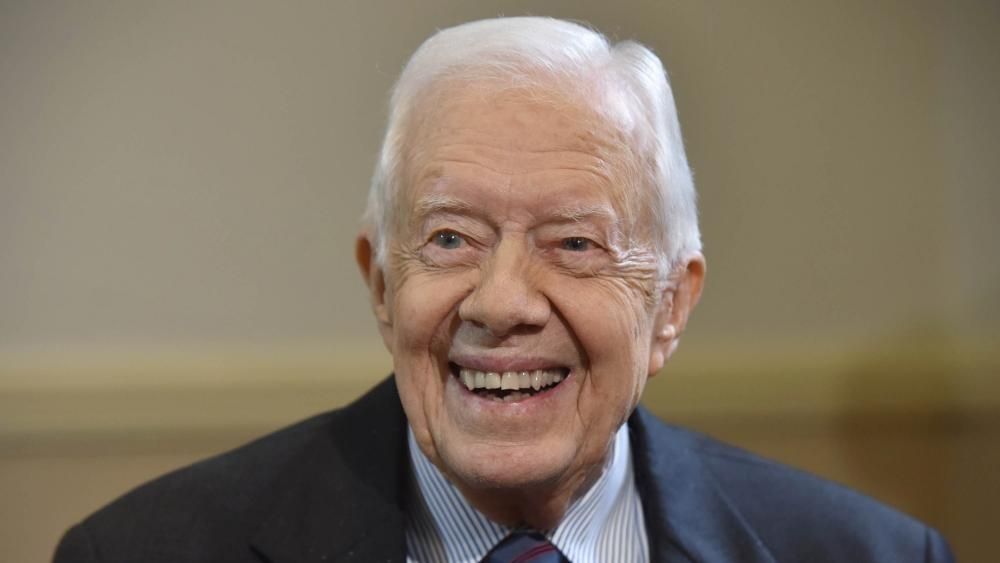
Carter’s post-presidency brand is built on three main pillars: peace and conflict resolution, global health, and the advancement of democracy. In conflict resolution, he has undertaken numerous delicate diplomatic missions, mediating disputes in Haiti, North Korea, and the Middle East, often stepping in where official government channels faced impasses. These efforts showcased his commitment to peace not as a political strategy, but as a moral imperative, reinforcing his brand as a trusted, impartial arbiter. In global health, The Carter Center’s initiatives, particularly against neglected tropical diseases, have had a monumental impact, positioning Carter as a compassionate leader dedicated to alleviating suffering for the world’s most vulnerable. His personal involvement, often traveling to remote villages, underscored the authenticity of this brand pillar. Finally, his relentless advocacy for democracy through election monitoring missions has solidified his brand as a champion of self-determination and fair governance. Through these consistent and impactful endeavors, Carter has not just maintained his brand but amplified it, demonstrating that true leadership extends far beyond political office. His work, characterized by persistence and a willingness to engage with controversial issues and leaders, solidified his reputation as a fearless and principled advocate.
Legacy and Enduring Brand Perception
Jimmy Carter’s brand stands as a testament to the power of authenticity, consistency, and a profound commitment to personal values, particularly when navigating the complexities of public life and post-office reinvention. His legacy is one of unwavering principle, earning him respect even from those who might have disagreed with his political policies.
Humility and Public Service
A defining characteristic of Carter’s enduring brand is his humility. Throughout his post-presidency, he eschewed the traditional trappings of power, opting instead for a modest lifestyle and continuous hands-on engagement with humanitarian projects. His annual participation in Habitat for Humanity builds, often alongside his wife Rosalynn, became an iconic image, reinforcing his brand as a servant leader genuinely dedicated to improving the lives of others, rather than seeking personal glory. This commitment to active service, well into his nineties, profoundly shaped public perception, transforming initial criticisms of his presidency into widespread admiration for his post-presidential impact. This authentic humility differentiated him sharply from many political figures, allowing his brand to transcend partisan divides and resonate with a broader global audience. His steadfast commitment to teaching Sunday school classes for decades, even during his presidency, further underscored his humble, faith-driven brand identity.
Critical Reception vs. Long-Term Impact
While his single term as president often faced mixed reviews, particularly regarding economic challenges and the Iran hostage crisis, his post-presidential brand has largely redefined his overall legacy. Initially perceived by some as an ineffective president, he meticulously rebuilt his public image through decades of selfless service, demonstrating that a long-term vision for one’s brand can overcome immediate political judgments. The Nobel Peace Prize awarded to him in 2002 explicitly recognized “his decades of untiring effort to find peaceful solutions to international conflicts, to advance democracy and human rights, and to promote economic and social development.” This award, among numerous other accolades, served as a powerful validation of his humanitarian brand, cementing his place in history as a global icon of peace and service. His brand successfully navigated the treacherous waters of public criticism by consistently delivering on a core promise of altruistic global engagement. This journey illustrates that a personal brand is not static but rather a dynamic entity, capable of significant positive evolution through consistent action aligned with deeply held values.
Lessons in Personal Branding from a Unique Trajectory
Jimmy Carter’s life offers invaluable lessons for anyone seeking to build and maintain a strong personal brand, particularly in an era of rapid public scrutiny and ever-changing expectations.
Consistency in Purpose
The cornerstone of Carter’s brand has been his unwavering commitment to his core values. From his insistence on human rights during his presidency to his tireless work at The Carter Center, his purpose has remained consistent. This consistency breeds trust and credibility, essential components of any powerful brand. Even when his decisions were unpopular or met with resistance, his brand messaging and actions consistently reflected his foundational beliefs in peace, human rights, and the dignity of all people. This long-term consistency has allowed his brand to mature and gain profound resonance over time, demonstrating that integrity and principle are ultimately more powerful than ephemeral political trends.
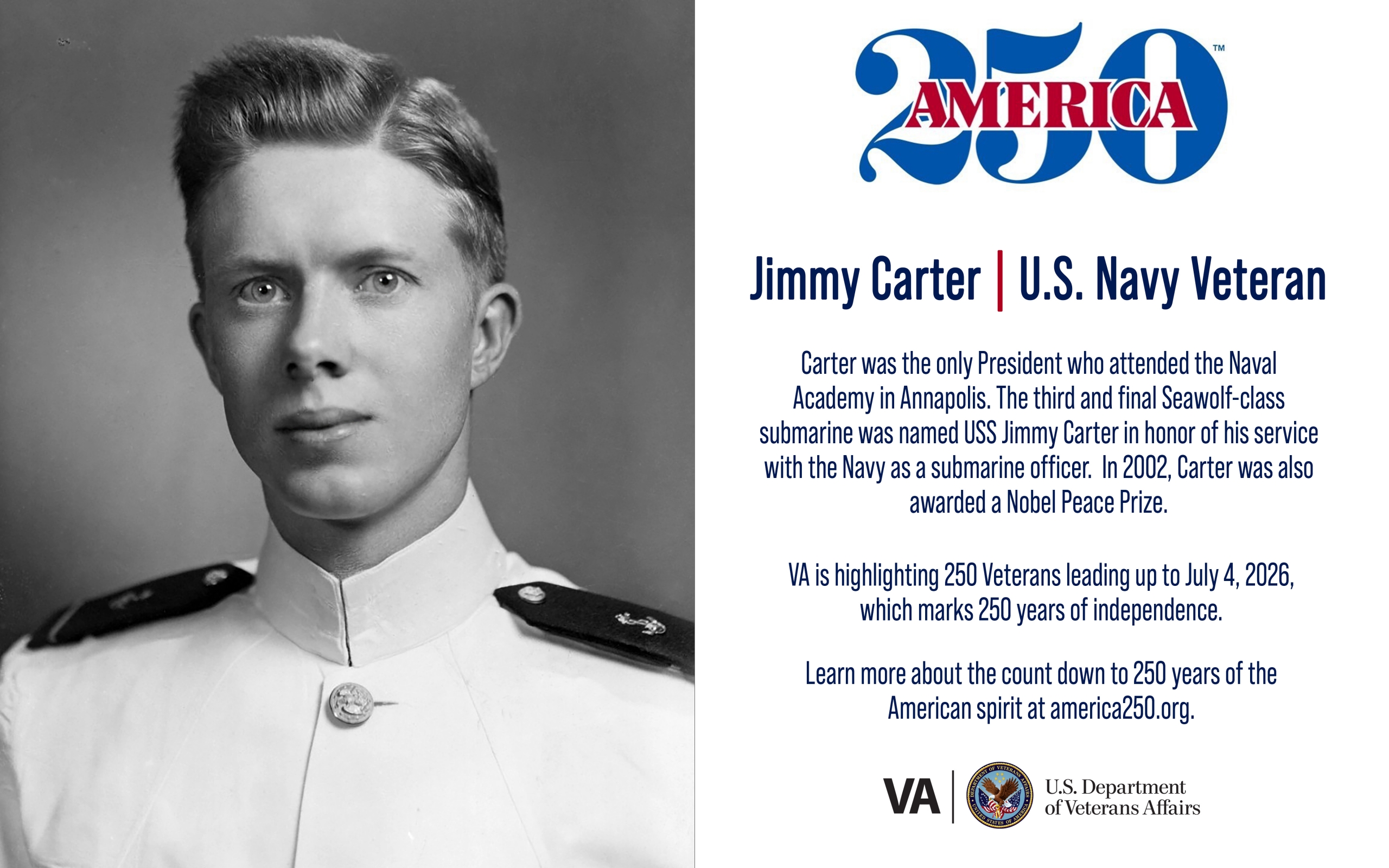
The Power of Post-Office Reinvention
Carter’s post-presidency provides a compelling blueprint for career transition and brand reinvention. Rather than viewing the end of his political career as a conclusion, he saw it as an opportunity to amplify his impact on a global scale. By establishing The Carter Center and dedicating himself to specific humanitarian causes, he not only sustained his relevance but also built an entirely new, even more impactful, facet of his personal brand. This strategic pivot allowed him to leverage his unique experience and status as a former head of state for philanthropic endeavors, demonstrating that one’s most significant contributions, and therefore one’s strongest brand, can emerge in unexpected phases of life. He transformed the narrative around his single term, showing that true legacy is often defined by what one does after the formal power has ended. His example teaches that a strong personal brand is ultimately about a commitment to a larger purpose that transcends any single role or title.
aViewFromTheCave is a participant in the Amazon Services LLC Associates Program, an affiliate advertising program designed to provide a means for sites to earn advertising fees by advertising and linking to Amazon.com. Amazon, the Amazon logo, AmazonSupply, and the AmazonSupply logo are trademarks of Amazon.com, Inc. or its affiliates. As an Amazon Associate we earn affiliate commissions from qualifying purchases.