
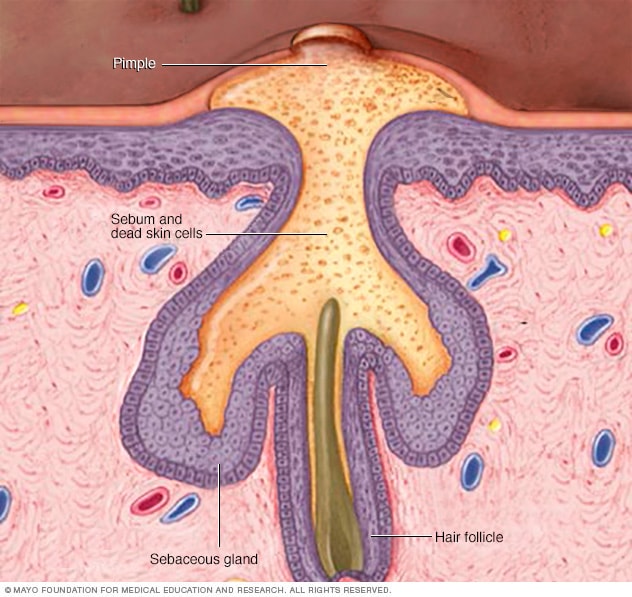
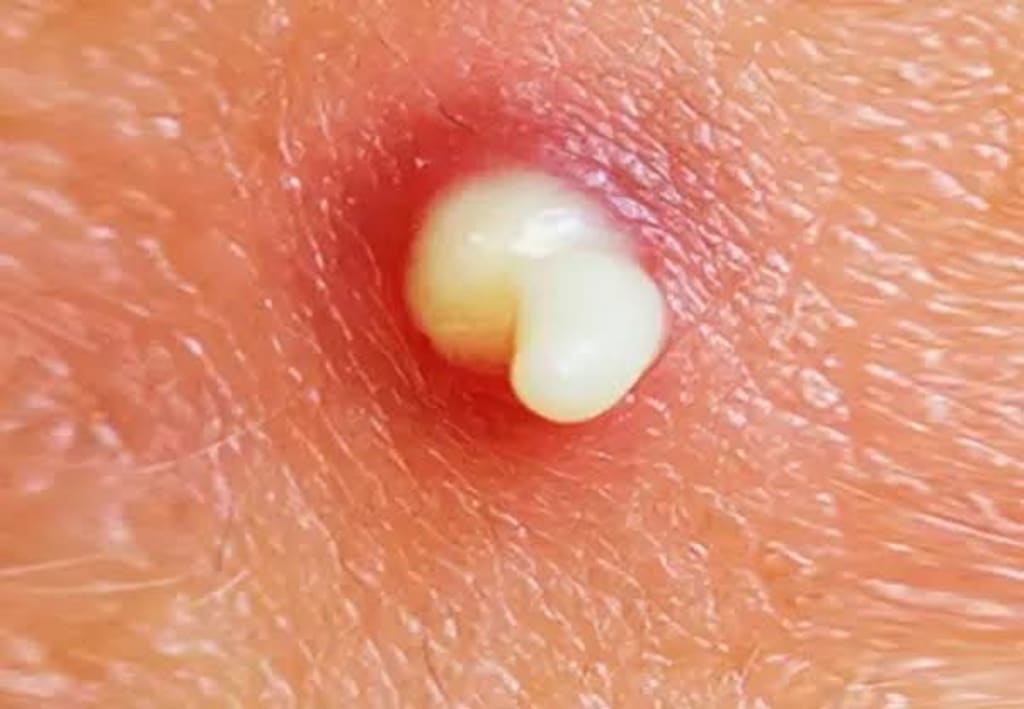
The seemingly simple question “what is inside of a zit” transcends basic biology when viewed through the prism of modern technology. While clinically, a zit (or comedone, papule, pustule) is a localized inflammation involving sebum, bacteria, and dead skin cells within a hair follicle, advanced technological innovations are revolutionizing our ability to not only visualize these internal components with unprecedented clarity but also to predict, prevent, and treat them with remarkable precision. From microscopic imaging to artificial intelligence and targeted drug delivery, technology is stripping away the mystery of skin imperfections, ushering in an era of hyper-personalized dermatological care.

Advanced Imaging and Diagnostics for Subsurface Analysis
Understanding the intricate internal landscape of a zit is fundamental to effective treatment. Traditional methods rely on visual inspection and, occasionally, biopsies. However, cutting-edge imaging and diagnostic technologies now offer non-invasive, high-resolution insights into the subsurface architecture of the skin, revealing the precise composition and progression of follicular blockages.
High-Resolution Imaging Modalities
Innovations in medical imaging have transformed dermatological diagnostics. Optical Coherence Tomography (OCT), for instance, uses light waves to capture cross-sectional images of the skin with micron-level resolution. Unlike conventional microscopy, OCT can visualize the deeper layers of the epidermis and dermis, allowing clinicians to observe the clogged follicle, the accumulation of sebum, and the surrounding inflammatory response in real-time, without any tissue removal. This provides a three-dimensional understanding of the lesion’s internal structure and depth.
Similarly, confocal microscopy, particularly reflectance confocal microscopy (RCM), offers non-invasive, high-resolution imaging of skin cells and structures. By focusing a laser light at specific depths, RCM can generate images that mimic histological sections, allowing for the identification of inflammatory cells, bacteria, and sebaceous gland activity within the follicular unit. These modalities are crucial for tracking the efficacy of treatments and understanding the true “anatomy” of various skin conditions at a cellular level, moving beyond surface-level observations.
Spectroscopic Techniques for Molecular Insight
Beyond structural imaging, spectroscopic techniques delve into the molecular composition of what lies beneath the skin’s surface. Raman spectroscopy, for example, analyzes the inelastic scattering of light to provide a unique chemical fingerprint of biological molecules. When applied to skin, it can non-invasively identify the presence and concentration of various lipids, proteins, and even bacteria within the pilosebaceous unit. This allows researchers to distinguish between healthy sebum and oxidized lipids contributing to comedone formation, or to identify specific bacterial strains like Cutibacterium acnes (formerly Propionibacterium acnes) deep within the follicle.
Fourier Transform Infrared (FTIR) spectroscopy offers similar capabilities, analyzing molecular vibrations to reveal chemical bonds and functional groups. Both Raman and FTIR spectroscopy are powerful tools for characterizing the biochemical environment inside a developing zit, offering insights into the metabolic processes and inflammatory cascades at play. These techniques are moving from research labs into clinical tools, promising a future where dermatologists can chemically profile skin lesions without invasive procedures, leading to more targeted and personalized therapeutic approaches.
AI and Machine Learning in Dermatological Understanding
The sheer volume of data generated by advanced imaging and diagnostic tools necessitates sophisticated analytical capabilities. Artificial intelligence (AI) and machine learning (ML) are emerging as transformative forces in dermatology, enabling more accurate diagnoses, predictive modeling, and personalized treatment strategies. These technologies help us interpret the vast complexities of “what’s inside” a zit, not just visually but systemically.
Predictive Analytics for Outbreak Forecasting
One of the most exciting applications of AI is its ability to predict acne outbreaks before they become clinically apparent. ML algorithms can analyze multifactorial datasets including individual patient history, genetic predispositions, environmental factors (e.g., humidity, pollution), hormonal fluctuations, and even dietary habits. By identifying complex patterns and correlations that are imperceptible to the human eye, AI can forecast an individual’s propensity for developing new lesions. This allows for proactive intervention, modifying skincare routines or lifestyle choices to prevent the internal formation of a zit rather than reacting to its appearance. Such predictive models are currently in various stages of development, from research prototypes to integrated features in smart skincare apps, offering a truly preventative approach to skin health.
Automated Lesion Detection and Classification
AI-powered image analysis tools are rapidly improving the speed and accuracy of dermatological diagnostics. Using deep learning techniques, neural networks are trained on vast databases of skin images, learning to identify and classify different types of acne lesions with remarkable precision. These systems can differentiate between open and closed comedones, papules, pustules, nodules, and cysts, often outperforming human experts in consistency and speed. By automatically quantifying the number and severity of lesions, AI assists dermatologists in objectively assessing disease severity, monitoring treatment response, and making more informed decisions about therapeutic adjustments. This not only enhances diagnostic efficiency but also helps standardize evaluation, ensuring more consistent care across different clinics and practitioners.
Personalized Treatment Regimen Generators
Moving beyond diagnosis, AI is also instrumental in crafting highly personalized treatment plans. By integrating a patient’s diagnostic data (from advanced imaging and spectroscopy), genetic information, lifestyle details, and even their responses to previous treatments, AI algorithms can recommend tailored skincare regimens. These systems can suggest specific active ingredients, delivery methods, and product combinations that are most likely to be effective for an individual’s unique skin profile and the specific type of internal follicular blockage they present. This represents a significant shift from generalized protocols to precision medicine in dermatology, optimizing the management of “what’s inside” each unique zit and promoting better patient outcomes.
Nanotechnology and Targeted Delivery Systems in Acne Therapy
Once the internal components of a zit are understood and characterized, the challenge shifts to effectively delivering therapeutic agents to precisely where they are needed. Nanotechnology and advanced drug delivery systems are addressing this challenge by enabling highly targeted and efficient treatment.
Precision Drug Delivery
Traditional topical acne medications often suffer from poor penetration into the pilosebaceous unit, where the problem originates, and can cause irritation to surrounding healthy skin. Nanotechnology offers a solution through precision drug delivery systems. Microscopic particles, such as liposomes, polymeric nanoparticles, and solid lipid nanoparticles, are engineered to encapsulate active pharmaceutical ingredients (APIs) like retinoids, antibiotics, or anti-inflammatory agents. These nanoparticles can be designed to specifically target the hair follicle, penetrating deeper into the skin and releasing their payload directly at the site of inflammation and bacterial proliferation. This localized delivery maximizes therapeutic efficacy while minimizing systemic absorption and reducing side effects on healthy skin, thus more effectively addressing “what’s inside” the zit.
Bio-Responsive Materials
Further enhancing precision, bio-responsive materials are at the forefront of smart drug delivery. These innovative materials are designed to release their therapeutic cargo only in response to specific biological cues present within the inflammatory environment of a zit. For example, nanoparticles can be engineered to release drugs when exposed to the acidic pH typically found in inflamed tissues or in response to specific enzymes overexpressed during an inflammatory cascade. This ensures that the medication is activated and delivered exactly when and where it is most needed, providing a “smart” approach to treatment that adapts to the internal conditions of the lesion. Such targeted and intelligent delivery systems represent a significant leap forward in improving patient compliance and treatment success rates by enhancing the safety and effectiveness of acne therapies.
Wearable Technology and Digital Health for Proactive Skin Management
The continuous monitoring of skin health outside of a clinical setting is becoming a reality thanks to wearable technology and integrated digital health platforms. These tools empower individuals and clinicians with real-time data, allowing for proactive intervention and personalized care that extends beyond episodic clinic visits.
Smart Skin Sensors
Wearable devices equipped with smart skin sensors are emerging as crucial tools for understanding and managing skin health. These sensors can monitor various skin parameters such as hydration levels, sebum production (oiliness), pH, and even subtle changes in skin temperature or micro-inflammation. By continuously collecting this data, these devices can detect early indicators of follicular blockage or inflammation, signaling the nascent stages of a zit before it becomes visibly prominent. Some advanced prototypes even incorporate spectroscopic elements to analyze skin biomarkers in real-time. This real-time, non-invasive monitoring provides invaluable insights into the dynamic internal environment of the skin, enabling users to adjust their skincare routines or seek professional advice much earlier, potentially preventing full-blown outbreaks.
Tele-dermatology and Remote Monitoring
The integration of wearable technology with tele-dermatology platforms creates a powerful ecosystem for remote skin management. Patients can use high-resolution cameras on their smartphones or dedicated smart devices to capture images of their skin and transmit them, along with data from their wearable sensors, to dermatologists. This allows for continuous remote monitoring of skin conditions, tracking the progression of lesions, and assessing treatment efficacy without the need for frequent in-person appointments. Dermatologists can provide timely feedback, adjust treatment plans, and offer personalized recommendations based on objective data and visual evidence. This digital health approach democratizes access to expert dermatological care, making it easier for individuals to receive timely and responsive management for their skin concerns, ensuring that “what’s inside” is managed effectively and conveniently.
The Future Landscape: Integrated Skincare Ecosystems
The trajectory of these technological advancements points towards a future where skincare is not merely reactive but deeply predictive, preventative, and exquisitely personalized.
Converging Technologies
Envision a future where a smart mirror conducts a daily scan of your face using high-resolution OCT or spectroscopic analysis, identifying sub-clinical inflammation or excessive sebum production. This data is then fed into an AI system that, informed by your genetic profile, lifestyle data from wearables, and historical responses to treatments, recommends a precise regimen. This might include a custom-formulated serum delivered by bio-responsive nanoparticles, targeting specific areas. This convergence of advanced imaging, AI diagnostics, personalized nanotherapies, and continuous wearable monitoring will create comprehensive digital health platforms, offering truly integrated and preventative skincare ecosystems.
Ethical Considerations and Data Privacy
As we venture into this hyper-personalized future, critical ethical considerations around data privacy and security become paramount. The collection and analysis of highly sensitive personal health data require robust frameworks to ensure patient trust, prevent misuse, and maintain confidentiality. Establishing clear guidelines for data ownership, consent, and secure data storage will be essential to harness the full potential of these transformative technologies responsibly. The journey to fully understand and manage “what is inside of a zit” through technology is not just a scientific endeavor but also an ethical one, demanding innovation tempered with responsibility.
aViewFromTheCave is a participant in the Amazon Services LLC Associates Program, an affiliate advertising program designed to provide a means for sites to earn advertising fees by advertising and linking to Amazon.com. Amazon, the Amazon logo, AmazonSupply, and the AmazonSupply logo are trademarks of Amazon.com, Inc. or its affiliates. As an Amazon Associate we earn affiliate commissions from qualifying purchases.