
Hyperinsulinemia, a condition characterized by abnormally high levels of insulin in the blood, often precedes and contributes to a cascade of metabolic health issues. While not a disease in itself, it serves as a critical biomarker, signaling that the body is working overtime to maintain blood glucose homeostasis. In an era increasingly shaped by digital health, artificial intelligence, and advanced monitoring devices, understanding hyperinsulinemia through a technological lens is not just pertinent but essential for proactive health management and the development of future interventions. This exploration delves into hyperinsulinemia, its underlying mechanisms, and the transformative role technology plays in its detection, diagnosis, management, and the exciting frontier of personalized metabolic health.

Unpacking Hyperinsulinemia: The Challenge for Modern Health Tech
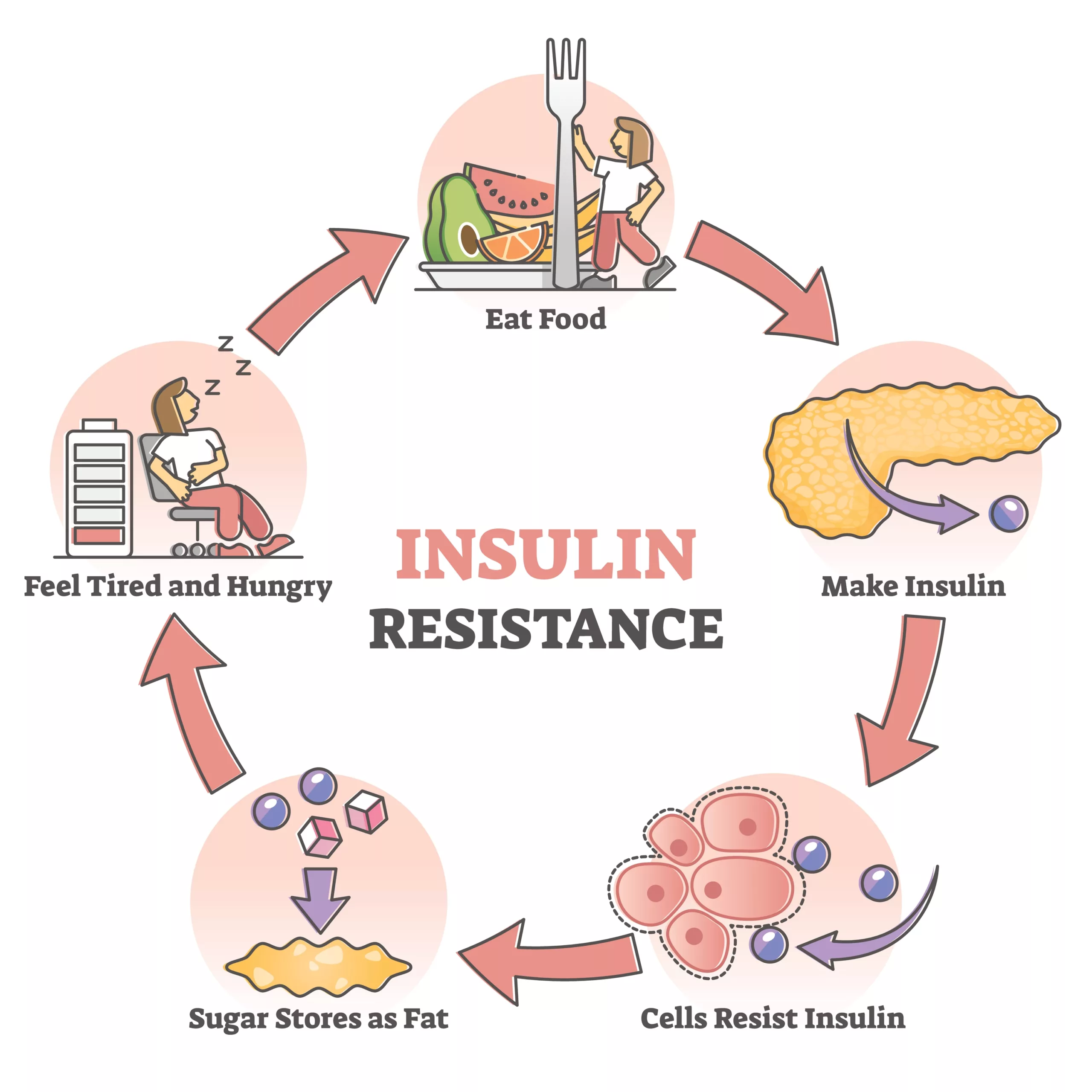
At its core, hyperinsulinemia signifies that the pancreas is producing excessive amounts of insulin relative to the prevailing blood glucose levels. This often stems from insulin resistance, a state where the body’s cells become less responsive to insulin’s signals. To compensate, the pancreas ramps up insulin production, striving to keep blood glucose within a healthy range. While initially effective, this compensatory mechanism can lead to chronically elevated insulin levels, which, over time, can exhaust the pancreatic beta cells and pave the way for more severe conditions like prediabetes and Type 2 Diabetes.
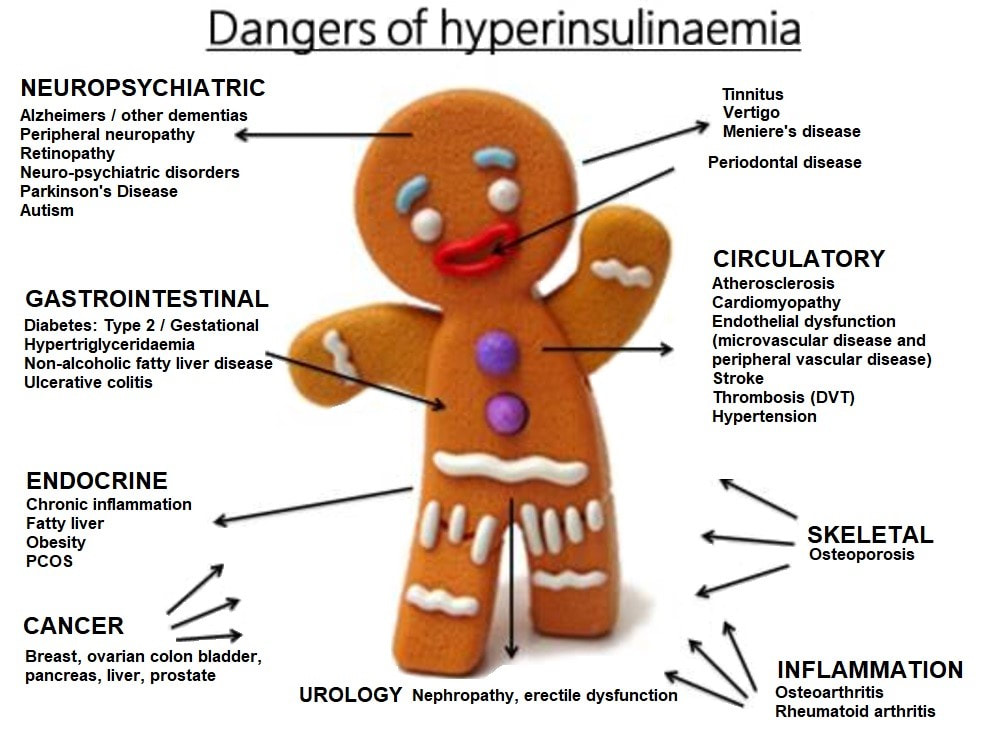
The significance of hyperinsulinemia extends beyond glucose regulation. Chronically high insulin levels are implicated in weight gain, inflammation, hypertension, dyslipidemia (abnormal cholesterol levels), and even certain cancers. It’s a silent, insidious process, often without overt symptoms in its early stages, making it a formidable challenge for traditional diagnostic approaches. This silent progression underscores the urgent need for advanced technological solutions that can detect hyperinsulinemia early, monitor its dynamics, and inform timely interventions. The ability to track and interpret these subtle metabolic shifts is where modern health technology truly shines, transforming hyperinsulinemia from an overlooked precursor into an actionable health indicator.
The Silent Threat: Understanding Insulin Dynamics
Insulin, a crucial hormone, orchestrates how our bodies utilize glucose for energy or store it. After a meal, carbohydrates are broken down into glucose, entering the bloodstream. The pancreas responds by releasing insulin, which acts as a key, unlocking cells to absorb glucose. In insulin resistance, these “locks” become jammed, requiring more “keys” (insulin) to achieve the same effect. This constant overproduction burdens the pancreas and exposes tissues to supraphysiological insulin levels, driving a range of adverse health effects. Understanding these intricate dynamics is the first step towards leveraging technology for effective management.
The Need for Advanced Monitoring
Traditional glucose monitoring, primarily fasting blood glucose and HbA1c tests, provides snapshots of glucose levels but offers limited insight into real-time insulin dynamics or the body’s compensatory insulin response. A significant gap exists in understanding the post-meal insulin surges and chronic basal elevations that characterize hyperinsulinemia. Filling this gap requires continuous, data-rich monitoring capabilities that only advanced health technologies can provide, moving beyond static measurements to dynamic metabolic profiling.
Digital Innovations in Hyperinsulinemia Detection and Diagnosis
The early detection and accurate diagnosis of hyperinsulinemia are paramount for preventing its progression to more serious metabolic diseases. Technology has revolutionized this space, offering tools that provide unprecedented visibility into an individual’s metabolic state.
Real-Time Insights from Continuous Glucose Monitoring
One of the most impactful technological advancements is the widespread adoption of Continuous Glucose Monitors (CGMs). Initially designed for diabetes management, CGMs have become invaluable tools for non-diabetic individuals seeking to optimize metabolic health. By providing real-time glucose readings every few minutes, CGMs allow users and clinicians to observe how diet, exercise, stress, and sleep patterns affect blood sugar. While CGMs don’t directly measure insulin, they offer critical indirect insights into hyperinsulinemia. For instance, consistently high post-meal glucose spikes followed by rapid drops, or prolonged elevated glucose without corresponding insulin therapy, can indicate that the body is struggling to manage glucose, often due to high insulin demand from resistance. Analysis of CGM data can reveal patterns indicative of insulin insensitivity, prompting further investigation into insulin levels and metabolic health markers.
AI-Powered Predictive Analytics
The era of big data and Artificial Intelligence (AI) has brought forth sophisticated tools for risk assessment. AI and machine learning algorithms can analyze vast datasets, including electronic health records (EHRs), genomic information, lifestyle questionnaires, and data from wearables, to identify individuals at high risk for hyperinsulinemia and related metabolic conditions long before symptoms manifest. These algorithms can detect subtle patterns and correlations that are imperceptible to the human eye, creating predictive models that offer personalized risk scores and early warning signals. This proactive approach allows for targeted interventions, potentially reversing the trajectory towards chronic disease.
Streamlining Lab Diagnostics
Beyond personal monitoring, technology has also enhanced traditional lab diagnostics. Automated high-throughput systems now allow for faster and more accurate measurement of insulin, C-peptide (a marker of endogenous insulin production), and glucose, which are then used to calculate insulin resistance indices like HOMA-IR (Homeostatic Model Assessment of Insulin Resistance). Cloud-based lab information systems integrate these results, making them readily accessible to healthcare providers and enabling better tracking of trends over time, crucial for diagnosing and managing hyperinsulinemia effectively.
Tech-Driven Strategies for Management and Reversal
Once hyperinsulinemia is identified, technology offers powerful avenues for personalized management and, in many cases, reversal. The focus shifts from merely diagnosing the problem to empowering individuals with actionable insights and support.
Personalized Digital Therapeutics
Digital Therapeutics (DTx) and sophisticated health apps have emerged as game-changers. These platforms deliver evidence-based interventions directly to the user’s smartphone or device, offering personalized nutrition advice, exercise regimens, and stress management techniques. By integrating data from CGMs, wearables, and user input, these apps can tailor recommendations in real-time, helping individuals make lifestyle choices that reduce insulin demand and improve insulin sensitivity. Gamification elements and behavioral science principles are often embedded to enhance engagement and adherence, fostering sustainable healthy habits.
Behavioral Nudges Through Smart Devices
Smart devices go beyond passive monitoring to provide active biofeedback and behavioral nudges. For example, smart scales can track weight and body composition changes, while smartwatches can monitor activity levels, sleep quality, and heart rate variability—all factors influencing metabolic health. Integrated apps can then provide timely reminders to move, suggest healthier food choices based on historical CGM data, or prompt stress-reducing exercises. This immediate feedback loop helps individuals connect their actions directly to their metabolic responses, facilitating more informed and healthier decisions aimed at reducing hyperinsulinemia.
Accessible Expert Guidance via Telehealth
Telemedicine and remote coaching platforms have democratized access to metabolic health specialists, dieticians, and health coaches. For individuals with hyperinsulinemia, sustained support and expert guidance are crucial. Telehealth bridges geographical barriers, allowing patients to consult with specialists, receive personalized coaching, and participate in structured programs from the comfort of their homes. These platforms often leverage secure messaging, video consultations, and shared data dashboards to ensure continuous care and accountability, which are vital for long-term lifestyle modifications.
The Future Horizon: AI, Genomics, and the Era of Predictive Metabolic Health
The future of managing hyperinsulinemia is poised for even more groundbreaking advancements, with AI and genomics at the forefront, paving the way for truly personalized and predictive metabolic health.
Integrating Multi-Omics Data
Future technologies will increasingly integrate multi-omics data—combining genomics (your DNA), proteomics (your proteins), metabolomics (your metabolites), and microbiomics (your gut bacteria) with clinical and lifestyle data. AI algorithms will be essential for processing and interpreting this vast, complex information to create a comprehensive “digital twin” of an individual’s metabolic system. This will allow for an unparalleled understanding of hyperinsulinemia’s root causes in each person, enabling highly precise, individualized prevention and treatment strategies tailored down to the molecular level.
Advanced Wearables and Non-Invasive Sensors
The next generation of wearables will move beyond glucose monitoring to incorporate an even broader array of non-invasive sensors. Imagine devices capable of continuously measuring key metabolic markers like ketone levels, lactate, amino acids, and even specific hormones directly from sweat or interstitial fluid. These sensors, coupled with AI analytics, will offer an even more granular, real-time picture of metabolic health, allowing for immediate adjustments to diet, activity, and medication, long before imbalances become significant.
Digital Twins for Personalized Treatment Simulation
The concept of a “digital twin”—a virtual replica of an individual’s biology—holds immense promise. AI-powered digital twins could simulate the effects of different dietary interventions, exercise regimens, or even specific medications on an individual’s metabolic pathways. This would allow clinicians and patients to virtually “test drive” various treatment options, predicting their efficacy and potential side effects with high accuracy before they are applied in the real world. This capability would revolutionize personalized medicine for hyperinsulinemia, making interventions incredibly precise and efficient, steering us towards a truly proactive and preventative healthcare model.
In conclusion, hyperinsulinemia, while a significant metabolic challenge, is increasingly manageable and even reversible thanks to the rapid evolution of health technology. From real-time monitoring and AI-driven insights to personalized digital therapeutics and the promise of genomic medicine, technology is empowering individuals and clinicians to gain unprecedented control over metabolic health, transforming “what is hyperinsulinemia” into “how we conquer hyperinsulinemia.”
aViewFromTheCave is a participant in the Amazon Services LLC Associates Program, an affiliate advertising program designed to provide a means for sites to earn advertising fees by advertising and linking to Amazon.com. Amazon, the Amazon logo, AmazonSupply, and the AmazonSupply logo are trademarks of Amazon.com, Inc. or its affiliates. As an Amazon Associate we earn affiliate commissions from qualifying purchases.