
Haleem stands as a testament to culinary heritage, a rich and complex dish that transcends mere sustenance to embody cultural identity, communal celebration, and artisanal dedication. More than just a stew, haleem is a product of meticulous preparation, deep-rooted traditions, and a distinct sensory experience that collectively forge its unique ‘brand’ in the global culinary landscape. Understanding haleem from a branding perspective involves dissecting its core elements, recognizing its cultural resonance, analyzing its market positioning, and exploring how its identity is maintained and evolved.
The Culinary Identity: Deconstructing Haleem’s Core Brand Elements
At the heart of haleem’s brand is its unparalleled culinary identity, defined by a specific amalgamation of ingredients, a laborious preparation process, and an unmistakable flavor profile. These elements are not merely components of a dish; they are the fundamental pillars upon which its reputation and distinction are built.

Ingredients as Brand Pillars
The foundational ingredients of haleem are themselves critical brand markers. A typical haleem base consists of broken wheat, barley, and various lentils (such as chana dal, masoor dal, and urad dal), often soaked overnight. These grains and legumes are chosen for their ability to break down and blend into a smooth, thick consistency, contributing to haleem’s signature texture. Paired with these are generous quantities of meat – traditionally beef or mutton, though chicken variations exist. The quality and type of meat significantly influence the final taste and richness, acting as a premium brand differentiator. The careful selection of these primary ingredients speaks to the dish’s commitment to richness and wholesome sustenance, conveying a brand promise of nourishment and deep flavor.
Preparation as a Brand Promise
Perhaps the most defining characteristic of haleem, and a significant aspect of its brand, is its preparation method. Haleem is not a dish to be rushed; it is a slow-cooked masterpiece, often simmered for 7 to 8 hours, sometimes even longer. This extended cooking time allows the grains, lentils, and meat to meld together, breaking down into a homogenous, paste-like consistency. The process often involves continuous stirring with a wooden masher (ghotni) to achieve the desired smooth, gluey texture, devoid of individual grain or meat fiber recognition. This labor-intensive technique is a brand promise of dedication, tradition, and uncompromising quality. It distinguishes haleem from faster-cooked stews, positioning it as an artisanal product, a labor of love that delivers a uniquely satisfying mouthfeel and depth of flavor that cannot be replicated through shortcuts.
Flavor Profile: A Signature Experience
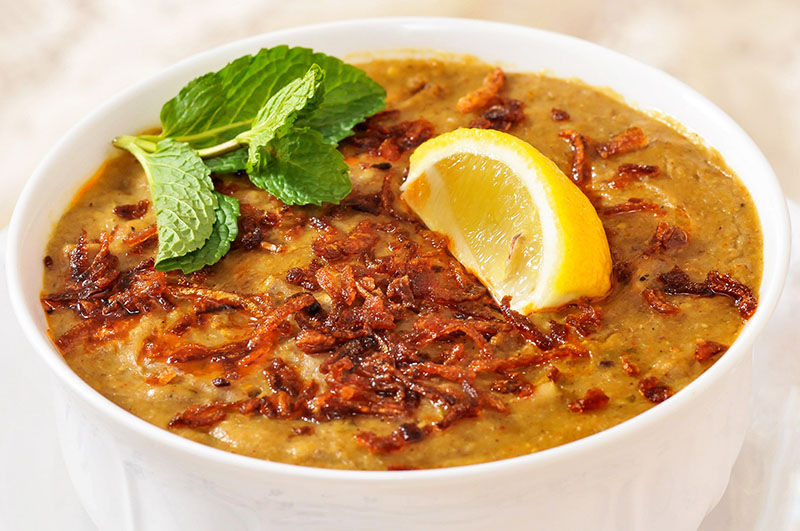
The flavor profile of haleem is complex and deeply aromatic, a signature experience that is immediately recognizable. It’s a delicate balance of savory meatiness, the earthy tones of grains and lentils, and a warming blend of spices. Cumin, coriander, cardamom, cinnamon, cloves, and black pepper are commonly used, often freshly ground, infusing the dish with layers of warmth and subtle pungency. Crucially, haleem is typically served with an array of garnishes that elevate its flavor and presentation: crispy fried onions (birista), fresh mint and coriander leaves, thinly sliced ginger, green chilies, and a squeeze of lime or lemon. A drizzle of ghee or clarified butter is also common, adding a final touch of richness. This intricate combination of flavors and textures, enhanced by the customizable garnishes, creates a memorable sensory experience, solidifying haleem’s unique place as a distinct culinary brand that appeals to both the palate and the eye.
Cultural Resonance: Haleem as a Heritage Brand
Beyond its ingredients and preparation, haleem’s enduring brand strength lies in its profound cultural resonance. It is not merely food; it is a heritage product, steeped in history and deeply embedded in social and religious traditions. This cultural connection imbues haleem with an authenticity and emotional appeal that marketing alone cannot replicate.
Historical Roots and Evolution
Haleem’s origins are believed to trace back to Harisa, an ancient Arabian dish mentioned in cookbooks as early as the 10th century. Through trade routes and cultural exchange, particularly with the arrival of Mughals and Persian influences in the Indian subcontinent, Harisa evolved into the haleem we recognize today. Its journey across empires and continents, adapting to local palates and available ingredients, showcases its adaptability while retaining a core identity. The historical narrative positions haleem as a dish with a rich lineage, a culinary artifact that has stood the test of time, adding layers of authenticity and gravitas to its brand. The story of its evolution from a simple soldier’s meal to a regal delicacy further enhances its mystique and appeal.
Festival & Celebration Staple
In many cultures, haleem is synonymous with celebration, particularly during the holy month of Ramadan. It becomes a quintessential dish for Iftar, the evening meal that breaks the daily fast, providing sustained energy and comfort. Its communal nature, often prepared in large batches for sharing among family, friends, and neighbors, reinforces its brand as a symbol of unity, generosity, and festivity. Beyond Ramadan, haleem is also a popular feature at weddings, family gatherings, and other special occasions, particularly in Hyderabad, India, where “Hyderabadi Haleem” holds a coveted Geographical Indication (GI) tag, akin to a brand trademark for its specific origin and quality. This association with significant life events and shared experiences amplifies its emotional connection with consumers, making it more than just food, but a cherished ritual.
Regional Variations and Authenticity
While a core identity exists, haleem boasts several regional variations, each adding a unique dimension to its overall brand. Hyderabadi Haleem, renowned for its rich, spicy, and often ghee-laden profile, is perhaps the most famous, asserting a distinct regional brand identity. Lucknowi Haleem might be milder and more aromatic, while versions in Karachi, Pakistan, might emphasize different spice blends or meat cuts. These regional differences, far from diluting the brand, actually strengthen it by demonstrating its versatility and the deep culinary traditions it inspires. Each variation represents an authentic interpretation, catering to specific local tastes while adhering to the fundamental principles of haleem preparation. This reinforces the idea that true authenticity can manifest in diverse forms, adding depth and breadth to the haleem ‘umbrella brand’.
Market Positioning and Consumer Perception: Crafting the Haleem Experience

How haleem is perceived and positioned in the market is crucial for its brand success. Its artisanal nature, coupled with its cultural significance, allows it to occupy a distinct niche, offering an experience that transcends typical dining.
Niche vs. Mainstream Appeal
Haleem typically occupies a niche market, often sought out by those familiar with its cultural context or adventurous foodies seeking authentic culinary experiences. It’s rarely a mainstream fast-food item due to its labor-intensive preparation. This niche positioning is a strategic advantage, allowing it to command a premium as a specialty item. Restaurants or home-based businesses that specialize in haleem can leverage this, focusing on its authentic appeal and the unique experience it offers. However, during specific festive seasons like Ramadan, its appeal broadens significantly, temporarily shifting it towards a more mainstream, yet still seasonal, demand. This dual positioning—niche delicacy and seasonal staple—highlights its adaptable brand appeal.
The “Artisan” Appeal
The intensive, slow-cooking process imbues haleem with a strong “artisan” appeal. Consumers are increasingly drawn to products that emphasize craftsmanship, tradition, and natural ingredients. Haleem perfectly fits this demand. The story of its long preparation, the hand-mashing, and the traditional techniques employed resonate with a desire for authenticity and high-quality, non-mass-produced food. This artisan positioning justifies its price point and fosters a perception of superior quality and inherent value, aligning with premium brand strategies.
Building a Brand Narrative
For any culinary brand, storytelling is key. Haleem’s rich history, its connection to religious observances, and the sheer effort involved in its creation provide a powerful narrative. Businesses selling haleem can effectively use this narrative to connect with consumers on an emotional level. Sharing the origins of the recipe, the family traditions behind its preparation, or the cultural significance of the dish enhances the customer’s appreciation and fosters loyalty. This narrative approach transforms haleem from a mere dish into a cultural artifact with a story worth experiencing and sharing.
The Role of Presentation and Service
The presentation of haleem, though seemingly simple, plays a crucial role in its brand experience. The array of vibrant garnishes—crispy fried onions, fresh herbs, ginger, and lime—not only enhance flavor but also provide a visual feast. The act of customizing one’s haleem with these toppings becomes part of the dining ritual, adding a personal touch to the experience. For restaurants, the serving vessel, the ambiance, and the overall customer service contribute significantly to the perceived brand value. A professionally presented and served haleem reinforces its status as a premium, well-crafted dish, elevating the entire culinary encounter.
Future-Proofing the Haleem Brand: Innovation and Adaptation
To sustain and grow, even heritage brands like haleem must consider innovation and adaptation while preserving their core identity. The future of the haleem brand lies in balancing tradition with evolving consumer demands and market trends.
Modern Interpretations and Fusion Cuisine
Innovation within the haleem space can involve modern interpretations that retain its essence while appealing to new palates. Fusion cuisine offers avenues for experimentation, such as haleem-filled pastries, haleem sliders, or even deconstructed haleem bowls that separate components for a different textural experience. While purists might initially balk, carefully executed modern interpretations can introduce haleem to a broader audience, expanding its market reach and evolving its brand without compromising its fundamental character. The key is to innovate respectfully, acknowledging the dish’s roots.
Accessibility and Convenience
In an increasingly fast-paced world, convenience is a significant factor. Developing high-quality, ready-to-eat, or frozen haleem options that maintain its authentic taste and texture presents a challenge but also a significant opportunity. Products that can offer the rich experience of haleem with reduced preparation time can appeal to busy consumers, expanding the brand into everyday consumption rather than just special occasions. This involves meticulous research and development to ensure shelf stability without artificial additives that could dilute its “artisan” appeal.
Digital Presence and Culinary Influencers
In the digital age, a strong online presence is vital for any brand. Food bloggers, social media influencers, and online food communities play a massive role in shaping culinary trends and perceptions. Collaborating with these figures, showcasing the meticulous preparation process through engaging videos, and highlighting the cultural stories behind haleem can significantly boost its visibility and appeal, especially among younger demographics. User-generated content, such as shared dining experiences, further amplifies its organic reach and strengthens its community aspect.
Quality Control and Consistency as Brand Imperatives
As haleem gains wider recognition, maintaining rigorous quality control and consistency across different outlets and products becomes paramount. A single subpar experience can tarnish a brand’s reputation. Establishing clear standards for ingredients, preparation techniques, and flavor profiles is essential, especially for businesses looking to scale. Whether it’s a small local vendor or a larger restaurant chain, the promise of an authentic, high-quality haleem experience must be consistently delivered to build trust and foster lasting brand loyalty. This unwavering commitment to excellence is what will ensure haleem’s enduring legacy as a cherished culinary brand.
aViewFromTheCave is a participant in the Amazon Services LLC Associates Program, an affiliate advertising program designed to provide a means for sites to earn advertising fees by advertising and linking to Amazon.com. Amazon, the Amazon logo, AmazonSupply, and the AmazonSupply logo are trademarks of Amazon.com, Inc. or its affiliates. As an Amazon Associate we earn affiliate commissions from qualifying purchases.