
Freddy Krueger is more than just a character; he is a meticulously crafted, enduring brand within the horror genre and popular culture at large. His identity, visual iconography, narrative consistency, and sustained market presence have solidified his status as a legendary figure, demonstrating powerful principles of brand creation, management, and longevity. To understand “what is Freddy Krueger” is to deconstruct a masterclass in establishing an unforgettable brand persona that transcends its fictional origins.
The Genesis of a Nightmare Brand: Crafting an Enduring Persona
The inception of Freddy Krueger in Wes Craven’s 1984 film, A Nightmare on Elm Street, laid the groundwork for a brand unlike any other in horror. Unlike silent, masked killers, Freddy possessed a distinct personality, a macabre sense of humor, and a unique modus operandi, which were all critical in forging his brand identity.

From Concept to Icon: The Unconventional Villain
Craven’s vision for Freddy diverged sharply from the prevailing slasher villains of the era. He wasn’t a hulking brute or a stoic presence; he was a talkative, sadistic child molester turned dream demon who preyed on teenagers in their sleep. This departure was a deliberate strategic choice that immediately differentiated the Freddy Krueger “brand.” His origin story, rooted in vigilante justice gone wrong, imbued him with a dark mythology that resonated deeply with audiences, providing a compelling narrative backbone for his brand. This backstory gave him layers beyond simple villainy, tapping into primal fears and societal anxieties. The concept itself—a killer who attacks you where you are most vulnerable, in your dreams—is a powerful “unique selling proposition” that instantly captured attention and imagination.
Defining the Brand Attributes: Fear, Humour, and Reality Blurring
The core attributes that define the Freddy Krueger brand are a potent mix of terror, dark humor, and surrealism. His power to manipulate dreams allowed for visually inventive and psychologically disturbing sequences, pushing the boundaries of what horror could be. This surreal element became a signature “brand aesthetic,” setting A Nightmare on Elm Street apart from its contemporaries.
- Fear: The primary emotion evoked by the Freddy Krueger brand is existential dread. The inability to escape him, even in sleep, taps into a universal human vulnerability, making his threat deeply personal and inescapable. This constant, pervasive threat is a cornerstone of his brand appeal.
- Humor: Paradoxically, Freddy’s sardonic wit and one-liners became a defining brand attribute. This gallows humor provided moments of unsettling levity, making him more engaging and memorable than silent antagonists. It allowed audiences to form a strange, unsettling connection with the villain, enhancing his cult status.
- Reality Blurring: The unique ability to transcend the dream world into reality was a brand innovation. This blurred line between consciousness and unconsciousness amplified the psychological horror and made his actions unpredictable, constantly keeping the audience on edge and solidifying the franchise’s distinct narrative voice.
These attributes combined to create a multi-faceted brand personality that was complex, terrifying, and oddly charismatic, ensuring his cultural imprint was far more significant than a mere one-dimensional monster.
The Anatomy of a Cultural Phenomenon: Building Brand Equity
Freddy Krueger’s transformation from a film character to a global cultural phenomenon illustrates effective strategies for building strong brand equity. This equity stems from his instantly recognizable visual identity, compelling narrative, and strategic expansion into a franchise.
Narrative Power and Audience Engagement: The Story as a Brand Vehicle
The strength of the Freddy Krueger brand lies heavily in its narrative. The ongoing saga of Elm Street, the recurring characters, and the continuous exploration of dream logic created a cohesive universe that fostered deep audience engagement. Each installment, while varying in quality, contributed to the overarching mythology, deepening the brand’s lore. The narrative was not just about the kills; it was about the characters’ struggle, the mystery of Freddy’s past, and the psychological impact of his presence. This rich storytelling provided endless material for discussion, fan theories, and continued interest, much like a successful product line with evolving features and benefits.
Visual Identity and Signature Motifs: The Iconography of Fear
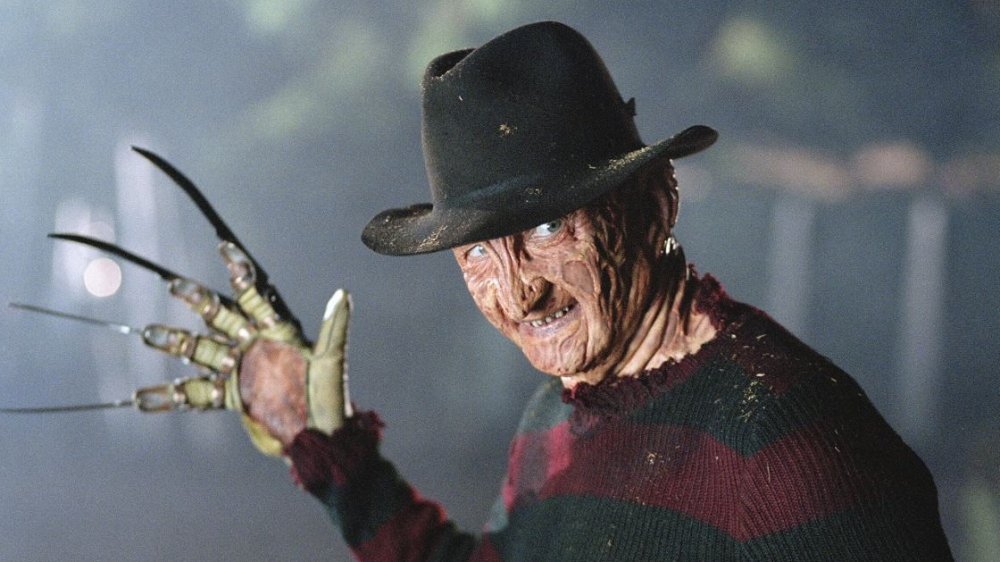
Perhaps the most potent element of the Freddy Krueger brand is his distinctive visual identity. Every aspect of his appearance contributes to an instantly recognizable “logo” of terror:
- The Striped Sweater: His red and green striped sweater, inspired by colors difficult for the eye to process, is a powerful and unique visual marker. It’s an iconic piece of “brand apparel.”
- The Fedora Hat: The worn fedora adds an old-school, predatory charm, completing his signature silhouette.
- The Razor Glove: The custom-made glove with sharpened blades on the fingertips is his ultimate brand differentiator and weapon. It’s a terrifying, yet practical, extension of his malice and the most defining “product feature” of the Freddy Krueger brand.
- Burned Face: The grotesque, scarred visage serves as a constant reminder of his fiery demise and his vengeful spirit, a visual metaphor for his “brand story” and origin.
These elements are so intrinsically linked to Freddy that even a partial glimpse can instantly evoke the full brand identity. This consistent visual language is a hallmark of strong branding.
The Power of Recurring IP: Franchise Building and Brand Extension
The decision to develop A Nightmare on Elm Street into a multi-film franchise was crucial for brand equity. Each subsequent film (there were nine in the original series, including Freddy vs. Jason, and a reboot) served as a “product launch,” expanding the brand’s reach and reinforcing its core identity. This recurring intellectual property allowed for continuous revenue streams and kept Freddy relevant for new generations of horror fans. The franchise’s ability to maintain a relatively consistent tone and core premise across multiple entries speaks to effective brand management, ensuring the brand didn’t become diluted or unrecognizable.
Marketing the Man of Our Dreams (and Nightmares): Expanding the Brand Universe
The Freddy Krueger brand has successfully navigated various media and merchandising avenues, demonstrating savvy marketing strategies that extend far beyond the silver screen.
Merchandise and Licensing: Expanding the Brand Universe
The commercial success of the Freddy Krueger brand is evident in its extensive merchandising and licensing. From action figures and masks to clothing and comic books, the character’s image has been licensed for a vast array of products. This strategy transforms the character from a passive viewing experience into tangible consumer goods, allowing fans to “own” a piece of the brand. Each licensed product serves as an additional touchpoint, reinforcing brand loyalty and keeping Freddy in the public consciousness, generating significant ancillary revenue streams for the rights holders. This widespread availability of branded merchandise is a testament to the brand’s appeal and marketability.
Cross-Media Adaptation: Video Games, Comics, Television
Beyond films and merchandise, Freddy Krueger has successfully adapted to other media, further solidifying his brand presence. Video games like A Nightmare on Elm Street for the NES and his appearance as a DLC character in Mortal Kombat introduced him to new audiences and interactive experiences. Comic books delved deeper into his lore, and the television anthology series Freddy’s Nightmares further explored the character and his impact on Springwood. These adaptations demonstrate a strategic approach to brand extension, ensuring that Freddy’s narrative and image are accessible across diverse platforms, much like a modern multi-platform tech brand.
Sustaining Relevance: Reboots, Retellings, and Homages
The longevity of the Freddy Krueger brand is a testament to its ability to adapt and remain relevant. Reboots, such as the 2010 film, are attempts to introduce the brand to new generations while leveraging existing brand recognition. While not always critically successful, they indicate the enduring market demand for the character. Furthermore, Freddy’s consistent appearance in pop culture through homages, parodies, and references in other media continually refreshes his brand without requiring new official content. This organic cultural presence ensures the brand remains alive and vibrant, a benchmark for lasting cultural impact.
Personal Branding in the Realm of Fiction: The Embodiment of an Icon
Even fictional characters have elements of personal branding, and Freddy Krueger’s success is deeply intertwined with the performer who brought him to life.
The Actor’s Contribution: Robert Englund’s Embodiment
Robert Englund’s portrayal of Freddy Krueger is a cornerstone of the brand’s success. Englund imbued Freddy with a specific vocal cadence, body language, and menacing theatricality that became inseparable from the character. He wasn’t just wearing a costume; he was Freddy Krueger. This symbiotic relationship between actor and character is a crucial aspect of the brand’s “personal identity.” Englund’s consistent performance across multiple films provided a stable and recognizable “face” for the brand, much like a consistent CEO or spokesperson for a corporate entity. His ability to deliver the character’s dark humor and genuine menace solidified Freddy’s unique appeal.
Audience Perception and Cult Status: The Brand Community
The Freddy Krueger brand has cultivated a dedicated cult following. This “brand community” actively engages with the character through fan art, cosplay, conventions, and online discussions. Audience perception of Freddy ranges from terrifying villain to an anti-hero figure, admired for his creativity and dark charisma. This diverse and passionate audience engagement is a strong indicator of brand strength, demonstrating a deep emotional connection that goes beyond simple entertainment. The brand’s ability to generate such a fervent following is a testament to its carefully constructed identity and the narrative’s enduring appeal.
The Enduring Legacy of an Anti-Brand: Lessons for Longevity
Freddy Krueger stands as a monumental case study in branding within entertainment. His journey from a terrifying concept to a universally recognized icon offers valuable lessons.
Impact on the Horror Genre and Pop Culture
The Freddy Krueger brand fundamentally altered the landscape of the horror genre, proving that villains could be complex, articulate, and even darkly humorous. He spawned countless imitators and set new standards for character development in horror. Beyond genre, his image and catchphrases have permeated global pop culture, becoming shorthand for nightmares, fear, and surreal terror. This widespread cultural penetration signifies an exceptionally successful brand.

Lessons for Brand Longevity: Innovation and Consistency
The enduring appeal of the Freddy Krueger brand highlights key principles for brand longevity:
- Innovation: Breaking away from established tropes (silent killer) with a unique concept (dream demon) was crucial for initial impact.
- Consistency: Maintaining a core visual identity and character personality across various media and sequels ensured brand recognition and coherence.
- Adaptability: Expanding into merchandising, games, and television allowed the brand to reach new audiences and remain relevant over decades.
- Emotional Connection: Tapping into universal fears and offering a character with a distinct personality fostered a deep, lasting connection with the audience.
In essence, “what is Freddy Krueger” is a masterclass in brand building: a nightmare made tangible, with a distinct personality, compelling narrative, unforgettable visual identity, and strategic multi-platform presence, ensuring his status as an immortal icon in the pantheon of cultural brands.
aViewFromTheCave is a participant in the Amazon Services LLC Associates Program, an affiliate advertising program designed to provide a means for sites to earn advertising fees by advertising and linking to Amazon.com. Amazon, the Amazon logo, AmazonSupply, and the AmazonSupply logo are trademarks of Amazon.com, Inc. or its affiliates. As an Amazon Associate we earn affiliate commissions from qualifying purchases.