
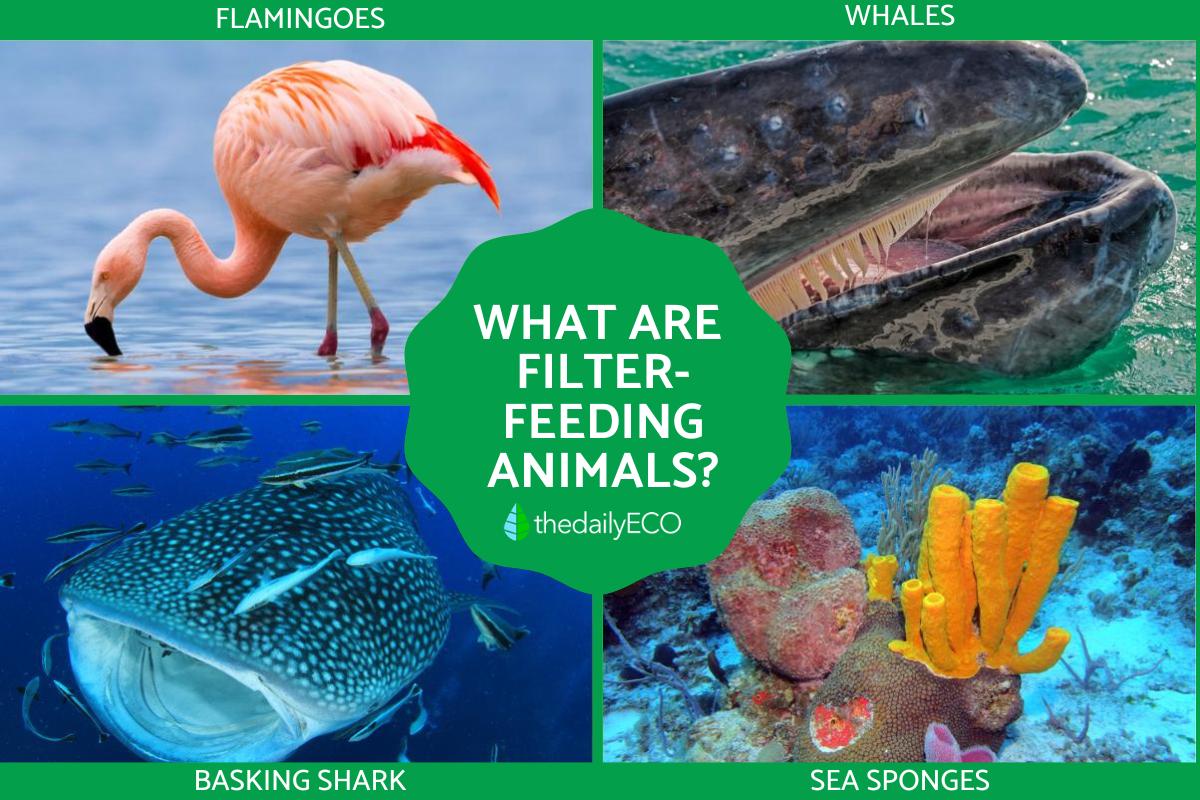
The term “filter feeding” traditionally evokes images of whales sifting krill from ocean waters or mollusks extracting nutrients from microscopic particles. In the natural world, it describes a fundamental biological mechanism where organisms process large volumes of a medium—be it water or air—to selectively extract sustenance. This process, characterized by its efficiency in identifying and concentrating valuable elements from a vast, often diluted, environment, provides a powerful metaphor for a critical operation within the technological landscape: the systematic processing of massive data streams to extract actionable insights, relevant information, and critical signals. In the digital realm, “filter feeding” underpins much of what defines modern computing, from artificial intelligence to data security, enabling systems to make sense of the overwhelming torrent of information that defines our connected world.
The Digital Analogy: Sifting Through the Data Ocean
Just as biological filter feeders process oceans of water, technological systems are constantly engaged in processing oceans of data. This digital filter feeding is the process by which algorithms and automated systems ingest raw, often unstructured, data from diverse sources, apply sophisticated filters, and extract specific, meaningful components. This isn’t merely about discarding unwanted information; it’s about intelligent selection, prioritization, and transformation of data into a usable format.
From Raw Streams to Refined Inputs
In an era defined by data abundance, the sheer volume of information generated daily is staggering. Every click, every sensor reading, every transaction, and every communication contributes to a global data stream. Without mechanisms to intelligently “filter feed” this deluge, most of this information would remain noise, rendering it useless. Digital filter feeding enables systems to:
- Identify Relevance: Distinguish between data that is pertinent to a specific task or query and that which is extraneous.
- Extract Features: Isolate key attributes, patterns, or markers within the data that hold significance.
- Reduce Noise: Discard irrelevant or corrupt data points that could skew analysis or introduce errors.
- Prepare for Processing: Transform raw data into a structured format suitable for subsequent analytical models or machine learning algorithms.
This analogous process is foundational to virtually all data-driven technologies, acting as the crucial first step in turning raw digital inputs into valuable outputs.
Algorithmic Filtration in Action: Core Technological Implementations
The concept of filter feeding manifests across numerous technological domains, powered by advanced algorithms and computational models. These systems are engineered to perform high-volume, high-speed data sifting, making them indispensable for modern digital operations.
Search Engines and Information Retrieval
Perhaps the most ubiquitous example of digital filter feeding is the internet search engine. When a user enters a query, search algorithms don’t just find every webpage containing those keywords. Instead, they “filter feed” through billions of indexed pages, evaluating relevance based on complex criteria such as page authority, content quality, user engagement signals, and contextual relationships. This filtering process eliminates irrelevant results, prioritizes authoritative sources, and presents a curated list designed to most effectively answer the user’s intent, effectively sifting through the vastness of the internet to provide a digestible, relevant output.
Recommendation Systems and Personalization
E-commerce platforms, streaming services, and social media networks heavily rely on filter feeding principles to personalize user experiences. These systems continuously “feed” on user behavior data—past purchases, viewing history, likes, shares, and interactions. Algorithms then filter this data, identifying patterns and preferences, to recommend products, content, or connections that are most likely to be relevant or appealing to individual users. This process aims to create highly tailored digital environments by intelligently filtering the vast options available down to a personalized selection, enhancing engagement and satisfaction.
Spam and Content Moderation
Combating unsolicited digital content (spam emails, malicious websites, inappropriate social media posts) is another critical application. Filter feeding algorithms are trained on vast datasets of both legitimate and unwanted content. They then “feed” on incoming messages, posts, or web traffic, applying a series of filters to identify characteristics indicative of spam or policy violations. This automated filtration process is essential for maintaining digital hygiene, protecting users, and ensuring the integrity of online platforms, acting as a digital immune system that identifies and removes harmful elements from the data stream.

Advanced Filter Feeding: AI, Machine Learning, and Big Data
The evolution of artificial intelligence and machine learning has propelled digital filter feeding to unprecedented levels of sophistication, enabling systems to learn and adapt their filtration criteria over time.
Machine Learning Data Preparation
At the heart of any effective machine learning model lies high-quality, relevant training data. Before a model can learn, raw data often undergoes extensive filter feeding. This includes data cleaning (removing errors, inconsistencies), feature selection (identifying the most predictive attributes), and dimensionality reduction (simplifying complex datasets by removing redundant information). These pre-processing steps are crucial; they ensure that the machine learning algorithm is “fed” the most nutritious and relevant data, significantly impacting the model’s accuracy and performance. Without robust data filtration, even the most advanced AI models would struggle to derive meaningful insights.
Real-time Analytics and IoT
The Internet of Things (IoT) generates continuous streams of data from countless sensors and devices. From smart city infrastructure to industrial monitoring systems, these environments require immediate insights. Real-time filter feeding algorithms process this torrent of data on the fly, identifying anomalies, critical events, or patterns that require immediate action. For instance, in an industrial setting, sensors might “filter feed” temperature, pressure, and vibration data, flagging deviations that indicate potential equipment failure before it occurs. This continuous, intelligent sifting of data enables proactive decision-making and automated responses, transforming raw sensor outputs into actionable intelligence.
Cybersecurity Threat Detection
In cybersecurity, the concept of filter feeding is paramount. Security systems constantly “feed” on network traffic, system logs, user activity data, and threat intelligence feeds. Sophisticated algorithms then filter this immense volume of information to identify suspicious patterns, unusual behaviors, or known attack signatures that could indicate a cyber threat. This includes intrusion detection systems that filter network packets for malicious payloads, behavioral analytics that flag anomalous user logins, and anti-malware solutions that scan files for characteristic virus patterns. Effective digital filter feeding is the first line of defense, enabling rapid detection and response to protect digital assets.
Challenges and Ethical Considerations
While digital filter feeding is an indispensable tool, its implementation comes with significant challenges and ethical implications that demand careful consideration.
Bias and Data Purity
Just as a biological filter feeder’s health depends on the quality of its environment, the efficacy of digital filter feeding hinges on the quality and neutrality of its data input. If the underlying data is biased, incomplete, or reflects societal prejudices, the “filtered” outputs will invariably perpetuate and even amplify these biases. Ensuring data purity and representative datasets is a formidable challenge, requiring conscious effort to mitigate algorithmic discrimination and ensure fair outcomes, especially in critical applications like credit scoring, hiring, or criminal justice.
The Filter Bubble and Echo Chambers
A significant concern arising from personalized filter feeding is the creation of “filter bubbles” or “echo chambers.” By constantly filtering information to align with a user’s perceived preferences and past behaviors, recommendation systems can inadvertently limit exposure to diverse viewpoints, challenging ideas, or information that falls outside their perceived comfort zone. This can lead to a narrowed perspective, reinforcing existing beliefs and potentially hindering critical thinking or civic discourse. Addressing this requires a delicate balance between personalization and promoting intellectual diversity within filtered content streams.

Data Privacy and Surveillance
The very nature of digital filter feeding—ingesting vast amounts of personal and behavioral data—raises profound privacy concerns. Users often have limited transparency into what data is being collected, how it’s being filtered, and for what purposes. The potential for misuse, unauthorized surveillance, or the creation of detailed digital profiles without explicit consent represents a significant ethical dilemma. Robust data governance, transparent policies, and strong regulatory frameworks (like GDPR) are crucial to ensure that the power of digital filter feeding is wielded responsibly, respecting individual privacy rights while still harnessing its benefits for technological advancement.
In conclusion, “filter feeding” in the digital age describes an essential, complex process that empowers technology to make sense of the overwhelming flood of information. From enabling intelligent search to powering AI and securing our digital infrastructure, this metaphor highlights the critical role of sophisticated algorithms in sifting through the noise to extract value, shape experiences, and drive progress. As our reliance on data grows, so too does the importance of understanding and ethically managing the mechanisms by which our digital systems intelligently “filter feed” the world’s information.
aViewFromTheCave is a participant in the Amazon Services LLC Associates Program, an affiliate advertising program designed to provide a means for sites to earn advertising fees by advertising and linking to Amazon.com. Amazon, the Amazon logo, AmazonSupply, and the AmazonSupply logo are trademarks of Amazon.com, Inc. or its affiliates. As an Amazon Associate we earn affiliate commissions from qualifying purchases.