
Understanding what constitutes a high fever in adults is a fundamental aspect of personal health management. While the human body maintains a remarkably stable internal temperature, variations occur, and discerning normal fluctuations from a clinically significant elevation is crucial. In an era increasingly defined by digital health, technology plays an ever-growing role in not just measuring but also interpreting and acting upon temperature data.
The Physiological Baseline: Defining Normal and Elevated Temperatures
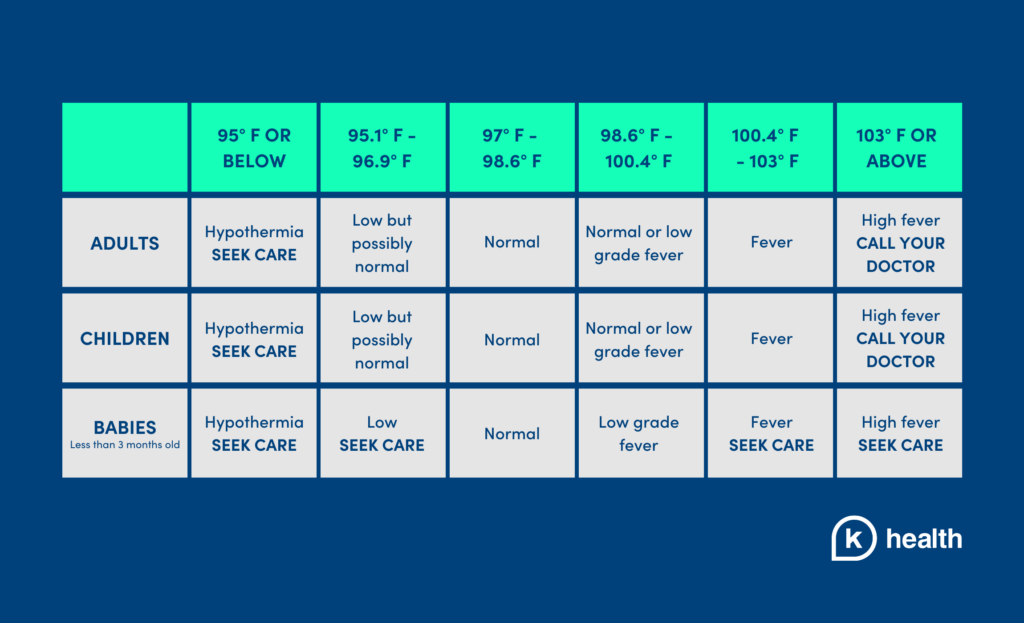
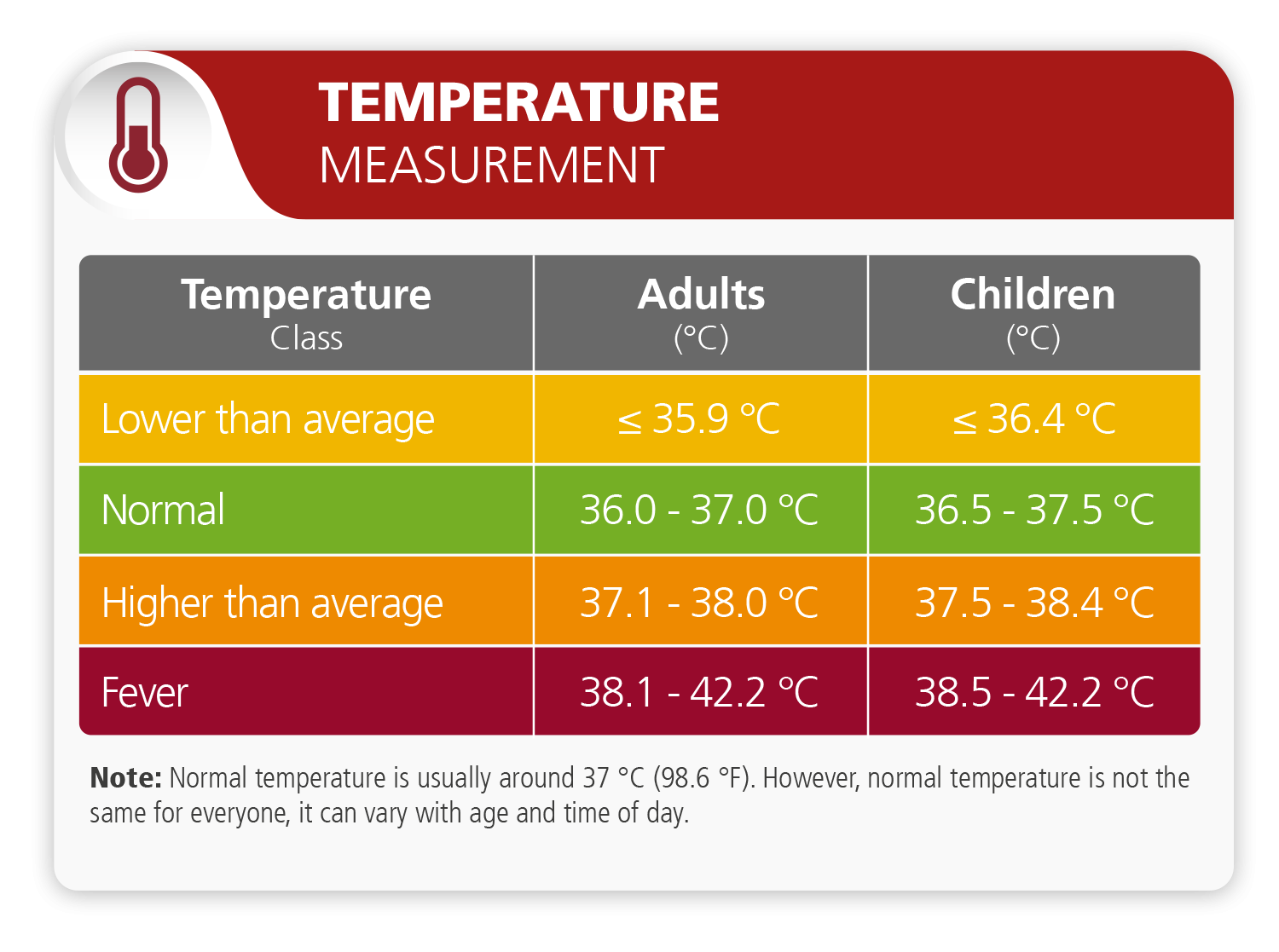
For most adults, the average normal body temperature is approximately 98.6°F (37°C). However, this is merely an average, and an individual’s baseline can vary slightly, typically ranging from 97°F (36.1°C) to 99°F (37.2°C). Factors such as the time of day, activity level, menstrual cycle phase in women, and even the method of measurement can influence this reading. Temperature naturally peaks in the late afternoon and early evening and is lowest in the early morning.
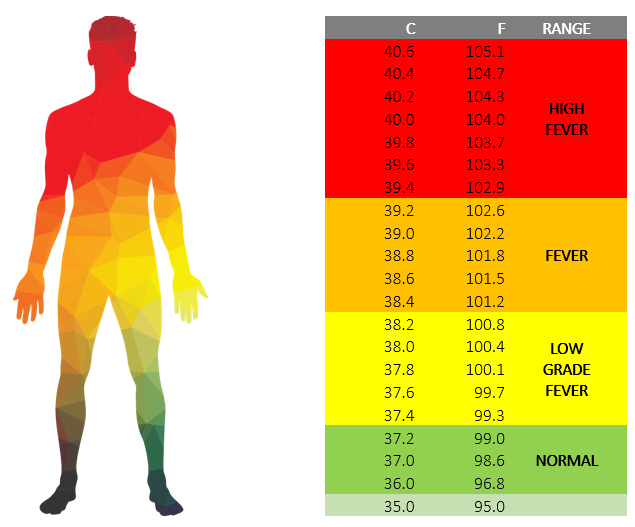
A “fever” is generally considered to be a body temperature of 100.4°F (38°C) or higher. This elevation indicates that the body’s immune system is actively fighting an infection or responding to an inflammatory process. When discussing a “high fever” in adults, the threshold often rises to temperatures above 102°F (38.9°C), and temperatures at or above 103°F (39.4°C) are typically considered significant and warrant prompt attention, especially if accompanied by other concerning symptoms. Extremely high fevers, such as 104°F (40°C) or higher, can be dangerous and potentially lead to complications like dehydration, seizures (though less common in adults than children), or delirium, necessitating immediate medical consultation.
While these medical benchmarks provide a critical framework, the ability to accurately measure, consistently monitor, and effectively interpret these thermal shifts has been profoundly enhanced by technological advancements. Beyond simply knowing the number, modern tools empower individuals and healthcare providers with context, trends, and actionable insights.
Smart Thermometry: Precision, Connectivity, and Data-Driven Insights
The evolution of temperature measurement from rudimentary methods to highly sophisticated digital tools has revolutionized how we perceive and manage fevers. Smart thermometers represent the pinnacle of this advancement, offering unparalleled precision and connectivity.
Evolution from Traditional to Digital Measurement
For centuries, temperature monitoring relied on basic mercury-in-glass thermometers, which, despite their accuracy, posed safety concerns due to mercury content and were slow to provide readings. The advent of digital thermometers brought faster, safer, and easier-to-read solutions. Smart thermometers take this a step further, integrating advanced sensors with digital connectivity, transforming a simple measurement into a rich data point within a broader health ecosystem.
Key Features of Smart Thermometers
Modern smart thermometers leverage sophisticated thermistor or infrared technology to deliver rapid and highly accurate readings. Their defining characteristic is often Bluetooth or Wi-Fi connectivity, allowing them to seamlessly transmit temperature data to companion smartphone applications or cloud-based health platforms. This integration enables a host of advanced features:
- Data Logging and Trend Analysis: Instead of manually jotting down temperatures, smart thermometers automatically record each reading, creating a chronological log. This data can then be visualized in graphs, allowing users to track fever progression, identify patterns, and understand the effectiveness of interventions.
- Multiple Measurement Sites: Depending on the model, smart thermometers can offer various measurement options, including oral, temporal (forehead), axillary (underarm), or even rectal readings, providing flexibility and suitability for different situations.
- Integration with Health Ecosystems: Many smart thermometers are designed to integrate with broader digital health platforms, allowing temperature data to be combined with other vital signs, symptom logs, and medication tracking for a holistic view of health.
- User-Friendly Interfaces: Companion apps typically feature intuitive dashboards, fever guidance, and reminders for medication or subsequent temperature checks.
Benefits for Adults in Managing Fevers
For adults, particularly those managing chronic conditions, recovering from surgery, or simply navigating an acute illness, smart thermometers offer significant advantages. They eliminate the guesswork from fever monitoring, provide objective data to share with healthcare providers, and empower individuals to make more informed decisions about seeking medical care or adjusting self-management strategies. The ability to automatically track trends can be particularly insightful for distinguishing a resolving fever from one that is escalating or persistent.
Wearable Technology and Continuous Temperature Monitoring
Beyond point-in-time measurements, wearable technology has opened avenues for continuous or near-continuous body temperature monitoring, offering a dynamic perspective on an individual’s thermal state.
Smartwatches and Fitness Trackers
Many contemporary smartwatches and advanced fitness trackers are equipped with skin temperature sensors. While these devices primarily measure surface skin temperature, not core body temperature, they are highly effective at detecting changes and trends. A significant deviation from an individual’s established baseline skin temperature can serve as an early indicator of potential illness, often preceding the onset of a full-blown fever. Users can receive alerts if their skin temperature rises unusually during sleep or throughout the day, prompting them to take a more precise core body temperature measurement with a smart thermometer. This proactive monitoring allows for earlier detection and intervention.
Dedicated Body Temperature Patches and Sensors
For more precise and continuous core body temperature monitoring, specialized wearable patches and sensors are available. These devices are typically affixed to the skin (e.g., under the armpit) and continuously transmit data to a smartphone or dedicated hub. They are particularly valuable in clinical settings for post-operative patients, in research for sleep studies, or for individuals with conditions requiring meticulous temperature tracking. For adults managing prolonged illnesses or those with immunocompromised systems, these patches can provide invaluable round-the-clock insights, alerting caregivers or healthcare teams to significant changes without requiring manual intervention.
The Role of AI in Predictive Analytics
The constant stream of data generated by wearable temperature sensors, combined with other physiological metrics like heart rate variability, sleep patterns, and activity levels, presents a rich dataset for artificial intelligence (AI) algorithms. AI can analyze these complex patterns to:
- Identify Early Markers: Detect subtle physiological shifts that often precede the clinical manifestation of a high fever or other illness.
- Personalize Baselines: Establish an individual’s unique temperature baseline and normal fluctuations, allowing for more accurate alerts when significant deviations occur.
- Predict Illness Onset: Through machine learning, AI can potentially predict the onset of certain illnesses days before symptoms become overt, based on a combination of biometric data. This proactive insight can empower individuals to take preventative measures or seek early medical advice, potentially mitigating the severity of an illness.
Health Apps and Digital Health Platforms: Centralizing Fever Management
The data generated by smart thermometers and wearables finds its true utility when aggregated and analyzed within comprehensive health applications and digital platforms. These tools serve as centralized hubs for personal health information, offering a structured approach to managing fever-related data.
Centralized Health Dashboards
Dedicated health apps allow users to consolidate temperature readings from various devices, alongside other vital health metrics such as heart rate, blood pressure, sleep quality, and even symptom logs. These dashboards offer:
- Visual Trend Analysis: Graphical representations of temperature trends over hours, days, or weeks provide clear insights into fever progression, peak times, and the impact of medication.
- Symptom Correlation: The ability to log associated symptoms (e.g., headache, body aches, cough) alongside temperature readings helps users and healthcare providers understand the broader clinical picture.
- Medication Tracking: Integrating medication reminders and dosages helps in assessing the effectiveness of antipyretics in reducing fever.
Telemedicine Integration and Remote Care
The seamless availability of historical temperature data within these digital platforms has significantly enhanced the efficacy of telemedicine. During a virtual consultation, adults experiencing a fever can easily share their detailed temperature logs, symptom progression, and other relevant metrics with their doctor. This capability allows healthcare providers to:
- Make Informed Remote Diagnoses: Access to objective, quantifiable data improves diagnostic accuracy during virtual visits.
- Tailor Treatment Plans: Personalized data enables doctors to recommend appropriate treatments or follow-up actions without requiring an immediate in-person visit.
- Monitor Recovery: Providers can remotely track a patient’s temperature trends during recovery, ensuring that the fever is resolving as expected.
This integration reduces the burden on emergency services, minimizes potential exposure in clinics, and provides convenient, timely care for individuals managing a fever at home.
Data Security and Privacy Considerations
As more sensitive health data, including temperature readings, is collected and stored digitally, the importance of robust data security and privacy measures becomes paramount. Reputable health apps and platforms employ advanced encryption protocols and adhere to strict regulatory standards (e.g., HIPAA in the US, GDPR in Europe) to protect user information. Users must be diligent in choosing platforms that prioritize data security and offer clear policies on how personal health information is managed and shared. Trust in these digital tools is fundamental to their widespread adoption and effectiveness.
The Future Landscape: AI, Predictive Models, and Personalized Care
The trajectory of technology in managing adult fevers points towards an increasingly personalized, predictive, and integrated future.
Advanced AI Diagnostics and Public Health
Beyond merely identifying patterns in individual data, AI is poised to revolutionize how we understand and respond to fevers on a broader scale. By analyzing anonymized fever data from millions of users, combined with geographic and epidemiological information, AI models could:
- Detect Outbreaks Early: Identify emerging illness clusters in real-time, providing early warnings for public health officials.
- Inform Targeted Interventions: Guide resource allocation for vaccinations or public health campaigns by pinpointing high-risk areas.
- Offer Differential Diagnoses: AI could analyze a patient’s temperature profile alongside a vast database of symptoms, medical history, and local pathogen prevalence to suggest potential causes of fever with increasing accuracy.
Personalized Temperature Thresholds and Health Advice
The concept of a universal “high fever” threshold may evolve. AI could learn an individual’s unique physiological baseline over time, understanding their normal daily temperature fluctuations, and flagging deviations that are significant for them, even if they fall within general “normal” ranges for others. This personalized approach would lead to:
- Hyper-Personalized Alerts: Notifications based on an individual’s unique health profile rather than generic thresholds.
- Tailored Health Recommendations: AI could provide personalized advice on hydration, rest, or when to seek medical attention, customized to the individual’s specific health status and fever trajectory.
Integration into Broader Digital Health Ecosystems
The ultimate vision involves seamless integration of temperature data with electronic health records (EHRs), smart home health hubs, and even prescription services. This holistic ecosystem would allow:
- Proactive Health Management: Automated data flow enabling healthcare providers to intervene preventatively, rather than reactively.
- Coordinated Care: All members of a patient’s care team, from primary care physicians to specialists, having access to real-time, accurate temperature data.
- Empowered Self-Management: Adults equipped with sophisticated tools and data to manage their health proactively, contributing to better outcomes and a more resilient healthcare system.
In conclusion, while the definition of a high fever for an adult remains a medical constant, the technological advancements in measurement, monitoring, and interpretation are transforming how we interact with this fundamental health indicator. From smart thermometers to AI-powered predictive analytics, technology is making fever management more precise, personalized, and integrated into the broader landscape of digital health.
aViewFromTheCave is a participant in the Amazon Services LLC Associates Program, an affiliate advertising program designed to provide a means for sites to earn advertising fees by advertising and linking to Amazon.com. Amazon, the Amazon logo, AmazonSupply, and the AmazonSupply logo are trademarks of Amazon.com, Inc. or its affiliates. As an Amazon Associate we earn affiliate commissions from qualifying purchases.