
In the landscape of modern personal finance, the “subscription economy” has become a dominant force in monthly household expenditures. Among the most enduring of these services is SiriusXM, the satellite radio giant that has transitioned from a car-centric hardware service to a multi-platform digital powerhouse. For consumers looking to optimize their discretionary spending, understanding the true cost of SiriusXM is not as simple as looking at a single price tag. It requires a deep dive into tiered pricing, hidden fees, and the strategic negotiation tactics that can significantly alter one’s annual financial commitment.
Decoding the SiriusXM Pricing Structure: Understanding the Tiers
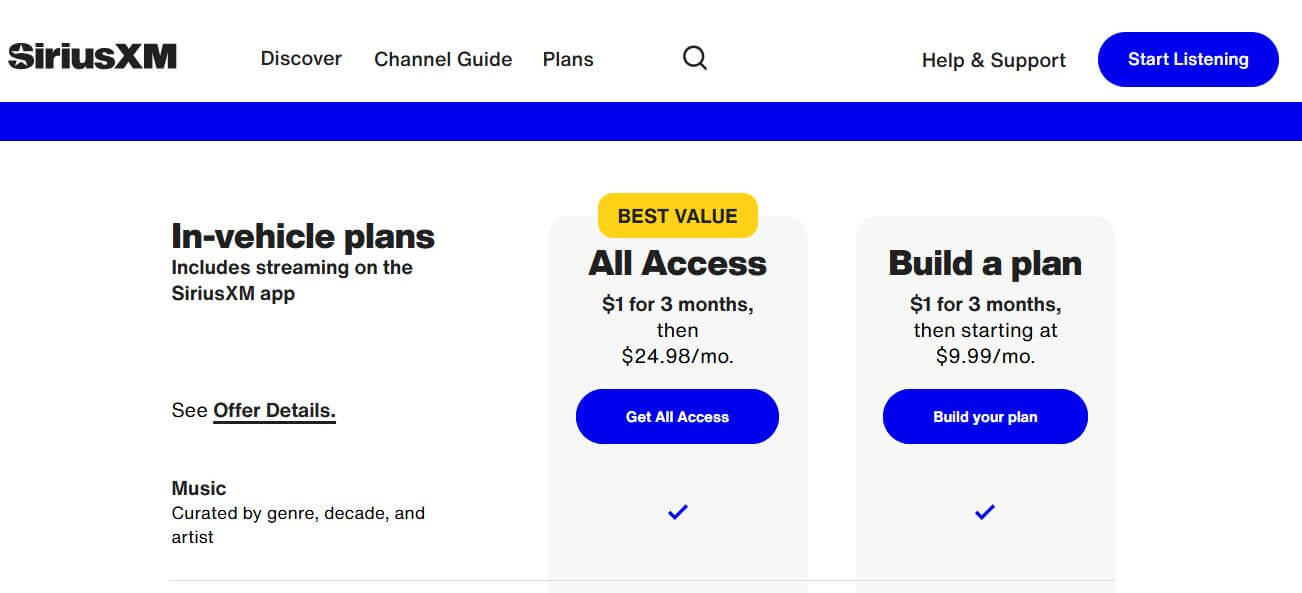
SiriusXM operates on a tiered pricing model designed to capture different segments of the market, from casual commuters to hardcore sports fans and Howard Stern enthusiasts. Navigating these tiers is the first step in performing a cost-benefit analysis for your personal budget.
Streaming Music & Entertainment
The entry-level tier is often the “Streaming Music & Entertainment” plan. This is designed for users who do not require satellite hardware in their vehicles but wish to listen via the SiriusXM app on smartphones, smart speakers, and laptops. Typically priced between $9.99 and $10.99 per month, this tier represents the lowest barrier to entry. From a financial perspective, this is the most direct competitor to services like Spotify or Apple Music, though it focuses more on curated live content than on-demand libraries.
Music & Entertainment (In-Car + App)
For many, the primary value of SiriusXM lies in the seamless integration with their vehicle’s infotainment system. The “Music & Entertainment” plan includes both the in-car satellite feed and app access. This tier generally starts around $18.99 per month. It is a significant jump in price, reflecting the overhead costs of maintaining satellite infrastructure. For the consumer, this tier represents a “convenience tax”—paying for the ability to have uninterrupted audio even in areas with poor cellular data coverage.
Platinum: The All-Access Experience
The “Platinum” plan is the flagship offering, often priced at $23.99 per month. This tier includes everything in the lower levels plus premium sports coverage (NFL, MLB, NBA), specialized comedy channels, and the full Howard Stern library. From a wealth management perspective, $288 per year (plus fees) for a single audio service is a premium expense. For power users, however, the consolidation of sports broadcasting and exclusive talk content can replace the need for multiple other sports-specific subscriptions, potentially simplifying one’s digital ledger.
Beyond the Sticker Price: Taxes, Fees, and Hidden Costs
One of the most common pitfalls in personal budgeting is failing to account for the “true cost” of a service beyond the advertised monthly rate. SiriusXM is notorious for a pricing structure that includes significant add-on costs that can inflate a bill by 20% to 30%.
The U.S. Music Royalty Fee
The most significant additional cost is the U.S. Music Royalty Fee. Unlike many streaming competitors who bake royalty costs into their flat-rate pricing, SiriusXM lists this as a separate line item. Historically, this fee has fluctuated between 10% and 22% of the base subscription price. When calculating your monthly cash flow, it is essential to multiply the advertised rate by approximately 1.2 to get an accurate estimate of the actual impact on your bank account.
State and Local Taxes
Depending on your jurisdiction, digital services may be subject to state and local sales tax. While this might only add $1.00 to $2.00 to the monthly bill, it contributes to the “leakage” often seen in automated monthly debits. Over a five-year period, these small variances can add up to the cost of a full year of service.
Hardware and Installation Expenses
For older vehicles or consumers who prefer a standalone “dock-and-play” radio, there is an initial capital expenditure to consider. Hardware kits can range from $50 to $150, and professional installation can add another $100. From an investment standpoint, these are “sunk costs” that lock a consumer into the ecosystem, making it more psychologically difficult to cancel the service later—a phenomenon known as the sunk-cost fallacy.
Value Analysis: Is SiriusXM Worth the Investment?
To determine if SiriusXM is a sound financial choice, one must move beyond the price and look at the “Value per Hour.” This is a classic tool in personal finance used to justify discretionary spending.
Cost-Per-Hour Breakdown
Consider a commuter who spends 10 hours a week in their car. At the “Music & Entertainment” rate of roughly $22 (after fees), the cost is approximately $0.55 per hour of use. For a long-haul trucker or a salesperson who spends 40 hours a week on the road, that cost drops to less than $0.15 per hour. In the world of entertainment, this represents an extremely high ROI (Return on Investment) compared to a movie ticket or a live concert.
Comparison with Competing Streaming Services
When performing a comparative market analysis, SiriusXM occupies a unique niche. While Spotify and Amazon Music offer superior on-demand capabilities for roughly $11 a month, they lack the live “personalities” and live sports broadcasting that define SiriusXM. From a budgetary standpoint, if you are paying for SiriusXM and a premium music service, you may be experiencing “redundant utility.” Streamlining your subscriptions to the one that offers the most diverse content can save upwards of $150 annually.
The Art of the Deal: How to Lower Your SiriusXM Monthly Bill
One of the most unique aspects of SiriusXM from a financial management perspective is that its prices are often negotiable. Unlike Netflix or Disney+, which have rigid pricing structures, SiriusXM operates much like a traditional cable company or an insurance provider.
Introductory Offers vs. Standard Rates
Most new subscribers or car buyers begin with a “trial” or an introductory offer, such as $5 per month for 12 months. The financial danger arises when these trials expire and the service auto-renews at the “standard” rate. Smart financial planners set calendar alerts for 11 months into a 12-month promotion to reassess the value before the price nearly quadruples.
Mastering the Retention Department Call
The “Retention Call” is a powerful tool for the budget-conscious consumer. By calling to cancel the service, customers are almost always routed to a retention specialist authorized to offer “unadvertised” rates. It is common for persistent consumers to secure the Platinum plan for as little as $8 to $10 per month simply by stating that the standard rate no longer fits their budget. In the world of personal finance, this 10-minute phone call can result in a 50% to 60% reduction in annual expenses for that specific line item.
Annual vs. Monthly Payment Plans
Choosing an annual billing cycle can often net a discount compared to monthly payments. However, this requires a larger upfront cash outlay. From a liquidity standpoint, paying annually is better for those with a stable emergency fund, as it usually results in “one month free” or a waived royalty fee. Conversely, if your monthly budget is tight, the monthly plan offers more flexibility to cancel without having to chase a prorated refund.
Budgeting for Digital Subscriptions in the Modern Economy
As we move further into a service-based economy, managing “subscription creep” is vital for long-term wealth building. SiriusXM is a prime example of a service that can either be a high-value tool or a silent drain on your finances.
Managing “Subscription Creep”
Subscription creep occurs when small, recurring payments (like a $20 radio bill) go unnoticed while they aggregate into significant annual figures. To maintain financial health, it is recommended to conduct a “Subscription Audit” every quarter. Review your credit card statements and ask: “Am I still getting $20 worth of value from SiriusXM this month?” If the answer is no, or if you find yourself listening to podcasts more often, it is time to pivot.

Family and Student Discount Programs
Finally, always look for demographic-based savings. SiriusXM offers student discounts that can bring the price down to around $4 per month for streaming. Additionally, “Family Plans” or multi-radio discounts are available for households with multiple vehicles. Consolidating separate accounts into a single family plan is a classic move for reducing overhead without sacrificing service.
In conclusion, “how much is SiriusXM” is a question with a variable answer. While the sticker price suggests a premium service, the actual cost is highly dependent on your ability to navigate tiers, account for fees, and negotiate like a pro. By treating your SiriusXM subscription not just as a source of music, but as a managed expense, you can enjoy the service while keeping your financial house in order. High-quality entertainment does not have to come at a high cost, provided you are willing to audit your accounts and advocate for your own bottom line.
aViewFromTheCave is a participant in the Amazon Services LLC Associates Program, an affiliate advertising program designed to provide a means for sites to earn advertising fees by advertising and linking to Amazon.com. Amazon, the Amazon logo, AmazonSupply, and the AmazonSupply logo are trademarks of Amazon.com, Inc. or its affiliates. As an Amazon Associate we earn affiliate commissions from qualifying purchases.