
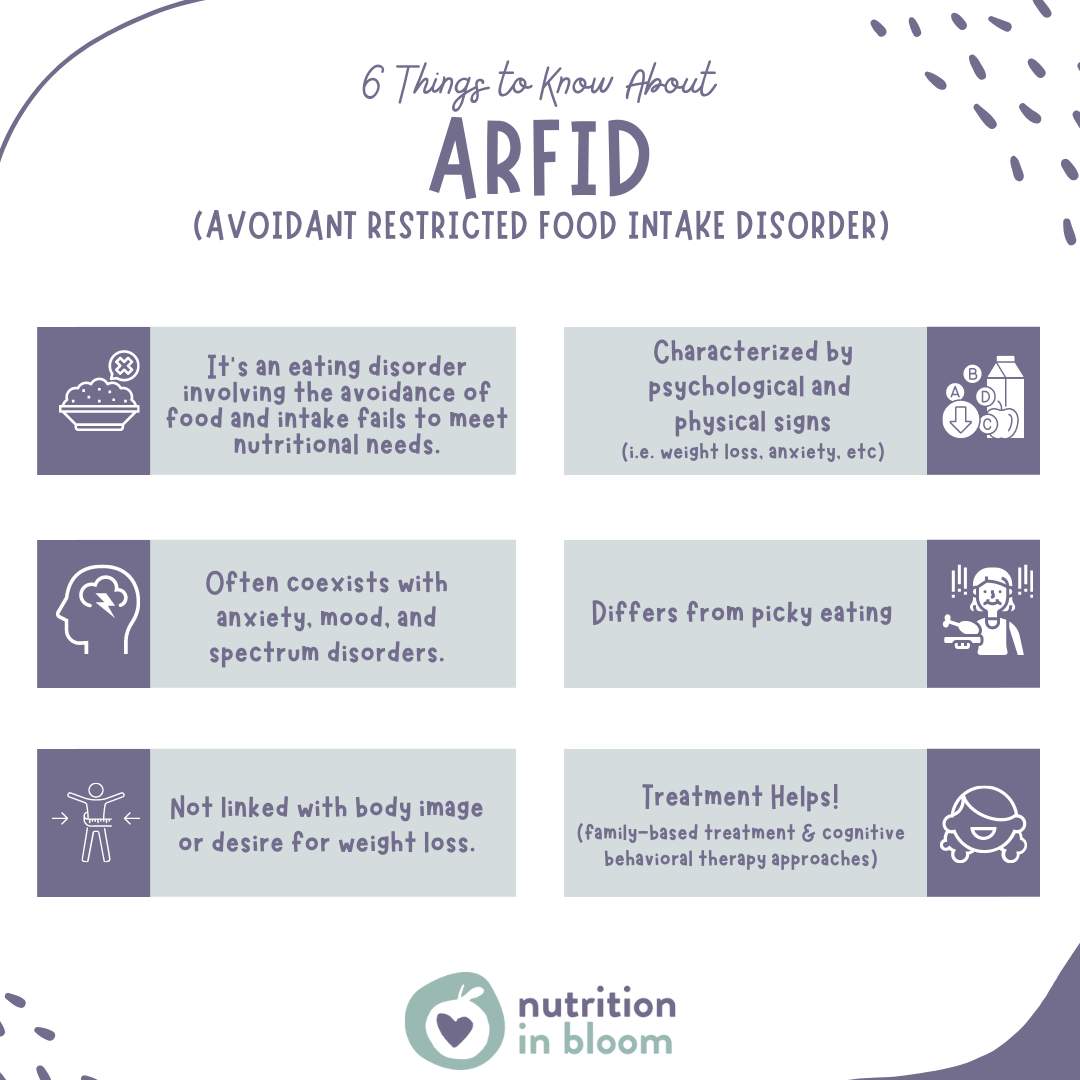
Avoidant/Restrictive Food Intake Disorder (ARFID) is a clinical condition characterized by significant limitations in the amount or variety of foods consumed, leading to nutritional deficiencies, significant weight loss or failure to gain weight, and/or psychosocial impairment. Unlike typical picky eating, ARFID is not driven by body image concerns but by sensory sensitivities, a fear of adverse consequences (like choking or vomiting), or a general lack of interest in food. While the primary understanding of ARFID centers on its psychological and physiological impacts on a child, discerning “what is ARFID in children” also necessitates a profound dive into its often-overlooked financial implications for families and healthcare systems. Comprehending the nature of this disorder is the crucial first step toward budgeting for its management, navigating insurance complexities, and mitigating the substantial economic burden it can place on a household.

The Direct Financial Burden of Diagnosis and Treatment
The journey to an ARFID diagnosis and subsequent treatment is multifaceted, often involving a team of specialists. Each step in this intricate pathway carries a distinct financial cost, cumulatively posing a significant challenge to family budgets.
Diagnostic Pathways and Associated Costs
Identifying ARFID is not a simple process; it requires careful evaluation by pediatricians, gastroenterologists, dietitians, occupational therapists, and mental health professionals specializing in feeding disorders. Initial consultations with these experts can incur various fees, from co-pays and deductibles to full out-of-pocket expenses if specialists are out-of-network. Comprehensive assessments, which might include detailed feeding histories, nutritional evaluations, medical tests to rule out underlying organic causes (e.g., reflux, allergies), and psychological evaluations, can range from hundreds to thousands of dollars. These initial diagnostic phases are critical for accurate identification but represent an immediate and often unexpected financial outlay for families seeking answers for their child’s eating difficulties.
Specialized Therapy and Intervention Programs
Once diagnosed, ARFID typically requires intensive, multidisciplinary treatment. Therapies such as Cognitive Behavioral Therapy (CBT) for ARFID, exposure therapy, occupational therapy for sensory issues, and specialized dietary counseling are fundamental. These treatments are often delivered in outpatient settings, requiring multiple weekly sessions over several months or even years. Each session, whether individual or group-based, contributes to ongoing costs. For severe cases, residential or intensive outpatient programs may be recommended, which can involve costs upwards of tens of thousands of dollars per month, including accommodation, specialized staff, and round-the-clock care. The specialized nature of these interventions means that providers may be limited, potentially requiring families to travel great distances, adding further financial strain.
Nutritional Needs and Dietary Management Expenses
Children with ARFID often experience significant nutritional deficiencies, necessitating specialized dietary management. This can involve expensive dietary supplements, high-calorie formulas, or prescription elemental diets. Families might also face increased grocery bills due to purchasing specific brands or types of foods that their child tolerates, which may be more expensive than general grocery items. In some severe instances, tube feeding (enteral nutrition) might be required, involving costs for specialized formulas, feeding pumps, tubing, and medical supplies, all of which represent continuous expenditures. These ongoing nutritional requirements are not merely periodic costs but a persistent financial commitment woven into the daily management of ARFID.
Navigating Insurance, Funding, and Financial Planning
Managing the financial implications of ARFID requires proactive engagement with insurance providers and a strategic approach to personal finance. Understanding policy intricacies and exploring all available funding avenues can significantly alleviate the burden.
Understanding Health Insurance Coverage
The extent to which health insurance covers ARFID treatment can vary widely. While many plans cover medically necessary mental health services due to parity laws, the specific types of therapy, duration, and whether providers are in-network remain critical factors. Families often face high deductibles, co-pays, and co-insurance percentages, especially when seeking specialized care. Intensive feeding programs or residential treatments may be deemed “educational” or “non-medical” by some insurers, leading to denials. Thoroughly reviewing policy documents, understanding mental health benefits, and pre-authorizing treatments are essential steps to minimize out-of-pocket expenses. Appealing denied claims is also a frequent necessity, requiring time and persistence, which can also translate into indirect financial costs through lost work hours.
Exploring Financial Assistance and Support Programs
For families struggling with the high costs of ARFID care, various financial assistance programs exist. State and federal programs, such as Medicaid or the Children’s Health Insurance Program (CHIP), may offer comprehensive coverage for eligible families. Non-profit organizations often provide grants, scholarships, or direct financial aid specifically for children with eating disorders or complex medical needs. Additionally, some hospitals or clinics may offer sliding scale fees or internal financial assistance programs. Researching and applying for these programs can be a time-consuming process but can provide vital financial relief, allowing children to access the critical care they need without bankrupting the family.
Long-Term Financial Strategy
Beyond immediate costs, families must consider the long-term financial implications of ARFID. This involves integrating healthcare expenses into the broader family budget, perhaps by adjusting savings goals or re-prioritizing other expenditures. Establishing a dedicated health savings account (HSA) or flexible spending account (FSA) can offer tax advantages for medical expenses. For children whose ARFID journey might involve chronic management or potential long-term disability, financial planning should extend to future care needs, potential loss of income for caregivers, and even estate planning considerations to ensure the child’s financial well-being. Proactive financial counseling can help families develop a sustainable long-term strategy.
Indirect Costs and Economic Impact on Families
The financial burden of ARFID extends far beyond direct medical bills, permeating various aspects of a family’s economic stability and daily life. These indirect costs, though less tangible, can be equally devastating.
Parental Productivity and Employment Challenges
Caring for a child with ARFID often demands significant parental time and attention. Frequent medical appointments, therapy sessions, and the daily challenges of meal preparation and feeding can lead to missed workdays, reduced work hours, or even a parent needing to leave their job entirely. This directly results in lost income, impacting the family’s overall financial health. Furthermore, the emotional toll and stress associated with managing a child’s complex feeding disorder can affect a parent’s focus and productivity at work, potentially hindering career advancement and long-term earning potential.
Travel, Accommodation, and Ancillary Expenses
Accessing specialized ARFID treatment often means traveling to distant clinics or hospitals, particularly if local resources are limited. This incurs significant expenses related to transportation (fuel, flights), accommodation, and meals away from home. Families may also face ancillary costs such as childcare for other siblings, parking fees, and the cost of specialized equipment or educational materials recommended by therapists. These cumulative expenses, while not directly medical, are indispensable for obtaining necessary care and represent a substantial hidden cost for many families.
Emotional and Stress-Related Financial Decisions
The chronic stress, anxiety, and emotional strain of managing ARFID can also lead to poor financial decisions. Desperate for solutions, parents might invest in unproven therapies or products, or neglect long-term financial planning in favor of immediate crisis management. The emotional burden can impact a parent’s ability to research financial aid, appeal insurance denials, or negotiate payment plans effectively. Recognizing the psychological impact of ARFID on caregivers is essential, as it directly influences their capacity for sound financial management.
Tools and Strategies for Financial Resilience
Building financial resilience in the face of ARFID’s costs requires deliberate planning and the utilization of available resources. Empowering families with financial knowledge and tools is paramount.
Budgeting and Financial Tracking for Healthcare
A meticulously planned budget is the cornerstone of managing ARFID-related expenses. Families should create a specific category within their budget for healthcare costs, including both anticipated and emergency expenditures. Utilizing budgeting software or apps can help track medical bills, therapy co-pays, specialized food purchases, and travel costs. This systematic approach not only provides clarity on spending but also helps identify areas where adjustments can be made or where financial assistance might be most needed. Regular review of the budget allows for adaptation as the child’s treatment plan evolves.
Building an Emergency Fund
Given the unpredictable nature of medical needs and potential treatment changes, a robust emergency fund is crucial. This fund should be specifically earmarked for health-related contingencies, such as unexpected specialist visits, sudden changes in medication, or travel for urgent care. Aiming for at least three to six months’ worth of living expenses, with an additional buffer for healthcare costs, can provide a vital financial safety net, reducing reliance on high-interest credit cards or loans during times of crisis.

Seeking Professional Financial Guidance
Engaging with a financial advisor, particularly one with experience in healthcare costs or special needs planning, can provide invaluable support. These professionals can help families understand insurance policies, explore investment strategies to cover future medical expenses, navigate government benefits, and develop a comprehensive financial plan tailored to their unique situation. They can also offer objective advice during emotionally charged times, helping families make sound financial decisions that protect their long-term stability while ensuring their child receives the best possible care.
Understanding ARFID in children is not solely a medical or psychological endeavor; it is also a significant financial journey. By acknowledging and strategically planning for the substantial direct and indirect costs, families can build greater financial resilience, navigate the complexities of healthcare funding, and ultimately focus their energy on supporting their child’s path to recovery.
aViewFromTheCave is a participant in the Amazon Services LLC Associates Program, an affiliate advertising program designed to provide a means for sites to earn advertising fees by advertising and linking to Amazon.com. Amazon, the Amazon logo, AmazonSupply, and the AmazonSupply logo are trademarks of Amazon.com, Inc. or its affiliates. As an Amazon Associate we earn affiliate commissions from qualifying purchases.