
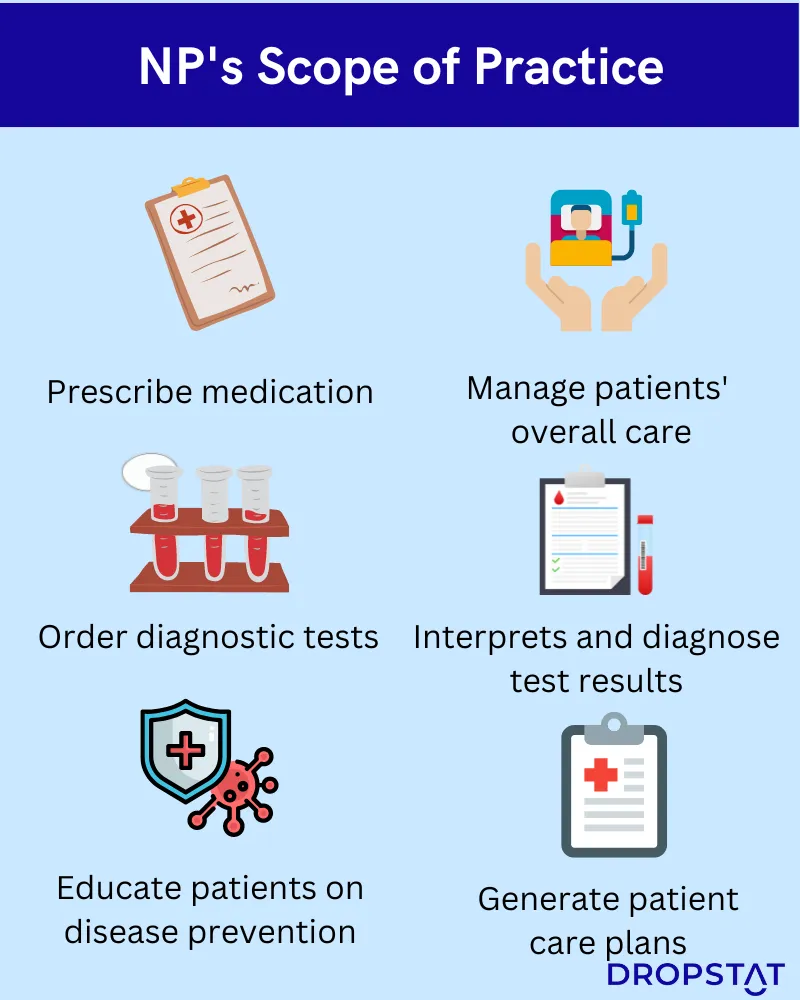
The term “NP nurse” refers to a Nurse Practitioner, a highly educated and advanced registered nurse who plays a pivotal role in the modern healthcare landscape. While the fundamental identity of an NP lies in patient care, understanding “what is an NP nurse” from a financial perspective reveals a comprehensive picture of a significant career investment, substantial earning potential, and a critical economic impact on the healthcare system. This exploration delves into the financial commitment required to become an NP, the robust income opportunities available, and their economic value, positioning the NP role as a financially strategic career choice within the healthcare sector.
The Financial Investment in Becoming an NP
Embarking on the path to becoming a Nurse Practitioner represents a significant financial investment, akin to a long-term venture that promises substantial returns. Prospective NPs commit years to advanced education, incurring costs for tuition, fees, and living expenses, while often foregoing immediate higher income.
Educational Pathways and Associated Costs
Becoming an NP typically requires a Master of Science in Nursing (MSN) or a Doctor of Nursing Practice (DNP) degree. These programs are pursued after obtaining a Bachelor of Science in Nursing (BSN) and gaining experience as a Registered Nurse (RN). The educational journey involves several distinct financial phases:
- BSN Degree: The foundational BSN can range from $40,000 to over $100,000 for private institutions. Many NPs begin their journey with this initial investment.
- MSN or DNP Degree: This is where the primary investment for the NP role lies.
- Master of Science in Nursing (MSN): Tuition for an MSN program can vary widely, from $20,000 for public, in-state programs to $80,000 or more for private or out-of-state institutions. The program typically takes 2-3 years of full-time study.
- Doctor of Nursing Practice (DNP): A DNP is a terminal degree that is increasingly becoming the standard for entry into advanced practice. DNP programs are longer, often 3-5 years, and consequently more expensive, with costs ranging from $30,000 to over $120,000.
- Ancillary Expenses: Beyond tuition, students face costs for textbooks, clinical rotations (which may require travel or specific equipment), certification exams (e.g., AANP or ANCC, typically $200-$400), and state licensure fees. These can add several thousand dollars to the overall expenditure.
Opportunity Costs During Training
The financial commitment extends beyond direct educational expenses to include the often-overlooked opportunity costs. During periods of full-time study, NPs-in-training may reduce their working hours or cease employment entirely, sacrificing current income for future gain. For an experienced RN, this could mean foregoing an annual salary ranging from $70,000 to $90,000 for several years. The cumulative loss of income during the 2-5 years of advanced education is a substantial, albeit indirect, financial investment that must be factored into the overall cost-benefit analysis of the NP career path.
Student Loan Management and Repayment Strategies
Given the significant educational costs, many aspiring NPs rely on student loans. Effectively managing this debt is crucial for their long-term financial health. Strategies include:
- Federal vs. Private Loans: Understanding the different interest rates, repayment terms, and borrower protections is essential. Federal loans often offer income-driven repayment plans and potential for loan forgiveness programs.
- Public Service Loan Forgiveness (PSLF): NPs working for qualifying non-profit organizations or government agencies may be eligible for PSLF after 120 qualifying monthly payments.
- Employer Assistance Programs: Some healthcare systems offer tuition reimbursement or loan repayment programs in exchange for a commitment to work for their organization for a specified period.
- Refinancing: After graduation and securing a stable NP position, refinancing high-interest private loans can reduce monthly payments or total interest paid over the life of the loan.
- Budgeting and Aggressive Repayment: Developing a strict budget and making extra payments can significantly reduce the principal and interest over time, accelerating debt freedom.
Earning Potential and Career Trajectories
The substantial investment in becoming an NP is justified by the impressive earning potential and diverse career opportunities available. Nurse Practitioners command higher salaries than Registered Nurses due to their advanced scope of practice, specialized knowledge, and ability to diagnose, treat, and manage patient care independently or collaboratively.
Average Salaries and Factors Influencing Income
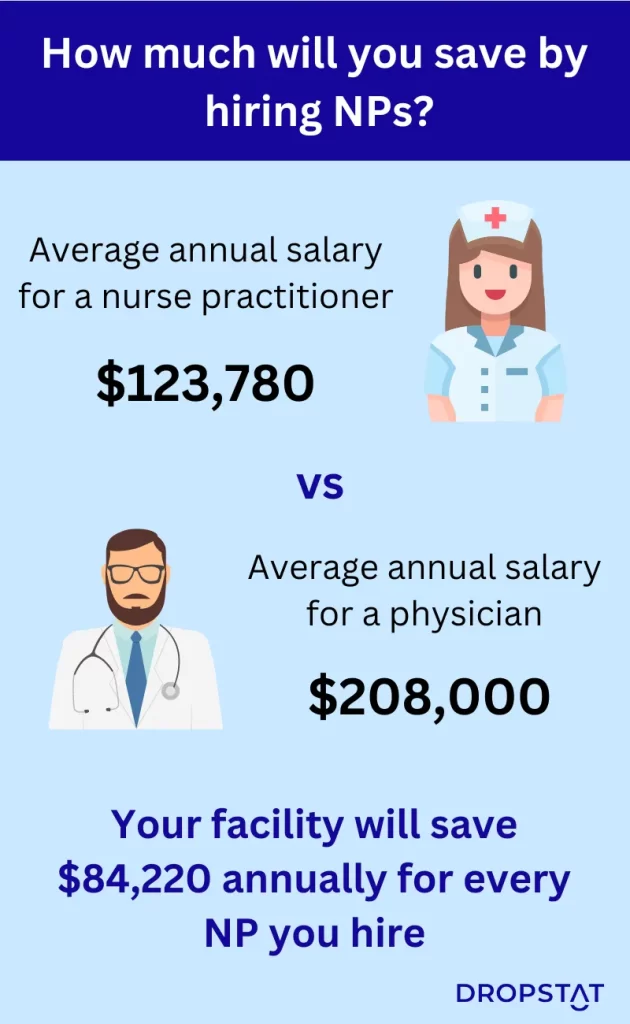
The average salary for a Nurse Practitioner in the United States typically falls within a range that makes the profession financially attractive. As of recent data, the median annual salary for NPs hovers around $120,000 to $130,000, but this can vary significantly based on several key factors:
- Experience: Entry-level NPs will earn less than those with 5-10+ years of experience. Seasoned NPs with a proven track record can command salaries well above the median.
- Geographic Location: High-cost-of-living areas, particularly major metropolitan centers and states with high demand for healthcare professionals, often offer higher compensation. Conversely, rural areas might offer slightly lower base salaries but sometimes compensate with bonuses or loan repayment incentives.
- Practice Setting: Hospitals, specialty clinics, urgent care centers, and private practices each have different salary structures. NPs in hospital-based roles, especially in specialized units, often earn more than those in primary care clinics.
- Hours and On-Call Duties: NPs who work extended hours, take on-call shifts, or work in critical care environments typically receive additional compensation.
Specialization’s Impact on Financial Returns
Specializing in a particular area of medicine can significantly impact an NP’s earning potential. Some of the highest-paying NP specialties include:
- Psychiatric Mental Health Nurse Practitioner (PMHNP): Given the growing demand for mental health services, PMHNPs are among the top earners, often exceeding $130,000-$150,000 annually.
- Acute Care Nurse Practitioner (ACNP): Working in critical care, emergency rooms, or specialized hospital units, ACNPs also command high salaries due to the complexity and acuity of patient care.
- Oncology Nurse Practitioner: Specializing in cancer care, these NPs are highly valued for their expertise in managing complex treatments and patient support.
- Anesthesia (CRNA): While technically a separate advanced practice registered nurse (APRN) role, Certified Registered Nurse Anesthetists are consistently among the highest-paid nursing professionals, often earning over $200,000 annually, requiring a DNP.
Choosing a specialization based on personal interest combined with market demand can optimize financial returns over an NP’s career.
Geographical Variances in Compensation

The financial landscape for NPs is heavily influenced by geography. States with full practice authority for NPs (where they can practice, diagnose, and prescribe independently without physician oversight) often present higher earning potentials due to their increased autonomy and demand. For example, states like California, New York, Massachusetts, and Washington frequently report some of the highest NP salaries, reflecting a combination of high demand, cost of living, and progressive practice regulations. Conversely, states with more restrictive practice environments or lower demand may offer lower average salaries. Researching regional salary data is a crucial step for any aspiring or practicing NP considering relocation or career planning.
The Economic Value and Impact of NPs in Healthcare
Beyond individual earnings, NPs contribute significant economic value to the broader healthcare system, acting as a cost-effective solution to physician shortages and expanding access to quality care, particularly in underserved communities.
Cost-Effectiveness in Patient Care
Nurse Practitioners provide high-quality care that is often more cost-effective than physician-led care for similar services. Studies consistently show that NP-provided care results in comparable patient outcomes, satisfaction, and safety to physician care, especially in primary care settings. This efficiency stems from several factors:
- Lower Overhead: NPs generally command lower salaries than physicians, reducing staffing costs for healthcare organizations.
- Efficient Workflow: NPs are highly trained to manage common chronic conditions and acute illnesses efficiently, reducing the need for costly specialist referrals or emergency room visits.
- Preventive Care Focus: NPs often emphasize health promotion and disease prevention, which can lead to long-term cost savings by reducing the incidence and severity of chronic diseases.
Expanding Access to Healthcare Services
One of the most critical economic contributions of NPs is their role in improving healthcare access, particularly in rural and underserved urban areas where physician shortages are acute. By operating in these communities, NPs:
- Bridge Gaps in Care: They fill voids in primary care, mental health services, and specialty care, ensuring that more individuals receive timely and appropriate medical attention.
- Reduce Healthcare Disparities: Enhanced access to care can lead to better health outcomes for vulnerable populations, reducing the economic burden of preventable diseases and complications.
- Increase Workforce Capacity: NPs expand the overall healthcare workforce, allowing more patients to be seen and managed, which is vital as the population ages and demand for healthcare grows.
Role in Practice Management and Entrepreneurship
A growing number of NPs are leveraging their advanced skills not just clinically, but also entrepreneurially. In states with full practice authority, NPs can open and operate their own clinics, becoming business owners and employers. This entrepreneurial spirit offers:
- Business Finance Opportunities: NPs managing their practices must master business finance, including budgeting, revenue cycle management, insurance billing, and staffing. This creates opportunities for personal wealth creation beyond employment.
- Innovation in Healthcare Delivery: NP-led practices often innovate care models, such as integrated mental health services, telehealth-focused clinics, or specialized niche practices, catering to specific patient needs and market demands.
- Job Creation: Each NP-owned practice contributes to the local economy by creating jobs for other nurses, medical assistants, and administrative staff.
Financial Planning and Long-Term Wealth Building for NPs
With a solid income stream and a stable career outlook, Nurse Practitioners are well-positioned for robust financial planning and long-term wealth building. Strategic financial management can maximize their earning potential and secure their financial future.
Retirement Planning and Investment Strategies
Early and consistent retirement planning is critical. NPs should leverage employer-sponsored plans like 401(k)s or 403(b)s, especially if matching contributions are offered, which is essentially free money. Beyond these, consider:
- Individual Retirement Accounts (IRAs): Roth IRAs offer tax-free withdrawals in retirement, while traditional IRAs provide tax deductions now.
- Diversified Investment Portfolio: Investing in a mix of stocks, bonds, and mutual funds tailored to risk tolerance and long-term goals. Engaging a financial advisor can provide personalized guidance.
- Health Savings Accounts (HSAs): If eligible, HSAs offer a triple tax advantage (tax-deductible contributions, tax-free growth, tax-free withdrawals for qualified medical expenses) and can serve as an excellent supplemental retirement savings vehicle.
Managing Professional Expenses and Liabilities
NPs incur various professional expenses that can be tax-deductible, such as continuing education credits, professional organization dues, liability insurance premiums, and licensure renewal fees. Diligent record-keeping for these expenses is vital for tax optimization. Professional liability insurance is a critical financial safeguard, protecting NPs from potential lawsuits arising from their practice, which is an essential cost of doing business in healthcare. Understanding the nuances of their insurance policy and ensuring adequate coverage is a key component of financial risk management.
Building Financial Security Through Career Growth
The NP role offers numerous avenues for career growth that translate into increased financial security:
- Advanced Certifications: Pursuing additional certifications in sub-specialties can increase marketability and earning potential.
- Leadership and Management Roles: Moving into lead NP roles, clinic management, or director positions can lead to significant salary bumps.
- Education and Academia: Teaching in NP programs or becoming clinical preceptors can provide additional income streams and career satisfaction.
- Telehealth and Consulting: The rise of telehealth offers flexibility and opportunities for online income, while consulting for healthcare organizations can leverage an NP’s expertise in a different financial capacity.
By strategically navigating their education, maximizing their earning potential, and employing sound financial planning, Nurse Practitioners not only fulfill a vital role in healthcare but also build substantial personal wealth, making “what is an NP nurse” synonymous with a financially astute and impactful professional path.
aViewFromTheCave is a participant in the Amazon Services LLC Associates Program, an affiliate advertising program designed to provide a means for sites to earn advertising fees by advertising and linking to Amazon.com. Amazon, the Amazon logo, AmazonSupply, and the AmazonSupply logo are trademarks of Amazon.com, Inc. or its affiliates. As an Amazon Associate we earn affiliate commissions from qualifying purchases.