
An eye prescription is far more than just a piece of paper handed to you after an eye exam; it’s a critical financial document that dictates a significant portion of your personal healthcare spending. Understanding its components is paramount not just for clear vision, but for making informed economic decisions about your eyewear, vision correction, and overall long-term financial health. This document quantifies specific refractive errors that prevent your eyes from focusing light correctly, such as myopia (nearsightedness), hyperopia (farsightedness), astigmatism, and presbyopia. Each numerical value and abbreviation directly translates into the type of lenses you need, the complexity of their manufacture, and ultimately, their cost.
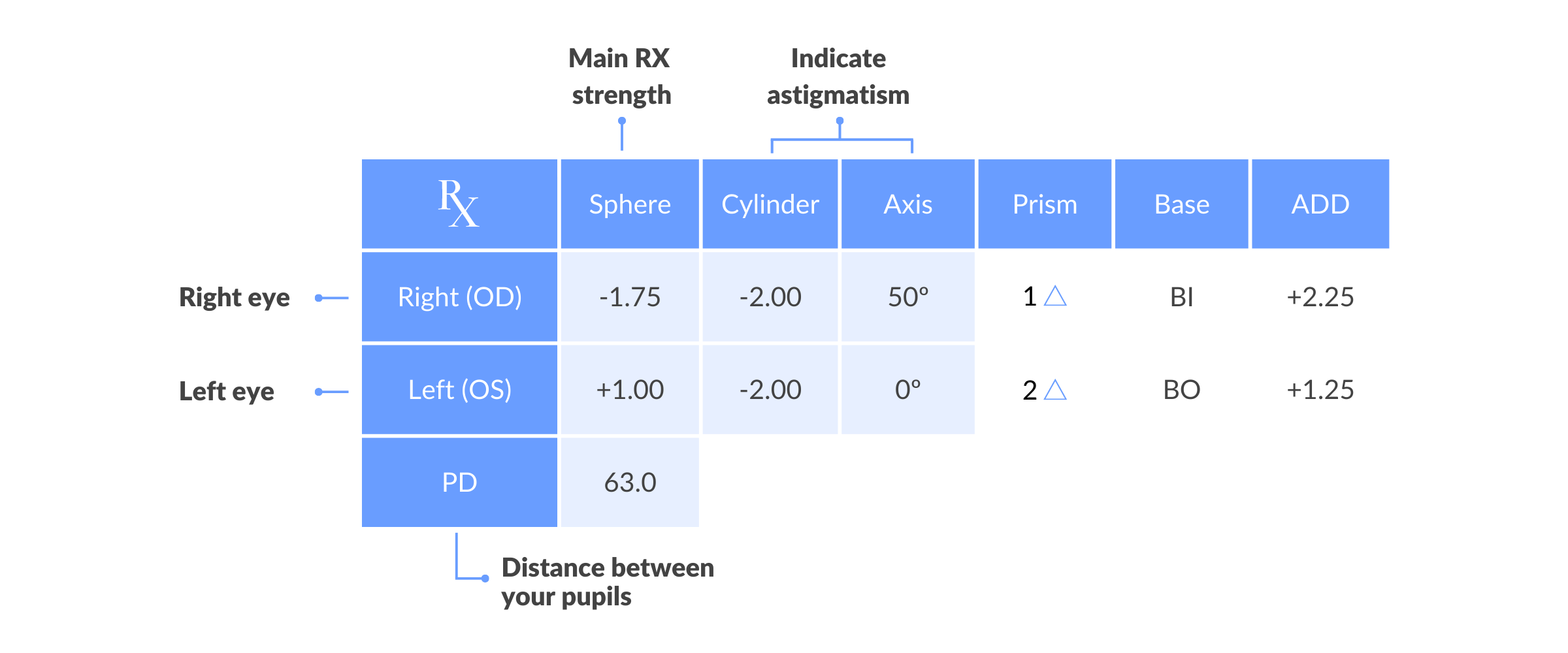
Deciphering Your Prescription: More Than Just Numbers
Every symbol and number on an eye prescription directly influences the complexity and cost of your corrective lenses. Grasping these details empowers you to navigate the optical market shrewdly, comparing options and understanding where your money is truly going.
The Spherical Component (SPH) and Its Cost Implications
The “SPH” or “Sphere” value on your prescription indicates the primary correction needed for nearsightedness (-) or farsightedness (+). It’s measured in diopters, with higher absolute values (e.g., -5.00 vs. -1.00) signifying a stronger need for correction. From a financial perspective, a higher spherical power often necessitates thinner, lighter lens materials (high-index lenses) to avoid a “coke bottle” effect or excessive weight. These advanced materials, while improving aesthetics and comfort, come at a premium price. Standard CR-39 plastic lenses are more affordable but may be impractical for strong prescriptions due to their thickness. Investing in high-index lenses, though more expensive upfront, can prevent discomfort and dissatisfaction, potentially saving you from needing to replace less suitable, cheaper options later.
The Cylindrical (CYL) and Axis Values: Complexity and Pricing
If your prescription includes “CYL” (Cylinder) and “AXIS” values, you have astigmatism, a common condition where the cornea or lens has an irregular curvature, leading to blurred or distorted vision at all distances. The CYL value measures the degree of astigmatism, and the AXIS value indicates the orientation of that astigmatism on a 0 to 180-degree scale. Lenses correcting astigmatism are known as toric lenses. Their manufacturing process is more intricate than simple spherical lenses because they require different curvatures in different meridians. This added complexity directly translates into higher production costs, making toric lenses generally more expensive than their spherical counterparts. The precision required for axis alignment also means that poorly fitted or manufactured toric lenses can lead to discomfort or continued blurry vision, potentially requiring costly remakes.
Add Power (ADD) for Multifocal Lenses: A Premium Feature
The “ADD” (Add Power) value appears on prescriptions for presbyopia, a natural age-related condition where the eye loses its ability to focus on close objects. This additional positive magnifying power is incorporated into the bottom part of multifocal lenses (bifocals, trifocals, or progressive lenses) to facilitate near vision. Progressive lenses, which offer a seamless transition between distance, intermediate, and near vision without visible lines, are technologically advanced and represent a significant investment. Their complex design and manufacturing process, which accounts for smooth power changes across the lens surface, make them considerably more expensive than single-vision lenses or even traditional lined bifocals. Choosing between various grades of progressive lenses (e.g., standard vs. personalized digital progressives) also presents a range of price points, with premium options offering wider fields of vision and less peripheral distortion, enhancing user experience and potentially extending the useful life of the lenses.
Prism Correction: Niche Needs, Niche Costs
In rarer cases, a prescription might include “PRISM” values (e.g., 0.5Δ BI, 1.0Δ BU) and a “BASE” direction (Base In, Out, Up, Down). Prism is prescribed to correct specific eye alignment issues, such as strabismus (crossed eyes) or conditions causing double vision. Lenses with prism correction are highly specialized. The prism itself is ground into the lens, altering how light enters the eye to realign the images perceived by each eye. This custom grinding significantly increases the complexity and cost of lens manufacturing. Due to their specialized nature, prism lenses often require precise measurements and fittings, which can also contribute to higher overall costs, including the optician’s professional fees.
Financial Planning for Vision Care: Budgeting for Clear Sight
Armed with an understanding of your eye prescription, you can strategically plan for the financial aspects of maintaining optimal vision. This involves leveraging insurance, tax-advantaged accounts, and discerning the true costs of eyewear.
Understanding Vision Insurance: Maximizing Your Benefits
Vision insurance plans typically cover a portion of eye exams, frames, and lenses, and sometimes contact lenses. It’s crucial to understand your plan’s specific benefits, including copays, deductibles, annual allowances for frames and lenses, and frequency limits (e.g., one pair of glasses every 12 or 24 months). Maximizing these benefits means timing your purchases strategically to align with your plan’s coverage cycle. For instance, if your allowance resets at the end of the year, consider purchasing new eyewear before the deadline to avoid losing benefits. Furthermore, some plans offer discounts on additional pairs of glasses or specific lens coatings, which can lead to significant savings if you require multiple pairs (e.g., prescription sunglasses, computer glasses).
Flexible Spending Accounts (FSAs) and Health Savings Accounts (HSAs) for Eyecare
Flexible Spending Accounts (FSAs) and Health Savings Accounts (HSAs) are invaluable financial tools for managing healthcare expenses, including vision care. Contributions to these accounts are made pre-tax, reducing your taxable income. Funds in an FSA typically need to be used within the plan year (though some offer a grace period or limited rollover), while HSA funds roll over year to year and are portable. Both can be used to pay for eye exams, prescription glasses, contact lenses, lens solutions, and even vision surgery like LASIK. By budgeting and contributing appropriately to an FSA or HSA, you can effectively reduce the out-of-pocket cost of your eyewear and vision services, turning necessary healthcare expenses into tax-efficient investments in your health.
The True Cost of Eyewear: Frames, Lenses, Coatings, and Replacements

The sticker price for frames and basic lenses is often just the beginning. The “true cost” encompasses various additions and considerations. Lens coatings—such as anti-reflective (AR), scratch-resistant, UV protection, and blue light filtering—each add to the final price. While these coatings enhance durability, visual comfort, and protection, it’s important to evaluate which ones offer genuine value for your lifestyle and budget. For example, an AR coating can significantly reduce glare, making driving at night safer and computer use more comfortable, justifying its cost. Furthermore, consider the potential need for replacement eyewear due to damage, loss, or changes in prescription. Budgeting for these contingencies or exploring eyewear protection plans can prevent unexpected financial strain.
Smart Spending on Eyewear: Getting Value from Your Prescription
Once you have your eye prescription, strategic purchasing decisions can significantly impact your budget without compromising vision quality. Understanding the various channels and options for eyewear can lead to substantial savings.
Online vs. Brick-and-Mortar: Price Comparisons and Hidden Costs
The choice between purchasing eyewear online and from a traditional brick-and-mortar optical store involves a trade-off between cost and service. Online retailers often boast lower prices due to reduced overhead. They are excellent for those with straightforward prescriptions and who are confident in taking their own measurements (like pupillary distance). However, potential hidden costs include additional fees for precise measurements, returns for ill-fitting frames, or the inability to try on various styles in person. Brick-and-mortar stores offer personalized fitting, professional adjustments, and immediate access to expert advice. While often pricier, the value lies in tailored service, accurate measurements, and immediate troubleshooting, which can save you time and money in the long run by preventing costly remakes due to errors.
Generic Lenses vs. Branded: Quality, Durability, and Investment
The lens market offers a spectrum from generic, unbranded lenses to premium, branded options from manufacturers like Zeiss, Essilor, and Hoya. Generic lenses are typically more affordable and can provide adequate correction for many users. However, branded lenses often incorporate patented technologies for superior optical clarity, wider fields of vision, and enhanced durability. For example, premium progressive lenses might offer a more natural transition between focal points, reducing adaptation time and discomfort. While the upfront investment for branded lenses is higher, their improved performance and longevity can provide greater satisfaction and potentially delay the need for replacement, thus offering better long-term value for some individuals. Weighing your visual needs and budget against these quality differences is key.
The Long-Term View: Contact Lenses vs. Glasses (Ongoing Costs)
Deciding between contact lenses and glasses is not just a lifestyle choice but a financial one with long-term implications. Glasses are a one-time purchase (until your prescription changes or they need replacement), but contacts involve ongoing monthly or quarterly costs for the lenses themselves, plus cleaning solutions and cases. While daily disposable contacts offer convenience and reduce the need for solutions, their per-unit cost can accumulate to a substantial annual expense. For infrequent wearers, glasses might be more economical. For daily contact lens users, purchasing annual supplies can sometimes offer bulk discounts. It’s crucial to calculate the total annual expenditure for each option, including potential costs for eye drops or specialized cleaning solutions, to determine the most financially prudent choice for your vision needs.
Considering LASIK: Upfront Investment vs. Long-Term Savings
For eligible individuals, LASIK eye surgery represents a significant upfront investment, typically ranging from $2,000 to $4,000 per eye, potentially more for advanced procedures. However, viewed through a long-term financial lens, LASIK can offer substantial savings. By eliminating the recurring costs of glasses, contact lenses, solutions, and annual eye exams (which might be less frequent after surgery), the procedure can pay for itself over several years. This break-even point varies based on your current eyewear expenses. Furthermore, the intangible benefits of improved quality of life and convenience should also be factored into the investment decision, as they can contribute to overall financial well-being through enhanced productivity and reduced daily hassle.
The Financial Risk of Outdated or Incorrect Prescriptions
Maintaining an accurate eye prescription is not merely about comfort; it’s a critical financial decision. Neglecting regular eye exams or using outdated prescriptions can lead to a cascade of hidden costs, impacting not just your vision but also your productivity, safety, and overall health expenses.
The Hidden Costs of Poor Vision: Productivity, Safety, and Health
Using an outdated or incorrect prescription can lead to eye strain, headaches, and fatigue, all of which directly impact productivity at work or school. Reduced concentration and efficiency can translate into decreased earning potential or academic performance. Beyond productivity, impaired vision significantly increases safety risks, whether driving, operating machinery, or even performing simple daily tasks, potentially leading to accidents that incur medical bills, insurance claims, or lost wages. Furthermore, uncorrected vision problems can exacerbate other health conditions or mask underlying systemic diseases that an optometrist might identify during a comprehensive eye exam, leading to more complex and expensive treatments down the line. The financial consequences of these issues far outweigh the cost of a regular eye examination and new eyewear.
The Expense of Redoing Eyewear: Avoiding Costly Mistakes
An inaccurate prescription, whether due to an outdated exam or an error in measurement during the ordering process, often results in the need for costly eyewear remakes. Many optical providers have limited remake policies, and once that window closes, you could be responsible for the full cost of new lenses or even frames. This financial double-whammy highlights the importance of precise measurements (like pupillary distance and optical center) during the fitting process and ensures you are comfortable with your new lenses immediately after receiving them. Investing in a reputable optical provider who guarantees their work and offers professional adjustments can save you from these avoidable expenses.
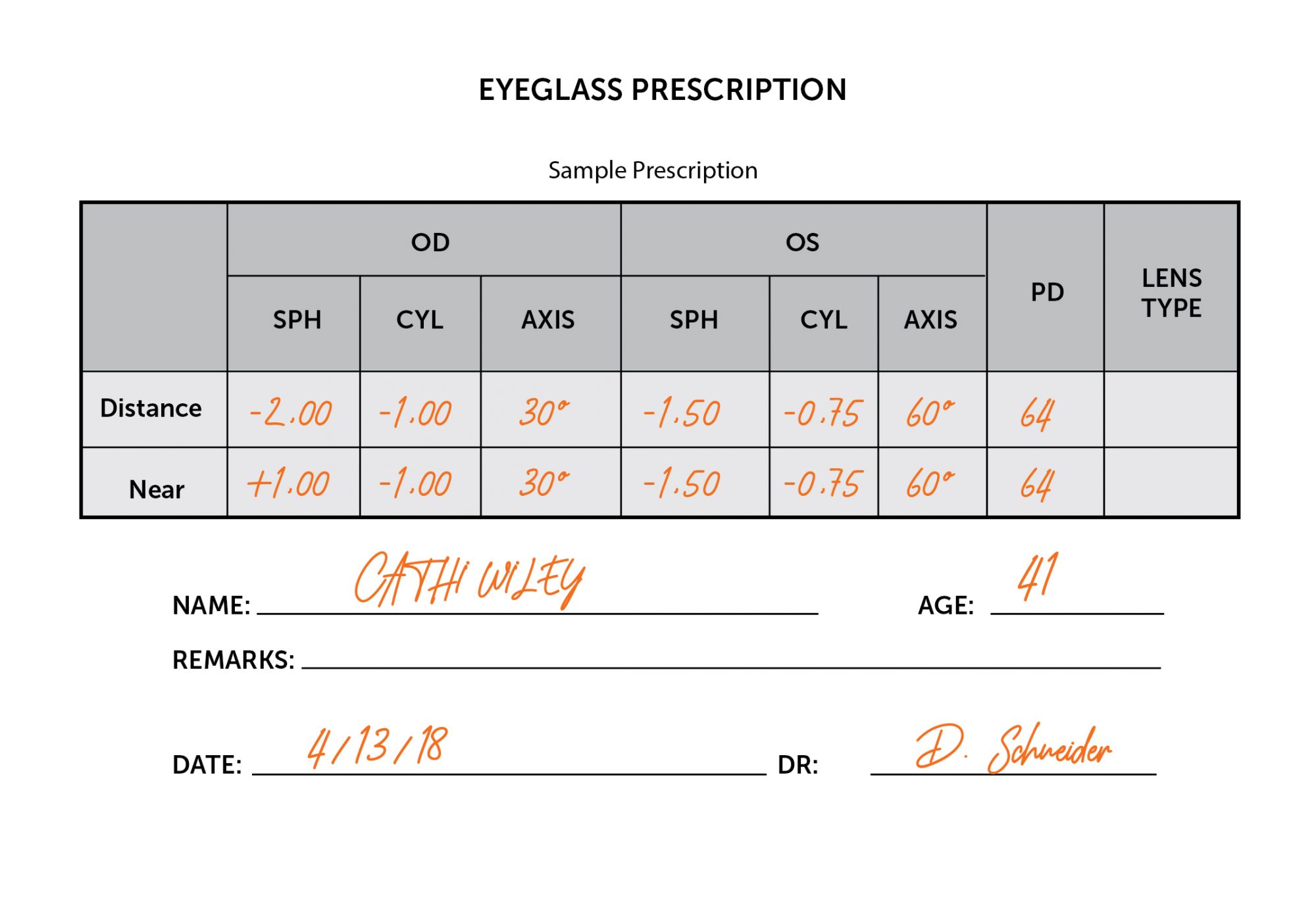
Regular Eye Exams: An Investment, Not an Expense
While the immediate cost of an eye exam might seem like an expense, it is, in fact, an essential investment in your financial and physical well-being. Regular eye examinations ensure your prescription is current, guaranteeing optimal vision correction for daily tasks, work, and leisure. More importantly, comprehensive eye exams can detect early signs of serious eye conditions such as glaucoma, cataracts, and diabetic retinopathy, often before symptoms become apparent. Early detection allows for timely and less invasive (and thus less expensive) interventions, preventing irreversible vision loss or more complex medical treatments. Moreover, the eye exam can also reveal indicators of systemic health problems like hypertension, diabetes, and even brain tumors, prompting early medical attention that can prevent far more significant healthcare expenditures and preserve quality of life. Viewing eye care as a preventative investment rather than a reactive expense is a cornerstone of sound personal finance.
aViewFromTheCave is a participant in the Amazon Services LLC Associates Program, an affiliate advertising program designed to provide a means for sites to earn advertising fees by advertising and linking to Amazon.com. Amazon, the Amazon logo, AmazonSupply, and the AmazonSupply logo are trademarks of Amazon.com, Inc. or its affiliates. As an Amazon Associate we earn affiliate commissions from qualifying purchases.