
In the dynamic realm of branding, design, and marketing, the question “what is a visual illusion?” extends far beyond a mere scientific curiosity. For brands, understanding visual illusions is key to unlocking the subtle power of perception, influencing consumer behavior, and forging a distinct identity in a crowded marketplace. A visual illusion is essentially a deception of the eye and mind, where what we perceive does not correspond to objective reality. These perceptual discrepancies arise from how our brains interpret sensory information, often filling in gaps, making assumptions, or being tricked by context, color, light, and form. For a brand, mastering these principles means not just creating attractive visuals, but crafting experiences that subtly guide perception, enhance memorability, and build powerful emotional connections.
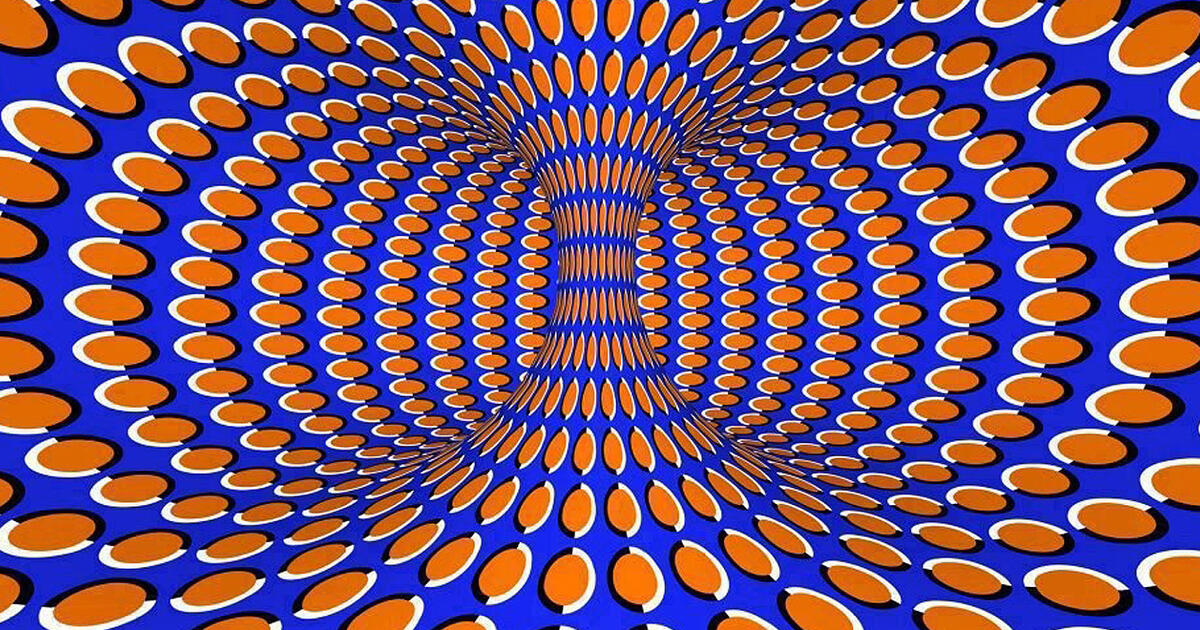
The Perceptive Foundation of Branding: Understanding Visual Illusions
At its core, branding is about managing perception. A brand’s visual identity—its logo, color palette, typography, and imagery—are not just aesthetic choices; they are carefully engineered signals designed to trigger specific interpretations and feelings. Visual illusions reveal how susceptible human perception is to manipulation, offering brands a sophisticated toolkit for communication.
How the Brain Interprets Brand Messages
Our brains are constantly trying to make sense of the world, relying on heuristics and past experiences to quickly process visual data. This efficiency, while generally beneficial for survival, also makes us vulnerable to illusions. When confronted with ambiguous or cleverly structured visual information, the brain often defaults to the most probable or simplest interpretation, which may not always be accurate. For a brand, this means understanding how consumers will naturally interpret specific shapes, colors, or arrangements of elements, and using this knowledge to either reinforce a message or subtly shift perception. For example, a logo using negative space can create an immediate sense of cleverness or depth, fostering a positive association with the brand’s intelligence and sophistication.
Cognitive Biases and Brand Perception
Visual illusions are deeply intertwined with cognitive biases—systematic errors in thinking that influence our judgments and decisions. In branding, these biases are powerful drivers. For instance, the anchoring effect can be influenced by the visual presentation of a product’s original price (e.g., a larger, bolder strikethrough price making a discount seem more significant). The halo effect means that a visually appealing product might be perceived as higher quality overall, even if its actual features are average. Brands strategically employ visual cues to leverage these biases, whether it’s through the perceived exclusivity of minimalist packaging or the trust evoked by a traditional, serif typeface. Understanding these inherent perceptual shortcuts allows brands to design experiences that resonate more deeply and effectively with their target audience, shaping not just what consumers see, but what they believe about the brand.
Crafting Identity: Visual Illusions in Logo and Design
The most potent application of visual illusions in branding lies within the very DNA of a brand’s visual identity: its logo, packaging, and overall design aesthetic. These elements are often the first point of contact between a consumer and a brand, making their perceptual impact paramount.
Iconic Examples and Hidden Meanings
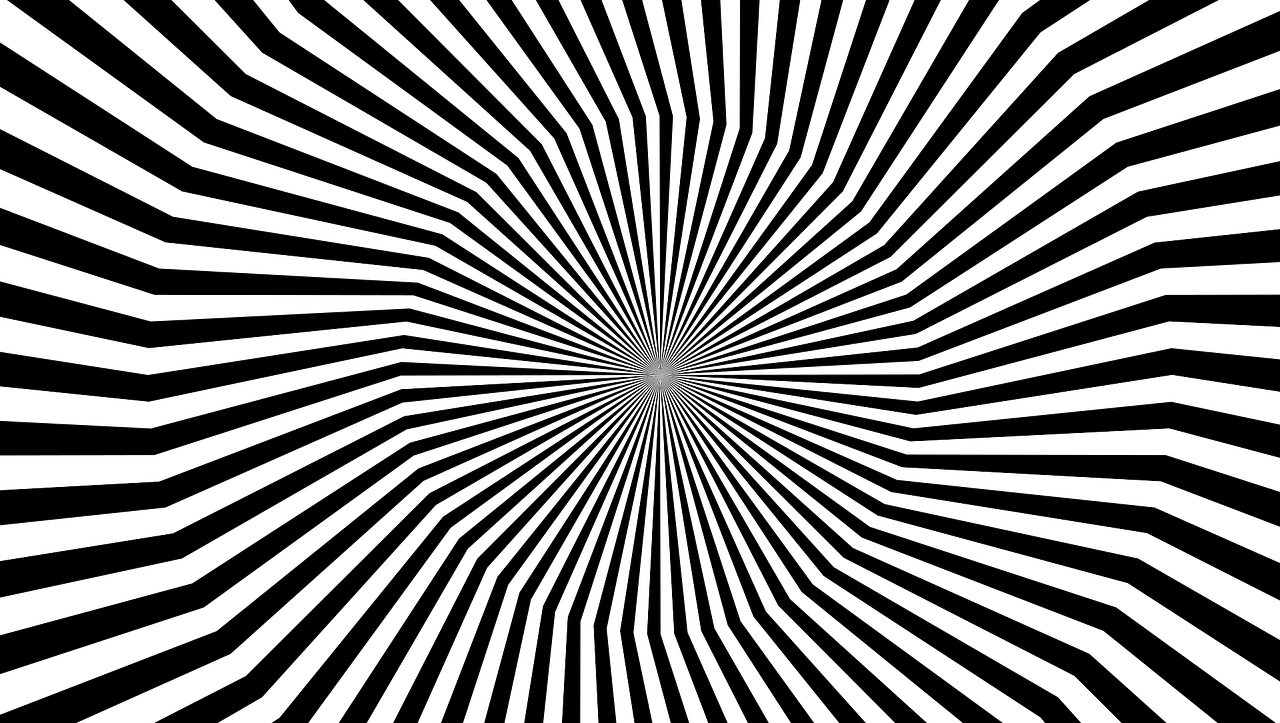
Many of the world’s most recognizable logos subtly employ visual illusions or clever perceptual tricks. The FedEx logo, for instance, famously uses negative space between the “E” and the “x” to form an arrow, symbolizing speed, precision, and forward movement. This “hidden” element is not immediately obvious to everyone, but once seen, it becomes an indelible part of the logo’s identity, adding layers of meaning and sophistication. Similarly, the Toblerone logo features a hidden bear within the mountain peak, paying homage to Bern, Switzerland, “The City of Bears.” These types of illusions create a sense of discovery and delight, fostering deeper engagement and memorability. They transform a static image into an interactive puzzle, rewarding the viewer and embedding the brand story more firmly in their mind. This strategic use of ambiguity or double entendre in logo design ensures the brand leaves a lasting, positive impression, often perceived as clever, thoughtful, and unique.
Packaging and Product Presentation
Beyond logos, packaging design is a fertile ground for visual illusions. Brands frequently use optical tricks to influence perceptions of size, quantity, and quality. For example, taller, narrower packaging can make a product appear larger than its shorter, wider counterpart, even if they contain the same volume (the “Müller-Lyer illusion” in a practical context). Strategic use of color, texture, and light can make a product appear more premium, eco-friendly, or technologically advanced. Glossy finishes might suggest luxury, while matte textures could imply naturalness or sophistication. The way a product is photographed and presented in marketing materials also plays a crucial role; forced perspective can make objects appear larger or smaller, and carefully controlled lighting can highlight desirable features while obscuring flaws. These visual decisions are not just about aesthetics; they are deliberate attempts to influence consumer perception at the point of purchase, guiding their expectations and shaping their experience with the product before it’s even opened.
Beyond Static: Illusions in Marketing and Experiential Brand Building
Visual illusions extend beyond static design elements, finding powerful applications in dynamic marketing campaigns and immersive brand experiences. The principles that govern how our eyes and brains are tricked can be harnessed to create compelling narratives and unforgettable interactions.
Advertising’s Art of Persuasion
In advertising, visual illusions are often employed to create impact, evoke emotion, or simplify complex messages. Advertisers might use techniques like chiaroscuro to highlight a product’s form or create a sense of drama, or employ juxtaposition to create a new, implied meaning. Campaigns utilizing augmented reality (AR) or virtual reality (VR) can construct entire virtual environments that play on depth perception and spatial awareness, offering consumers an “illusory” experience that feels real and immersive. Even traditional print or video ads use clever framing, color psychology, and visual metaphors to suggest benefits or feelings without explicitly stating them. A carefully composed shot of a product glowing with an ethereal light might imply purity or advanced technology, rather than simply showing the product. These visual rhetorics are powerful because they bypass purely logical processing, tapping directly into emotional and subconscious responses.
Digital and Experiential Illusions
The digital landscape offers a new canvas for visual illusions. Website interfaces and app designs can utilize subtle animations, parallax scrolling, or pseudo-3D effects to create a sense of depth and interactivity, enhancing user engagement and making the experience more intuitive and pleasant. Experiential marketing often leans heavily on large-scale optical illusions, such as anamorphic projections on buildings or interactive art installations that appear different from various viewpoints. These “Instagrammable” moments not only draw crowds but also generate significant social media buzz, transforming a temporary visual trick into lasting brand visibility and positive associations. By crafting experiences that deliberately play with perception, brands can create memorable moments that resonate emotionally and become part of the brand’s narrative, fostering a deeper connection with their audience beyond mere transactions.
The Ethical Edge: Responsibility in Visual Brand Communication
While the power of visual illusions in branding is undeniable, its application carries an ethical responsibility. The ability to subtly influence perception also opens the door to potential manipulation, making transparency and authenticity critical considerations for any brand.
Building Trust vs. Manipulation
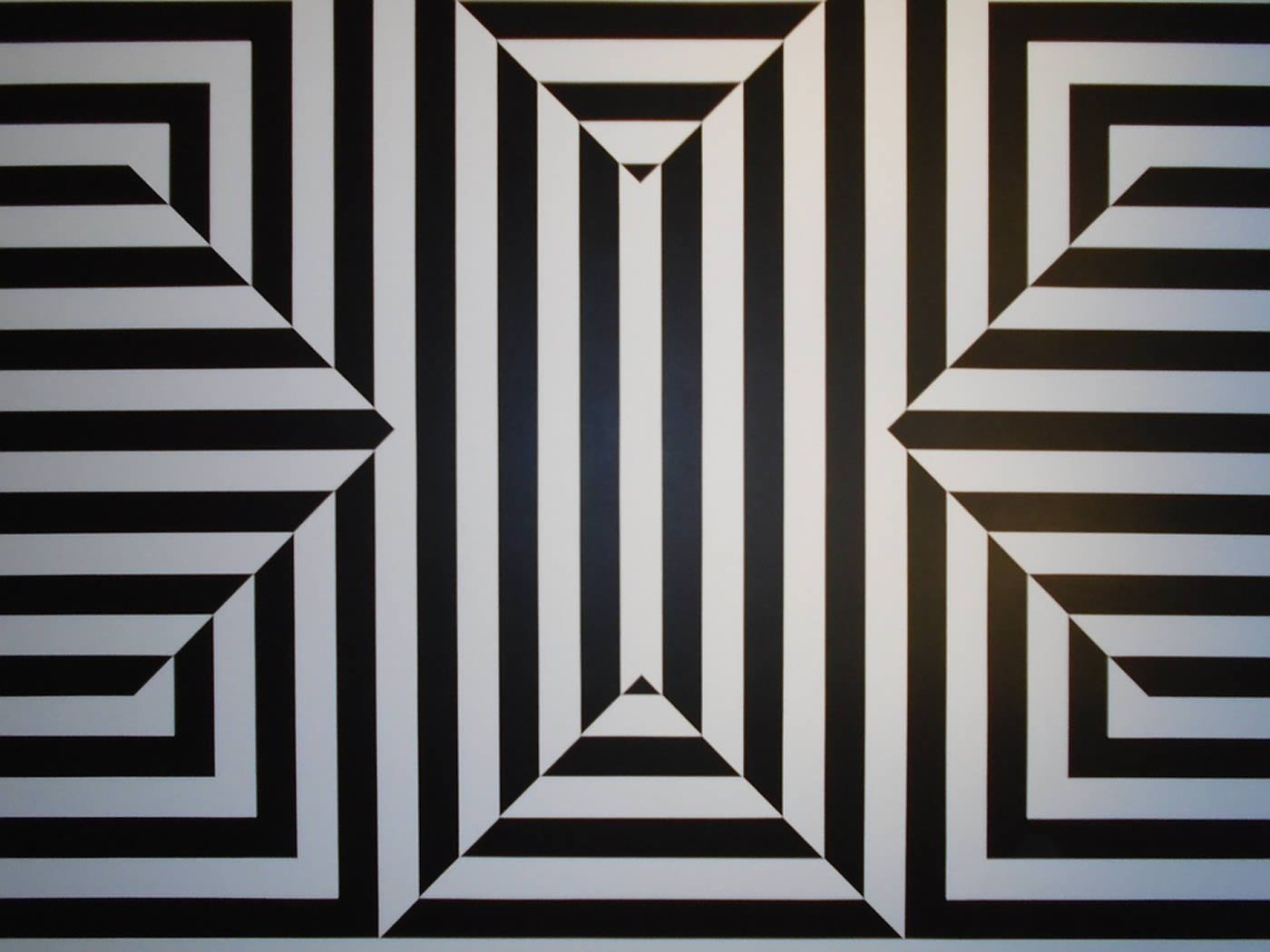
The distinction between creating an engaging, positive brand perception and deceptively manipulating consumers lies in intent and transparency. Using visual cues to enhance a product’s appeal or communicate its benefits clearly is standard practice. However, deliberately using illusions to misrepresent facts, inflate claims, or obscure critical information crosses an ethical line. For instance, digitally altering food in advertisements to make it appear fresher or more abundant than it truly is, or employing misleading packaging that suggests a larger quantity than what’s inside, erodes consumer trust. Brands that prioritize long-term relationships understand that authenticity is paramount. While visual illusions can make a brand more appealing and memorable, they should ultimately serve to truthfully enhance the brand’s message and value proposition, rather than creating a false reality. Building a strong, ethical brand means leveraging the power of perception to inform and delight, ensuring that the magic of a visual illusion enhances reality, rather than obscuring it.
aViewFromTheCave is a participant in the Amazon Services LLC Associates Program, an affiliate advertising program designed to provide a means for sites to earn advertising fees by advertising and linking to Amazon.com. Amazon, the Amazon logo, AmazonSupply, and the AmazonSupply logo are trademarks of Amazon.com, Inc. or its affiliates. As an Amazon Associate we earn affiliate commissions from qualifying purchases.