
In the intricate landscape of biomedical engineering and medical technology, the humble T tube for ears stands as a testament to precision design and functional innovation. Often referred to as tympanostomy tubes, ventilation tubes, or grommets, these tiny devices represent a crucial mechanical intervention in managing chronic middle ear conditions. Far from being a simple foreign body, a T tube is a meticulously engineered gadget designed to restore and maintain proper aeration of the middle ear, thereby preventing fluid accumulation and supporting auditory function. Its development and application reflect significant advancements in materials science, micro-fabrication, and surgical instrumentation, positioning it firmly within the realm of medical tech.
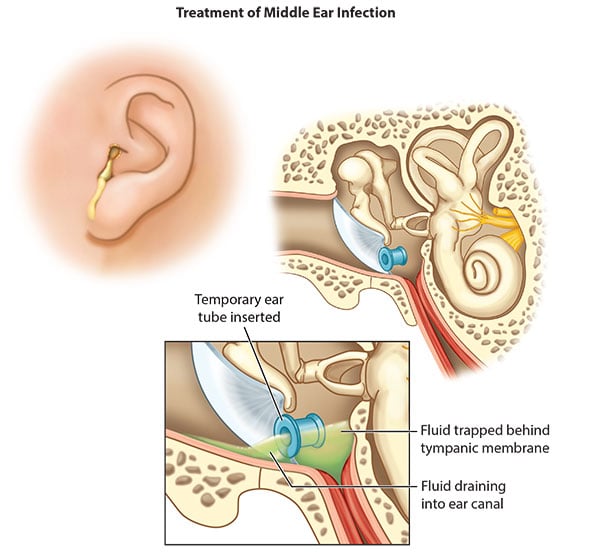
Engineering the Tympanic Membrane Ventilator
The core of a T tube’s efficacy lies in its sophisticated engineering, which addresses a complex physiological challenge with a remarkably simple yet effective mechanical solution. The design is not arbitrary but a result of iterative refinement aimed at maximizing functionality, biocompatibility, and retention.
Design Principles and Material Science
At its heart, a T tube is a small, hollow cylinder, typically with flanges or barbs at one or both ends that resemble the letter “T” when viewed in cross-section – hence its name. These flanges are critical for securing the tube within a small incision made in the tympanic membrane (eardrum). The central lumen of the tube serves as a conduit for air, bypassing the often-obstructed Eustachian tube and allowing the middle ear to ventilate naturally.
The choice of materials is paramount in medical device technology. T tubes are predominantly manufactured from inert, biocompatible polymers like silicone, fluoroplastic (PTFE), or occasionally from metals such as titanium or stainless steel.
- Silicone tubes are prized for their flexibility, inertness, and ease of insertion and removal. Their soft nature reduces irritation to the delicate tympanic membrane.
- Fluoroplastic (PTFE) tubes offer a slightly more rigid structure and are known for their non-stick properties, potentially reducing the adherence of biological debris.
- Titanium tubes represent a more durable, long-term option, leveraging the metal’s excellent biocompatibility and strength. Some designs incorporate a hydrophilic coating to resist biofilm formation, a common challenge in medical implants.
The material selection directly influences the tube’s retention time, which can range from a few months (for short-term silicone grommets) to several years (for long-term T-tubes or titanium designs). The surface characteristics, including porosity and smoothness, are meticulously controlled during manufacturing to minimize tissue reaction and bacterial adhesion, showcasing advanced material science at play.
Micro-Scale Manufacturing and Precision
The production of T tubes is a marvel of micro-scale manufacturing. These devices are typically only a few millimeters in length and diameter, requiring extremely precise molding, extrusion, or machining processes. Quality control involves microscopic inspection to ensure uniform dimensions, smooth edges, and patent lumens, all critical for optimal performance and patient safety. Any deviation could lead to complications such as premature extrusion, obstruction, or trauma during insertion. This level of miniaturization and precision manufacturing aligns closely with the demands seen in other high-tech industries, where component reliability at microscopic scales is non-negotiable.
The Role of T-Tubes in Auditory System Tech
The T tube functions as a sophisticated piece of auditory system tech, mechanically intervening to restore a critical physiological balance that, when disrupted, severely impacts hearing and ear health.
Facilitating Ear Health Through Mechanical Intervention
The primary technological role of a T tube is to provide a persistent ventilation pathway to the middle ear. In conditions like chronic otitis media with effusion (OME), the Eustachian tube – the body’s natural ventilation system – becomes dysfunctional, leading to negative pressure and fluid accumulation (“glue ear”). This fluid impairs the vibration of the ossicles (tiny ear bones) and the tympanic membrane, resulting in conductive hearing loss.
The T tube directly bypasses this anatomical obstruction. By allowing air to enter and exit the middle ear, it equalizes pressure with the outside environment, dries up existing fluid, and prevents new fluid from forming. This mechanical solution directly addresses the physiological deficit, often leading to immediate improvements in hearing and a reduction in the frequency of ear infections. It’s an elegant example of how a simple mechanical gadget can restore complex biological function.
Advancements in Device Functionality and Longevity
Technological advancements have not stopped at material selection. Modern T tubes incorporate features designed to improve functionality and extend effective duration:
- Flange Designs: Beyond the classic “T” shape, designs include various shapes like “Pee Wee” or “Collar Button” tubes, each optimized for different retention times and surgical needs. T-tubes, with their larger inner and outer flanges, are specifically designed for longer-term retention compared to conventional grommets.
- Anti-Biofilm Coatings: Some tubes are now treated with antimicrobial or anti-biofilm coatings. These nanotechnological applications aim to prevent bacterial colonization on the device’s surface, a common cause of tube blockage and recurrent infection, thereby extending the tube’s functional life and reducing the need for re-intervention.
- Drug-Eluting Tubes: A more recent innovation involves drug-eluting T tubes that slowly release corticosteroids or antibiotics directly into the middle ear space. This localized drug delivery system minimizes systemic side effects and targets inflammation or infection at its source, representing a significant leap in therapeutic device integration. These represent a blend of pharmaceutical science and device technology.
Surgical Implementation: A Precision Tech Procedure

The insertion of a T tube is a routine outpatient procedure, yet it relies on precision surgical tech and specialized instrumentation.
Tools and Techniques for Myringotomy and Insertion
The procedure, known as myringotomy with tube insertion, involves a microscopic or endoscopic approach. Surgeons utilize high-magnification operating microscopes or high-definition endoscopes to visualize the tympanic membrane with extreme clarity. These advanced optical gadgets provide the necessary precision for making a tiny incision in the eardrum.
Specialized micro-surgical instruments, often made from titanium or high-grade stainless steel, are employed for the incision and tube placement. These instruments include:
- Myringotomy knives: Ultra-sharp, fine-tipped blades designed to create a clean, precise opening.
- Suction catheters: Fine-gauge tubes used to aspirate fluid from the middle ear cavity, ensuring a dry field for tube insertion.
- Tube inserters/forceps: Delicate instruments specifically shaped to grasp and guide the minute T tube through the myringotomy incision and properly seat its flanges.
The entire process is a demonstration of how advanced instrumentation and visualization technology enable minimally invasive procedures with high success rates, showcasing human skill augmented by precision tech.
Post-Procedure Monitoring and Digital Diagnostics
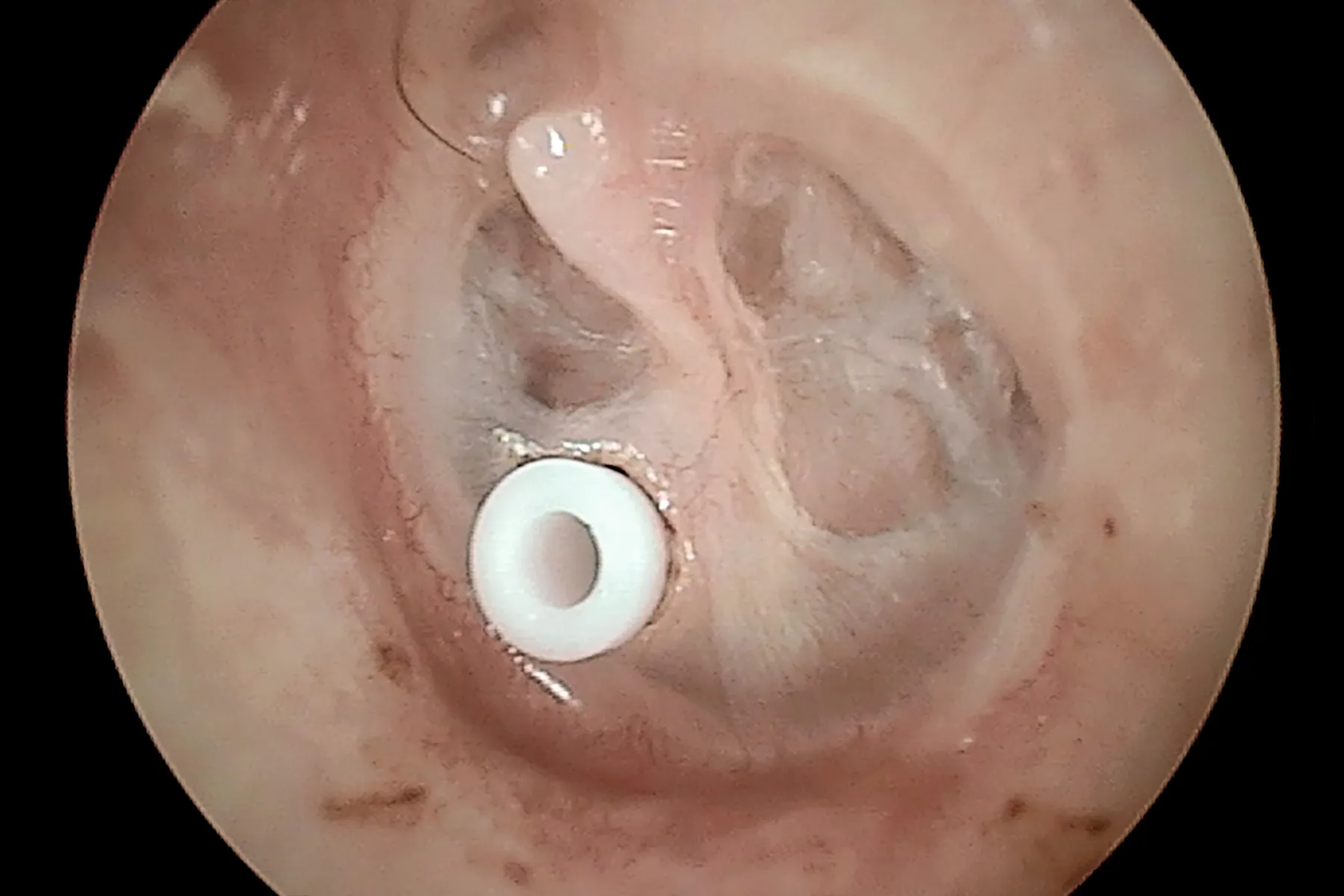
Following T tube insertion, monitoring often involves oto-endoscopy, where a small, flexible endoscope with an integrated light source and camera is used to visually inspect the tube’s patency and position. Digital capture and storage of these images allow for longitudinal tracking of the tube’s performance and the tympanic membrane’s healing process. Audiometry, a digital diagnostic tool, is frequently used post-insertion to objectively measure improvements in hearing, providing quantifiable data on the T tube’s efficacy. While basic, these digital diagnostic tools contribute to a more data-driven approach to post-operative care.
Future Innovations and Smart Ear Devices
The trajectory of T tube technology is moving towards even greater sophistication, integrating principles from smart technology and advanced materials.
Biodegradable Materials and Enhanced Biocompatibility
One significant area of research is the development of biodegradable T tubes. These tubes are designed to dissolve harmlessly over time as the eardrum heals, eliminating the need for a second procedure to remove retained tubes or spontaneous extrusion and the associated risks. Biodegradable polymers, such as polylactic acid (PLA) or polyglycolic acid (PGA), are being explored, which can be engineered to degrade at controlled rates. This innovation represents a leap towards truly transient medical implants that seamlessly integrate and then disappear, reducing patient burden and complications.
Integrating Sensors and Predictive Analytics
The vision for future ear ventilation gadgets includes the integration of micro-sensors. These “smart tubes” could potentially monitor middle ear pressure, detect the presence of fluid or infection, or even wirelessly transmit data to external devices. Such technology would allow for real-time, continuous monitoring, enabling earlier detection of problems and more proactive intervention. Coupled with AI tools for predictive analytics, these smart ear devices could revolutionize the management of chronic ear conditions, shifting from reactive treatment to preventative and personalized care, offering insights into long-term ear health trends and tube performance.
Choosing the Right T-Tube: A Tech Specification Guide
Selecting the appropriate T tube is a critical decision, often guided by specific technical specifications and patient needs. It’s akin to choosing the right gadget for a specific task, where understanding the various designs and their applications is key.
Understanding Design Variations and Their Applications
Different T-tube designs offer distinct advantages. For instance, T-tubes with larger inner flanges are designed for longer retention periods, often preferred for children with severe, recurrent otitis media or adults with chronic Eustachian tube dysfunction. Smaller, simpler grommets are suitable for shorter-term ventilation. The choice between silicone, fluoroplastic, or titanium also depends on the anticipated duration and the patient’s biological response characteristics. Healthcare professionals weigh factors like the expected duration of ventilation, the thickness of the tympanic membrane, and the patient’s history of infection when prescribing a specific tube type, much like a tech expert recommends a gadget based on user requirements and performance specs.
Maintenance and Management of Auditory Gadgets
While T tubes are designed for relatively maintenance-free operation once implanted, management involves patient education on protecting the ears from water, which can be perceived as a form of “user manual” for this auditory gadget. Regular follow-up appointments allow clinicians to visually inspect the tube using advanced otoscopy tech, ensuring patency and proper positioning. In some cases, if a tube becomes blocked with debris, specialized micro-instruments can be used for clearance, akin to troubleshooting and maintaining a complex device to ensure its continued optimal performance. The emphasis is on ensuring this vital piece of medical tech continues to function as designed, providing the necessary ventilation for healthy auditory function.
aViewFromTheCave is a participant in the Amazon Services LLC Associates Program, an affiliate advertising program designed to provide a means for sites to earn advertising fees by advertising and linking to Amazon.com. Amazon, the Amazon logo, AmazonSupply, and the AmazonSupply logo are trademarks of Amazon.com, Inc. or its affiliates. As an Amazon Associate we earn affiliate commissions from qualifying purchases.