
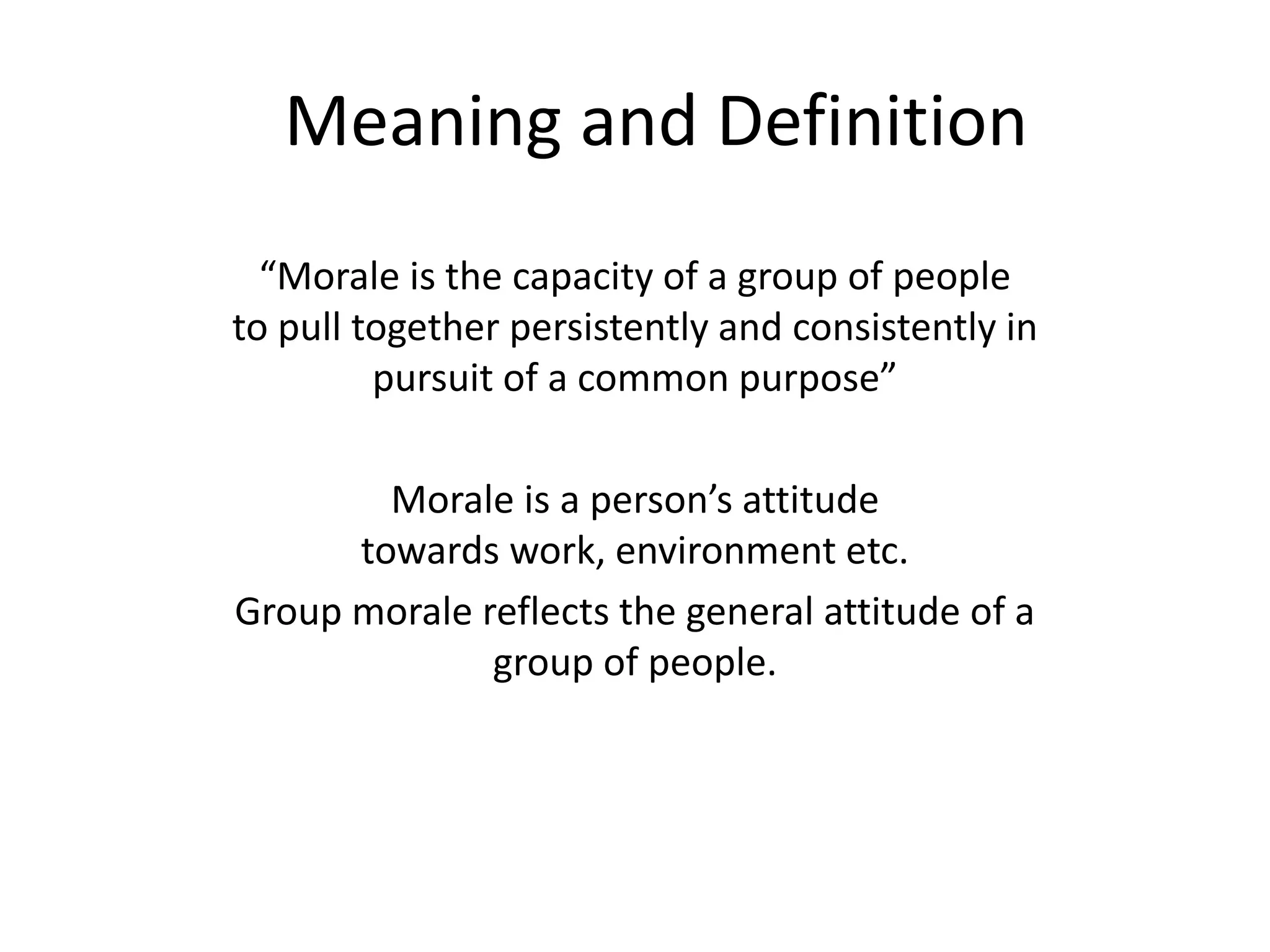
Morale, at its core, is the collective spirit or individual state of confidence, enthusiasm, and discipline, especially as exhibited by a group of people at a particular time. While often perceived as an abstract sentiment, its tangible impact on an organization’s brand identity, strategy, and market presence is profound and undeniable. Within the realm of branding, understanding morale moves beyond simple employee happiness; it delves into the foundational psychological and emotional underpinnings that shape an organization’s culture, drive its performance, and ultimately define its public and internal identity.
Understanding Morale: Beyond Simple Happiness
Morale is a complex construct, far more nuanced than a fleeting mood. It reflects a deeper sense of purpose, belonging, and belief in the mission and values of an organization or an individual’s personal journey. It’s the intrinsic motivation that fuels dedication, resilience, and commitment, acting as a powerful determinant of success in both corporate and personal branding contexts.
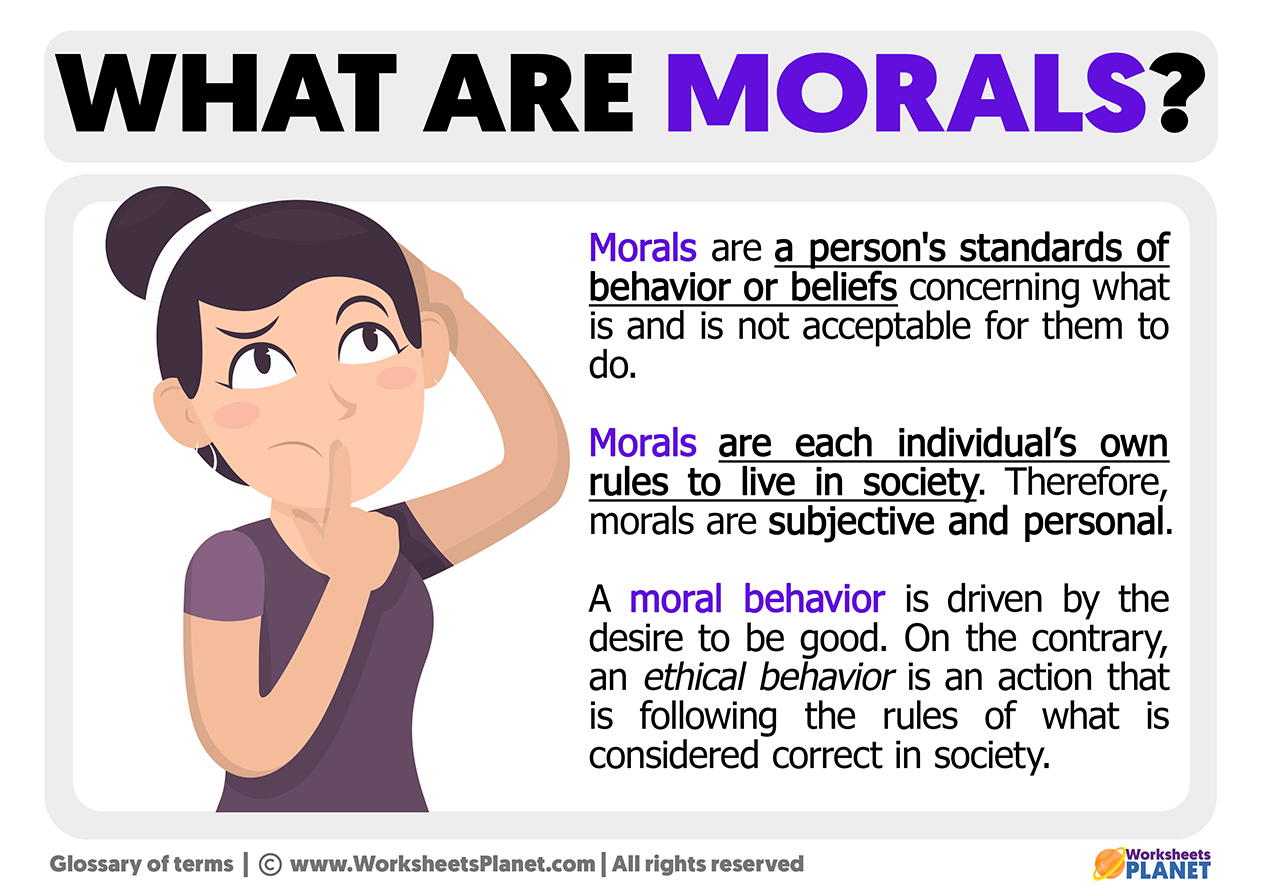
Defining Individual Morale
For individuals, morale encapsulates their psychological well-being, their level of self-efficacy, and their overall enthusiasm for their work and life goals. In personal branding, high individual morale manifests as authenticity, confidence, and a consistent positive presence. It influences how one presents oneself, engages with their audience, and navigates challenges. An individual with high morale is perceived as more reliable, inspiring, and capable, enhancing their personal brand’s appeal and impact. Conversely, low morale can lead to inconsistency, disengagement, and a diminished personal brand perception, affecting networking, career progression, and influence.
Collective Morale in Organizations
In an organizational setting, collective morale is the sum total of individual morale, amplified and shaped by shared experiences, leadership, and corporate culture. It is the invisible force that binds employees, fostering a sense of camaraderie, shared purpose, and mutual support. High collective morale translates into a vibrant workplace, improved productivity, and a strong sense of unity, all of which are critical components of a robust corporate identity. It means employees are not just performing tasks but are invested in the company’s vision, feeling valued and respected. This collective energy directly feeds into the brand’s narrative, shaping how it’s perceived by stakeholders, from customers to investors.
The Indispensable Link Between Morale and Brand Identity
The connection between morale and brand identity is symbiotic. Morale isn’t just an internal HR metric; it’s a dynamic force that actively sculpts a brand’s essence, its promises, and its reputation. A strong brand is built on strong internal foundations, and employee morale is arguably the most crucial of these.
Employee Morale as an Internal Brand Pillar
Employees are the ultimate brand ambassadors. They live and breathe the corporate identity daily, and their morale directly impacts how authentically they embody the brand’s values. When morale is high, employees are more likely to be engaged, proactive, and genuinely passionate about their work. This enthusiasm translates into superior customer service, innovative thinking, and a willingness to go the extra mile. These actions, in turn, reinforce the brand’s promise and its core identity.
Consider a brand that prides itself on exceptional customer experience. If its employees are disengaged due to low morale, that promise rings hollow. Their interactions will lack sincerity, attention, and the problem-solving drive that defines true excellence. Conversely, a team with high morale will intuitively deliver an experience that aligns with and elevates the brand’s reputation. This internal alignment is a cornerstone of brand strategy, ensuring that the brand lives up to its identity at every touchpoint. Corporate identity isn’t just about logos and taglines; it’s about the consistent lived experience, starting from within.
External Brand Perception and Morale
The internal state of an organization inevitably spills over into its external perception. In today’s hyper-connected world, employee sentiment is readily accessible through platforms like Glassdoor, LinkedIn, and social media. What employees say and feel about their workplace directly shapes the company’s employer brand—its reputation as a place to work. A positive employer brand, fueled by high morale, attracts top talent, reducing recruitment costs and improving candidate quality. This, in turn, strengthens the overall brand by ensuring it’s staffed by the best and brightest.
Beyond recruitment, customer interactions are heavily influenced by employee morale. A happy, motivated sales team will market a product with greater conviction. A confident and well-supported customer service representative will handle inquiries with more empathy and effectiveness. These positive interactions build customer loyalty and advocacy, which are vital for sustained market success. Furthermore, high morale can lead to greater innovation and adaptability, allowing a brand to respond effectively to market changes and maintain its competitive edge—a critical aspect of long-term brand strategy and relevance.
Cultivating and Sustaining High Morale for Brand Success
Building and maintaining high morale is not a one-time initiative but an ongoing commitment requiring strategic investment and consistent effort. It’s a fundamental aspect of organizational design and leadership, directly contributing to a resilient and appealing brand.
Leadership’s Role in Shaping Culture and Morale
Effective leadership is paramount in fostering a positive culture that nurtures high morale. Leaders serve as the primary custodians of corporate identity and values. Their actions, decisions, and communication style set the tone for the entire organization. Authentic, empathetic, and transparent leadership inspires trust and confidence, making employees feel valued and heard. When leaders embody the brand’s principles, they reinforce its integrity and provide a clear direction, which is crucial for employee engagement and overall morale. Investing in leadership development that emphasizes emotional intelligence and clear strategic communication is an investment in both morale and the brand’s future.
Communication and Transparency
Open and consistent communication is a bedrock of high morale. Employees need to understand the company’s vision, goals, and how their individual contributions fit into the larger picture. Transparency, especially during challenging times, builds trust and reduces anxiety, preventing rumors and fostering a sense of shared purpose. Regularly solicited and acted-upon feedback mechanisms, such as surveys and open forums, empower employees, making them feel like active participants in the brand’s journey rather than mere cogs in a machine. This active dialogue is a powerful tool in reinforcing the corporate identity and ensuring employees feel connected to the brand narrative.
Recognition, Development, and Well-being
Investing in employee growth and well-being directly impacts morale. Recognition programs, whether formal or informal, acknowledge contributions and affirm value, boosting individual and collective confidence. Opportunities for professional development, training, and career advancement demonstrate an investment in employees’ future, signaling that the company values their long-term growth. Furthermore, a genuine commitment to employee well-being—through work-life balance initiatives, mental health support, and a positive work environment design—shows care and respect. These elements contribute to a positive employee experience, which is increasingly integral to a brand’s attractiveness in the talent market and overall corporate identity. A brand that genuinely cares for its people strengthens its internal foundation and external appeal.
Measuring Morale’s Impact on Your Brand
The impact of morale, while qualitative in many respects, can be indirectly measured through various key performance indicators that ultimately reflect on a brand’s health and market position. Understanding these metrics allows for strategic adjustments in brand strategy and management.
Turnover and Recruitment Efficiency
High employee turnover is a clear indicator of low morale and directly impacts a brand’s financial health and reputation. The costs associated with recruiting, onboarding, and training new employees are substantial. Moreover, a revolving door of staff can signal instability to customers and prospective talent, damaging the employer brand. Conversely, low turnover rates, coupled with high employee retention, indicate a healthy, engaged workforce with strong morale, which enhances the brand’s stability and attractiveness. Recruitment efficiency, including time-to-hire and quality of hire, also improves when a brand is known for its positive internal culture.
Customer Satisfaction and Loyalty
As previously discussed, employee morale profoundly influences customer experience. Companies with highly engaged and motivated employees consistently deliver better service, leading to higher customer satisfaction scores (CSAT, NPS) and increased customer loyalty. Satisfied customers are more likely to become brand advocates, sharing positive experiences and contributing to organic brand growth through word-of-mouth marketing. Dissatisfied customers, often a result of poor employee interactions stemming from low morale, can quickly tarnish a brand’s reputation and lead to churn.

Market Reputation and Employer Branding
The broader market reputation of a brand is heavily influenced by its internal culture and the morale of its workforce. Public perception, reflected in media coverage, industry awards, and online reviews, often correlates with employee sentiment. A brand celebrated for its positive work environment and strong employee morale builds a compelling employer brand, positioning it as an attractive place to work. This not only aids in talent acquisition but also reinforces the corporate identity as responsible, ethical, and people-centric, appealing to customers and investors alike. Ultimately, a brand’s financial success and market valuation are inextricably linked to the strength of its human capital, driven by an unwavering commitment to high morale.
aViewFromTheCave is a participant in the Amazon Services LLC Associates Program, an affiliate advertising program designed to provide a means for sites to earn advertising fees by advertising and linking to Amazon.com. Amazon, the Amazon logo, AmazonSupply, and the AmazonSupply logo are trademarks of Amazon.com, Inc. or its affiliates. As an Amazon Associate we earn affiliate commissions from qualifying purchases.