
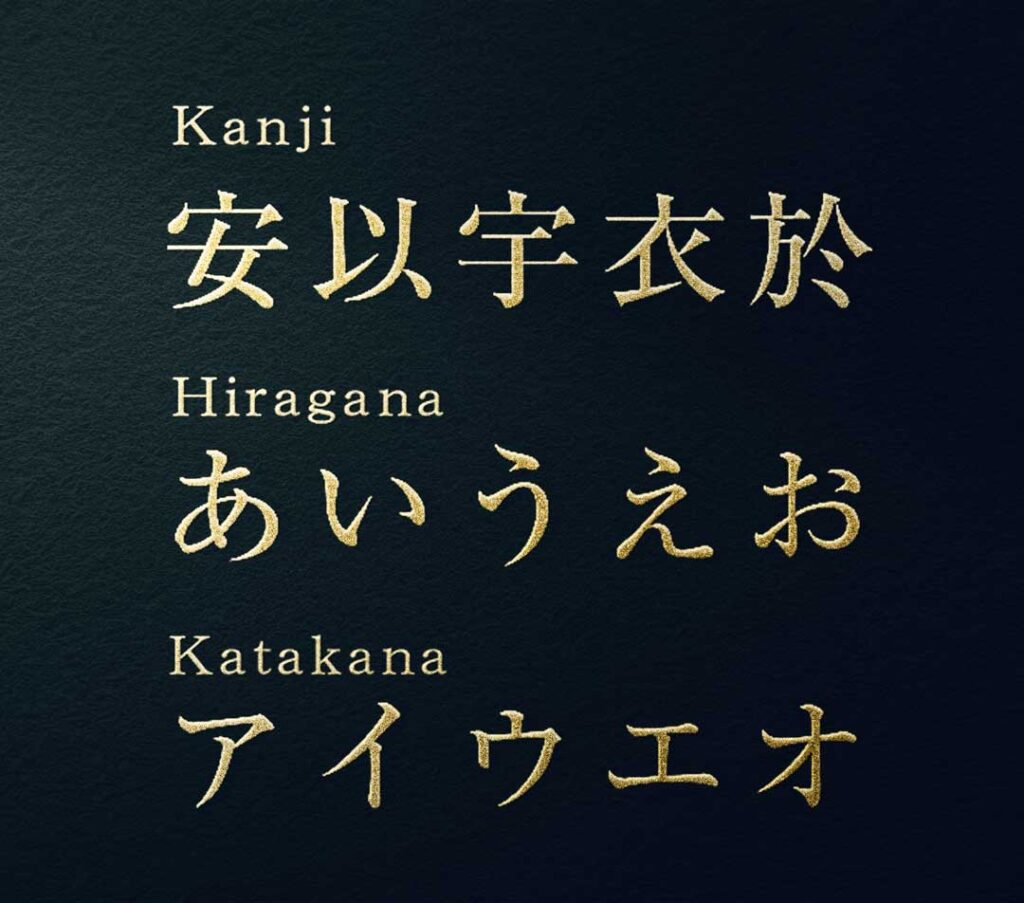
Kanji, one of the three primary writing systems of Japanese, alongside Hiragana and Katakana, represents a fascinating blend of ancient history and modern technological integration. Derived from Chinese characters (hanzi), Kanji embody not just phonetic sounds but also complex meanings, often representing entire words or concepts. In the digital age, understanding Kanji extends beyond linguistic comprehension; it delves into the intricate technicalities of character encoding, software development, artificial intelligence, and digital communication, making its study crucial for anyone engaged with Japanese language technology.
The Digital Evolution of a Pictographic Script
At its core, Kanji is a logographic script, meaning each character (or a combination of characters) typically conveys a distinct meaning. Historically, these characters were etched onto bone, bamboo, or paper, requiring meticulous hand-strokes. The transition to the digital realm introduced both profound challenges and innovative solutions, transforming how Kanji are created, displayed, and processed by machines. This evolution has been critical in shaping the technological landscape of East Asian languages.
From Strokes to Bytes: Character Encoding
The journey of Kanji from physical stroke to digital byte is a complex one, primarily managed through character encoding standards. Early computing systems struggled with the vast number of characters required for Japanese, given that thousands of unique Kanji exist, each with multiple readings and nuances.
Initially, proprietary encoding systems like JIS (Japanese Industrial Standards) and Shift JIS were developed. JIS X 0208, for instance, encoded approximately 7,000 common Kanji characters, along with Hiragana, Katakana, and other symbols. While groundbreaking for its time, these standards often led to “mojibake” (garbled text) when files were opened on systems using different encodings. This fragmentation highlighted the need for a universal solution.
The advent of Unicode revolutionized the digital representation of Kanji and virtually every other writing system globally. Unicode provides a unique number (code point) for every character, irrespective of the platform, program, or language. Kanji characters are primarily located in the CJK Unified Ideographs block, a massive collection designed to consolidate similar Han characters from Chinese, Japanese, and Korean into a single set of code points to save space. This unification, while efficient, sometimes masks subtle orthographic differences important to specific languages. Nevertheless, Unicode’s widespread adoption, particularly through its UTF-8 encoding scheme, has enabled seamless digital communication and processing of Kanji across diverse technological environments, from operating systems to web browsers and mobile applications.
Input Methods and Digital Text Creation
Creating Kanji text digitally is a sophisticated process that relies heavily on Input Method Editors (IMEs). Unlike alphabetic languages where each key press typically corresponds to a single character, Japanese requires a more intelligent system. Users primarily input phonetic Hiragana characters, which the IME then intelligently converts into appropriate Kanji.
Modern IMEs are highly advanced, leveraging dictionaries, linguistic algorithms, and even machine learning to predict the most likely Kanji conversion. For example, typing “ni-hon” in Hiragana (にほん) would prompt the IME to suggest common Kanji spellings like 日本 (Japan), or perhaps even other less common homophones. Users can then select the correct Kanji from a list of suggestions. Advanced IME features include:
- Contextual Conversion: The IME considers surrounding words to offer more accurate Kanji suggestions, reducing ambiguity.
- Learning Capability: IMEs learn from user input, prioritizing frequently used Kanji combinations and personal vocabulary.
- Handwriting Recognition: For complex or less common Kanji, users can often draw the character directly on a touchscreen or with a mouse, and the IME will attempt to recognize it.
- Radical Lookup: Some IMEs allow users to input Kanji by combining their constituent radicals (basic graphical components), which is particularly useful for characters whose readings are unknown.
These digital input mechanisms are fundamental to empowering users to compose Japanese text efficiently and accurately, bridging the gap between a complex writing system and modern digital interfaces.
Kanji in Software and Application Development
The integration of Kanji profoundly impacts software and application development, requiring developers to consider specific design, display, and localization challenges. Creating software that correctly supports and renders Kanji is not merely a matter of displaying characters; it involves deep understanding of cultural context, font metrics, and user expectations.
UI/UX Design for Multilingual Interfaces
When designing user interfaces (UI) and user experiences (UX) for applications that support Japanese, Kanji introduces several unique considerations. Font selection is paramount; not all fonts possess comprehensive Kanji character sets, and those that do vary widely in legibility and aesthetic quality. Poor font choices can lead to “tofu” (missing character boxes) or simply render the interface difficult to read. Developers must ensure that selected fonts are robust, cover a wide range of Kanji, and are optimized for various screen resolutions and sizes.
Furthermore, the average length of Japanese words and sentences when written with Kanji can be significantly different from their English counterparts. This affects layout design, requiring flexible UI elements that can accommodate varying text lengths without overflowing or creating excessive white space. Text justification, line breaking rules, and even the vertical writing option (tategaki), though less common in digital interfaces, must be considered. Consistent display across different operating systems and browsers also requires careful attention to rendering engines and character metrics.
Localization Challenges and Best Practices
Localizing software for the Japanese market is a critical undertaking where Kanji plays a central role. Beyond direct translation, effective localization involves adapting the software to cultural nuances, which often manifest through specific Kanji usage. The same concept might be expressed with different Kanji depending on the context or desired tone (e.g., formal vs. informal, specific industry jargon).
Key challenges in Kanji localization include:
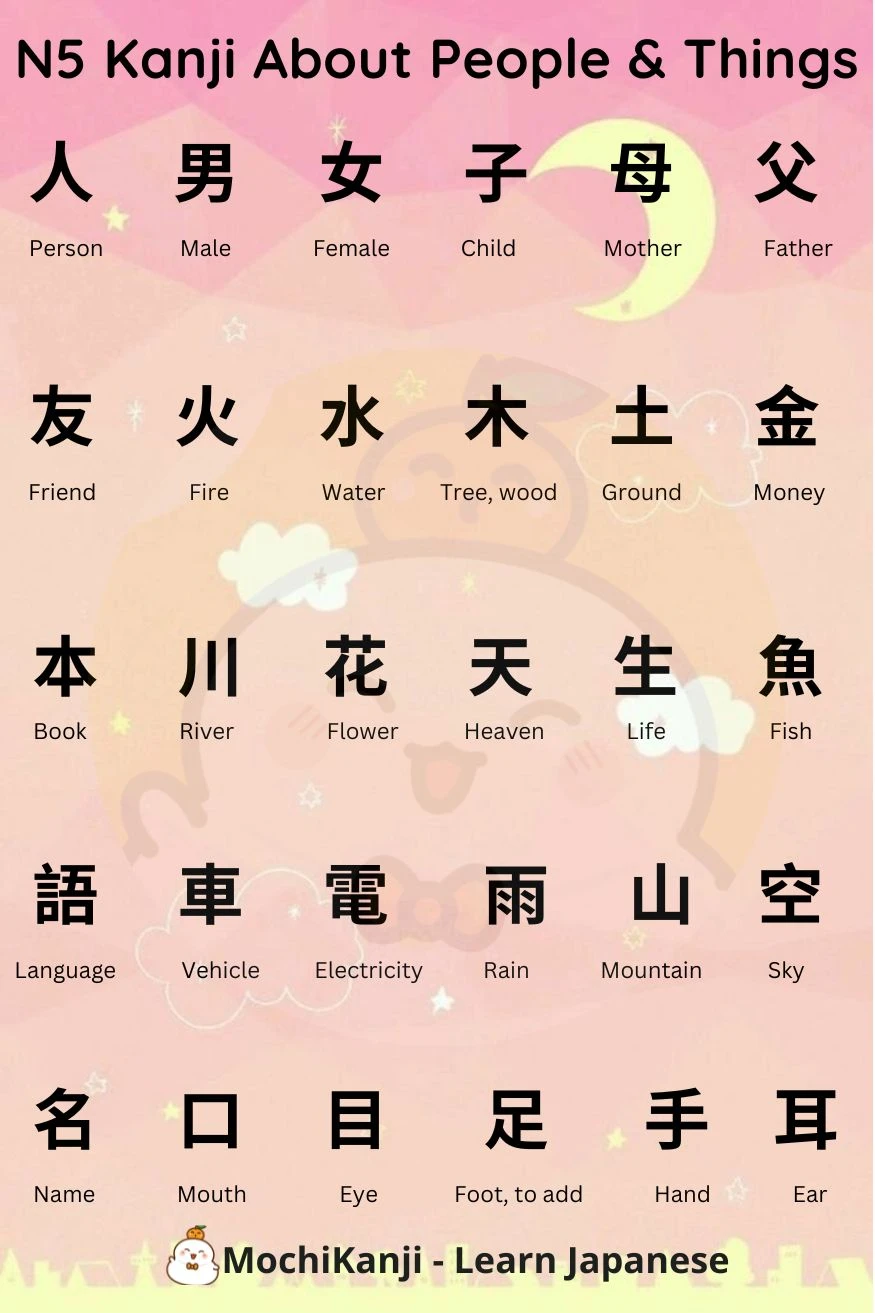
- Homonyms: Japanese has numerous homophones, words that sound the same but are written with different Kanji and have distinct meanings. Incorrect Kanji selection during translation can lead to significant misunderstandings.
- Contextual Meaning: The meaning of a single Kanji can change dramatically when combined with other Kanji, forming compound words. Translators must possess a deep understanding of these compounds.
- Character Width: Kanji are typically “full-width” characters, occupying twice the horizontal space of “half-width” alphanumeric characters. This affects character limits in input fields, database storage, and string manipulation in programming. Developers must account for these width differences in calculations and display.
- Platform Compatibility: Ensuring that Kanji display correctly across different platforms (Windows, macOS, iOS, Android) and their respective font rendering systems is crucial to avoid inconsistencies or character corruption.
Best practices for developers include using Unicode consistently throughout the development stack, thorough testing with native speakers, employing experienced Japanese localization professionals, and designing flexible layouts that can adapt to the specific characteristics of Kanji text.
The Role of Kanji in AI and Natural Language Processing (NLP)
The complexity of Kanji makes it a formidable yet fascinating subject for artificial intelligence and Natural Language Processing (NLP). AI systems designed to understand, process, and generate Japanese text must contend with the unique challenges presented by Kanji’s logographic nature, multiple readings, and contextual dependencies.
AI-Powered Translation and OCR
AI-powered translation services, such as Google Translate or DeepL, have made significant strides in handling Japanese text. However, accurately translating sentences containing Kanji requires more than just dictionary lookups. AI models must:
- Contextualize Kanji: Distinguish between multiple readings and meanings of the same Kanji based on surrounding words and grammatical structure.
- Handle Homonyms: Identify the correct Kanji for a homophonic word based on semantic context, a task that humans perform intuitively but is challenging for machines.
- Parse Complex Sentence Structures: Japanese grammar, with its SOV (Subject-Object-Verb) structure and particle usage, combined with Kanji, demands sophisticated parsing capabilities.
Optical Character Recognition (OCR) technology also relies heavily on advanced AI for Kanji recognition. Given the intricate strokes and sometimes subtle variations between similar Kanji, OCR systems use deep learning models trained on vast datasets to accurately identify characters from images or scanned documents. This technology is vital for digitizing historical texts, processing forms, and making image-based content searchable.
Machine Learning for Kanji Recognition and Generation
Machine learning algorithms are at the forefront of advancing Kanji technology. In handwriting recognition, neural networks are trained on millions of handwritten Kanji samples to identify characters drawn on touchscreens or tablets. These models learn to recognize stroke order, common variations, and stylistic differences, achieving impressive accuracy.
Furthermore, generative AI models are beginning to explore Kanji generation. This includes not only generating plausible Kanji characters but also text generation in Japanese that correctly incorporates Kanji based on context and meaning. These models contribute to advanced features in IMEs, intelligent tutoring systems for language learners, and even creative applications in digital art and typography. The development of AI models that can truly “understand” and manipulate Kanji represents a significant leap towards more natural and intelligent human-computer interaction in Japanese.
Educational Technology and Kanji Mastery
Learning Kanji is often cited as one of the most challenging aspects of mastering Japanese. Educational technology has emerged as a powerful ally, offering innovative tools and methodologies to make the process more accessible, engaging, and effective.
Language Learning Apps and Gamification
Modern language learning applications heavily leverage technology to aid Kanji acquisition. Apps like WaniKani, Anki, and Memrise utilize techniques such as spaced repetition systems (SRS) to optimize memory retention. SRS algorithms present Kanji characters to users at scientifically calculated intervals, reinforcing recall just before forgetting occurs. This systematic approach is particularly effective for memorizing the thousands of Kanji, their readings, and meanings.
Gamification elements, such as points, levels, progress tracking, and competitive leaderboards, are often integrated to make the learning process more engaging and less monotonous. Interactive drills allow users to practice writing Kanji, identify readings, and build vocabulary in a dynamic environment, transforming what was once a tedious task into an enjoyable digital experience.

Digital Dictionaries and Reference Tools
Digital dictionaries and reference tools have revolutionized how learners and professionals interact with Kanji. Websites and applications like Jisho.org, Denshi Jisho (electronic dictionaries), and various mobile dictionary apps offer instant access to comprehensive information about Kanji. Users can look up characters by:
- Radical: Inputting the constituent parts of a Kanji.
- Stroke Count: Searching by the number of strokes.
- Reading: Inputting the Hiragana or Katakana pronunciation.
- Meaning: Searching by the English definition.
- Handwriting: Drawing the character directly.
These tools often provide detailed information, including multiple readings (on’yomi and kun’yomi), stroke order animations, example sentences, and related vocabulary. For developers, these resources are invaluable for ensuring correct Kanji usage in documentation, code comments, and user-facing text. The accessibility and depth of these digital resources have significantly lowered the barrier to entry for understanding and using Kanji in a technological world.
aViewFromTheCave is a participant in the Amazon Services LLC Associates Program, an affiliate advertising program designed to provide a means for sites to earn advertising fees by advertising and linking to Amazon.com. Amazon, the Amazon logo, AmazonSupply, and the AmazonSupply logo are trademarks of Amazon.com, Inc. or its affiliates. As an Amazon Associate we earn affiliate commissions from qualifying purchases.