
In the dynamic world of brand strategy and visual design, understanding foundational art movements is not merely an academic exercise; it’s a critical component of developing sophisticated aesthetic sensibilities and impactful communication. Impressionism, a revolutionary art movement that emerged in 19th-century France, offers profound insights into perception, visual language, and the power of authenticity – principles that remain highly relevant for modern branding and design. To truly appreciate its contemporary application, one must first grasp its essence.
The Dawn of a New Aesthetic: Origins and Core Philosophy
Impressionism burst onto the art scene as a radical departure from the established norms of its time, fundamentally altering how artists perceived and depicted the world. Its origins are steeped in a desire for artistic freedom and a quest to capture the ephemeral beauty of life.
Breaking from Tradition: The Salon and Academic Art
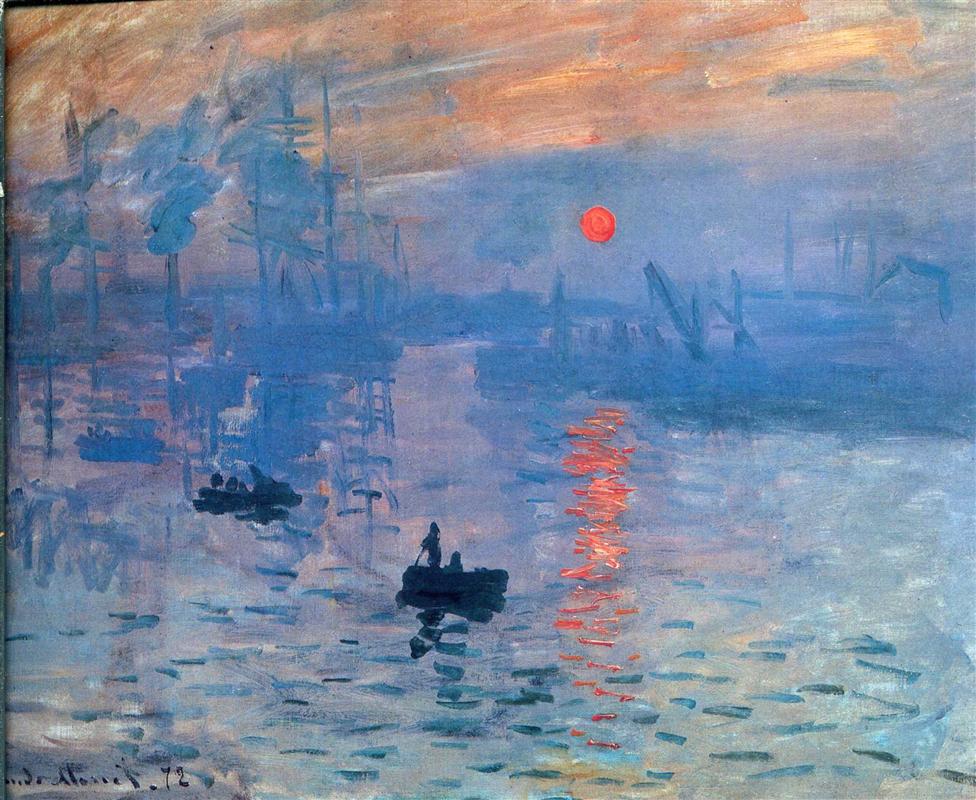
Before Impressionism, the art world was dominated by the French Académie des Beaux-Arts and its annual exhibition, the Salon. Academic art emphasized historical, mythological, and religious subjects, rendered with meticulous detail, smooth brushwork, and strict adherence to classical ideals of form and composition. Artists were expected to paint in studios, often from sketches or models, producing idealized and polished works. This rigid system left little room for personal interpretation, direct observation, or the portrayal of contemporary life. The budding Impressionists, a diverse group including Claude Monet, Pierre-Auguste Renoir, Edgar Degas, Camille Pissarro, and Berthe Morisot, found this environment creatively stifling. They were drawn to depicting the immediate world around them, challenging the very definition of “fine art.” Their independent exhibitions, starting notably in 1874, were met with initial scorn, with critics derisively labeling their work “impressions”—a term the artists eventually adopted with pride. This act of defiance established a powerful precedent for innovation, much like brands today might disrupt established markets with novel approaches.
Capturing the Fleeting Moment: Light, Color, and Perception
At the heart of Impressionist philosophy was the pursuit of capturing a single, fleeting moment in time, a specific “impression” of light and color as perceived by the human eye. This meant abandoning the academic pursuit of perfect form and line in favor of emphasizing the sensory experience of seeing. Artists moved out of their studios and into the open air (en plein air), observing the direct effects of sunlight, atmosphere, and the changing seasons on landscapes, cityscapes, and everyday scenes. They were fascinated by how light transformed objects, creating vibrant colors, reflections, and shadows that were often ignored or stylized in traditional painting. This focus on immediate perception over preconceived notions allowed them to imbue their canvases with a sense of dynamism and vitality. For branding, this translates to understanding how visual elements are perceived in an instant, how mood and atmosphere are conveyed immediately, and how the “impression” a brand leaves is often more impactful than a literal representation.
Signature Characteristics and Techniques for Visual Impact
The Impressionists developed a distinctive visual language that allowed them to achieve their philosophical goals. These techniques were revolutionary at the time and continue to inform contemporary visual design principles, offering lessons in conveying emotion, dynamism, and authenticity.
The Power of the Brushstroke: Visible Texture and Spontaneity
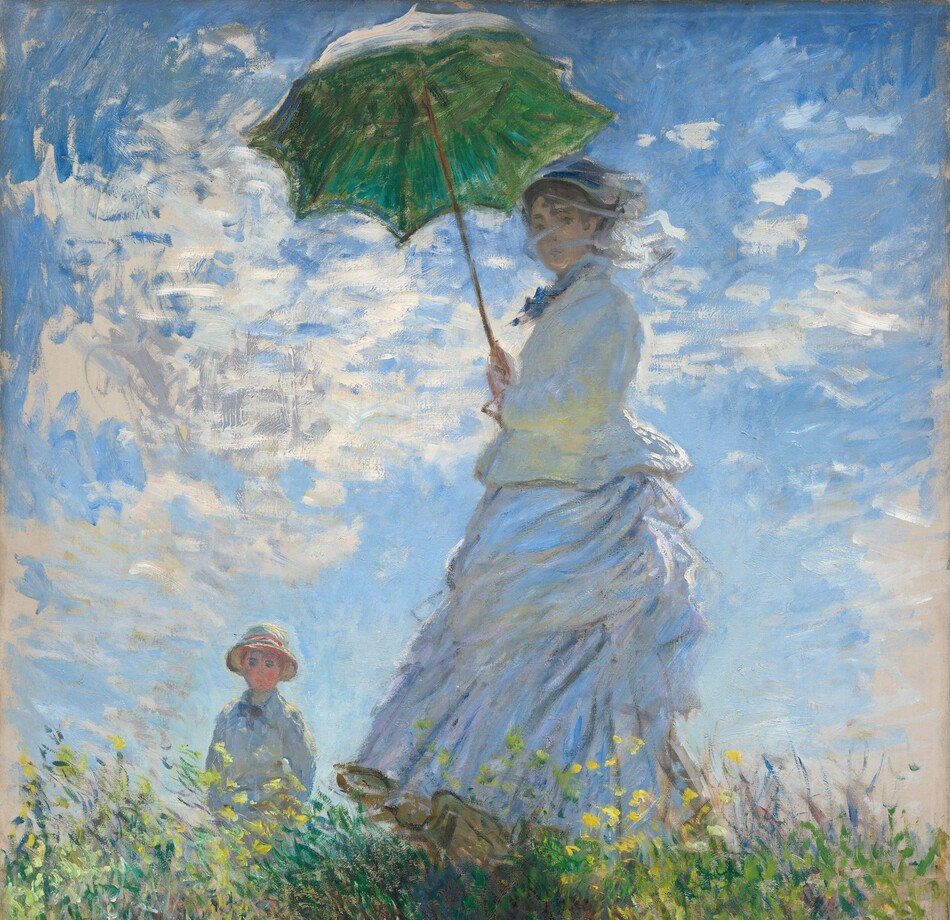
One of the most striking features of Impressionist painting is the visible, broken brushstroke. Unlike academic painters who painstakingly smoothed away brush marks to create a polished surface, Impressionists intentionally left their brushstrokes raw and distinct. This technique served several purposes: it conveyed a sense of immediacy and spontaneity, suggesting the rapid capture of a moment; it allowed for the optical blending of colors when viewed from a distance; and it added a palpable texture to the canvas, making the painting an object in itself, rather than merely a window to another scene. From a design perspective, visible texture can evoke a handcrafted, authentic feel, while spontaneity can communicate energy and responsiveness. Brands often leverage distinct visual textures or expressive graphic elements to establish a unique and memorable identity, breaking from the polished homogeneity that can sometimes define corporate design.
Color Theory in Action: Juxtaposition and Optical Blending
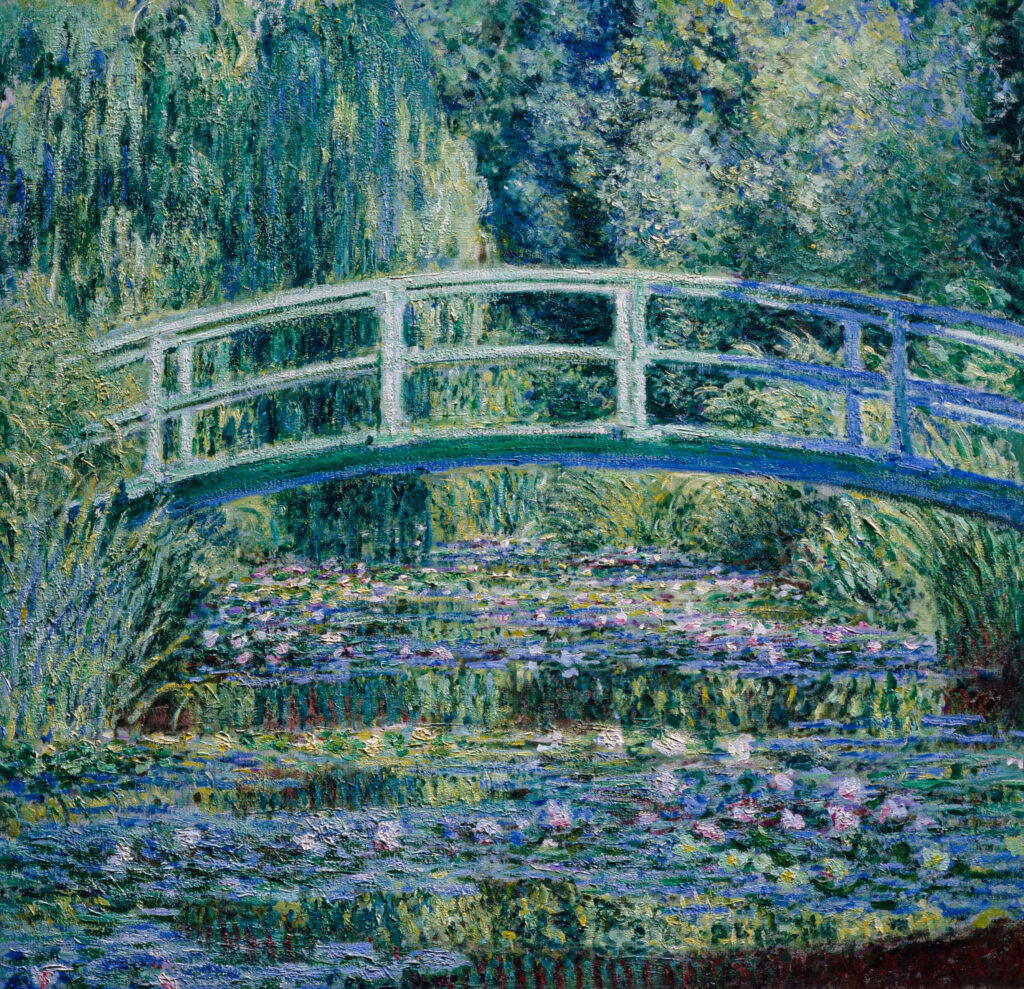
Impressionists were masters of color, using it not just to describe objects but to express light, shadow, and atmosphere. They eschewed the use of black for shadows, instead employing complementary colors or deep hues to create depth and contrast. They frequently placed pure, unmixed colors side-by-side on the canvas, allowing the viewer’s eye to “mix” them optically when viewed from a distance. This technique, known as optical blending, results in a more vibrant and luminous effect than simply mixing pigments on a palette. Their palettes were generally bright and rich, reflecting their observation of natural light. For branding and marketing, this highlights the power of color psychology and dynamic color schemes. Understanding how colors interact and how they are perceived allows designers to create visual assets that are not only aesthetically pleasing but also evoke specific emotions, draw attention, and communicate brand values effectively. Think of a brand that uses a vibrant, almost shimmering color palette to convey innovation and energy.
Everyday Life as Subject: Authenticity and Relatability
In defiance of the grand historical narratives favored by the Salon, Impressionists turned their gaze to modern life. They painted Parisian boulevards, bustling cafés, leisurely picnics, ballet dancers, laundresses, and intimate domestic scenes. This focus on the mundane, the accessible, and the contemporary rendered their art highly relatable to the burgeoning middle class. It imbued their work with a sense of authenticity, reflecting the world their viewers lived in. For brands, this resonates deeply with the push for authenticity and relatability in marketing. Brands that genuinely reflect the lives and aspirations of their target audience, that celebrate everyday moments, and that communicate in an unpretentious manner often forge stronger, more meaningful connections with consumers. The Impressionists proved that profound beauty and resonance could be found not just in grand narratives, but in the honest depiction of the present.
Impressionism’s Enduring Influence on Modern Design and Brand Aesthetics
The artistic innovations of Impressionism laid groundwork for subsequent art movements and profoundly impacted the trajectory of visual culture. Its principles continue to offer valuable lessons and inspiration for contemporary design and branding, particularly in an era dominated by visual communication.
Informing Visual Identity: Crafting Brand Mood and Tone
Impressionism’s focus on atmosphere, light, and subjective perception makes it a powerful reference for crafting brand mood and tone. A brand aiming for an ethereal, sophisticated, or dreamlike quality might draw inspiration from Monet’s diffuse light and soft colors. Conversely, a brand seeking to convey spontaneity, energy, or urban grit might reference the bustling scenes of Renoir or Degas. The deliberate choice of color palettes, typographic styles, and photographic filters in modern brand guidelines often echoes the Impressionists’ meticulous attention to light and color to evoke specific feelings. The ability to create an ‘impression’ of a brand, rather than just a literal description, is key to memorable visual identity.
Dynamic Marketing and Storytelling: Engaging the Viewer’s Perception
The Impressionists’ innovative use of composition and brushwork to convey motion and capture fleeting moments translates directly to dynamic visual marketing. In advertising, videography, and digital content, designers strive to create engaging narratives that capture attention instantly. The Impressionist idea of suggesting movement through broken forms and vibrant contrasts can be seen in fast-paced video edits, animated graphics, and photography that focuses on candid, unposed moments. This approach allows brands to tell stories that feel authentic and immediate, mirroring the Impressionists’ desire to capture life as it unfolds. It’s about creating content that doesn’t just show, but feels.
Product Design and Environmental Aesthetics: Experience-Centric Approaches
Beyond two-dimensional design, Impressionist principles can influence product design and environmental aesthetics. The emphasis on how light interacts with surfaces, the tactile quality of materials, and the creation of specific atmospheres all find parallels in modern experiential design. For example, a retail space might be designed with lighting that mimics natural shifts throughout the day, or with furniture that features visible textures to create a sense of handcrafted quality. Product designers might consider how the interplay of color and form evokes an immediate emotional response, much like an Impressionist painting. The focus is always on the user’s subjective experience and the overall “impression” created.
Strategic Lessons from Impressionism for Contemporary Branding
Impressionism was more than just a style; it was a movement driven by a strategic imperative to redefine art. These strategic underpinnings offer timeless lessons for brands seeking to innovate, differentiate, and connect with their audience.
Embrace Innovation: Challenging Norms to Stand Out
The Impressionists were rebels, willing to defy academic conventions and endure criticism for their vision. Their success ultimately came from their unwavering commitment to innovation and their belief in a different way of seeing. For brands, this translates to the courage to challenge industry norms, experiment with new visual languages, and differentiate through unique aesthetic choices. Rather than conforming to what’s popular, brands can draw inspiration from Impressionism’s audacity to create a distinctive identity that truly stands out in a crowded marketplace.
The Art of Perception: Shaping Audience Experience
At its core, Impressionism is about perception – how light and color are perceived by the eye and interpreted by the mind. For branding, this underscores the importance of understanding target audience perception. A brand’s visual assets, marketing campaigns, and even product design should be meticulously crafted to shape the desired “impression” on the consumer. It’s not just about what a brand is, but what it feels like, how it’s experienced. Impressionism teaches us that subtle shifts in visual cues can dramatically alter perception and emotional response.
Authenticity and Relatability: Building Deeper Connections
By depicting everyday life and valuing personal observation, Impressionists created art that resonated with the common person. Their works felt authentic and relatable, fostering a deeper connection with viewers than the distant, idealized scenes of academic art. Modern brands striving for genuine engagement can learn from this. Authenticity in visual storytelling, candid portrayal of people, and focusing on relatable experiences build trust and loyalty. By reflecting the actual lives and values of their audience, brands can transcend mere transactions and foster truly meaningful relationships, mirroring the way Impressionism brought art closer to everyday human experience.
aViewFromTheCave is a participant in the Amazon Services LLC Associates Program, an affiliate advertising program designed to provide a means for sites to earn advertising fees by advertising and linking to Amazon.com. Amazon, the Amazon logo, AmazonSupply, and the AmazonSupply logo are trademarks of Amazon.com, Inc. or its affiliates. As an Amazon Associate we earn affiliate commissions from qualifying purchases.