
In the diverse landscape of real estate ownership, the cooperative model stands as a distinct and often misunderstood financial structure. Unlike traditional homeownership where an individual directly owns a physical property unit, a real estate cooperative, or “co-op,” introduces a layer of collective ownership that has profound implications for personal finance, investment strategy, and the very concept of property value. Understanding a co-op is not merely about identifying a type of building; it’s about grasping a unique business entity where residents are shareholders, and their financial stake is intrinsically tied to the collective health and management of the entire property.

Understanding the Cooperative Ownership Model
At its core, a real estate cooperative is a corporation that owns a multi-unit building or complex. When you “buy” into a co-op, you are not purchasing real property in the conventional sense. Instead, you are buying shares in that corporation, and those shares come with a proprietary lease or occupancy agreement that grants you the exclusive right to occupy a specific unit. This fundamental distinction reshapes nearly every financial aspect of co-op living, from the initial purchase to ongoing costs and eventual resale.
Shareholder, Not Owner: The Fundamental Distinction
The most critical financial difference is that a co-op resident is a shareholder and a tenant of the corporation, not a direct owner of the physical real estate unit. The corporation, as the sole owner of the land and building, holds the master mortgage, pays property taxes, and manages the entire property. Individual shareholders pay a proportionate share of these expenses, along with building maintenance, utilities, and reserves, through their monthly maintenance fees. This structure means that rather than holding a deed, a co-op resident possesses shares and a lease, which affects collateral, financing options, and the legal framework of their investment.
The Underlying Asset: A Business, Not Just a Building
From a financial perspective, a cooperative is a business enterprise. Its assets include the building and land, and its liabilities include the underlying mortgage and operational expenses. The value of an individual’s shares is linked to the financial health and market perception of this corporate entity. A well-managed co-op with strong financial reserves and sound operational practices will generally present a more secure and potentially more valuable investment for its shareholders. Conversely, poor financial management, deferred maintenance, or significant underlying debt can negatively impact share values and increase monthly costs for residents, directly affecting their personal balance sheets.
Financial Implications for Residents
The co-op model dictates a distinct financial journey for its residents, diverging significantly from that of condominium owners or single-family homeowners. Prospective buyers must be acutely aware of these unique financial considerations before committing to a purchase.
Purchase Price and Share Value
The “price” of a co-op unit refers to the value of the shares being purchased. This price is determined by market demand, the size and amenities of the unit, and the financial standing of the cooperative itself. Crucially, the equity an individual builds is in the shares of the corporation, not directly in the physical property. This equity growth can be influenced by the co-op’s underlying master mortgage, its reserve funds, and the overall market for co-op shares in its location.
Monthly Maintenance Fees: What They Cover
One of the most significant ongoing financial commitments for co-op residents is the monthly maintenance fee. These fees are generally higher than typical homeowner association (HOA) fees in condominiums because they encompass a broader range of expenses. They typically cover a portion of the co-op’s underlying master mortgage principal and interest, property taxes for the entire building, utilities for common areas (and often individual units), building insurance, maintenance and repairs, staff salaries, and contributions to the co-op’s reserve funds. The financial health of the co-op dictates the stability and potential fluctuations of these fees, making it crucial for buyers to scrutinize the co-op’s budget and financial statements.
Financing a Cooperative Purchase: Unique Challenges
Obtaining financing for a co-op unit presents distinct challenges compared to a traditional mortgage. Since you are not purchasing real property, lenders cannot issue a conventional mortgage. Instead, they provide a “share loan” or “co-op loan,” which uses your co-op shares as collateral. These loans often require a larger down payment (typically 20-50%) and can have different terms and interest rates than conventional mortgages. Furthermore, the co-op board must approve the buyer and, in many cases, the specific loan terms, adding another layer of complexity and potential delay to the financing process. A co-op’s financial viability is also a factor for lenders; if the co-op itself has significant financial issues, securing a share loan can become more difficult.
Tax Benefits and Considerations
Co-op residents often enjoy similar tax benefits to traditional homeowners, although the mechanism differs. Because the co-op corporation pays the master mortgage interest and property taxes, a proportionate share of these expenses is typically passed through to individual shareholders. This allows shareholders to deduct their share of the co-op’s mortgage interest and property taxes on their personal income tax returns, provided the co-op meets specific IRS requirements. However, the calculation and reporting can be more complex, requiring careful attention to the annual financial statements provided by the co-op management.
Investment Perspective: Pros and Cons
From an investment standpoint, co-ops offer a unique blend of advantages and disadvantages that prospective buyers must carefully weigh against their financial goals and risk tolerance.

Potential for Affordability and Stability
In many markets, co-op units can be more affordable than comparable condominiums or single-family homes, making them an attractive entry point for real estate investment. This affordability often stems from the stricter approval processes and financing requirements, which can limit the pool of eligible buyers. The board approval process, while sometimes viewed as an impediment, can contribute to financial stability by ensuring a financially responsible and harmonious resident community, theoretically protecting property values. Furthermore, the collective nature of ownership means large capital improvements and unexpected repairs are spread across all shareholders, potentially mitigating individual financial shocks.
Limited Appreciation and Liquidity Concerns
While co-ops can offer affordability, their appreciation potential may be more limited compared to other forms of real estate. Some co-ops implement flip taxes or restrictions on resale profits, which can cap an investor’s return. The board approval process for new buyers also means that selling a co-op unit can be a longer and more complex process than selling a condo, potentially affecting liquidity. If a co-op market is slow, the additional hurdles of board approval and specific financing requirements can further prolong the sales cycle, tying up capital for longer periods.
Risk Assessment and Due Diligence
Investing in a co-op requires extensive due diligence on the co-op corporation itself, not just the unit. This includes scrutinizing the co-op’s financial statements for several years (balance sheets, income statements, reserve funds), reviewing the underlying master mortgage terms, understanding the co-op’s bylaws and rules, and assessing the competency of the board and management. A co-op with significant deferred maintenance, dwindling reserves, or substantial underlying debt poses a higher financial risk to its shareholders, as these issues will inevitably translate into increased monthly maintenance fees or special assessments.
Business Finance of the Cooperative Entity
The cooperative itself functions as a sophisticated business entity, with its own financial structure, operational budget, and governance requirements. Its financial health directly underpins the investment of every shareholder.
Collective Debt and Equity Structure
The co-op corporation typically holds a master mortgage on the entire property. This collective debt is a significant liability, and its management is critical. The equity of the co-op, distinct from individual shareholder equity, comprises the value of the building itself, accumulated reserves, and any unallocated surpluses. Prudent management of this collective debt, including refinancing strategies and consistent contributions to reserves, is vital for the long-term financial stability of the co-op and the protection of shareholder investments.
Operating Budget and Reserves
Each year, the co-op board must approve an operating budget that forecasts all income (primarily maintenance fees) and expenses for the upcoming fiscal year. This budget includes everything from utilities and insurance to cleaning services and administrative costs. Equally important are the reserve funds, which are dedicated savings accounts for major capital expenditures like roof replacements, elevator modernizations, or façade repairs. A healthy reserve fund is a strong indicator of a financially sound co-op and helps prevent the need for costly special assessments on shareholders.
Governance and Financial Management
The co-op board of directors, elected by the shareholders, is responsible for the financial management of the corporation. This includes approving budgets, setting maintenance fees, overseeing major capital projects, and ensuring compliance with financial regulations. The board’s fiduciary duty to manage the co-op’s finances responsibly directly impacts the financial well-being of all shareholders. Transparency in financial reporting and sound governance practices are paramount for maintaining shareholder confidence and attracting new investment.
Comparing Co-ops to Condos: A Financial Lens
When evaluating real estate investment, the choice between a co-op and a condominium often boils down to distinct financial structures and implications. While both offer multi-unit living, their underlying financial models are fundamentally different.
Ownership Structure and Mortgageability
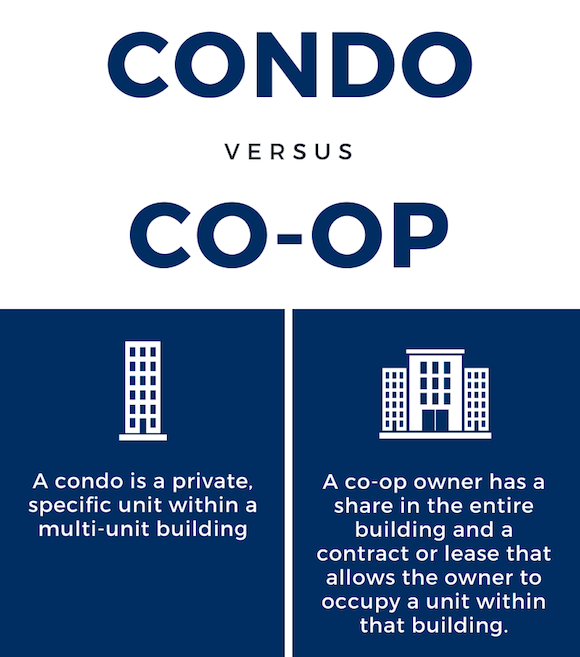
In a condominium, an individual directly owns their unit and a proportionate share of the common elements. This means they receive a deed and can secure a traditional mortgage using their unit as collateral. This direct ownership generally makes condos more straightforward to finance and often results in lower down payment requirements. For co-ops, as discussed, you own shares in a corporation, requiring a share loan and often a larger down payment. This difference significantly impacts personal balance sheets and access to capital.
Fees, Taxes, and Resale Dynamics
Condo owners pay their own property taxes directly to the municipality and contribute to an HOA fee that covers common area maintenance, insurance, and reserves. Co-op maintenance fees, conversely, are typically higher because they bundle property taxes and a portion of the building’s master mortgage, offering a single, albeit larger, monthly payment. From a resale perspective, condos generally offer greater liquidity due to simpler ownership transfer and less restrictive sales processes. The co-op board approval process can introduce delays and uncertainty, potentially impacting the speed and ease of exiting the investment. Therefore, understanding the financial nuances of each model is critical for any real estate investor or homebuyer seeking to make an informed decision aligned with their financial objectives.
aViewFromTheCave is a participant in the Amazon Services LLC Associates Program, an affiliate advertising program designed to provide a means for sites to earn advertising fees by advertising and linking to Amazon.com. Amazon, the Amazon logo, AmazonSupply, and the AmazonSupply logo are trademarks of Amazon.com, Inc. or its affiliates. As an Amazon Associate we earn affiliate commissions from qualifying purchases.